
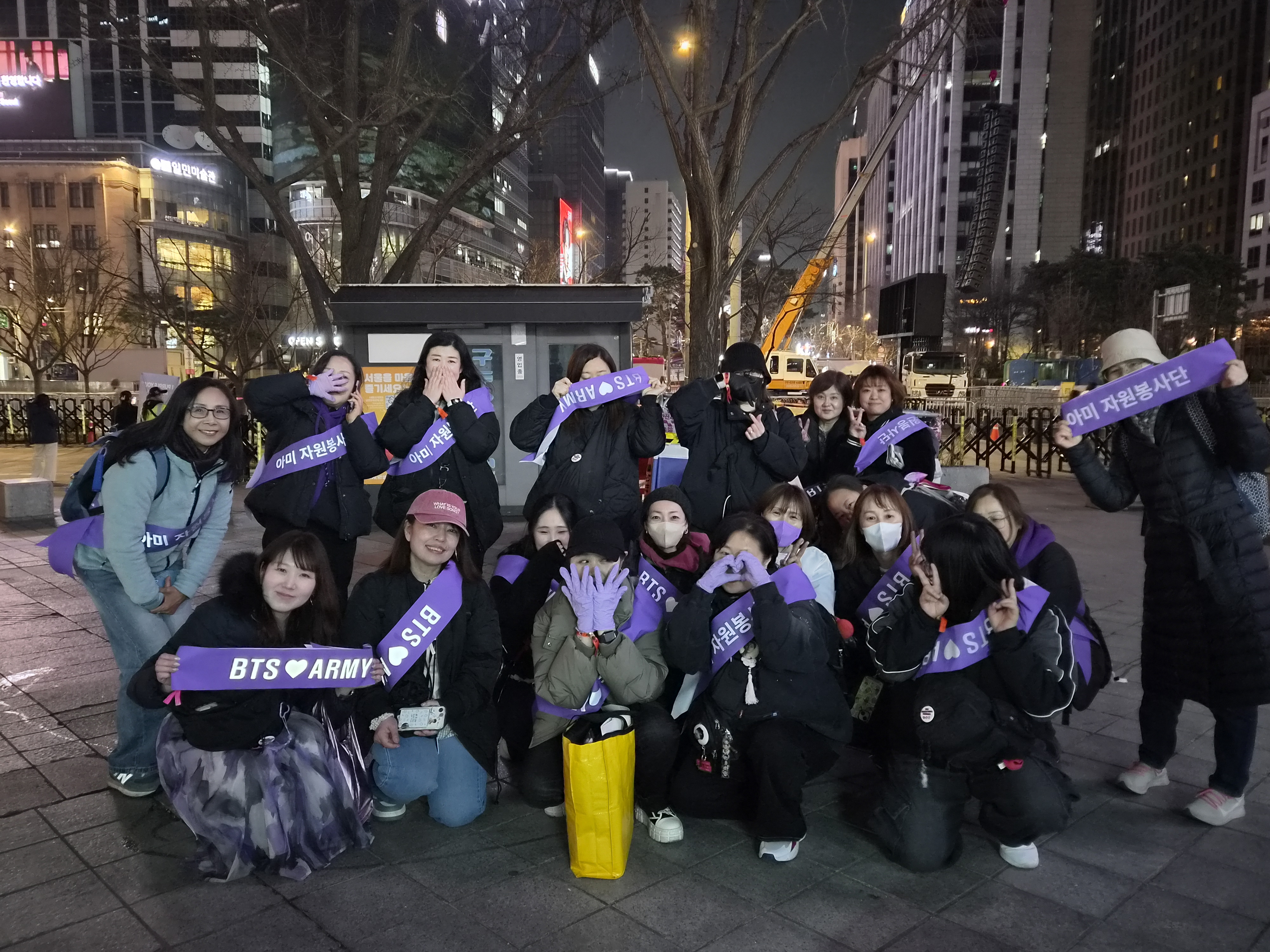
"The true concert began after the music ended." – A Korean news reporter on the scene at Gwanghwamun.
In the heart of Seoul, under the watchful gaze of Admiral Yi Sun-sin’s statue and the shadow of Gyeongbokgung Palace, history was made twice on a crisp autumn evening. The first, a meticulously documented spectacle: the historic, free comeback concert of global icons BTS, welcoming back the full group and celebrating their return to the stage. The second, a quieter, more profound moment that unfolded as the final notes of "Yet to Come" faded: the sight of thousands of fans, ARMY, meticulously cleaning their own trash, transforming a potential logistical nightmare into a case study in civic responsibility. While the world's media had fixated on crowd size estimates—a topic we explored in depth regarding The Numbers Divide—the lasting narrative became one of order, respect, and a fandom’s conscious dedication to protecting the legacy of their artists.
A Stage Set for History, and a Test of Legacy
The context for this moment cannot be overstated. BTS's concert at Gwanghwamun Square was more than a musical performance; it was a national event, a symbolic homecoming after a period of individual enlistment and activity. The location itself, a site of immense historical and political significance in South Korea, added layers of gravity. Authorities and media outlets braced for impact, with memories of past large-scale gatherings—both within and outside of K-Pop—lingering. Concerns over public safety, traffic gridlock, and post-event cleanliness dominated pre-concert coverage. For ARMY, a fandom often scrutinized and stereotyped, the event was not merely a celebration but an unconscious test. Would the narrative be about disruption, or could it reflect the values of responsibility and community that BTS themselves have championed for over a decade?
The BTS-ARMY Symbiosis: A Foundation of Mutual Respect
To understand the fans' actions, one must first understand the unique relationship between BTS and ARMY. This is not a typical artist-fan dynamic built solely on adoration. It is a two-way street forged in shared struggles, open communication, and a consistent message of self-love and social responsibility. From their earliest days, BTS's music and candid disclosures addressed mental health, societal pressure, and the journey toward finding one's voice. The fandom, in turn, organized itself not just for chart success, but for philanthropic endeavors, matching the group's own substantial donations. This cultivated a sense of collective identity that extends beyond streaming parties. As we noted in our analysis of their artistic journey, 'Beyond the Record', their work is deeply rooted in cultural sincerity. The fans have absorbed this ethos, viewing support for BTS as a holistic endeavor that includes upholding their positive image in the public sphere.
The Cleanup Heard 'Round the World: Deconstructing the Moment
As reported by multiple Korean media outlets, including footage from Yonhap News and SBS, the scene following the concert was startlingly orderly. Instead of a sea of discarded banners, food wrappers, and drink cups, fans were seen using portable trash bags—many brought from home—to collect their own waste. Small groups coordinated, picking up litter not just from their immediate vicinity but from the broader plaza area. This was not a directive issued from the stage or a managed initiative by concert organizers, HYBE. This was a decentralized, organic movement born from years of fandom culture and a shared desire to "leave no trace."
The symbolism was potent. Gwanghwamun Square is not a private venue; it is the nation's living room. By treating it with such care, ARMY was sending a clear message: we are respectful guests, not entitled disruptors. Security personnel and city cleanup crews, who had been deployed in force, reportedly found their workload significantly lighter than anticipated. The contrast to stereotypes of chaotic, predominantly young fan gatherings was stark. News anchors and reporters on the scene shifted their commentary from crowd control to commending the fans' maturity, with one broadcaster remarking that the fans "taught a lesson in citizenship."
A Pattern, Not an Anomaly: ARMY's History of Civic Action
While the scale at Gwanghwamun was unprecedented, the behavior itself is rooted in established fandom practice. Long-time ARMY will recall similar, smaller-scale clean-up efforts after music show recordings, fan meetings, and other events. This culture is partly practical—ensuring good relations with venues and broadcasters—and partly philosophical, aligning with BTS's messages. It also serves as a defense mechanism against the negative stereotypes often levied at intense fan communities. The Gwanghwamun event, however, projected this practice onto a massive, very public canvas. It transformed a niche fandom habit into a mainstream news story about civic virtue, effectively reframing the conversation around K-Pop's cultural impact. For more on how BTS's sincerity shapes their legacy, readers can explore our piece A Symphony of Sincerity.
Echoes in the Fandom: Pride, Strategy, and Organic Community
Within online ARMY communities, the reaction to the media praise was a mixture of pride, relief, and a slight sense of vindication. On platforms like Weverse, Twitter (X), and various fan forums, the dominant sentiment was not boastfulness, but a collective, "Of course we did."
- Pride in Reflection: Many fans posted that cleaning up was a way to reflect well on BTS, framing it as the most basic way to thank the artists for a free, historic concert. "We couldn't give them a payment, but we could give them a good name," one fan wrote.
- Strategic Awareness: Other discussions revealed a keen awareness of public perception. "This is how we fight the negative stereotypes," commented a fan on a popular board. "Not with arguments online, but with actions in public." This demonstrates a sophisticated understanding of image management at a grassroots level.
- Organic Organization: Hashtags like #ARMYCleanedGwanghwamun trended, with fans sharing photos and tips for effective clean-up at large events. This peer-to-peer knowledge sharing reinforces the behavior as a community norm. The event has sparked conversations about pre-planning for future concerts, with fans discussing the most efficient ways to bring and dispose of trash bags en masse.
The reaction stands in interesting contrast to other recent fan mobilizations, such as the intense debate covered in The "Dilemma" Vote, showcasing the diverse ways fandom power can be expressed—from internal group advocacy to external public relations.

Industry Ripples: Redefining the Fan Metric
The impact of this event within the K-Pop industry is subtle but significant. For years, the primary metrics for fandom power have been quantifiable: album sales, streaming numbers, chart positions, and social media trends. The Gwanghwamun cleanup introduces a powerful, qualitative metric: civic responsibility.
1. A New Blueprint for Large-Scale Events: Promoters and agencies, including HYBE, will undoubtedly study this event. The fan-led cleanup mitigates one of the biggest logistical and PR headaches of free, large-scale public concerts: the aftermath. While no agency would ever publicly rely on fans to clean, the demonstrated propensity for order influences risk assessment for future events in sensitive locations. It proves that with the right artist-fan relationship, massive gatherings can be managed with a degree of self-policing that was previously thought impossible.
2. Shifting Public and Media Perception: The overwhelmingly positive media coverage provides a template for how fandoms can engage with the broader public. It moves the discourse from "disruptive fans" to "model citizens," which in turn reflects well on the artists they support. This can lessen regulatory and public resistance to future events, creating a more favorable environment for the entire industry. As seen on our News page, public perception is a constant battlefield in K-Pop.
3. The "Soft Power" of Fandom: This incident showcases K-Pop fandom as a form of cultural soft power. Just as BTS's music and messages have shaped Korea's international image, the actions of its fandom in a iconic domestic space reinforce narratives of Korean discipline, communal effort, and respect. It blurs the line between fan activity and civic participation, suggesting that the organizational power and collective identity of fandoms can have socially beneficial applications beyond supporting their idols.
The Inevitable Counterpoint: Live Performance Debates
This wave of positive news also exists in tension with other ongoing industry conversations. Just as ARMY was being praised for civic behavior, debates about live vocal prowess—a constant in K-Pop—were reignited elsewhere. It's a reminder that fandom exists on multiple axes. The same community lauded for its responsibility might be fiercely defensive on issues of artistic credibility, as seen in discussions surrounding performances like those analyzed in The Vocal Crucible. A fandom's identity is multifaceted, capable of organizing a cleanup one day and engaging in complex aesthetic debates the next.
What's Next: A Lasting Imprint and a Raised Bar
The Gwanghwamun concert and its aftermath will linger in public memory for years to come. For BTS, it solidifies their chapter two narrative as one of mature, unimpeachable legacy artists whose influence fosters tangible positive action. It adds another layer to their story, intertwining their artistic journey with a socially responsible fandom culture they helped cultivate.
For ARMY, the event raises the bar. What was an organic expression of care has now become a celebrated standard. The expectation for orderly, respectful conduct at future events, especially large-scale ones, will be immense, both from within the fandom and from external observers. This is not a burden, but rather an evolution of the fandom's identity—from powerful consumers to cultural ambassadors.
For the industry, the lesson is clear: nurturing a genuine, values-based connection with fans yields dividends that transcend commerce. It builds a resilient community capable of self-organization in ways that benefit the artist's brand and the wider community. As groups continue to debut and build their own fandoms, the BTS-ARMY model of mutual respect and shared responsibility will loom large as an aspirational benchmark.
Ultimately, the story of that night at Gwanghwamun is a story about legacy. BTS's musical legacy was celebrated with a powerful performance. But perhaps their most enduring cultural legacy was demonstrated in the quiet, diligent actions of thousands of fans under the Seoul sky, proving that the true power of this phenomenon lies not just in the records broken, but in the positive examples set. As both BTS and ARMY look to the future, this moment will stand as a defining proof of concept: that music and fandom, at their best, can leave a place cleaner, and a reputation brighter, than they found it. To follow the continuing journeys of all your favorite artists, visit our Artists page.