

BTS's grand ARIRANG comeback concert has sparked a firestorm of debate within the fandom, revealing a critical tension between artistic evolution and fan expectation. This analysis dives beyond the surface-level complaints to unpack the strategic, musical, and emotional calculus behind HYBE's controversial staging choices. The core "problem" isn't a failure of spectacle, but a deliberate, high-stakes pivot that challenges the very template of the K-Pop mega-concert. We examine the data, the dissent, and what this means for the future of the group and the industry.
- What Actually Happened? The Core Controversy Explained
- Strategic Rebrand or Misstep? Decoding HYBE's Artistic Calculus
- The ARMY Divide: Nostalgia vs. Progress in the Fanbase
- Behind the Scenes: A Side-by-Side Breakdown of Production Choices
- Ripple Effects: How ARIRANG is Influencing the Broader K-Pop Concert Landscape
- Your ARIRANG Questions, Answered
What Actually Happened? The Core Controversy Explained
The ARIRANG concert, heralded as BTS's triumphant full-group return, was undeniably a technical masterpiece. However, a vocal segment of ARMYs expressed immediate and profound disappointment. The debate centers not on the members' performances, which were universally praised, but on the concert's foundational structure and aesthetic philosophy.
The Three Pillars of Fan Criticism
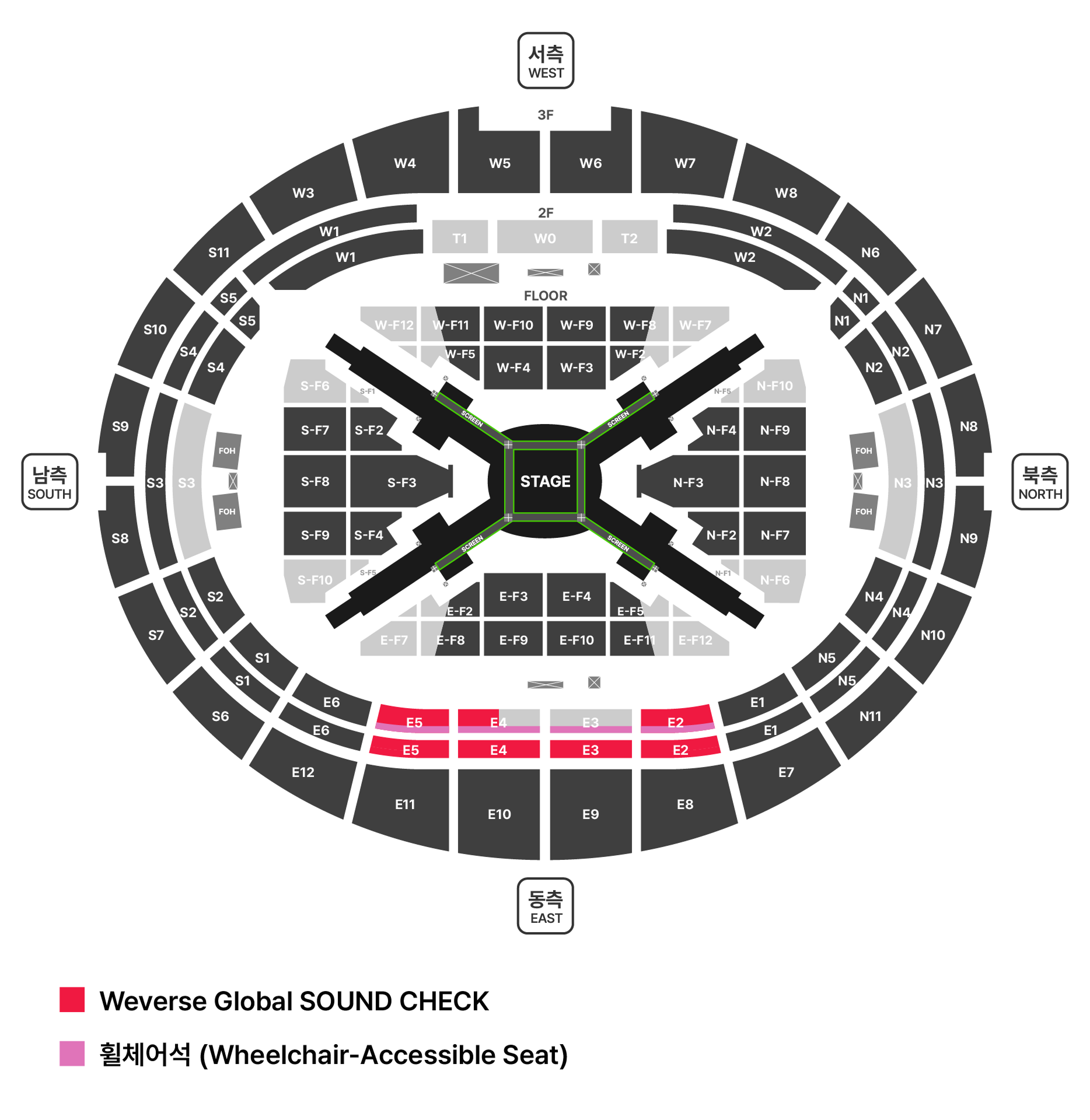
The criticism coalesces around three major deviations from the expected BTS concert formula. First, the setlist heavily favored the group's recent, more subdued solo and unit projects from their post-hiatus chapter. Second, the staging adopted a minimalist, theatrical-in-the-round concept, reducing the reliance on the explosive pyrotechnics, complex lift rigs, and sprawling VFX that defined past spectacles like PERMISSION TO DANCE ON STAGE. Third, the overall narrative arc felt introspective and personal, prioritizing emotional resonance over continuous high-energy bombast.
What HYBE and BTS Delivered Instead
In place of the expected formula, the creative team delivered a concert framed as a "ceremony" or "living art exhibit." The focus was on vocal clarity, intricate choreography designed for 360-degree viewing, and raw emotional delivery. Moments of silence, solo piano accompaniment, and spoken-word segments were given space, creating a more intimate and vulnerable atmosphere despite the stadium setting. This was a concert designed not just to entertain, but to communally process the group's journey.
Strategic Rebrand or Misstep? Decoding HYBE's Artistic Calculus
Viewing the ARIRANG concert as a simple production error misses the bigger picture. This was a calculated, high-stakes artistic statement with multiple strategic layers.
Re-establishing Artistic Credibility Post-Enlistment
Following the members' gradual return from military service, there was a critical need to re-anchor BTS's identity as mature artists, not just global pop phenomena. The minimalist, music-forward approach of ARIRANG serves as a powerful statement of intent. It signals a confident shift from "proving scale" to "demonstrating depth," a move akin to a veteran filmmaker opting for a character drama after a blockbuster franchise. This aligns with the nuanced solo work seen on our Charts page, where individual member projects have explored diverse genres.
The Economics of a "Post-Peak" Strategy
From a business perspective, HYBE may be strategically diversifying the BTS "product suite." After achieving every conceivable record for stadium spectacle, the next logical frontier is prestige and legacy. ARIRANG functions as a limited, high-value artistic event, different in kind from the more broadly accessible, energy-driven world tours. It creates a new tier of cultural capital, ensuring the brand's longevity beyond chart dominance. This self-funded artistic risk mirrors, on a colossal scale, the gamble taken by groups like THE BOYZ for their fans.
The ARMY Divide: Nostalgia vs. Progress in the Fanbase
The heated debate exposes a fundamental schism within any long-standing fandom: the tension between nostalgia for a beloved past and the desire for artistic progression.

The Nostalgia Camp: Paying for a Specific Experience
For many fans, especially those who waited years for this reunion, a BTS concert has a specific, anticipated vocabulary. The disappointment stems from a perceived contract violation—the expectation of a cathartic, united, high-energy celebration of their greatest hits. When the concert instead offered reflection and newer material, it felt like being denied a shared emotional release they had paid for and waited for. This isn't merely resistance to change; it's a grief for an expected communal experience.
The Progression Camp: Defending Artistic Autonomy
The defending faction argues that to demand BTS rehash old formulas is to disrespect their growth. They point out that the members, now in their 30s, are naturally exploring different themes and sounds. This camp views ARIRANG as a brave, authentic expression of the group's current identity. They champion the right of their idols to evolve, even if it diverges from personal preference, framing criticism as entitlement. This debate echoes conversations in other media, such as the analysis of actor evolution discussed in Lovely Runner's anniversary.
Behind the Scenes: A Side-by-Side Breakdown of Production Choices
To understand the shift, a direct comparison is essential. The table below contrasts ARIRANG with the pre-hiatus stadium standard, LOVE YOURSELF: SPEAK YOURSELF [THE FINAL].
Production Element Past Concert (e.g., SPEAK YOURSELF) ARIRANG Concert Implied Artistic Shift Stage Design Elaborate main stage with extended runways, hydraulic lifts, and massive LED walls. Theatre-in-the-round, central platform, minimal physical structures, focus on aerial & lighting. Spectator -> Witness; External spectacle -> Internal emotion. Setlist Focus Heavy on title track hits, medleys, crowd-pleasing anthems. Defined narrative arc of the "Love Yourself" era. Curated blend of solo/unit work from Chapter 2, deeper album cuts, re-arranged classics. Greatest Hits Tour -> Artist's Journey Retrospective. VFX & Pyrotechnics High frequency: lasers, flame jets, confidelity, complex AR graphics. Sparse, deliberate use. Emphasis on atmospheric lighting, projection on a simpler stage. Overstimulation -> Focus. Distraction -> Intimacy. Member Interaction High-energy group choreography, defined solo stages, playful group banter. More stationary vocal moments, theatrical staging of units, spoken-word interludes, raw emotional expression. Performance -> Presentation. Idols -> Artists & Storytellers.The Risk of Intimacy at Scale
The most audacious technical gamble of ARIRANG was attempting "intimacy at scale." The in-the-round design forced a rethinking of choreography and camera work to serve all sightlines, a challenge most stadium acts avoid. This choice prioritized the live audience's sense of connection over the cinematic flow for online viewers, a reversal of pandemic-era priorities. It was a statement that the physical, shared experience was paramount again.
Ripple Effects: How ARIRANG is Influencing the Broader K-Pop Concert Landscape
BTS's choices never exist in a vacuum. The ARIRANG experiment, regardless of fan reception, sends powerful signals to the entire industry.
Legacy Acts and the "Mature Pivot"
For senior groups approaching or returning from enlistment, ARIRANG provides a potential blueprint for the "mature pivot." It demonstrates that commercial success doesn't have to mean repeating past formulas. We may see more groups opting for conceptually driven, musically dense concerts over pure spectacle, a trend that could elevate the live show's artistic prestige across K-Pop news.
Pressure on Production Companies
The concert raises the bar for creative narrative, not just technical prowess. Production houses like THE WAVE and SONICWAVE can no longer just deploy a standard kit of lasers and lifts. They must now develop unique, bespoke theatrical concepts that serve an artist's specific narrative, much like a Broadway play. This increases costs and creative risk but also opens new avenues for innovation.
Redefining the Fan-Artist Contract
Ultimately, ARIRANG forces a conversation about the fan-artist contract. Are fans paying for a predictable, pleasurable product, or are they investing in an artist's unfolding journey, which may include uncomfortable or unfamiliar turns? This tension is at the heart of modern fandom, similar to debates around AI usage, as seen in the fallout from the recent coffee shop AI scandal.
Your ARIRANG Questions, Answered
Will BTS abandon their high-energy concerts forever?
Absolutely not. ARIRANG is likely a specific chapter, not the new permanent template. Future tours will probably strike a balance, perhaps alternating between "stadium spectacle" and "theatrical experience" concepts. Their repertoire is vast enough to support both modes.
Does the criticism mean ARIRANG was a financial failure?
By any standard metric—ticket sales, sold-out shows, global streaming—ARIRANG is a colossal financial success. The debate is purely cultural and aesthetic, revolving around value beyond money. It's about emotional ROI for the fanbase.
Were the members involved in these creative decisions?
All evidence points to deep involvement. BTS, especially in Chapter 3, has unprecedented creative agency. The concert's deeply personal themes and focus on their individual Chapter 2 works suggest this direction was a collaborative choice with HYBE's creative teams, not a decision imposed upon them.
How does this compare to other groups' comeback concerts after enlistment?
It's radically different. Most groups use the post-enlistment comeback to loudly reassert their signature sound and energy, aiming for a "we're back!" celebration. BTS used theirs for introspection and artistic declaration, a move that carries more risk but potentially greater long-term legacy reward.
Where can I find more analysis on BTS's career strategy?
For ongoing analysis of major group moves and industry strategy, keep an eye on our Artists page for deep dives and curated profiles that track these evolving narratives.
The Final Verdict: A Necessary Growing Pain
The ARIRANG controversy is not a sign of decline, but of evolution. It represents the growing pains of a group transitioning from global superstars to legacy artists. While the execution may have left some fans feeling alienated, the strategic intent—to redefine what a BTS concert can be—is clear and arguably necessary for their long-term relevance.
The true impact of ARIRANG will be measured in the years to come. It may inspire a wave of more ambitious, artist-driven concert formats across K-Pop. It has certainly ignited a vital conversation about artistic growth, fan entitlement, and the future of live music in the genre. For BTS, it was a statement: they will not be imprisoned by their own past glory.
What to do next: Watch how other top-tier groups structure their next major concerts. Observe if the "theatrical, intimate-at-scale" concept gains traction. Revisit the ARIRANG setlist in the context of BTS's full discography; time may prove it a courageous and cohesive artistic statement. The debate itself is a testament to the passionate, engaged culture of K-Pop fandom—a culture that, like its idols, is constantly evolving. For more on how groups are navigating their own pivotal changes, explore our analysis on the recent shifts within NCT's lineup.