
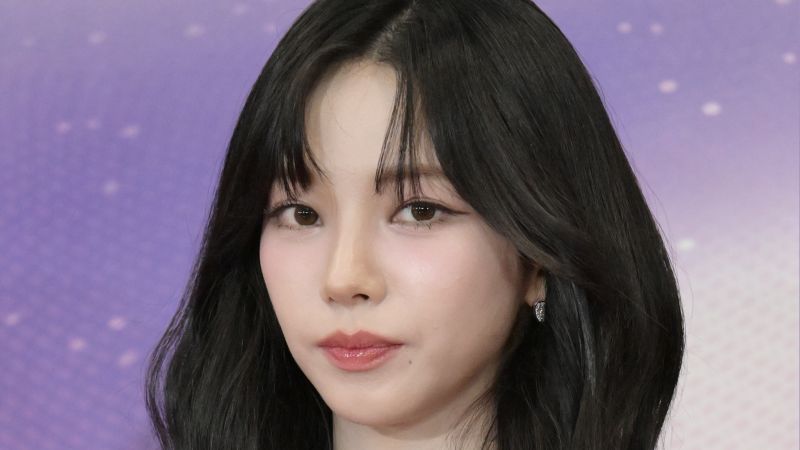

A Seoul café's attempt at a cheeky promotional campaign, using a popular idol's face without consent, has spiraled into a textbook case of how not to engage with K-Pop culture. Their subsequent apology, far from dousing the flames, has triggered an even fiercer backlash from fans and industry observers. This incident is not an isolated misstep but a glaring symptom of a systemic issue: the profound undervaluation and exploitation of idols' digital personas in an era where their image is the ultimate currency.
- What Exactly Happened with the Coffee Shop?
- Why Did the Apology Make Things Worse?
- What Are the Idol's Legal Grounds? Can They Sue?
- Is This a One-Off Mistake or a Bigger Industry Issue?
- How Did the Fandom Response Change the Game?
- FAQ: Your Questions Answered
What Exactly Happened with the Coffee Shop?
The core of the controversy is a familiar, yet legally fraught, scenario. A local coffee shop, aiming for viral marketing, created promotional material featuring the unmistakable likeness of a top-tier idol. This wasn't traditional photography but a digitally manipulated creation.
The Nature of the Offense
The use bypassed all standard channels of endorsement and licensing. There was no contract with the idol's agency, no rights negotiation, and certainly no compensation. The café treated the idol's face—a highly managed and valuable commercial asset—as free stock imagery, available for use to sell lattes and pastries.
The Immediate Fan Reaction
K-Pop fandoms are arguably the world's most sophisticated and vigilant digital communities. Within hours, fans identified the misuse. Social media platforms were flooded with evidence, calls for boycotts, and demands for an official apology and removal of the material. The speed and coordination of the response highlighted the fandom's role as a first-line defense for their idol's intellectual property.
Why Did the Apology Make Things Worse?
Often in PR crises, the initial offense is compounded by the bungled response. This case is a prime example. The café's apology was perceived as insincere and strategically clumsy, pouring gasoline on the fire of fan outrage.
Tone-Deaf Language and Minimization
The statement reportedly used language that minimized the transgression, framing it as a "lighthearted" or "fan-made" tribute rather than a commercial violation. This failed to acknowledge the core issue: the unauthorized commercial exploitation of a celebrity's image. Fans viewed this as the business not understanding, or willfully ignoring, the seriousness of their actions.
Lack of Concrete Remedial Action
A true apology in business is accompanied by tangible corrective steps. A vague "we are sorry for any inconvenience" without outlining specific actions—such as a public commitment to donate all profits from the campaign, immediate destruction of all physical materials, or explicit steps to ensure it never happens again—rings hollow. It suggested the apology was about quelling noise, not making amends.
The "Fan Excuse" Backfire
Some businesses incorrectly believe attributing the action to an "overzealous fan" on staff will elicit sympathy. In the K-Pop sphere, this almost always backfires. It is seen as shifting blame and exploiting the very concept of fandom to excuse a professional failure. The responsibility ultimately lies with the business owner and marketing team.

What Are the Idol's Legal Grounds? Can They Sue?
Legally, the idol and their agency stand on firm ground. South Korean law provides clear protections for an individual's portrait rights and publicity rights, which are separate from copyright.
Understanding Portrait Rights
Portrait right, protected under the Civil Act and related precedents, grants an individual the exclusive right to control the commercial use of their likeness. Using someone's face to promote a business without consent is a direct violation. This is true even if the image is not a direct photograph but a recognizable illustration or digital creation based on their likeness.
The Power of the Agency
The idol's agency acts as the legal and commercial steward of these rights. They have a fiduciary duty to protect their artist's assets. A lawsuit in this scenario would typically seek:
- Immediate cessation of all use.
- Destruction of infringing materials.
- Monetary damages for unjust enrichment (profits gained from the unauthorized use) and compensation for potential harm to the idol's exclusive commercial value.
As explored in our analysis of systemic issues, agencies can sometimes fail their artists, but in clear-cut IP cases like this, legal action is a standard defense of a core asset.
Civil vs. Criminal Paths
This would primarily be a civil matter for damages. However, in cases involving clear malice or significant financial damage, criminal charges related to fraud or business interference could be theoretically explored, though they are less common.
Is This a One-Off Mistake or a Bigger Industry Issue?
This coffee shop incident is merely the tip of the iceberg. It exposes a widespread, growing problem in the digital age where the lines between fan content and commercial infringement are dangerously blurred.
The Digital Likeness Epidemic
The accessibility of digital editing tools has led to an explosion of unauthorized use. From small businesses to online retailers, idols' faces are plastered on products they've never endorsed: phone cases, clothing, cosmetics, and yes, café menus. This gray market thrives because of perceived low risk and high reward.
Weak Enforcement and a Culture of Permissiveness
Many small to medium-sized enterprises operate under the assumption that they won't be caught or that agencies won't bother with "small fish." Until recently, this was often true. Agencies focused on large-scale counterfeit operations. However, as idols' brand value skyrockets, the tolerance for any dilution of their exclusive partnerships is dropping to zero.
Comparison: Past Image Rights Incidents
Incident TypeExampleTypical Business ResponseIndustry Outcome Small Business Misuse (e.g., Café, Local Shop)This coffee shop; unauthorized idol-themed merch.Slow, often inadequate apology after fan outcry; rarely involves lawsuit unless persistent.Teaches bad precedent; emboldens others until a major case is made. Media & Editorial MisuseUsing idol images in controversial article contexts without permission.Quicker retraction/apology due to higher public profile; potential for settlement.Sets clearer media guidelines; establishes boundaries for editorial vs. commercial use. Large-Scale Commercial CounterfeitingFake photocards, concert DVDs, official-looking apparel.Targeted by agency legal teams with cease & desist, raids, and lawsuits.Direct legal battles that establish precedent and deter large operators.How Did the Fandom Response Change the Game?
The ferocity and efficacy of the fan response are the most significant evolution in this story. Fandoms are no longer just fan clubs; they are organized, legal-adjacent advocacy groups.
From Trend Hashtags to Evidence Dossiers
Modern fan activism goes beyond angry tweets. They compile meticulous evidence: screenshots, links, comparisons to official images, records of the promotional period, and even estimates of business traffic or sales. They present a near court-ready dossier to the agency and the public, making it impossible for the offending party to deny or downplay the scope of the infringement.
Economic Pressure as a Weapon
Fans understand the language of business. Organized boycotts, mass reporting to business review platforms like Google Maps, and campaigns to contact the café's suppliers or landlords apply direct economic pressure. This transforms the issue from a legal threat in the future to a tangible financial crisis in the present, forcing a faster response.
Shifting the Power Dynamic
This collective action signals to all businesses that the cost of unauthorized use is no longer just a potential lawsuit from a distant agency, but an immediate and devastating PR and financial blow from the very customer base they were trying to attract. It democratizes the enforcement of image rights. For more on how fan culture interacts with industry systems, our analysis of trainee scandals reveals another layer of this dynamic.
FAQ: Your Questions Answered
Q: Could the idol have approved this without us knowing?
A: Extremely unlikely. Official endorsements are major contracts announced with great fanfare by both the agency and the brand. They involve official photo shoots, coordinated social media rollouts, and are listed on the idol's official profile. A small café promotion would not be kept secret.
Q: Why don't agencies sue every single small business that does this?
A> It's a resource issue. Legal action is time-consuming and expensive. Agencies often prioritize large-scale counterfeit operations that cause greater financial damage. However, the rising trend of fan-led enforcement is effectively policing the smaller infringements, making the ecosystem more hostile for violators.
Q: What if a fan makes art of an idol and sells it? Is that the same?
A> Legally, yes, if it's sold for profit. This is a major point of contention in fan communities. While agencies often tolerate non-commercial fan art, the sale of goods featuring an idol's likeness without a license is infringement. Many small fan artists operate in a gray area, but they carry legal risk.
Q: Did this hurt the idol's reputation or career?
A> In the short term, it likely causes minor annoyance and reinforces the need for vigilant management. Long-term career damage is rare from these incidents. The greater harm is the dilution of their brand value for potential legitimate endorsements and the personal violation of having their image used without control.
Q: What should a business do if they genuinely want to collaborate with a K-Pop idol?
A> The only correct path is to go through official channels. Contact the artist's management agency's business proposals or partnerships department. Be prepared for a competitive process, significant investment, and strict contractual guidelines governing the use of the idol's image. There are no shortcuts.
Conclusion & The Path Forward
The coffee shop debacle is a watershed moment. It demonstrates that the old, lax attitude toward celebrity image rights is obsolete in the K-Pop ecosystem. Fans, armed with digital tools and collective will, have become formidable enforcers. For the industry, the message is clear: an idol's face is not just their fortune; it is a legally protected, meticulously managed asset.
The next step for observant fans and industry professionals is to watch how this precedent influences behavior. Will it lead to a wave of stricter legal actions from agencies emboldened by fan support? Will it create a new standard for what constitutes an acceptable "apology"? This incident, though localized, has ripple effects that will shape endorsement culture, fan-artist boundaries, and intellectual property law in the K-Pop world for years to come.
To stay updated on how agencies manage their artists' careers and brands in this complex landscape, follow our ongoing coverage on our News page. For a deeper dive into the business strategies behind idol branding, explore our analyses of comebacks and concepts, such as our forecast for NEXZ's upcoming release 'Mmchk', which details the careful construction of a group's public image.