
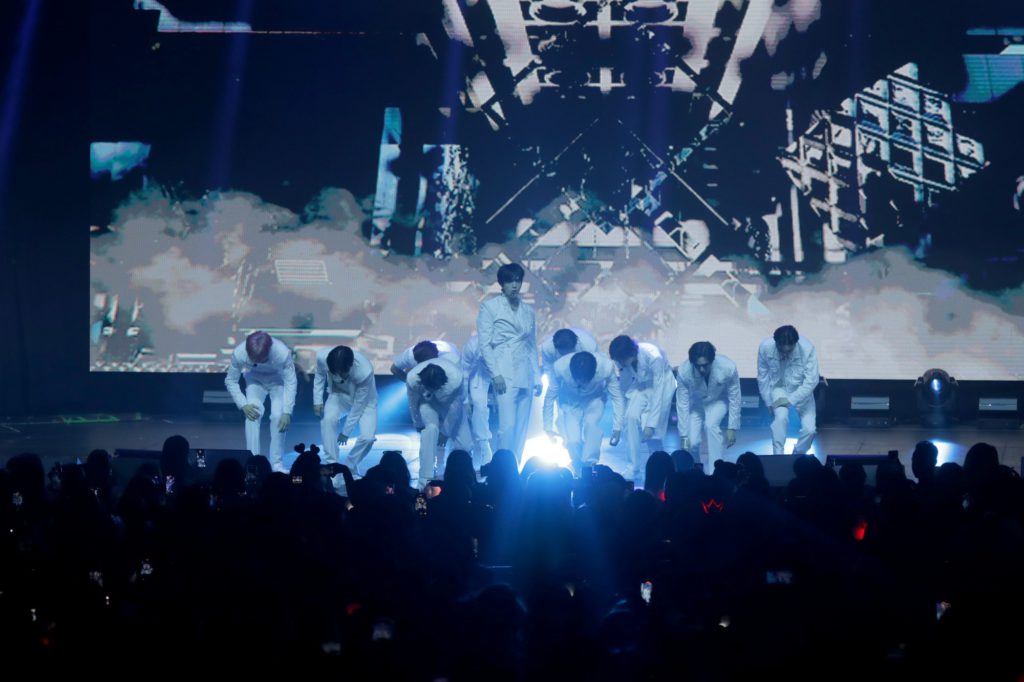

In a move that sends shockwaves through the K-Pop industry, THE BOYZ have announced preparations for a self-funded concert, a direct response to unresolved agency contract issues. This unprecedented decision, motivated by a steadfast promise to their fandom, Deobi, places the financial and logistical burden squarely on the members' shoulders. It marks a pivotal moment of artist-led rebellion against systemic delays, prioritizing fan trust over corporate protocol and setting a powerful new precedent for idol autonomy.
- Why Are THE BOYZ Self-Funding a Concert?
- What Does "Self-Funded" Actually Mean for an Idol Group?
- What Are the Immense Financial Risks Involved?
- How Does This Decision Redefine K-Pop Fan Culture?
- What Are the Broader Industry Implications?
- What Happens Next for THE BOYZ and IST Entertainment?
- Frequently Asked Questions (FAQ)
Why Are THE BOYZ Self-Funding a Concert?
The core catalyst is a reported stalemate in their contract renewal negotiations with IST Entertainment. While not officially detailed, such impasses often involve profit distribution, creative control, individual activities, and the group's long-term schedule. The concert was likely a planned commitment to fans, and with the agency unable or unwilling to greenlight it under the current circumstances, the members took fate into their own hands.
The Primacy of Fan Promise
For THE BOYZ, this isn't merely a business dispute; it's a matter of integrity. Idol-fan relationships are built on trust and promises. By choosing to fund the concert themselves, they are sending a clear message: their word to Deobi is more binding than any corporate hurdle. This action transcends a simple event announcement; it's a symbolic gesture that re-centers the idol-fan bond as the core currency of their career.
A Pattern of Agency-Artist Tension
This situation is not isolated. The K-Pop industry is grappling with a new era of artist advocacy. From legal battles over "slave contracts" to disputes over revenue and health, idols are increasingly asserting their rights. This incident mirrors the underlying tensions seen in cases like the NEVRA trainee scandal, which exposed systemic broken promises and a lack of support within agencies. THE BOYZ's move is a high-stakes, public manifestation of this push for respect and operational clarity.
What Does "Self-Funded" Actually Mean for an Idol Group?
In standard practice, an agency fronts all costs for a concert—venue rental, production, staffing, marketing—and recoups the investment from ticket and merchandise sales, with profits then split according to contract terms. A self-funded concert flips this model entirely, placing the members as the primary investors and risk-bearers.
Complete Financial Responsibility
THE BOYZ members, likely using their personal savings from years of activities, must cover millions of dollars in upfront costs. This includes:
- Venue deposit and rental fees
- Stage design, lighting, and sound engineering
- Band, dancer, and technical crew salaries
- Rehearsal space costs
- Marketing and promotional materials
- Insurance and legal fees
Every won spent comes directly from their pockets before a single ticket is sold.
Logistical Mountain to Climb
Without the agency's established infrastructure, the group must either hire an external production company or manage the labyrinthine logistics themselves. This involves negotiating contracts with vendors, securing permits, coordinating rehearsals, and handling crisis management—tasks typically handled by dedicated agency departments. It's a colossal undertaking that requires business acumen far beyond performing on stage.

What Are the Immense Financial Risks Involved?
The gamble is extraordinary. Idol careers, while lucrative at the top, are often shorter than typical careers, and savings must last a lifetime. Placing a significant portion of that security into a single event is a breathtaking risk.
Potential for Personal Loss
If ticket sales underperform or unforeseen costs spiral, the members could face substantial personal financial losses. Unlike a company, which can absorb a loss across multiple projects and artists, an individual's savings are finite. A failed concert could jeopardize their financial stability for years to come.
The High-Stakes Reward Structure
Conversely, if the concert is a sell-out success, the profit structure is radically different. After recouping their initial investment, any surplus revenue would go directly to the members (likely after taxes), bypassing the agency's typical share. This potential for greater reward is the flip side of the risk, offering a tangible lesson in the financial realities of their own brand power.
Aspect Agency-Funded Concert Self-Funded Concert Initial Capital Provided by the agency. Provided by the members' personal funds. Financial Risk Borne by the agency. Borne entirely by the members. Profit Distribution Governed by contract (e.g., 50/50 split after cost recoup). 100% to members after costs, a direct financial reward. Logistical Control Handled by agency departments. Managed by members/hired external teams. Primary Motivation Company revenue, group promotion. Fan promise, artistic autonomy, direct engagement.How Does This Decision Redefine K-Pop Fan Culture?
This act fundamentally recalibrates the idol-fan dynamic. It moves the relationship from a transactional "agency provides product, fans consume" model to a more direct, partnership-based covenant.
Deepening the "Us vs. The World" Narrative
THE BOYZ are effectively aligning themselves with their fandom against a common obstacle—the impersonal forces of corporate delay. This strengthens the powerful parasocial bond, framing Deobi not just as supporters, but as essential allies in the group's fight for autonomy. Fans are likely to perceive ticket purchases not just as entry to a show, but as a direct vote of confidence in the members themselves.
A New Blueprint for Fan Support
The success or failure of this venture will be a case study for the entire industry. It proves that an idol's career capital—their fan trust—can be leveraged as a form of direct economic power, potentially bypassing traditional agency gatekeepers. This echoes the shifting power dynamics seen when a drama like "Lovely Runner" showcases how fan-driven narratives can sustain and amplify a star's legacy independently of their music releases.
What Are the Broader Industry Implications?
THE BOYZ's decision is a flare shot into the industry sky, visible to every agency and artist. It demonstrates that established groups with a loyal fanbase possess leverage that was previously theoretical.
A Warning to Agencies
For management companies, this is a stark lesson in the cost of poor communication and inflexibility. It highlights that top-tier idols are not merely employees but are, in fact, brands and CEOs-in-waiting. Agencies that fail to foster collaborative partnerships risk forcing their most valuable assets to become their own competitors, managing major projects outside the company umbrella. This follows a pattern of artists seeking more control, as hinted at in shifts within major companies discussed in our analysis of SM's evolving strategies with NCT.
Empowerment for Veteran Idols
For artists entering their second or third contracts, this sets a powerful precedent. It proves that with careful planning and fan loyalty, alternative business models are possible. This could encourage more groups to negotiate for profit-sharing models that resemble partnerships rather than traditional employment, or even establish their own sub-labels with greater autonomy.
What Happens Next for THE BOYZ and IST Entertainment?
The concert's outcome will dictate the next chapter. Its success could empower THE BOYZ in negotiations, forcing IST to offer more favorable terms or risk losing them partially to independent activities. Failure, while damaging, would still underscore their commitment and potentially rally fan support against the agency.
Two Possible Pathways
Pathway 1: The Reset. A successful concert proves the group's independent viability, leading to a renegotiated contract with IST that grants them a superior profit share, a dedicated sub-label, or unprecedented creative control. The agency concedes to keep the asset.
Pathway 2: The Divergence. The experience emboldens the members. They may choose to not renew with IST as a full group, instead forming their own company for group activities while allowing individual members to sign with other agencies for solo work—a complex but increasingly plausible model.
The Role of Public and Fan Sentiment
Public perception is now a key bargaining chip. IST Entertainment must carefully manage its public statements to avoid being painted as the villain obstructing a heartfelt fan promise. The court of public opinion, fueled by social media and fan communities, will exert immense pressure on the agency's next move. For the latest on how fans are reacting, keep an eye on our News page for ongoing coverage.
Frequently Asked Questions (FAQ)
Q: Does this mean THE BOYZ are leaving IST Entertainment?
A: Not necessarily. This is a specific action regarding a single concert, likely prompted by stalled negotiations. It is a powerful signal of discontent and autonomy, but the group could still renew their contracts with IST under revised terms. It does, however, clearly show they are preparing for a future where they operate independently if needed.
Q: How can fans support this self-funded concert?
A: The most direct support is purchasing tickets and official merchandise once sales begin. Additionally, positive engagement on social media, creating fan content to promote the event, and respecting the members' decision by avoiding toxic speculation about agency details are all crucial forms of support.
Q: Could other groups like BTS or SEVENTEEN do this?
A: Absolutely. In fact, groups with immense, dedicated fandoms and significant personal wealth are the most capable of undertaking such a venture. The precedent set by THE BOYZ lowers the psychological barrier for other senior groups considering similar paths to assert control over their careers.
Q: Is this related to the contract issues other idols have faced?
A: It exists on the same spectrum. While not as severe as the historical "slave contract" lawsuits, it stems from the same root: a desire for fair treatment, transparent communication, and respect for the artist's vision and commitments. It's a professional negotiation played out in the public eye.
Q: Where can I learn more about THE BOYZ's career and music?
A: You can explore their full discography, member profiles, and career timeline on our dedicated Artists page, which provides comprehensive coverage of all major K-Pop acts.
Conclusion & The New Idol Paradigm
The decision by THE BOYZ to self-fund their concert is far more than a headline; it is a watershed moment in K-Pop's evolution. It demonstrates that the modern idol is a multifaceted entrepreneur, a brand manager, and a community leader whose greatest asset is the trust of their fans. This move challenges the traditional agency hegemony and proposes a future where successful artists and their fandoms can co-create their journey on their own terms.
The industry will be watching the financial and critical results of this concert closely. Its success could accelerate a shift towards artist-owned content and events, making the idol-agency relationship more collaborative. For fans, it is a call to recognize and support the artistic and personal agency of the idols they admire. This story is still unfolding, and its final chapter will be written not just in contract ink, but in ticket sales, fan chants, and the enduring legacy of a promise kept against all odds.