

The air inside the packed arena was electric, charged with the kind of anticipatory buzz that only precedes the arrival of a superstar act. For thousands of DIVE, IVE's dedicated fandom, this was a sacred space—a collective dreamscape where the powerful vocals of Yujin, the crystalline tones of Gaeul, the charismatic energy of Rei, the ethereal presence of Wonyoung, the soulful depth of Liz, and the radiant spark of Leeseo would become tangible, not just pixels on a screen. Yet, in the middle of this shared euphoria during a recent tour stop, a singular, small-screen interaction, captured inadvertently and shared online, has spiraled into one of the most resonant conversations in recent K-Pop memory. It wasn't about a missed note or a styling choice; it was about us, the fans themselves.
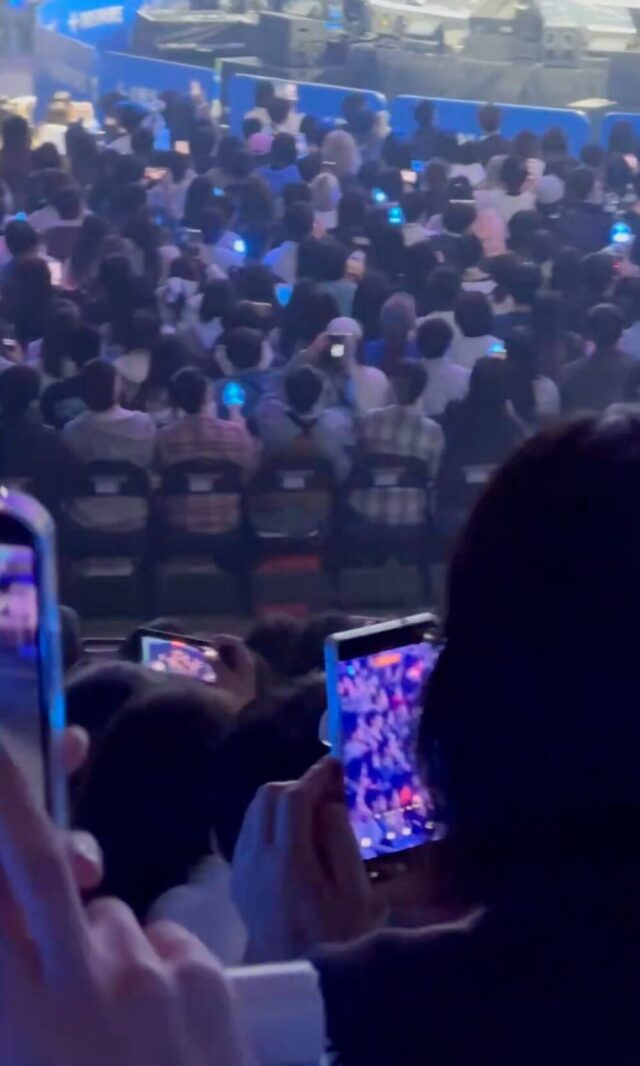
The clip was short, stark, and instantly provocative. It showed one concertgoer, phone held aloft, diligently recording the stage. From behind, another audience member reached forward, tapped the filmer on the shoulder, and with a pointed gesture, indicated that the phone was blocking their view. The filmer, after a brief moment of what appeared to be confused hesitation, simply... resumed filming. This micro-drama, a conflict of modern concert-going priorities played out in silent gestures, was uploaded to social media. The caption was a simple, devastating observation of the moment. The internet, as it does, erupted.
IVE: Navigating the Peak in an Era of Hyper-Documentation
To understand the weight of this moment, one must first understand the pedestal on which IVE stands. Debuted in December 2021 under Starship Entertainment, the group didn't just enter the scene; they reconfigured it. With a concept radiating confident, self-assured elegance, they delivered a string of undeniable megahits: "ELEVEN," "LOVE DIVE," "After LIKE," "Kitsch," and "I AM." Each track wasn't merely a song; it was a cultural event, dominating charts and spawning countless trends. They ascended to the absolute zenith of the industry at a velocity that left analysts breathless, a trajectory meticulously explored in our analysis of fourth-generation leaders on our Charts page.
This success breeds a specific, intense kind of fandom. DIVE are fiercely protective and immensely proud. An IVE concert is therefore more than a performance; it's a victory lap, a communal celebration of a shared journey to the top. Every moment is precious, every interaction treasured. In this high-stakes emotional environment, the act of recording transforms. It's no longer just about personal memory; for many, it's about claiming a piece of this hard-won success, archiving proof of participation in IVE's glorious era. The pressure to capture the "perfect" fancam or the clearest shot of one's bias is immense, often fueled by the social capital these clips garner online.
The Paradox of Presence: Being There vs. Proving You Were There
This incident lays bare the central paradox of contemporary fandom: the tension between being present in a once-in-a-lifetime experience and the compulsive need to document it for validation and posterity. For a generation raised on social media, the experience can feel incomplete without the digital artifact. "If you didn't record it, did it really happen?" is the unspoken, anxiety-inducing question. This phenomenon isn't unique to K-Pop, but the industry's deeply rooted parasocial relationships and content-driven ecosystem amplify it to an extreme degree.
“The concert becomes a sea of screens, a forest of arms holding phones aloft. You sometimes watch the show through the phone of the person in front of you. That shared, direct human connection—the collective gasp, the synchronized fan chant—gets mediated through glass and silicon.”
This quote from a veteran K-Pop concert reviewer sums up the growing sentiment. The incident at the IVE concert wasn't about one rude fan; it was a flashpoint for this widespread, simmering frustration.
Deconstructing The Viral Moment: A Clash of Concert Ethos
The video itself, likely shot by a neighbor in the seated or standing section, is a masterclass in non-verbal communication. The body language tells the whole story. The person tapping the shoulder is polite but firm—a clear, reasonable request from someone who has paid for the privilege of an unobstructed view. The reaction of the filmer, however, is what fueled the fire. The lack of acknowledgment, the minimal turn, and the immediate return to filming were interpreted not as mere obliviousness, but as a conscious prioritization of their own digital record over the lived experience of the fellow fan beside them.
This speaks to a perceived breach of the unwritten social contract of the concert crowd. This contract, especially in the communal world of K-Pop, implies a basic respect for the shared space and the shared purpose: to enjoy the artists. Blocking a view with a large sign or erratic dancing has long been frowned upon. The phone, however, occupies a moral gray area. It's small, personal, and ubiquitous. But when held steadfastly at eye-level for minutes on end, it becomes a barrier—a digital wall separating a fan from the very reality they paid to see.

The Amplification Engine: From Clip to Cultural Commentary
The reaction on platforms like Twitter, TikTok, and online forums was immediate and multifaceted. The discourse fragmented into several distinct camps:
- The "Anti-Phone" Brigade: This group used the clip as definitive proof of a concert culture gone awry. They advocated for stricter "phone-free" periods or sections, arguing that the obsession with filming ruins the atmosphere for everyone. Many shared their own stories of ruined concerts.
- The "Live and Let Live" Defenders: Others pushed back, noting that for international fans who may only get one chance in a lifetime to see their idols, recording is a crucial way to relive the joy. They argued that unless venues explicitly ban phones, filming is a right.
- The "Situational Ethics" Analysts: A large contingent focused on the specific interaction, criticizing the filmer's lack of courtesy. "You can record and be aware of your surroundings," became a common refrain. This group debated the etiquette of phone angle, duration, and height.
- The "Protect IVE" Angle: Some DIVE expressed sadness that a negative fan interaction was overshadowing discussion of IVE's own flawless performance, worried it painted the fandom in a bad light during a triumphant tour.
The debate grew so heated that it began to cross over into broader entertainment commentary, echoing discussions we've seen in other high-pressure fan environments, such as the intense scrutiny faced by veterans like Song Ji Hyo on "Running Man", where fan expectations can dictate public perception.
Beyond the Arena: Industry Implications and the Shifting Sands of Fan-Idol Dynamics
This viral moment is not an isolated incident but a symptom of a larger shift. The K-Pop industry actively cultivates and benefits from this documentation culture. Stunning, high-quality fancams from concerts serve as free, incredibly effective promotional material, often trending higher than official content. Idols themselves frequently mention looking for fans' cameras and making eye contact with them. The "fancam gaze" has become part of the performance lexicon.
However, the IVE incident highlights a potential breaking point. When the drive to document actively degrades the live experience for a significant portion of the audience, it threatens the very product—the concert—itself. This presents a complex dilemma for agencies and promoters. Can they risk alienating the dedicated fans who are also their most prolific content creators? Some artists, both in and out of K-Pop, have experimented with solutions:
- Designated "Phone-Free" Zones or Songs: Encouraging fans to put devices away for a powerful ballad or an intro to foster a pure connection.
- Official High-Quality Livestreams/Blu-rays: Offering a superior alternative to shaky phone footage, though this doesn't satisfy the personal "I was there" archive.
- Idols Gently Addressing It: While rare, some artists have made lighthearted pleas from the stage for fans to enjoy the moment with their own eyes.
The core issue taps into the evolving nature of fan-idol intimacy. Today's fans desire a deeper, more personal connection, a trend we analyzed in the context of J-Hope's candid revelation about swimming, which blurred the line between public persona and private individual. The concert phone is, in a way, a tool to claim a piece of that intimacy—to capture a moment that feels like it's just between the idol and the fan holding the camera. But as this incident shows, that pursuit can sometimes sever the connection with the human community physically surrounding you.
The Road Ahead: Re-negotiating the Shared Experience
So, where do we go from here? The viral clip from IVE's concert has acted as a catalyst, forcing a community-wide introspection that was long overdue. The path forward likely lies not in draconian bans, but in a renewed emphasis on communal etiquette and mindful participation.
Fandom leaders and fanbases could play a pivotal role by promoting guidelines for considerate filming. Venues might experiment with more creative solutions, like rear-tier "fancam-friendly" sections with explicit guidelines. Ultimately, it may come down to a personal reckoning for each fan attending a show: What is my primary goal here? Is it to create a perfect archive, or to have an unfiltered, emotional experience that will live in your memory, not just your phone storage?
The magic of a group like IVE lies in their ability to create a collective feeling—the soaring unity during "I AM," the playful synergy during "KITSCH." That feeling is amplified when shared directly, face-to-face with fellow fans, not through a screen. Perhaps this moment is a reminder to occasionally lower the device, to let the wave of "DIVE!" fan chants wash over you, and to trust that your own senses, and your shared connection with those around you, are the most high-definition recording you'll ever need. For the latest on how artists and festivals are navigating these new norms, explore our coverage of innovative events like Head In The Clouds LA.
The conversation is now out in the open, featured across our News page and social media platforms globally. As IVE continues their ascent, and as the next generation of stars takes the stage, the lesson from this viral moment will resonate. The future of the K-Pop concert experience depends on finding a balance where technology enhances rather than eclipses the human connection that has always been at the heart of this vibrant, passionate culture. The final note of this saga isn't one of conflict, but an opportunity—for DIVE and all fandoms to collectively ensure that the view, for everyone, remains beautifully, unforgettably clear.