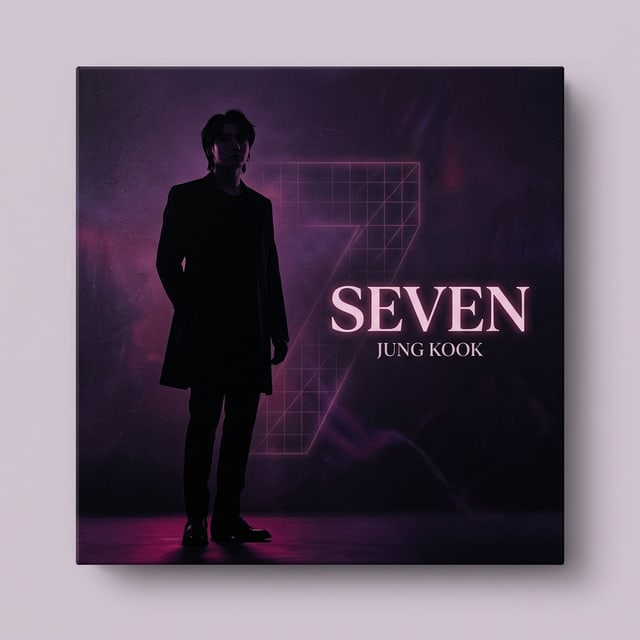
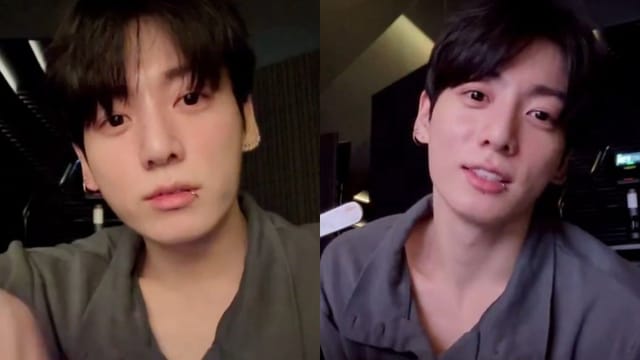
In a stunning case study of modern K-Pop fan culture, a routine fan interaction at BTS Jungkook's "ARIRANG" concert has spiraled into a viral controversy, falsely framed as "infidelity." The core issue isn't an idol's behavior, but a toxic segment of fandom weaponizing parasocial relationships. This analysis delves into the incident's anatomy, the fan's powerful "touch grass" rebuttal, and the systemic industry pressures that allow such narratives to thrive, questioning the very health of fan-idol dynamics in the hyper-digital age.
- What Actually Happened at the "ARIRANG" Concert?
- Why Was a Normal Interaction Labeled "Infidelity"?
- How Did the Fan's Response Redefine the Narrative?
- Is This an Isolated Incident or an Industry-Wide Pattern?
- How Can the Industry and Fandom Move Forward Healthily?
- Frequently Asked Questions (FAQ)
What Actually Happened at the "ARIRANG" Concert?
The genesis of the controversy lies in a fundamental misrepresentation of a standard concert moment. During Jungkook's performance, a fan captured a brief, cheerful interaction where the idol acknowledged their section of the audience. There was no private meeting, no secret exchange, and certainly no breach of professional conduct.
The Anatomy of a Manufactured Scandal
Online, however, a narrative was constructed from disjointed clips and screenshots. Edited videos and out-of-context photos were circulated by a subset of fans operating under what experts term "parasocial possessiveness." They framed Jungkook's general stage presence and audience engagement as a personal betrayal, co-opting the language of romantic infidelity to describe an artist doing his job.
The Role of "Sasaeng" Mentality in Mainstream Fandom
This incident highlights a blurring line. While not involving the stalking or privacy invasion of traditional sasaeng behavior, it borrows the same pathological sense of ownership. The accusation stems from a belief that an idol's professional persona is a monogamous emotional commodity owed exclusively to their most "dedicated" fans. This mentality, when amplified by social media algorithms, can quickly poison wider community discourse.
Why Was a Normal Interaction Labeled "Infidelity"?
Labeling a concert interaction as "cheating" is not a random critique; it's the endpoint of a carefully cultivated industry strategy meeting unregulated digital fan culture. The term is a direct byproduct of the parasocial relationship business model that K-Pop has masterfully, and now perilously, optimized.
The Business of Simulated Intimacy
For years, agencies have sold a fantasy of accessibility through fan calls, bubble messages, and "boyfriend/girlfriend" styled content. This strategy builds immense loyalty and revenue, as explored in our analysis of National Prestige or Creative Freedom?. The downside emerges when fans internalize the simulation. Any perceived shift in attention away from them—like an idol joyfully performing for a paying audience—can be misconstrued as a personal slight.
The Amplification Engine: Social Media & Cancel Culture
Platforms like Twitter and TikTok thrive on conflict and moral outrage. A false "infidelity" claim is a potent piece of engagement bait. It triggers collective defense mechanisms from one side and judgment from another, creating a self-sustaining cycle of content, quote tweets, and video essays. The idol becomes a backdrop in a performance of fan identity and moral policing.
Perspective Core Belief Resulting Behavior Impact on Artist Parasocial-Possessive Fan "My support buys me emotional exclusivity." Weaponizes intimacy; polices artist's public interactions. Creates a climate of fear and restrictive performance. General Fandom / Public "An idol's job is to perform for all fans professionally." Defends artist's right to work; mocks absurd accusations. Provides support but must engage with toxic narrative. Industry / Agency "Parasocial engagement drives sales and loyalty." Walks a fine line, rarely addressing toxicity directly to avoid alienating any consumers. Implicitly enables the environment that breeds such controversies.How Did the Fan's Response Redefine the Narrative?
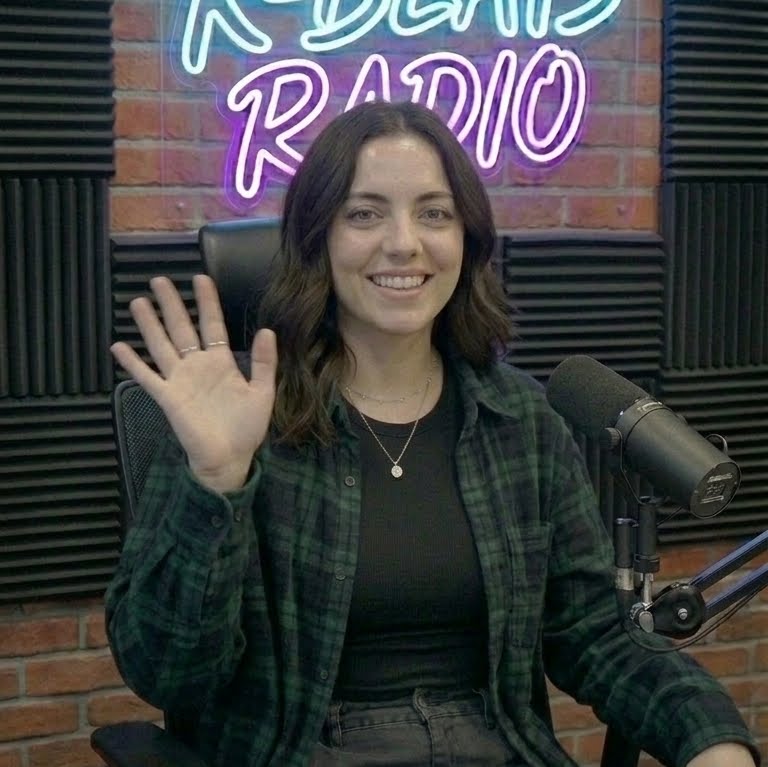
The most pivotal turn in this episode wasn't from Big Hit Music, but from the fan at the center of the interaction. Their response, succinctly captured in the phrase "How about you go touch some grass?" became a cultural rallying cry and masterclass in digital rebuttal.
"Touch Grass": More Than a Meme
This modern idiom, urging someone to engage with the real world, was a perfectly calibrated retort. It did several things at once: it refused to engage with the false premise on its own terms, it framed the accusers as chronically online and detached from reality, and it infused the conversation with dismissive humor that deflated the accusation's perceived seriousness. It shifted the discourse from "Did Jungkook do something wrong?" to "Why are these fans so unhealthily invested?"
The Power of the "Reasonable Fan" Voice
Often, extreme voices dominate online spaces due to their fervor. This fan's clapback galvanized the silent majority and reasonable segments of the fandom. It provided a simple, shareable mantra that allowed others to push back without writing lengthy threads. It demonstrated that the most effective defense of an idol can sometimes be a call for perspective, rather than a counter-attack within the same toxic framework.
Is This an Isolated Incident or an Industry-Wide Pattern?
While the BTS fandom's scale makes its internal conflicts uniquely visible, the underlying pathology is endemic. This "infidelity" framing is a specific symptom of a universal disease: the unsustainable intensity of fan-idol relationships in the 4th generation and beyond.
Parallels Across the Industry
We see variations constantly. It's in the "skill gap" debates where a member's performance is framed as "letting the group down," as dissected in The Giselle Paradox. It's in the shipping wars where members interacting with other idols sparks "betrayal" claims. It's in the hellscape of "birthday wars" where fandoms compete to prove devotion. The Jungkook incident is simply a more grotesquely literal manifestation of this ownership complex.
The Agency Dilemma: Profit vs. Protection
Labels face an impossible calculus. Directly and forcefully condemning this behavior risks alienating a segment of high-spending, deeply engaged fans. Yet, silence allows the toxicity to fester and can negatively impact artist mental health. Most opt for vague statements about "respect" or "malicious rumors," which rarely address the root cause. This creates a regulatory vacuum where fan courts operate with impunity. For more on how agencies navigate artist identity, see our piece on Mark Lee's NCT Crossroads.
How Can the Industry and Fandom Move Forward Healthily?
Resolving this paradox requires structural shifts from both the industry that profits from it and the fan communities that perpetuate it. The goal is not to eliminate fan passion, but to channel it away from pathological ownership and towards sustainable support.
Recommendations for Agencies & Artists
- Reframe the Narrative: Consistently message artist-fan relationships as a shared journey of art appreciation, not a simulated private relationship. Highlight fan support for creative output, not personal attachment.
- Set Digital Boundaries: While fan communication platforms are lucrative, their terms of use and community guidelines must explicitly prohibit possessive language and harassment, with consistent enforcement.
- Empower the Artist's Voice: Support artists who wish to speak directly about healthy boundaries, as some have begun to do. Their words carry more weight than any agency PR notice.
Actionable Steps for Fandom Communities
- Amplify Reasonable Voices: Share and uplift content that focuses on musical analysis, performance appreciation, and respectful support, like our analyses on Taeyong's collab or Billlie's album.
- Don't Feed the Trolls: Learn to identify and collectively ignore bait designed purely for engagement and outrage. Reporting and blocking are more effective than quote-retweet wars.
- Promote Real-World Connection: Encourage fan projects that translate online passion into positive action: charity drives, viewing parties, or local fan meet-ups that build community IRL.
Frequently Asked Questions (FAQ)
Q: Did Jungkook or Big Hit Music issue an official statement about this?
A: As of this writing, neither Jungkook nor Big Hit Music has issued a formal statement addressing this specific online controversy. The company's general policy is to take legal action against the spread of "malicious rumors," but they typically do not comment on every fan-driven narrative that emerges online.
Q: Is this type of "infidelity" accusation common in K-Pop?
A> The specific terminology of "infidelity" is an extreme and relatively recent linguistic escalation, but the underlying sentiment of possessive jealousy is sadly common. It frequently appears when idols interact with the opposite sex, have dating rumors, or even when they are perceived as being closer to one fan over another.
Q: Why don't idols just ignore these fans completely to avoid issues?
A> Ignoring fans entirely would defeat a core part of their job—audience engagement. Furthermore, rewarding only "good" behavior and ignoring "bad" behavior is a complex interpersonal strategy that is difficult to execute consistently on a massive scale. It also risks punishing the entire fanbase for the actions of a toxic minority.
Q: What's the difference between being a dedicated fan and being toxically possessive?
A> The line lies in expectation and entitlement. A dedicated fan supports the artist's work and career, celebrating their success. A toxically possessive fan feels they have a claim on the artist's personal and emotional life, viewing their support as a transaction that grants them control. The former centers the artist; the latter centers the fan's own emotional demands.
Q: How can I, as a fan, contribute to a healthier community?
A> Focus your energy on the art. Stream the music, analyze the performances, celebrate the achievements tracked on our Charts page. Engage with other fans about the creative output, not the idol's private life. If you see toxic behavior, use platform tools to report it, but avoid diving into draining arguments. Support fan spaces that prioritize respect and artistic discussion.
Conclusion & The Path Ahead
The Jungkook "infidelity" controversy is a canary in the coal mine for K-Pop's globalized fan culture. It exposes the dangerous fissures that appear when the commercialized fantasy of parasocial intimacy collides with the anarchic, amplifying power of social media. The fan's "touch grass" retort was a moment of clarity, but it is a temporary fix.
Long-term health requires a conscious, collective recalibration. The industry must have the courage to gently dismantle the very fantasies it sold, pivoting towards a model of respectful artistic partnership. Fandoms must use their formidable organizational skills to self-police and promote a culture of celebration over possession. For ongoing analysis of these evolving dynamics, keep reading our News page and deep dives into your favorite Artists.
The next chapter of K-Pop will be defined by how it manages this relationship. Will it continue to court the volatile intensity of ownership, or will it champion a new, sustainable model of fandom where love for the music and respect for the artist as a human being are not mutually exclusive? The choice, while complex, has never been more urgent.