
Speculation exploded after a prominent 4th generation female idol was spotted at a recent BTS concert, specifically fueling renewed whispers about a past, fleeting connection with V (Kim Taehyung). However, veteran industry analysts view this not as a confirmation of a relationship, but as a complex case study in modern K-Pop's rumor ecosystem. The real story lies in the calculated strategies of agencies, the psychology of fandom, and the cyclical nature of these narratives.
- The Initial Spark: What Exactly Was The "Sighting"?
- Not The First Time: A Timeline of Past Rumors & Associations
- The Agency Playbook: How Companies Handle (and Sometimes Fuel) Rumors
- Fandom on Fire: The ARMY & 4th Gen Fan Reaction Spectrum
- Beyond Hyuna & Dawn: A Brief History of K-Pop Dating Confirmations
- The Business of Speculation: Streaming, Branding, and the Bottom Line
- Your Burning Questions, Answered
The Initial Spark: What Exactly Was The "Sighting"?
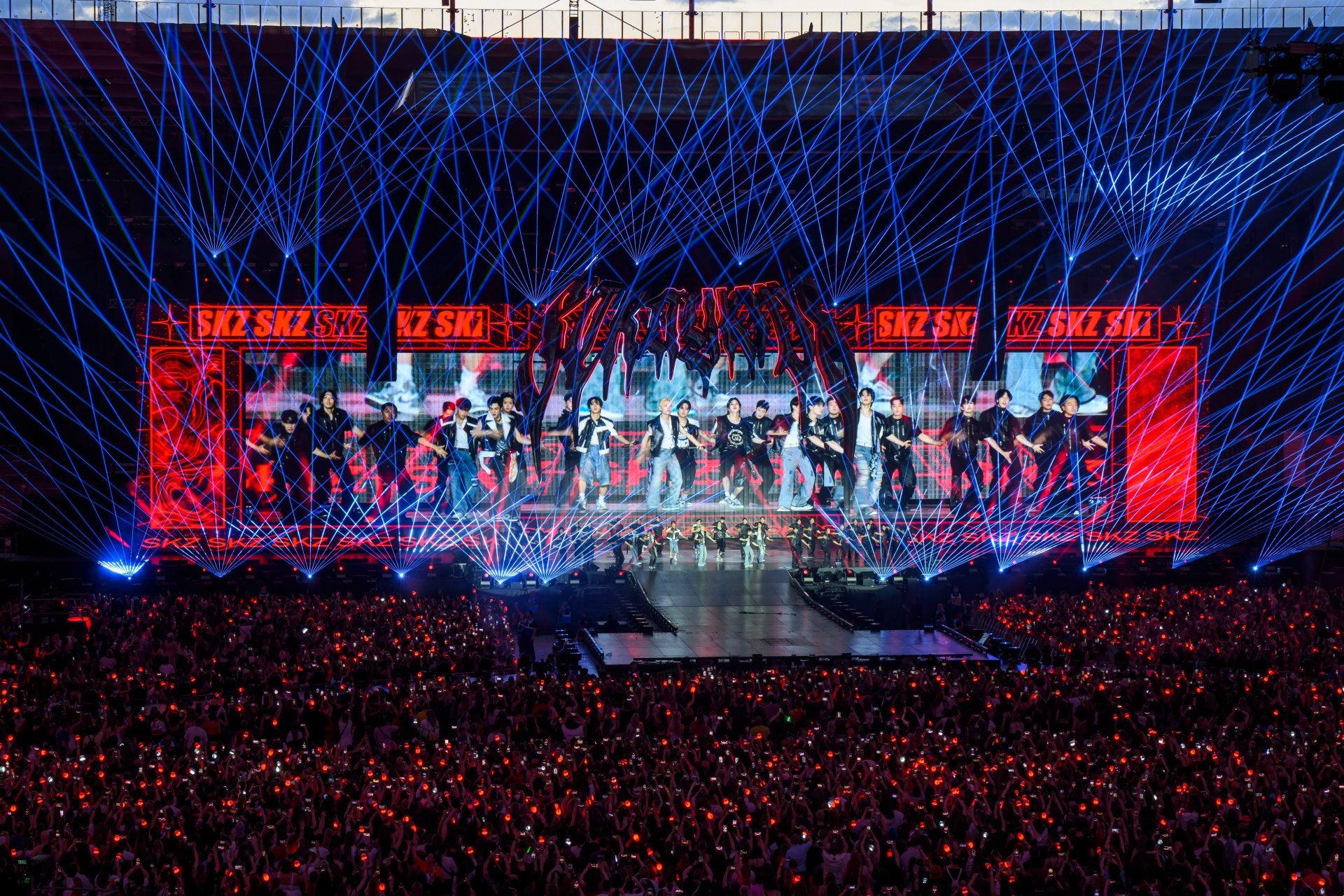
Unlike paparazzi-style hidden camera shots, this event unfolded in the very public, high-energy arena of a BTS concert. The idol in question was reportedly seen in a venue section often reserved for industry personnel, friends, and family.
The Anatomy of a Modern "Sighting"
In the age of super-fan cameras and real-time social media uploads, no attendee at a major concert is truly invisible. This sighting was propagated through a combination of fan-cam footage, blurry zoomed-in photos, and eyewitness accounts from other concertgoers on platforms like X (formerly Twitter) and Korean forums.
Context is Everything: Who Attends Whose Concerts?
Idols attending other idols' concerts is far from uncommon. It's a standard show of professional support and admiration within the industry. Groups like ATEEZ and Stray Kids are frequently seen at each other's shows, and senior artists often support juniors. The crucial difference here is the pre-existing layer of whispered history between the individuals, which frames an otherwise normal act in a suspicious light.
Not The First Time: A Timeline of Past Rumors & Associations
This incident did not occur in a vacuum. It reignited a low-burning flame of speculation that has surfaced periodically over the past few years, always carefully debunked or ignored by the involved agencies.
The Previous "Evidence" Cycle
Past rumor cycles have typically hinged on perceived similarities in social media aesthetics, highly speculative analysis of ambiguous interactions at year-end award shows, and the ever-present "friend of a friend" insider accounts. These patterns mirror the rumor lifecycle seen around many top idols, where coincidence and fan desire often weave compelling but unverified narratives.
The Strategic Silence
Neither HYBE nor the idol's agency has ever issued a formal statement regarding these specific rumors. This silence is a deliberate policy. As explored in our analysis of AI and publicity ethics, companies now weigh the cost-benefit of addressing every piece of gossip, often finding that a response only gives the story more oxygen.
The Agency Playbook: How Companies Handle (and Sometimes Fuel) Rumors
Entertainment agencies have a nuanced, multi-page strategy for managing dating rumors, ranging from aggressive legal action to strategic ambiguity.

Option 1: The Immediate & Forceful Denial
This is the traditional approach, often deployed via quick official statements. It's used for rumors deemed particularly damaging or completely baseless. The goal is to shut down the narrative before it gains mainstream traction and affects an idol's image or brand deals.
Option 2: The Strategic "No Comment"
More common with high-profile, plausibly-deniable rumors like this one, silence can serve multiple purposes. It avoids legal jeopardy from a definitive denial that might later be proven false, and it allows a certain mystique to persist. This ambiguity can, paradoxically, keep both artists in the conversation, generating measurable web traffic and search volume.
Option 3: The Controlled Narrative
Sometimes, agencies will use alternative channels to softly guide the story. They might have a friendly media outlet publish an article emphasizing the artists' professional relationship, or have the idols interact more publicly in a group setting to "normalize" their connection. This indirect method aims to diffuse speculation without ever directly acknowledging it.
Fandom on Fire: The ARMY & 4th Gen Fan Reaction Spectrum
The fan response to such rumors is never monolithic. It fractures into distinct, often conflicting camps, each interpreting the "evidence" through its own lens.
Fan Faction Typical Reaction Common Platform for Expression Primary Concern The Protective ARMY Aggressive denial, reporting "false news" posts, highlighting BTS's right to privacy. X (Twitter), Weverse Shielding BTS members from perceived harassment or distracting narratives. The 4th Gen Idol's Defenders Emphasizing her independent career, frustration over her being reduced to a "rumor." Instagram, Fancafe Maintaining her artistic credibility and achievements outside of any gossip. The "Proof" Analysts Frame-by-frame analysis of videos, compiling "timelines," and dissecting past interactions. Online forums (Nate Pann, DC Inside), TikTok Finding and validating a hidden "truth" within the available data. The Casual Observers "If it's true, good for them," focus on the music, mild curiosity. YouTube comments, Reddit r/kpop Entertainment value with low emotional investment.Beyond Hyuna & Dawn: A Brief History of K-Pop Dating Confirmations
To understand the weight of these rumors, one must look at the rare instances where dating was confirmed, and the seismic impact those confirmations had.
The "Scandal" Era
Historically, confirmed dating news was treated as a career-threatening "scandal." Agencies would issue apologies, and idols would sometimes be temporarily pulled from promotions. The underlying assumption was that an idol's "availability" was a core part of their marketability to fans.
The Paradigm Shift
The brave confirmation by Hyuna and Dawn (then of Pentagon) in 2018, against their agency's wishes, marked a turning point. While it led to their departure from Cube Entertainment, it also garnered massive public support and began to change the conversation. It proved a dedicated fanbase could and would support artists in real relationships.
The Modern, Muted Approach
Today, confirmations are often handled quietly—a brief agency statement acknowledging a relationship built on "good friendship," followed by a request for privacy. The focus has shifted from apology to simple acknowledgment, as seen with couples like Crush and Joy (Red Velvet). The fallout is now less about morality and more about managing the practical fandom and media frenzy.
The Business of Speculation: Streaming, Branding, and the Bottom Line
Beyond gossip columns, these rumors have tangible effects on charts, brand value, and corporate strategies.
The "Rumor Bump" on Streaming Charts
A curious phenomenon often occurs: the discographies of both involved artists see a sudden, if temporary, spike in streaming numbers. New and casual fans search for their music out of curiosity, leading to increased chart positions. This mirrors the attention-driven economy analyzed in pieces like our look at K-Pop's acting crossover strategies.
Brand Safety vs. Relevance
For endorsement deals, the calculus is delicate. Brands favoring a "clean," controversy-free image may pause negotiations. Conversely, brands targeting a younger, more socially progressive demographic might see the increased buzz as valuable, provided the narrative remains more "celebrity intrigue" than negative scandal.
Agency Stock Fluctuations
In extreme cases involving top-tier idols, even unconfirmed rumors can cause minor, short-term fluctuations in the stock prices of publicly traded agencies like HYBE or SM. It's a stark reminder that in K-Pop, perception and narrative are directly tied to financial valuation.
Your Burning Questions, Answered
Let's address the most common queries surrounding this ongoing situation.
Why don't their agencies just sue for defamation?
Korean defamation laws are strict, but winning a case requires proving malicious intent and falsehood. Proving a rumor is 100% false is legally challenging. Often, the cost and protracted public spectacle of a lawsuit outweigh the benefits, leading agencies to choose other methods.
Could this be a deliberate publicity stunt?
While possible, it's highly improbable for artists of this stature. The risk of fan backlash far outweighs any short-term buzz. BTS and established 4th gen groups generate headlines through their art, not tabloid gossip. Stunt tactics are more associated with pre-debut or struggling acts seeking any attention.
How do insiders (managers, stylists) keep things secret?
Through stringent non-disclosure agreements (NDAs) and a culture of intense loyalty. An idol's inner circle is small, vetted, and their careers are often interdependent with the idol's success. A leak can mean professional ruin, as explored in the context of artist-agency trust dynamics.
Has this affected the idol's group activities?
As of now, there has been no disruption to official schedules, comebacks, or group promotions for either party. This is a key indicator that agencies are not treating the rumor as a crisis-level event.
Where can I find reliable updates, not just rumors?
Stick to official sources: agency statements on Weverse, Fancafe, or official SNS. For analysis, follow established news outlets and avoid forums dedicated solely to "shipping" or rumor-mongering. You can always track official movements via our Charts page for music releases and our News page for confirmed updates.
Conclusion: The Narrative is the Product
This concert sighting and the ensuing rumor cycle are less about a potential relationship and more about the K-Pop industry's complex relationship with narrative itself. In an ecosystem driven by attention, even unconfirmed stories generate engagement, debate, and metrics. For the agencies, the challenge is managing this narrative without letting it define the artists. For the fans, it's a test of focusing on the music versus the mythology.
The ultimate takeaway is that in today's K-Pop landscape, the line between private life and public narrative is perpetually blurred. The true skill for artists like V and this 4th gen idol is navigating this terrain while allowing their professional work—the music, performances, and artistry—to remain the primary story. As we've seen with major shifts like group member changes, the industry evolves, but the fan's role in shaping an idol's story remains more powerful than ever.
What to do next? Instead of dissecting blurry photos, dive into the artists' official work. Revisit V's solo project 'Layover', or explore the latest comeback from the 4th gen idol's group. Support the art that is undeniable, rather than the rumors that are not. For more deep dives into the strategies and stories shaping K-Pop, explore our full library of artist profiles on our Artists page.