
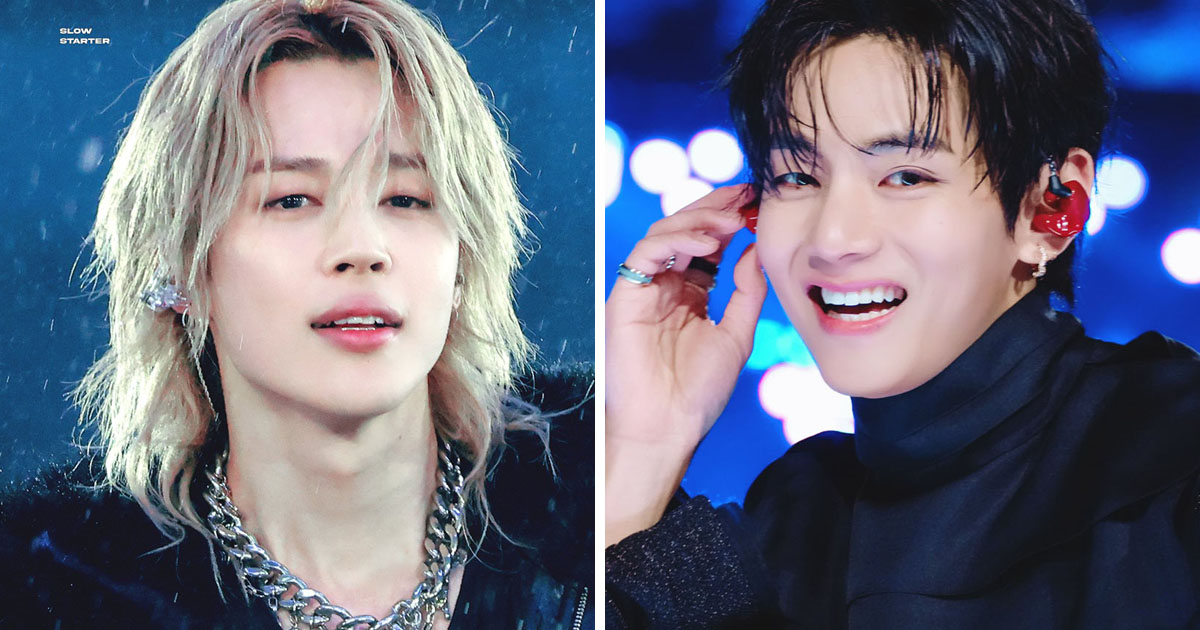
While online polls like the recent one from Koreaboo spark passionate debate, a definitive answer on BTS's best live vocalist requires a deeper, technical analysis of their historic "ARIRANG" tour performances. Based on extensive review of concert footage, expert vocal coaching principles, and audience reports, Jung Kook demonstrates the most consistent and technically proficient live vocals night after night, serving as the group's primary vocal anchor. However, the true magic lies in how V, Jimin, and Jin each bring uniquely irreplaceable colors and emotional depths to the live stage, creating a holistic vocal spectacle no poll can fully capture.
- The Vocal Anchor: Jung Kook's Technical Consistency
- The Emotional Core: Jin, Jimin, and V's Unique Colors
- The Rap-Line Vocal Evolution: More Than Just Rhymes
- What Defines "ARIRANG" Tour Vocals?
- Beyond Technique: The Intangible Stage Alchemy
- BTS Live Vocal FAQ
The Vocal Anchor: Jung Kook's Technical Consistency
In any major touring act, stability is paramount. Jung Kook's role in BTS has evolved into that of a primary vocal pillar, a responsibility he shoulders with remarkable technical assurance throughout the ARIRANG setlist.
Stamina and Support: The Marathon Runner
The ARIRANG tour is a physical and vocal marathon. Jung Kook’s ability to maintain vocal integrity from the high-energy opening numbers to the poignant final ballads is his standout trait. His breath support remains robust, allowing for sustained notes in tracks like "Spring Day" and powerful belts in "Dynamite" even during complex choreography. This isn't accidental; it's the result of years of disciplined training and an innate understanding of how to pace himself across a three-hour show.
Adaptability Across Genres
The tour's setlist is a genre-hopping journey. Jung Kook seamlessly transitions from the smooth R&B runs in "My Time" to the rock-inspired rasp in "Burning Up (FIRE)" and the pristine pop tones of "Butter." This vocal flexibility ensures the group's sonic cohesion regardless of the musical direction, making him the reliable center the other members can orbit.
Live Versus Studio: The Minimal Gap
For many idols, the studio version is a polished ideal. For Jung Kook on this tour, the live version often adds a layer of raw, breathy emotion that the studio track intentionally smoothes over. His ad-libs and improvisations, particularly in his solo stages, are not just repetitions but spontaneous emotional extensions of the song, showcasing confidence and live mastery. This mirrors the artistic growth we analyzed in tracks like "BTS - SWIM (Spring Waves Remix)", where live vocal color defines the performance.
The Emotional Core: Jin, Jimin, and V's Unique Colors
If Jung Kook provides the canvas, Jin, Jimin, and V are the vivid, essential paints. Judging them solely on technical power misses the point of their monumental contribution to BTS's live soundscape.
Jin: The Power Ballad Heart
Kim Seokjin’s voice is the emotional crescendo of the concert. His clear, resonant tenor, often described as "silver" or "crystalline," cuts through the stadium with breathtaking clarity. In ballads like "Epiphany" and the group's "ARIRANG" reinterpretation, his voice carries a weight of sincerity that transcends language. His focus on steady, emotive delivery over flashy runs creates moments of profound collective catharsis for the audience.
Jimin: The Expressive Instrument
Park Jimin’s vocals are the definition of high-risk, high-reward artistry. His signature feather-light falsetto and emotionally charged head voice are utterly unique in K-Pop. When connected, as in the haunting "Filter" or the climax of "Serendipity," it creates an ethereal, spine-tingling effect. His vocal performance is inextricably linked to his dance, each movement informing the breath and intensity of the note, making his live act a holistic piece of performance art.

V: The Baroque Texture
Kim Taehyung’s baritone is the rich, dark wood that grounds BTS's vocal harmony. Its distinctive, soulful timbre adds depth and sophistication, especially in jazzy or R&B-influenced tracks like "Singularity." His live strength lies in theatrical delivery and stylistic nuance—the subtle growl, the playful swing, the smoky lower register. He doesn't just sing the notes; he embodies the mood of the song, offering a completely different, yet vital, form of vocal "power."
Member Primary Vocal Role in Live Show Technical Hallmark Signature ARIRANG Tour Moment Jung Kook Vocal Anchor & Stabilizer Stamina, Consistent Support, Genre Adaptability Belting the final chorus of "Dynamite" while executing full choreography. Jin Emotional Climax & Ballad Heart Clear, Resonant Tenor, Steady Long Tones The key change and sustained note in the live arrangement of "Epiphany." Jimin Expressive Color & Artistic Risk-Taker Falsetto/Head Voice Control, Dance-Integrated Delivery The intricate ad-libs and transitions in the live version of "Filter." V Textural Depth & Stylistic Nuance Baritone Timbre, Phrasing & Theatricality The sultry, seated rendition of "Singularity" with live band interplay. RM, SUGA, j-hope Rhythmic Foundation & Surprising Melody Stable Live Singing, Enhanced Melodic Rap, Crowd Engagement Harmonizing and singing full choruses in anthems like "Spring Day."The Rap-Line Vocal Evolution: More Than Just Rhymes
The ARIRANG tour has made one thing abundantly clear: the BTS rap line—RM, SUGA, and j-hope—are now formidable all-round vocal presences. Their contributions go far beyond rap verses.
Singing Chorus Duties and Harmonizing
Gone are the days where the rappers only handled verses. In the tour's live arrangements, they actively shoulder melodic chorus parts, particularly in older tracks and anthems like "I NEED U" and "Spring Day." Their ability to blend into the vocal line's harmonies adds a new layer of richness and demonstrates their comprehensive musicality. This evolution reflects a broader industry trend where roles are becoming more fluid, a topic we've explored in analyses like "Beyond The Ranking: The April Boy Group Member Brand Reputation Shakeup Decoded".
Stability and Emotional Delivery
Each rapper brings a distinct singing tone: RM's warm and grounded baritone, SUGA's fragile and emotive rasp, and j-hope's bright, energetic tenor. When they step to the mic for a singing part, they do so with striking stability and emotional conviction, proving their skills are honed, not incidental. Their solo stages further cement this, with each embracing full-fledged singing in their respective genres.
What Defines "ARIRANG" Tour Vocals? The Key Factors
Assessing live vocals requires looking at multiple criteria beyond just "who hits the highest note." The ARIRANG tour environment introduces specific challenges and opportunities.
The Stadium Acoustics Challenge
Singing in a massive, often open-air stadium is fundamentally different from a studio or small hall. Vocalists must project without straining, combat environmental factors like wind, and rely on monitor systems that can be inconsistent. The ability to stay in pitch and maintain tone amidst these variables is a critical skill separating good live singers from great ones.
Choreography Integration
BTS's performances are dance-intensive. The skill of core engagement and breath control while moving is paramount. A note sung while leaping or during a floor sequence has a different technical requirement than one sung standing still. This is where years of training become evident, as the members manage their air flow to prevent voice cracking or shortness of breath.
Live Band Versus Backing Track
The ARIRANG tour's use of a live band changes the vocal game. Singers must listen and adapt to the organic ebb and flow of the musicians, which can vary slightly each night. This demands acute musical listening and the ability to adjust phrasing or timing on the fly—a mark of a truly seasoned performer.
Beyond Technique: The Intangible Stage Alchemy
Raw technical skill is measurable, but the magic of a BTS concert lives in the intangible chemistry and individual charisma that elevate the vocals.
Vocal Chemistry and Harmonies
The way the members' voices blend is a product of over a decade together. Their ad-libs overlap intuitively, their harmonies lock in seamlessly, and they often play off each other's energy, boosting the overall vocal power. This synergy cannot be replicated and is a huge part of the live experience's appeal.
Stage Presence and Mic Technique
How a performer uses the microphone and commands the stage affects vocal perception. A member who knows how to work the mic for intimate moments or project for huge belts, coupled with captivating stage presence, makes their vocal performance *feel* more powerful and engaging to the audience, regardless of the fundamental frequency.
The "It" Factor: Connecting With ARMY
Finally, there is the ineffable connection with ARMY. The feedback loop of energy—the crowd's roar fueling the singers' confidence—leads to those legendary, unexpected vocal moments. A note held longer, a run improvised with more flourish, a tear-infused crack that makes the moment more real. This emotional truth often resonates more deeply than flawless execution.
BTS Live Vocal FAQ
We answer the most common questions arising from debates and polls about BTS's live singing.
Who has improved the most vocally since debut?
While all members have shown astronomical growth, j-hope and SUGA present the most transformative journeys. From primarily rapping, both now confidently deliver stable, emotionally charged singing passages in group songs and their own solo work, showcasing dedicated vocal training.
Does BTS use live AR (Augmented Reality) vocals or lip-sync on tour?
For the vast majority of the ARIRANG tour setlist, BTS sings live with a supporting backing track that contains harmonic layers and, during intense choreography, some guide vocals. The live mic feed is always predominant. Their breath sounds, ad-lib variations, and occasional imperfections are the clearest proof of authentic live performance.
How does the tour setlist affect vocal performance?
The setlist is strategically crafted for vocal pacing. High-energy dance tracks are interspersed with solo stages or unit songs that allow specific members to rest their voices. This intelligent sequencing is key to maintaining quality throughout the tour and across multiple concert dates.
Are their live vocals better now than in earlier tours?
Yes, overwhelmingly. Experience is the greatest teacher. Their voices have matured, their technique has refined through consistent training, and their confidence in handling live stadium environments has grown. They now possess both the skill and the artistic wisdom to deliver more nuanced and powerful live vocals than ever before.
Where can I find official live vocal recordings from the tour?
Official live albums and concert films, such as the anticipated "ARIRANG: LIVE IN SEOUL" release, are the best sources for high-quality audio. Follow our News page for official announcements regarding concert film releases and live album drops.
How do BTS's live vocals compare to other top 4th Gen boy groups?
BTS, as senior artists, set a benchmark for stadium-ready live performance that combines vocals, dance, and production scale. While phenomenal 4th Gen groups like BOYNEXTDOOR (whose latest release we covered here) focus on tight live singing, BTS's specific challenge and achievement lie in maintaining vocal quality across a decades-deep discography and in the world's largest venues—a testament to their unique position in the industry.
The Final Verdict: A Symphony, Not a Solo
Returning to the initial poll question, the search for a single "best" vocalist in BTS is, ultimately, a reductive pursuit. The ARIRANG tour is a masterpiece of vocal ensemble work. Jung Kook is the undisputed technical keystone, the reliable force that allows the riskier, more coloristic artistry of Jimin, V, and Jin to shine without jeopardizing the show's sonic foundation. Meanwhile, the rap line’s vocal integration adds yet another dimension of completeness.
This delicate, powerful balance is what makes a BTS concert legendary. Instead of picking one, appreciate the symphony. Dive deeper into each member's artistic journey on our Artists page, and explore how this level of live prowess sets a standard in an industry where longevity is rare, as discussed in our analysis of "The Final Curtain Call: Decoding NOVA's Disbandment." The true answer isn't in a poll result; it's in the collective gasp of a stadium hanging on every note they create together.