
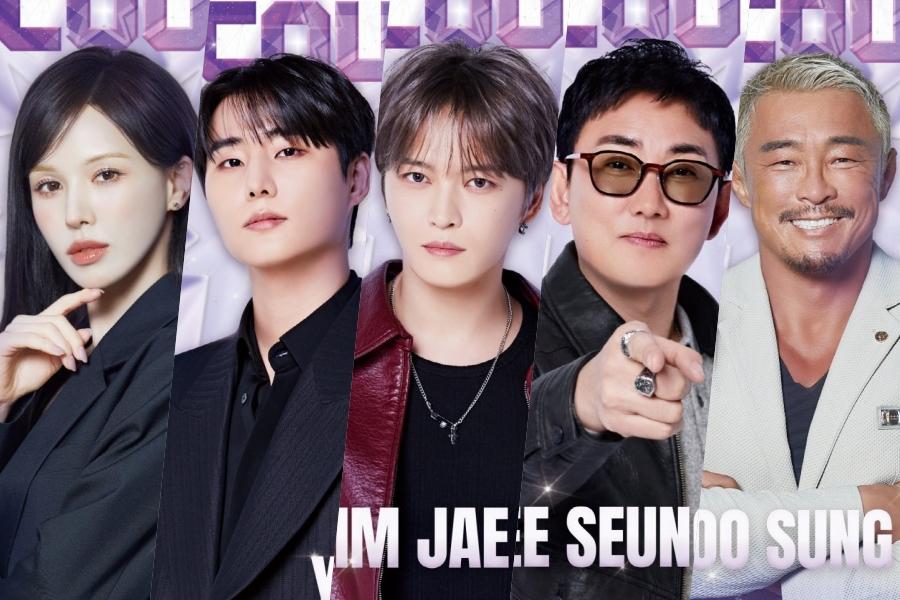
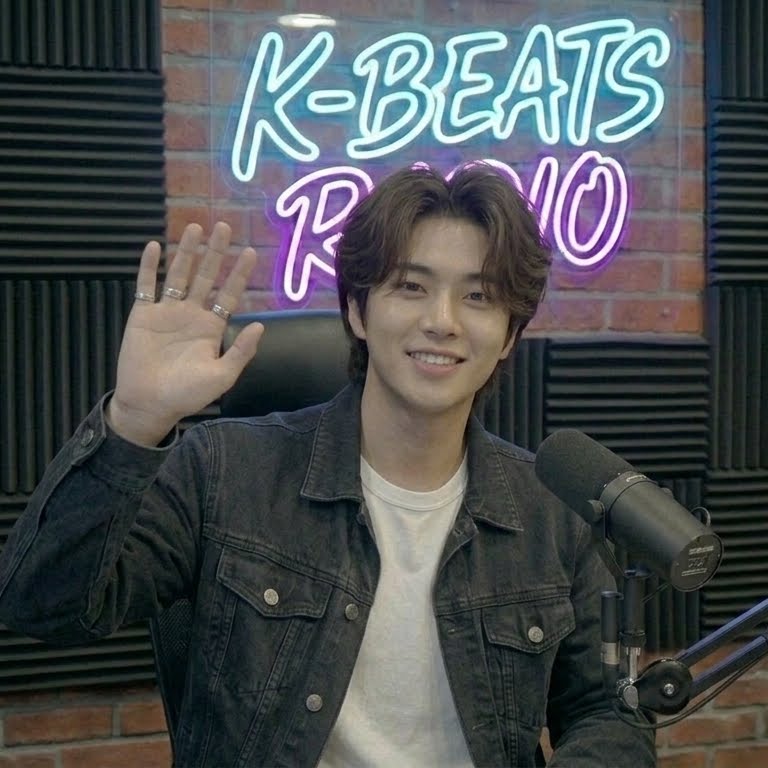
The announcement of ENA's new audition program "The Scout" and its formidable master lineup—Wendy (Red Velvet), Young K (DAY6), Kim Jae Joong (JYJ), Lee Hae Ri (Davichi), and Dynamicduo—has sent ripples through the K-Pop industry. This is not merely another survival show casting popular faces for ratings. It is a meticulously curated statement of intent. The selection of these five individuals, each a titan in their specific domain, signals a potential paradigm shift: a move away from the high-drama, public-vote-centric spectacles of the past decade and toward a model that prioritizes artistic integrity, genre-spanning expertise, and genuine mentorship. This article delves deep into the strategic implications of this lineup, predicts the show's innovative format, and analyzes its potential to permanently alter the blueprint for discovering K-Pop's next generation.
- Decoding "The Scout's" Master Lineup
- What We Know (And Predict) About The Show's Format
- How "The Scout" Could Reshape The K-Pop Audition Landscape
- A Deep Dive Into Each Master's Unique Value
- How "The Scout" Compares to Past Audition Programs
- Frequently Asked Questions About "The Scout"
What Does "The Scout's" Master Selection Reveal About Its Strategy?
The casting of a survival/audition show's panel is its first and most critical creative decision. It establishes the show's credibility, target audience, and core values. For "The Scout," ENA has executed a masterstroke, assembling a panel that functions less like a judging committee and more like a board of directors for a new artistic venture. Each member fills a crucial, non-overlapping niche, covering the full spectrum of modern Korean pop music with unimpeachable authority.
Prioritizing Artistic Credibility Over Pure Star Power
While all five masters possess significant fame, their selection is fundamentally rooted in recognized, peer-respected technical skill and career longevity. This is a direct counter to panels featuring celebrities whose expertise may be more tangential to performance. Wendy is not just a Red Velvet member; she is a vocal standard-bearer, known for her technical proficiency, stability in live settings, and versatile tone that has defined SM Entertainment's vocal legacy for the 3rd generation. Young K transcends his idol-band member role in DAY6; he is an accomplished songwriter and composer with the Korea Music Copyright Association (KOMCA) credits, offering a rare bridge between idol performance and band-oriented musicality. Kim Jae Joong provides living history—a performer who survived and thrived through the 2nd generation's peak, the seismic industry shifts of the JYJ lawsuit, and has maintained a fervent fanbase for over 15 years through sheer stage presence and artistic reinvention. This focus on demonstrable skill suggests "The Scout" will market itself on authenticity and quality training, appealing to an audience weary of manufactured narratives, a shift mirrored by veterans like Sandara Park who champion enduring artistry over fleeting trends.
Covering the Full Musical Spectrum: A "Whole Artist" Approach
The lineup’s genre diversity is its most revolutionary aspect. It spans:
- Mainstream Idol Pop (Wendy): SM Entertainment's precision, concept execution, and group synergy.
- Idol-Band & Songwriting (Young K): Live instrumentation, lyricism, and artist identity.
- Legendary Stagecraft & Longevity (Kim Jae Joong): Fan connection, performance intensity, and career resilience.
- Pure Vocal Mastery & Ballad (Lee Hae Ri): Emotional delivery, vocal color, and success in the general public's music market.
- Foundational Hip-Hop & Production (Dynamicduo): Flow, rhythm, studio production, and underground credibility.
What Can We Expect From "The Scout's" Format and Rules?
While official details remain under wraps, the terminology of "scout" and the specific master lineup provide a robust foundation for educated predictions. The format will likely be engineered to leverage their expertise actively, not just reactively.
The "Scout" Metaphor and Probable Game Mechanics
The title "The Scout" implies a proactive, talent-seeking mission. We can anticipate several format innovations:
- Master-Specific Missions: Each master might be given a budget or a quota to "scout" contestants from initial auditions, perhaps based on their specialty. For example, Dynamicduo could be tasked with finding the top 5 rappers, while Wendy scouts the top 5 vocalists. This creates immediate narrative investment from the masters and positions them as competitive team builders.
- The "Offer" System: Contestants who impress multiple masters could receive multiple "scout offers," allowing the trainee some agency in choosing their primary mentor. This reverses the typical power dynamic and adds a strategic layer for contestants.
- Resource-Based Competition: Masters might earn resources (e.g., studio time, songwriting credits, featuring opportunities with established artists) for their teams based on mission wins, which they can then invest in their scouts' development.

Beyond Elimination: A Focus on Development and Song Craft
With masters like Young K and Dynamicduo who are prolific creators, the show will likely integrate original song creation from an early stage. Instead of just performing covers or pre-existing songs, teams might be tasked with co-writing and producing their mission pieces with their master's guidance. This shifts the narrative from "who is the best performer?" to "who can become the best artist?" The focus becomes the transformative process of mentoring—the journey from raw talent to polished performer—akin to the creative genesis explored in our analysis of NMIXX's "Heavy Serenade". Eliminations may still exist, but the drama could stem from the loss of a developing artist a master has invested in, rather than just the shock value of a vote tally.
Why "The Scout" Could Be a Turning Point for K-Pop Auditions
The survival show format, while incredibly successful, is suffering from profound fatigue and credibility issues. "The Scout" enters this landscape not as a copycat, but as a potential corrective, addressing core criticisms head-on.
Addressing the "Produce" Series Legacy and Rebuilding Trust
The vote-manipulation scandals of the "Produce 101" series fundamentally broke viewer trust in the fairness of public-vote-driven systems. "The Scout," by placing respected artists at the center of the selection process, offers a new credibility model. Authority is shifted from invisible producers and easily manipulated text votes to the visible, reputational capital of the masters. A contestant advancing because "Wendy believes in their vocal potential" or "Dynamicduo sees a unique flow" carries a weight of artistic validation that a simple vote number lacks. This rebuilds a foundation of trust based on perceived expert merit.
Shifting from "Manufactured" to "Cultivated" Narratives
Traditional shows often rely on prefabricated storylines: the "all-rounder," the "hardworking underdog," the "visual center." "The Scout," with its master-led scouting, inherently generates organic narratives. The story becomes the master's eye for talent and their subsequent teaching process. How does Kim Jae Joong instill stage presence? How does Lee Hae Ri pull deeper emotion from a singer? This narrative of cultivation aligns with a growing fan desire to understand and appreciate the artistry behind the performance, moving away from the "fast fashion" model of group creation. This philosophy echoes the innovative, process-driven approaches seen in projects like ARISE - RE:BOOT.
Potential for a New Business Model
If successful, "The Scout" could pioneer a new business structure for project groups. Instead of being managed by a single agency, the final group(s) could operate under a special consortium or a joint venture influenced by the masters' respective agencies (SM, JYP-affiliate, Amoeba Culture, etc.). This would distribute risk and benefit, and potentially give the artists more creative leverage, as they are not beholden to a single company's in-house producers.
What Unique Expertise Does Each Master Bring to the Table?
The true genius of the lineup is in its complementary specialization. Each master addresses a critical pillar of a successful modern music career.
Master Primary Expertise Contestant Value Industry Perspective & Legacy Wendy (Red Velvet) Technical Vocals, Idol Performance Precision, Group Harmony, Adaptive Concepts Mastering vocal stability while dancing, expressing diverse concepts (from "Psycho" to "Power Up"), understanding one's role within a complex group vocal arrangement, SM's famous "detail-oriented" performance style. Represents the pinnacle of 3rd generation idol vocal training. Offers insight into maintaining top-tier status in a major agency for nearly a decade, navigating both group and solo success. Young K (DAY6) Songwriting & Composition, Live Band Performance, Lyricism, Artist Identity, English Lyric Craft Developing a personal point of view through music, translating emotion into lyrics, understanding song structure, building a connection with an audience through live musicality (not just choreography), navigating the idol-band hybrid space. Embodies the "idol-as-musician" movement. Provides a crucial bridge between the idol industry and the respected singer-songwriter/band scene, offering credibility and a path for artistic sustainability. Kim Jae Joong (JYJ/TVXQ) Iconic Stage Presence, Longevity, Fan Communication, Navigating Industry Adversity, Solo Artistry Commanding a stage of any size, creating memorable performance moments ("mic stand" artistry), building and maintaining a dedicated fanbase over decades, handling extreme pressure and public scrutiny, reinventing one's musical color. A living legend and 2nd generation pioneer. His experience spans peak Hallyu, contractual battles that changed industry norms, military service, and a sustained solo career. He offers wisdom on survival and relevance. Lee Hae Ri (Davichi) Emotional Vocal Delivery, Ballad & OST Mastery, Duo Dynamics, Sustained Public Appeal Cultivating a distinctive and moving vocal color, conveying deep emotion without choreography, achieving chart success with the general public (not just fandom), mastering harmony and partnership in a duo setting. Represents mainstream Korean music success beyond the idol system. Her expertise is in timeless vocal skill that appeals to the broader domestic market, a crucial skill for any artist's long-term viability. Dynamicduo (Gaeko & Choiza) Hip-Hop Production, Rap Technique & Flow, Studio Craft, Swagger & Authenticity, Label Management Technical rap skills (breath control, flow, diction), writing impactful verses, understanding beat selection and production, developing confident stage persona rooted in hip-hop culture, independent artistry. Founding figures of the modern Korean hip-hop scene through their label Amoeba Culture. They bring underground credibility, production know-how, and an understanding of building a brand outside the major idol agency system.The Collective Power of the Panel: A Holistic Academy
Imagine a contestant's journey: they receive foundational vocal technique from Wendy, who then advises them to work with Young K to write a bridge that better showcases their tone. Kim Jae Joong helps them own the stage performance of that song, while Lee Hae Ri coaches them on connecting emotionally to the lyrics. For the rap section, Dynamicduo refines their delivery. This isn't judging; this is a bespoke artist development program televised. No previous show has offered this level of integrated, high-caliber mentorship across all essential disciplines in one place.
How Does "The Scout" Compare to Previous K-Pop Survival Shows?
Contextualizing "The Scout" within the evolution of the genre reveals its distinct positioning.
Moving Beyond the "Produce 101" Blueprint: Expertise vs. Popularity
Shows like "Produce 101," "Girls Planet 999," and "Boys Planet" operated on a mass-scale, fan-vote-driven model. The primary goal was to identify trainees who fit a popular idol mold (visual, charm, edit-friendly personality) and could gather a fanbase. Musical skill was often secondary to narrative. "The Scout" flips this script. By giving masters significant agency, the primary filter becomes artistic potential and skill. This could lead to the selection of trainees who are exceptional musicians or performers but might not have fit the visual or personality "type" of past shows, resulting in a more diverse and musically robust final lineup.
Learning from Niche Successes: Blending Idols with "Superband" Ethos
Shows like JTBC's "Superband" and "Vocal Play" (Sing Again) proved there is a massive audience for programs that highlight raw musicianship, collaboration, and song interpretation. However, they largely existed outside the idol ecosystem. "The Scout" appears to be a conscious attempt to blend the idol framework—performance, concept, group formation—with the musicianship-first ethos of these shows. It aims to capture the idol fanbase while appealing to music purists who have avoided survival shows in the past.
The Mentor vs. Judge Dichotomy: Investment Changes the Dynamic
In shows like "K-Pop Star" or "The Voice of Korea," panelists are judges and coaches, but their investment often ends after the season. In "Produce"-style shows, trainers are often agency employees with limited decision-making power. "The Scout" frames its masters as "scouts"—the discoverers and primary architects of the talent. This proactive role, especially if paired with a resource-competition format, fosters a deeper, more vested interest in their contestants' success. For the viewer, it transforms the relationship from cold evaluation to passionate apprenticeship, which is far more compelling to watch.
Frequently Asked Questions About "The Scout"
When will "The Scout" premiere and how long will the season run?
An official premiere date is pending, but with teaser materials released in mid-April, a late May or early June 2026 premiere on the ENA channel is highly plausible. Given the depth of mentorship proposed, the season will likely run for a standard 10-12 episodes, possibly with a pre-show introductory episode detailing the masters' scouting philosophy.
Will there be global voting or a global version?
The initial phases are expected to be master-driven to establish the show's core credibility. However, for the final group selection and to ensure market viability, a moderated voting system will almost certainly be introduced in the latter stages. This could take a hybrid form—e.g., master evaluations account for 70% of a contestant's score, with global fan votes making up the remaining 30%. A global version is possible if the Korean original succeeds, potentially with localized masters.
What agencies are the masters from, and does that matter?
The diversity is strategic: Wendy (SM Entertainment), Young K (STUDIO J, under JYP Entertainment's umbrella), Kim Jae Joong (iNKODE, his own company), Lee Hae Ri (R&B Company), and Dynamicduo (Amoeba Culture, which they co-founded). This prevents the show from being perceived as a recruitment tool for any one mega-agency (a criticism leveled at some past shows). It genuinely represents a cross-industry collaboration.
Is this a show for soloists or groups? What's the final goal?
The master selection, heavy with group experience (Wendy, Kim Jae Joong, Davichi, Dynamicduo as a duo), strongly indicates the end goal is to form one or more project groups. These groups would likely debut for a promotional period (e.g., 1-2 years) under a special contract. The show may even experiment with forming different units for different concepts (a vocal unit, a hip-hop unit, a band unit).
How can I watch "The Scout" internationally?
ENA is under CJ ENM, which has extensive global distribution networks. The most likely platforms for international streaming are Viki (which has a strong partnership with CJ for variety content) or Netflix (which has licensed CJ's "Single's Inferno" and other shows). Kocowa is another possibility. Official partners will be announced closer to the premiere.
Does this show connect to existing K-Pop industry issues?
Yes, profoundly. It directly engages with issues of:
- Artistic Development vs. Fast Fame: By focusing on mentorship, it promotes a more sustainable model.
- Fairness: It seeks to move past voting scandals by emphasizing expert evaluation.
- Mental Health: Having masters like Kim Jae Joong and Wendy, who have spoken about industry pressures, could foster a more supportive on-set environment, though the pressure of television remains. The show will be scrutinized to ensure it doesn't perpetuate the same harsh conditions analyzed in pieces on industry pitfalls like The Shadow Network.
Conclusion: A Scouted Future
"The Scout" is poised to be more than just another audition show; it is a compelling experiment in re-engineering the talent discovery pipeline. Its master lineup is a deliberate manifesto: quality, diversity, and deep artistic mentorship are to be placed at the forefront. By leveraging the specific, hard-won expertise of Wendy, Young K, Kim Jae Joong, Lee Hae Ri, and Dynamicduo, it has the potential to forge artists with a stronger sense of identity, skill, and resilience than many cookie-cutter survival show graduates.
The success or failure of this experiment will send a powerful message to the industry. If it resonates, it could encourage a wider shift towards models that value sustainable talent cultivation over rapid, disposable manufacturing. It represents a fascinating convergence of K-Pop's past (Jae Joong's legacy), present (Wendy and Young K's active peak), and future (the artists it will create), all masterminded by some of its most respected figures. For the latest updates on this show and all breaking K-Pop news, keep your eyes on our News page, and to explore the careers of existing artists shaping the industry, visit our Artists page. As the global influence of K-Pop continues to grow, evidenced by cultural milestones like Jennie Kim's recognition, the methods for discovering and nurturing its next stars must evolve. "The Scout" may well be the blueprint for that necessary evolution.