
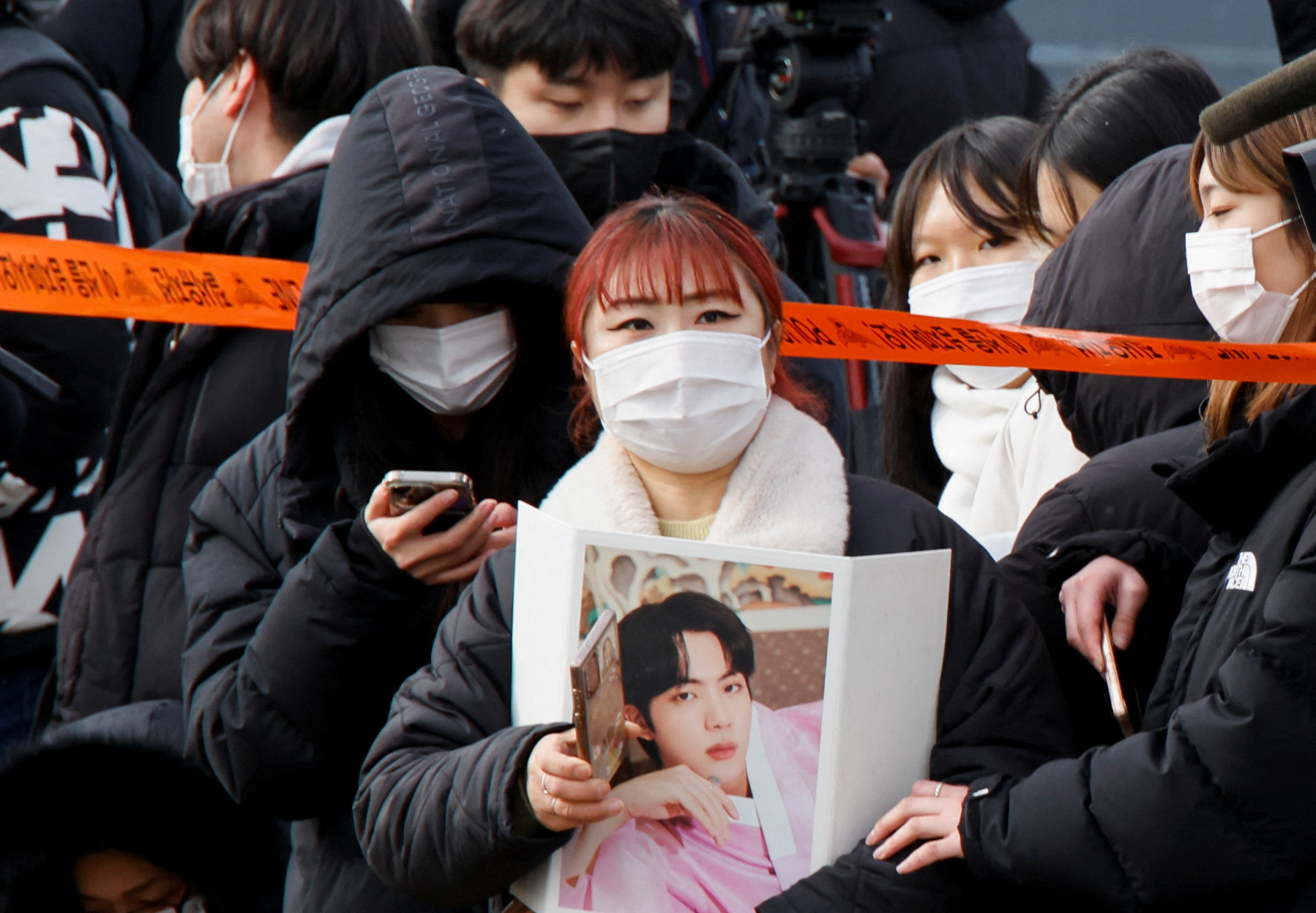

In a whirlwind 24 hours that highlighted the intense anxiety surrounding mandatory military service, fans of a top-tier boy group were sent into a tailspin by reports of a sudden, unexpected "re-enlistment." This article breaks down exactly how the false story spread, why the reaction was so visceral, and what it teaches us about the precarious information ecosystem K-Pop fandoms navigate today. The core takeaway: the incident was a false alarm stemming from miscommunication, but the panic was a very real symptom of a fandom permanently on high alert during the enlistment age.
- What Actually Happened? The Timeline of a False Alarm
- Why Did Fans Panic So Instantly? The Psychology of "Enlistment Dread"
- Military Service Reality Check: Can You Even "Re-Enlist"?
- Where Was The Agency? Analyzing Communication & Crisis Response
- Not The First Time: A History of K-Pop Military Service Rumors & Scares
- For Fans: How To Navigate Future Enlistment News Without the Panic
- Military Service & K-Pop: Your Burning Questions Answered
What Actually Happened? The Timeline of a False Alarm
The incident began not with an official statement, but with fragmented information on community forums. A cryptic post, later traced to a mistranslation and speculative fan account, used the term "re-enlistment" in connection with a popular idol currently serving his mandatory duty.
The Spark: Mistranslation and Assumption
The original Korean text was ambiguous, discussing the idol's current service. The leap to "re-enlistment"—implying a voluntary extension of service—was a creative and alarming misinterpretation that spread like wildfire on international fan platforms. Within minutes, "re-enlistment" was trending globally, detached from any verified context.
The Viral Firestorm: When Fandom Logic Overrides Fact
Fandom ecosystems operate on rapid-share principles. The story's shocking nature gave it immense viral weight. As detailed in our analysis of the HYBE & Jungkook "missed opportunity" storm, emotional narratives often outpace factual verification in digital fan spaces. Panic, for many, became the default reaction before seeking primary sources.
The Calm: Official Channels Finally Weigh In
Clarity arrived hours later, not from a rushed press release, but through established fan communication channels. The idol's agency issued a brief but firm statement clarifying the idol was fulfilling his standard mandatory service period as planned, and the concept of "re-enlistment" was categorically false. The damage to collective blood pressure, however, was already done.
Why Did Fans Panic So Instantly? The Psychology of "Enlistment Dread"
The scale of the reaction was disproportionate to the event because it tapped into a deep, pre-existing reservoir of anxiety. This wasn't just about one news item; it was a release of pent-up stress.
The Trauma of the Hiatus
For fans of groups like BTS, whose enlistment phase dominated discourse for years, the fear of prolonged separation is visceral. The idea of an extended absence, even if illogical, triggers a primal fear of further delay in full-group activities. It represents a loss of control over the timeline fans have painstakingly waited for.
Information Asymmetry and Powerlessness
Fans exist in an information vacuum regarding their idol's daily life during service. This lack of control and transparency breeds anxiety. Any piece of unexpected news, especially from unofficial sources, can feel like a threat because fans have no framework to easily verify it. This powerlessness mirrors dynamics explored in the J-Hope fansite storm analysis.

The "Protect at All Costs" Mentality
Modern fandom is built on a foundation of protection. Rumors of unusual or potentially negative circumstances—especially involving the restrictive military environment—immediately activate this defensive stance. The panic is, in part, a distorted expression of extreme care and concern for the idol's well-being.
Military Service Reality Check: Can You Even "Re-Enlist"?
Let's dismantle the core misconception. The term "re-enlistment" itself was a red flag for anyone familiar with South Korea's conscription system.
Mandatory Service vs. Voluntary Career Service
South Korea's system for able-bodied men is mandatory conscription. It is a civic duty, not a career choice for the vast majority. Idols serve as active-duty soldiers, public service workers, or in other designated roles for a fixed period (currently 18 months for active duty). "Re-enlistment" implies a voluntary extension, a concept that applies to professional soldiers (non-commissioned officers, etc.), not to conscripts fulfilling a legal requirement.
Procedural Impossibility
For a conscripted idol to suddenly "re-enlist" would involve a complex, public, and highly irregular administrative process. It would not emerge first from a fan forum. The table below clarifies the fundamental differences:
Aspect Standard Mandatory Service (Idols) Voluntary Career Service ("Re-Enlistment") Legal Basis Military Service Act (Conscription) Voluntary application after conscription or as a career path Term Length Fixed (e.g., 18 months) Contract-based (several years) Primary Motivation Fulfillment of civic duty Pursuit of military career Likelihood for Idols 100% (for eligible males) Extremely rare to non-existentWhen Idols *Do* Serve Longer
Extensions happen only under specific, usually medical, circumstances (e.g., recovery from an injury prolonging service to meet active-duty requirements). These are officially communicated as medical reassignments, not "re-enlistments."
Where Was The Agency? Analyzing Communication & Crisis Response
The delayed official response is a critical part of this story. It highlights the ongoing tension between fan demand for instant communication and agency protocol.
The "Verify First" Protocol
Major agencies have strict chains of command for public statements. In a situation involving the military, extra caution is required. They must:
- Contact the idol's assigned unit (which takes time).
- Confirm facts with military public affairs officers.
- Draft legally sound language that doesn't violate any military regulations.
Damned If You Do, Damned If You Don't
If an agency reacts too quickly without verification, they risk spreading misinformation or compromising their artist's position. If they wait, they face fan fury. This lose-lose scenario is becoming a standard operating challenge, as seen in past controversies covered on our News page.
A New Model for the "Enlistment Era"?
This incident argues for pre-emptive communication. Agencies could provide clearer, periodic "service status" templates in fan newsletters, stating the idol is "serving normally as scheduled," to establish a baseline of information and make deviations more obvious.
Not The First Time: A History of K-Pop Military Service Rumors & Scares
While uniquely viral, this scare is part of a long lineage. Military service rumors are a persistent genre of K-Pop misinformation.
The "Early Enlistment" Whisper Campaigns
For years, rumors have swirled about certain idols being "called early" due to government pressure or agency strategy. These are often tied to broader public discourse about fairness and privilege, adding a layer of social tension that fuels their spread.
Injury & Hardship Rumors
The lack of daily updates breeds rumors about an idol's health or conditions. Unverified claims of injuries, bullying, or exceptional hardship surface regularly, preying on fan concern. The recent story about The Savior Idol shows how positive acts can also emerge from the opaque service period, but negative rumors are more common.
The "Alternative Service" Debate
Speculation about which idols will qualify for public service instead of active duty—often based on unconfirmed medical histories—creates endless, often insensitive, forum debates. These rumors can have real-world consequences for public perception.
For Fans: How To Navigate Future Enlistment News Without the Panic
Staying informed without succumbing to anxiety requires a new media literacy toolkit. Here is actionable guidance for the modern K-Pop fan.
Step 1: Check the Source Hierarchy
Before reacting, mentally run through this list:
- Official Agency Statement (Weverse, Twitter, press release).
- Official Military Public Affairs Announcement (Rare for individuals).
- Reputable News Outlets (With cited sources).
- Translated Community Posts (Treat as unverified rumor).
Step 2: Understand the Basic Framework
Arm yourself with knowledge. Knowing the standard service length, the difference between conscription and voluntary service, and standard procedures makes implausible claims stand out immediately. Bookmark our Artists page for official profiles that often include confirmed service timelines.
Step 3: Manage Your Information Diet
Curate your feeds. Follow a few trusted, level-headed translation accounts that provide context, not just sensational headlines. Mute or block accounts that consistently traffic in panic-inducing, unverified rumors.
Step 4: Focus on the Art, Not the Absence
Use the enlistment period to explore the group's full discography, solo work, and variety content. Celebrate the members who are active. As we suggested in building The Ultimate Spring K-Pop Playlist, engaging deeply with the music itself is the healthiest anchor for any fan.
Military Service & K-Pop: Your Burning Questions Answered
Q: Can an idol's military service be extended against his will?
A: Only in extremely rare administrative error or disciplinary cases, which would be formally announced. A standard, satisfactory service cannot be arbitrarily extended.
Q: Do agencies get advance notice of enlistment dates?
A>Yes, they typically work with the Military Manpower Administration to schedule dates, often planning around major comebacks or schedules to minimize commercial disruption.
Q: Why do some idols serve as public service workers instead of active duty?
A>This is due to a health classification (Grade 4 or 5) determined by a strict military physical exam. It can be for a variety of documented medical reasons, from past injuries to chronic conditions.
Q: Has any K-Pop idol ever voluntarily "re-enlisted" as a career soldier?
A>To our knowledge, no mainstream idol from a major agency has done so. The career path and lifestyle are incompatible with the idol industry's demands post-service.
Q: Where can I find accurate, up-to-date enlistment and discharge dates?
A>The most reliable source is the agency's official announcement. For tracking, some fan-run wikis diligently update based on these announcements, but always cross-reference with the primary source. You can also check aggregate announcements on our Charts page, which often notes hiatus reasons.
Conclusion: Panic as a Symptom, Not the Disease
The "re-enlistment" panic was not a mere overreaction. It was a stark, collective flash of the chronic stress that underpins fandom in the enlistment era—a period defined by waiting, uncertainty, and fractured communication. It exposed the fragility of trust in the information pipeline connecting idols, agencies, and fans during these opaque chapters.
For the industry, the lesson is clear: transparency and proactive, routine communication about service status are no longer optional but essential tools for maintaining fan trust and mental well-being. For fans, the path forward involves combining passionate support with critical thinking, prioritizing official channels, and understanding the fundamental rules of the system. The hiatus will end, as evidenced by the joyful, united comebacks of groups who have completed this journey, a stability mirrored in stories like TXT's seamless contract renewal. Until then, the goal is not to eliminate concern, but to channel it away from panic and toward patient, informed support.