
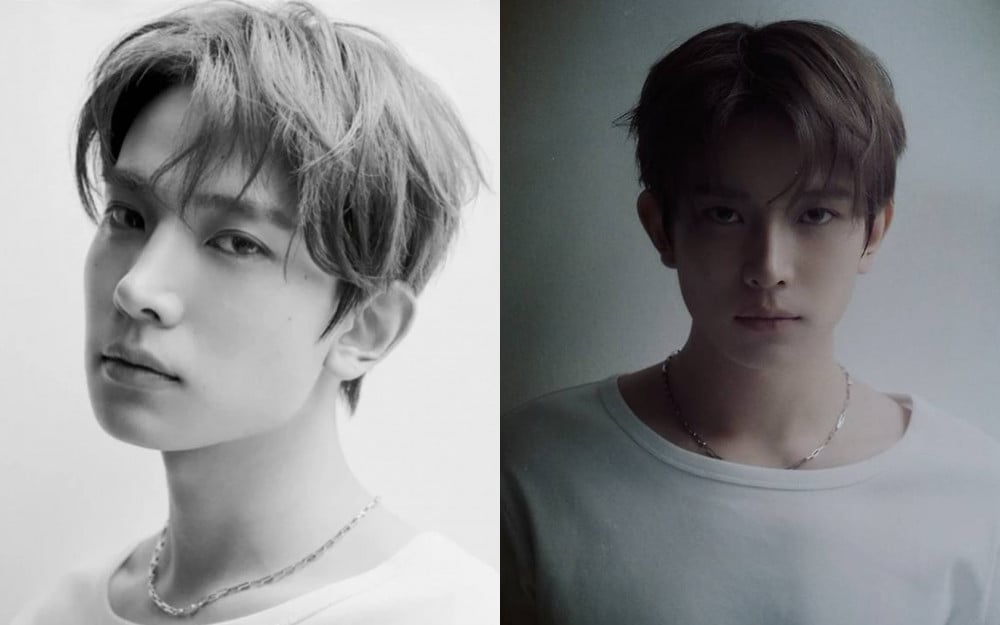
The renewed backlash against former ENHYPEN member Heeseung, now known as soloist EVAN, following a poorly received interview is not an isolated incident. A deep analysis of his career trajectory shows a consistent pattern of communication missteps and management failures that created a ticking time bomb. This controversy is the direct result of unaddressed red flags from his idol days, poor post-department PR strategy, and a fundamental misunderstanding of modern fan-idol dynamics in the digital age.
- What Exactly Did EVAN Say in the Fateful Interview?
- Were There Warning Signs During His ENHYPEN Days?
- How Did Agency Management Fail to Mitigate These Risks?
- Why Is the Fan Reaction So Particularly Severe This Time?
- What Does This Case Reveal About Post-Group Solo Careers?
- Frequently Asked Questions (FAQ)
What Exactly Did EVAN Say in the Fateful Interview?
The recent interview with a major music publication, intended to promote EVAN's solo debut album 'Eclipse', has become a case study in promotional backfire. While the full transcript is lengthy, several key quotes ignited immediate fury across social media platforms and K-Pop forums.
The Most Damaging Soundbites
Three specific comments have been singled out as particularly egregious. First, EVAN described his time in ENHYPEN as "a necessary educational period, but one where my artistic voice was fundamentally incompatible with the machine." This was perceived as dismissive of the group's collective work and the fans who supported it.
Second, when asked about comparisons to his former group's ongoing activities, he stated, "I don't view us as being in the same arena anymore. My music is for a more mature, discerning listener." This hierarchical language was instantly labeled as arrogant and disrespectful to both his former members and ENHYPEN's diverse fanbase.
"The group was a chapter. This solo work is the entire book. You don't judge a book by its first chapter, especially when it was written by a committee." - EVAN in the interview.
Third, his comments on fan culture—suggesting that "parasocial relationships are the industry's biggest crutch"—were seen as a direct insult to the very community that built his career, echoing broader industry tensions but from a disastrous personal perspective.
The Immediate Aftermath and Damage Control
The reaction was swift and brutal. Within hours, '#EVAN_솔로_각자도생' (EVAN Solo Sink or Swim) trended worldwide. Belift Lab, ENHYPEN's agency, issued a terse "no comment" regarding statements about their current artists. EVAN's own new management team attempted to clarify his words in a follow-up statement, claiming his comments were "misconstrued" and about "his personal journey of growth." However, the explanation was widely rejected as insincere damage control.
Were There Warning Signs During His ENHYPEN Days?
For seasoned industry observers and dedicated ENGENEs, the current firestorm feels frustratingly predictable. A retrospective analysis reveals a pattern of minor but persistent incidents that, pieced together, painted a clear picture of looming trouble.
A History of "Unfiltered" Moments
Long before his departure, Heeseung was known within the fandom for having an "unfiltered" and sometimes brutally honest persona during live streams and fan calls. While often charming, this tendency occasionally crossed lines.

- 2022 VLive Controversy: He once joked about "forgetting the names of songs from our first album," which some fans laughed off but others saw as unprofessional.
- Fan Sign Attitude Reports: Intermittent posts on fan boards, often dismissed as "haters," reported him seeming distant or impatient during lengthy fan sign events.
- Behind-the-Scenes Tensions: Edited content from variety shows and documentaries sometimes contained awkward, tense moments between Heeseung and other members, particularly regarding creative input, which sharp-eyed fans cataloged.
These instances were always countered by loyal fans as evidence of his "realness," but they established a precedent of volatile communication.
The Creative Restlessness Narrative
The most significant prelude was the steady media narrative around Heeseung's "creative restlessness." Articles profiling him often highlighted his deep involvement in production and songwriting, subtly framing it as unmet ambition within the group's structure.
This narrative was actively reinforced by his own social media, where he frequently shared obscure musical influences and solo studio snippets. While showcasing talent, it inadvertently created a "Heeseung vs. The System" storyline that his solo career has now fully embraced—to its detriment.
How Did Agency Management Fail to Mitigate These Risks?
The transition from a group idol to a solo artist is a perilous journey that requires meticulous management. In EVAN's case, multiple strategic failures by both past and present agencies created the conditions for this disaster.
Belift Lab's Silencing Strategy
During his ENHYPEN tenure, Belift Lab's approach to Heeseung's outspoken nature was largely one of containment, not coaching. Rather than refining his media skills, they minimized his unscripted exposure. This prevented short-term scandals but meant he never learned to navigate complex questions with diplomatic grace.
This is reminiscent of the top-down decision-making criticized in other major agencies, where control is prioritized over an artist's holistic development. The lack of robust media training for a clearly ambitious member was a critical oversight.
His New Management's Aggressive Rebranding
EVAN's new team made the fatal error of defining his solo identity in opposition to his past. Their strategy was built on a "breaking free" and "artistic awakening" narrative, which is inherently risky. They encouraged the interview's confrontational tone, believing it would project confidence and artistic integrity.
Management Phase Key Strategy Critical Failure Outcome Belift Lab (ENHYPEN Era) Containment & Image Control Failure to provide advanced PR/Media training; suppressing rather than developing his communication style. An artist unprepared for solo media scrutiny, with pent-up frustrations. New Agency (EVAN Era) Aggressive Rebrand & "Artist Liberation" Defining new identity by negating the past; misreading the market's tolerance for criticism of fan culture. Direct alienation of core potential fanbase; creation of a perceived "arrogant" persona.They fundamentally misjudged the market. In an era where fans demand respect and agency—as seen in landmark cases like EXO-CBX's fight for their rights—openly criticizing the fan-idol relationship is commercial suicide.
Why Is the Fan Reaction So Particularly Severe This Time?
The velocity and vitriol of the backlash are unprecedented for a former member of a top-tier group. This severity stems from a perfect storm of modern K-Pop fan culture dynamics.
The Betrayal of "Parasocial" Trust
K-Pop is built on a carefully maintained mutual agreement of respect and appreciation between idols and fans. EVAN's interview comments were perceived as a unilateral violation of that contract. By labeling parasocial relationships a "crutch," he didn't just critique the industry; he invalidated the emotional investment of millions.
This feels like a personal betrayal to fans who supported him through ENHYPEN's journey, bought albums, and defended him during past minor controversies. That sense of betrayal fuels the intense desire to hold him accountable.
The Power of Collective Archival Evidence
Today's fans are archivists and analysts. The backlash is not based solely on the new interview. It is amplified by the immediate compilation and re-circulation of all past "red flag" moments—the old VLive clips, the fan sign reports, the edited variety show moments.
This creates an overwhelming "evidence pack" that validates the current anger, creating a narrative that he has "always been this way." It's a powerful demonstration of how digital footprints permanently shape an idol's career, a lesson underscored by legal actions against deepfake crimes that protect idol personas.
What Does This Case Reveal About Post-Group Solo Careers?
EVAN's crisis is a cautionary tale for the entire industry, especially as more idols from renowned groups embark on solo paths. It highlights the non-negotiable rules of this dangerous transition.
The Delicate Dance of Acknowledging the Past
Successful solo transitions, from Taeyeon to Baekhyun, master the art of honoring one's group legacy while carving a new path. They express gratitude, frame their growth as a natural extension, and never position their new work as superior. EVAN's framework of "incompatibility" and "maturation" shattered this delicate balance.
It reveals a critical lack of strategic vision. His team failed to understand that his solo career's initial audience would largely consist of curious former ENGENEs and group fans. Alienating them from the gate is a fundamental strategic blunder.
Artistic Integrity vs. Professional Diplomacy
The case forces a difficult conversation about the space for "artistic integrity" in K-Pop. While the industry is evolving to allow more artist input, EVAN's approach conflated honesty with abrasion. True professional diplomacy is not about being fake; it's about communicating your truth with respect for all stakeholders.
This struggle between personal expression and public expectation is a core tension in idol culture, often leading to immense pressure, as discussed in our analysis of the burnout epidemic affecting former idols. EVAN's method of breaking free, however, has proven destructively counterproductive.
Frequently Asked Questions (FAQ)
Q: Has EVAN or his agency apologized for the interview?
A: As of now, only a "clarification" statement has been issued, which stated his words were taken out of context and meant to express his personal artistic journey. This has not been accepted as an apology by the fandom, and many are demanding a direct, unequivocal apology for the specific comments about ENHYPEN and fans.
Q: Are other ENHYPEN members involved in this controversy?
A: Officially, no. ENHYPEN and Belift Lab have maintained a dignified silence, focusing on the group's own schedule. However, the controversy inevitably casts a shadow, and fans are fiercely protective of the other members, using the incident to rally support for the active group.
Q: Will this impact EVAN's solo career permanently?
A: While it's a severe setback, permanent career death is rare in the industry if managed correctly. The path forward requires genuine contrition, a significant period of quiet reflection, and a comeback strategy that actively demonstrates respect for his past and his audience. The commercial performance of his upcoming debut album will be the first concrete indicator.
Q: Is this part of a larger trend of former idols criticizing their past groups?
A: Not exactly. While contract disputes and revelations about poor conditions are increasingly common (as seen with EXO-CBX's initial termination case, the public, personal critique of the group's artistic output and the fanbase itself is a distinct and far riskier maneuver. EVAN's case is an extreme example of a poorly executed departure narrative.
Q: Where can I follow balanced news on this and other idol developments?
A: For ongoing, measured coverage of this story and all major K-Pop news, keep an eye on our dedicated News page. For profiles on artists navigating their careers, visit our Artists index.
Conclusion & The Path Forward
The EVAN interview debacle is a masterclass in how not to launch a solo career. It was not a sudden meltdown but the culmination of unaddressed personality traits, inadequate media training, and a tragically misguided PR strategy that mistook arrogance for artistry. The renewed backlash proves that in the K-Pop ecosystem, the past is never truly past; it is a living foundation that can either support or collapse a new venture.
For EVAN, the road ahead is steep. It requires more than a PR rewrite—it demands a genuine, visible reassessment of his approach to his craft and his audience. For the industry, it's a stark reminder that artistic freedom and professional respect are not mutually exclusive. The most successful soloists are those who carry the grace of their history with them, building new identities without burning the bridges that brought them to the spotlight in the first place.
The next step for observers is to watch the chart performance and audience reception of his debut album. It will be the ultimate referendum on whether raw talent can overcome self-inflicted reputational damage. For fans and analysts alike, this saga underscores the importance of comprehensive media strategy and emotional intelligence in an idol's long-term viability. The conversation continues on our platforms, where we dissect the ever-evolving dynamics between artists, agencies, and the fans who hold the ultimate power.