
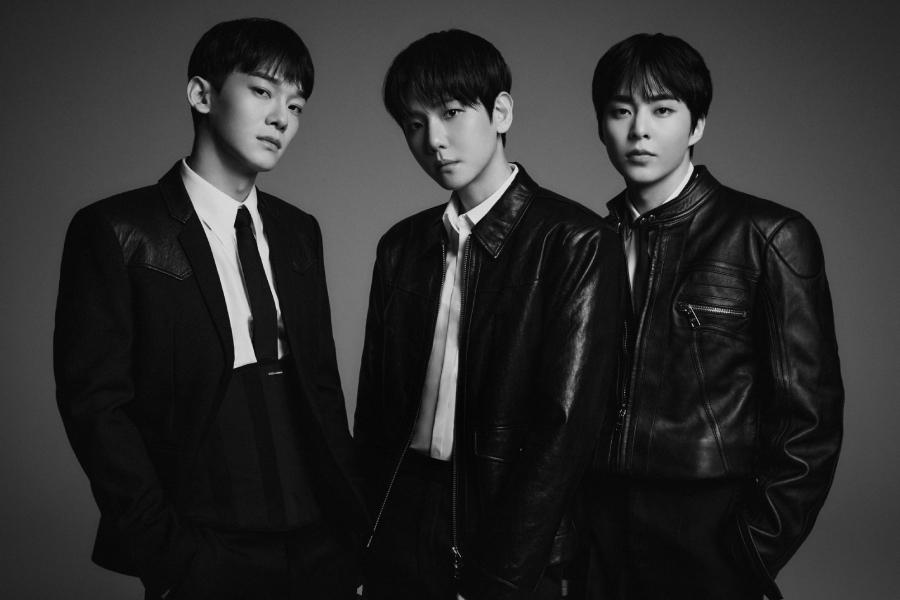

In a stunning legal escalation, EXO members Chen, Baekhyun, and Xiumin (CBX) have reportedly moved to terminate their exclusive contracts with their agency, INB100, just months after a landmark settlement with SM Entertainment. This action signals a critical breakdown in trust and suggests unresolved, deep-seated issues regarding financial transparency and artistic control, potentially derailing the subunit's highly anticipated activities and setting a new precedent for artist-led challenges in the industry.
- The Breaking Point: What Sparked the New Termination Notice?
- From SME to INB100: Decoding the Legal Battlefield
- The Financial Roots of the Conflict
- Artists vs. Agency: The Fight for Creative and Commercial Control
- Broader Impact: A Blueprint for K-Pop's 5th Generation?
- What's Next for EXO-CBX and Their Fans?
- FAQs: Your Top Questions Answered
The Breaking Point: What Sparked the New Termination Notice?
According to exclusive industry reports, the trio submitted a formal notice of contract termination to INB100 on April 10th. This move is not an impulsive decision but the culmination of alleged persistent breaches by the agency, fundamentally violating the terms of their hard-won agreement from 2023.
Alleged Core Breaches by INB100
The heart of the dispute lies in the agency's purported failure to fulfill its most basic fiduciary duties. The members' legal representatives have pointed to a persistent and unilateral refusal to provide transparent settlement data and documentation for their activities.
This lack of transparency prevents the artists from verifying if they are being compensated correctly for music sales, streaming, merchandise, and endorsements—a core right in any exclusive contract.
A Pattern of Distrust and Escalation
This action mirrors the initial conflict with SM Entertainment, where similar issues of settlement transparency were cited. The recurrence suggests that the fundamental promises of independence and fair management under INB100 may not have been operationalized, leading to a decisive legal strike.
It transforms the narrative from a "fresh start" to a continued battle for artist rights, just under a different corporate banner. For ongoing coverage of major industry shifts, follow our dedicated K-Pop News page.
From SME to INB100: Decoding the Legal Battlefield
The legal journey of EXO-CBX is a masterclass in modern K-Pop contract law. Their move from industry giant SM Entertainment to a mid-sized agency like INB100 was itself historic, but the current dispute reveals the complexities of that transition.
The Precedent: The 2023 SM Entertainment Settlement
Last year's settlement with SME was a watershed moment. It wasn't a simple contract termination; it established a new cooperative framework where the artists could pursue subunit activities independently via INB100 while maintaining their EXO group commitments with SME.

This delicate structure required flawless execution from INB100. The current allegations indicate a breakdown in that very execution, putting the entire tripartite agreement at risk.
INB100's Position and Potential Defenses
INB100, led by industry veteran Baekhyun's longtime manager, has stated it is preparing a statement and intends to resolve the matter through dialogue. Their likely defense will hinge on interpreting the contract's audit and settlement clauses and demonstrating good-faith effort.
However, the artists' decision to send a formal legal notice, rather than private negotiation, suggests previous dialogues have failed. This echoes the pattern seen in our analysis of EXO-CBX vs. ONE HUNDRED, highlighting a systemic issue in agency-artist governance.
Comparison: SME vs. INB100 Disputes
Aspect2023 SM Entertainment Dispute2024 INB100 Dispute Core IssueLength of contract, transparency of settlements, unfair profit distribution.Transparency of settlements, provision of documentation, breach of new contract terms. Legal StageFormal complaint to FTC, public dispute, eventual settlement.Formal notice of contract termination sent to agency. Outcome (So Far)Settlement allowing independent subunit activities under INB100.Ongoing; potential for full contract termination and new legal battle. Industry ImpactValidated senior artists' power to renegotiate and seek independence.Tests whether new "artist-friendly" agencies can uphold their promises.The Financial Roots of the Conflict
At its core, this is a financial dispute. The inability or unwillingness to provide clear settlement sheets is the most serious allegation an artist can make against their agency, striking at the heart of the business relationship.
The "Settlement Data" Demand Explained
In K-Pop, settlement data is the detailed financial record of all income generated by an artist. It includes itemized lists from:
- Music sales and digital streaming on platforms like Melon and Spotify.
- Revenue from concerts, fan meetings, and merchandise.
- Payments from endorsement deals and variety show appearances.
Without this data, artists cannot verify if their standard 50/50 or 60/40 profit split is being calculated correctly. It’s a fundamental right, and withholding it is often considered a material breach of contract.
Why INB100's Alleged Failure is So Significant
For INB100, a newer agency, this allegation is catastrophic for its reputation. The agency was founded on the promise of a fairer, more transparent model post-SME. If it cannot provide basic financial documentation, it calls into question its competency and integrity.
This failure also jeopardizes the significant revenue stream CBX represents. The subunit's comeback was highly anticipated and represents a major financial venture for the relatively small agency.
Artists vs. Agency: The Fight for Creative and Commercial Control
This conflict transcends money; it's about autonomy. The move to INB100 was supposed to grant CBX greater control over their music, schedules, and brand—a prize sought by many veteran idols.
The Promise of Creative Freedom
Under the 2023 settlement, INB100 was to manage CBX's exclusive subunit promotions. This implied a partnership where the artists' vision for their music, concepts, and content would be prioritized, a shift from the top-down approach of large companies.
The current dispute suggests that even with a theoretically "friendly" agency, the struggle for meaningful operational control is relentless. It's a cautionary tale for idols considering similar independent paths.
Brand Management and Long-Term Strategy
Control also extends to commercial strategy: which endorsements to accept, how to engage with fans, and long-term brand positioning. A lack of transparent communication on finances inherently corrupts strategic planning.
If an artist cannot trust the revenue reports, they cannot make informed decisions about investing in their own careers, much like how groups sometimes take a strategic pause, as analyzed in AB6IX's Hiatus Decoded.
Broader Impact: A Blueprint for K-Pop's 5th Generation?
The EXO-CBX saga is becoming a foundational case study for the industry. Its resolution will send powerful signals to both established artists and the incoming fifth generation of K-Pop idols.
Empowerment for Veteran Idols
CBX's actions, first against SME and now INB100, demonstrate that senior artists with fan capital and legal resources can and will challenge mismanagement. It normalizes the idea that contracts are negotiable and that agencies must be held accountable.
This empowers other veteran idols to audit their own arrangements and demand better terms, potentially leading to more artist-led companies and flexible partnerships.
A Warning to "Middle-Agency" Models
INB100 represented a growing model: mid-sized agencies founded by industry insiders to cater to established artists seeking more freedom. This dispute is a stark warning that these agencies must have impeccable financial and legal operations.
Simply claiming to be "artist-friendly" is not enough. Infrastructure, transparency, and professional management are paramount, or they will face the same legal fire as the giants.
The Digital Safety Parallel
This fight for contractual transparency runs parallel to the industry's battle for digital safety. Just as artists are legally defending their image online—as seen in SM's Legal Victory Decoded—they are now fiercely defending their financial rights. Both trends point to a more assertive, legally savvy generation of artists.
What's Next for EXO-CBX and Their Fans?
The immediate future is fraught with uncertainty. The legal process will dictate the timeline, but several scenarios are on the table, each with significant consequences for the members and the EXO brand.
Potential Outcomes and Scenarios
Scenario 1: Swift Settlement & Reformation. INB100 provides the demanded data, negotiates new oversight terms, and the partnership continues, albeit with severely damaged trust. Promotions resume after a delay.
Scenario 2: Protracted Legal Battle & Exit. If INB100 contests the termination, this goes to the courts or arbitration. CBX's activities are frozen indefinitely during proceedings, a costly and reputation-damaging process for all.
Scenario 3: Return to SME Management. A complex but possible outcome. If INB100 is deemed in breach, the settlement with SME might be revisited, potentially bringing CBX's subunit activities back under SM's umbrella, though this seems a last resort.
The Fan's Role and the Moral Support Economy
Fandom power is a critical currency. Fans have consistently supported CBX's quest for fair treatment. During this limbo, their organized support—streaming existing music, trending supportive hashtags, and maintaining a unified front—provides the social proof that these artists remain valuable and bankable.
This "moral support economy" directly influences the trio's negotiating power and future marketability, regardless of the agency label attached. To see how other top artists are performing, check our live music charts.
FAQs: Your Top Questions Answered
Q: Does this mean Chen, Baekhyun, and Xiumin are leaving EXO?
A: No. This dispute is specifically about their exclusive contracts with INB100 for their subunit activities. Their separate agreements with SM Entertainment for EXO group activities remain, in theory, unaffected. However, prolonged conflict could strain scheduling for future EXO projects.
Q: What happens to their planned 2024 comeback?
A: It is almost certainly delayed indefinitely. All promotional activities managed by INB100 will be on hold until the contract dispute is resolved, either through a new agreement or a complete termination and transfer of management.
Q: Why didn't they just start their own company instead of joining INB100?
A: Starting a fully independent label requires immense capital, infrastructure, and risk. Partnering with INB100, led by a trusted manager, offered a middle ground: more autonomy with professional operational support. This dispute reveals the flaws in that assumption.
Q: How does this affect the other EXO members?
A: It creates industry-wide uncertainty. Other members watching this saga will be keenly aware of their own contractual positions. It may also impact the public perception and momentum of the EXO brand as a whole, though the members' individual careers continue. For profiles on all members, visit our comprehensive Artists page.
Q: Has anything like this happened before with other groups?
A: Contract disputes are common, but a senior group successfully leaving a major agency for a smaller one, then facing a similar dispute so quickly, is unprecedented. It makes this a unique and critical case to watch.
Conclusion: A Watershed Moment for Agency Accountability
The move by Chen, Baekhyun, and Xiumin to terminate their INB100 contracts is more than a gossip-worthy scandal; it is a critical stress test for the evolving K-Pop ecosystem. It proves that the quest for fair treatment and transparency does not end with leaving a large corporation. The issues of financial accountability and respectful partnership are universal.
For the industry, the outcome will either reinforce the viability of the "middle agency" model or force a complete rethinking of how veteran artists structure their careers. For fans, it is a reminder that supporting artists also means supporting their right to ethical business practices. The next steps will be legal, but the implications are cultural, setting the tone for how power is shared in K-Pop for years to come.
What to Watch Next: Immediately monitor official statements from INB100 and the artists' legal representatives. The tone and content of INB100's response will signal whether a negotiation is possible or if this is headed for litigation. Simultaneously, watch for any ripple effects on other artists under the same agency or similar management models. This story is still unfolding, and its chapters will be written in legal filings and settlement rooms.