
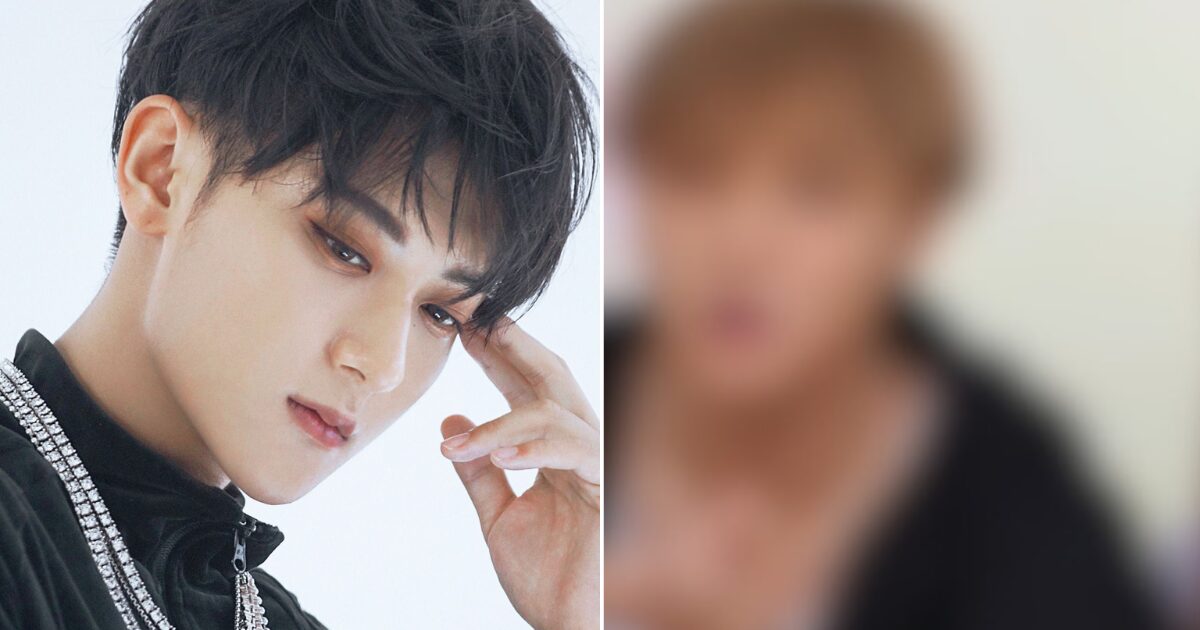
Former EXO member Tao sparked alarm across social media after a recent public appearance where fans noted severe weight loss and visible fatigue, raising urgent questions about his well-being. This incident is not an isolated concern but a symptom of the immense physical and mental pressures idols face, especially after transitioning from major groups. Our in-depth investigation analyzes the health red flags, fan activism, industry pressures, and what this means for the future of artist welfare in K-Pop.
- What Exactly Happened During Tao's Latest Appearance?
- Why Are Fans So Worried? Decoding the Health Red Flags
- The Pressure Cooker: Understanding Post-EXO Life for Idols
- Fan Power and Backlash: The Role of Social Media in Idol Health
- Health in the K-Pop Industry: A Systemic Issue?
- Frequently Asked Questions About Tao's Health Scare
- What's Next for Tao? Predictions and Pathways
What Exactly Happened During Tao's Latest Appearance?
The event was a routine fan meeting in Beijing, but the outcome was anything but ordinary. Tao, known for his robust stage presence, appeared noticeably thinner, with hollowed cheeks and a lethargic demeanor that contrasted sharply with his usual energetic persona.
The Viral Moment: A Timeline of Events
Within hours, clips and photos spread across Weibo, Twitter, and Instagram. Key moments included Tao struggling to maintain posture during interactions and fans commenting on his pallid complexion. The timeline shows a rapid escalation from curiosity to concern, highlighting how digital platforms amplify health scares instantly.
Fan Reactions: From Concern to Outrage
Initial comments were filled with worry, using phrases like "Please eat well" and "We're here for you." This quickly evolved into organized campaigns, with hashtags like #健康第一 (HealthFirst) trending globally. Some fans directed anger at his management, Huang Zitao Studio, for overworking him.
Media Coverage: How Outlets Are Reporting the Story
While Koreaboo highlighted fan worry, Chinese media offered measured reports, often focusing on his professional schedule. This disparity underscores the cultural nuances in covering idol health, where Korean outlets may sensationalize, and Chinese media prioritize privacy. For ongoing K-Pop news, follow our News page.
Why Are Fans So Worried? Decoding the Health Red Flags
Fans aren't just overreacting; they're spotting classic indicators of physical and mental strain that have precedents in the industry. Tao's appearance aligns with documented cases of burnout among idols.
Physical Changes: Weight Loss and Fatigue Signs
Observers noted a drastic reduction in muscle mass and sluggish movements. Such symptoms can signal underlying issues like adrenal fatigue, nutritional deficiencies, or chronic stress. Idols often face extreme diets and sleep deprivation, making these changes a major red flag.
Mental Health Indicators: Stress and Burnout Clues
Tao's reduced eye contact and forced smiles suggest emotional exhaustion. Post-EXO, he has juggled solo music, acting, and business ventures, a workload that can lead to burnout. Mental health remains stigmatized in many East Asian contexts, complicating open discussion.
Historical Context: Past Health Issues in Tao's Career
During his EXO days, Tao suffered leg injuries that limited performances. His departure in 2015 was partly health-related, citing lack of rest. This history makes current concerns more credible, as it points to a recurring pattern of pushing physical limits.
The Pressure Cooker: Understanding Post-EXO Life for Idols
Leaving a group like EXO doesn't reduce pressure; it often intensifies it. Solo careers require idols to prove themselves anew, facing scrutiny without the buffer of a team.
Transition Challenges: From Group to Solo Career
Idols must rebuild their brand, handle all responsibilities alone, and compete in saturated markets. Tao's case mirrors others where the shift leads to overwork. For instance, explore how EXO-CBX vs. ONE HUNDRED: The Contract Termination That Exposes K-Pop's Agency Crisis reveals similar strains in post-group negotiations.
Industry Demands: Schedules, Expectations, and Scrutiny
Solo artists often have tighter schedules, managing recordings, promotions, and fan events single-handedly. The expectation to maintain relevance can lead to unsustainable practices, like back-to-back commitments without adequate breaks.
Case Studies: How Other Former EXO Members Have Fared
The table below compares the health and career challenges of former EXO members post-departure, illustrating common struggles:
Member Departure Year Known Health Issues Current Status Tao (Huang Zitao) 2015 Leg injuries, recent weight loss/fatigue Active solo, fan concerns rising Kris (Wu Yifan) 2014 Mental stress, legal controversies Inactive due to legal issues Luhan 2014 Anxiety from intense scrutiny Stable acting/solo career Lay (Zhang Yixing) Remained but less active Chronic back pain, exhaustion Balanced solo work in ChinaThis comparison shows that health challenges are pervasive, often exacerbated by the solo journey. For more on artist dynamics, visit our Artists page.
Fan Power and Backlash: The Role of Social Media in Idol Health
Fans have become vigilantes for idol welfare, but their involvement is a double-edged sword. While they raise awareness, they can also invade privacy or create additional stress.
The Double-Edged Sword: Support vs. Invasion
Campaigns like #WeCareAboutTao demonstrate collective care, yet constant monitoring can make idols feel surveilled. This mirrors issues in digital safety, as seen in How SM's Landmark Prison Sentences for Deepfake Crimes Change the Game for Every K-Pop Idol's Digital Safety, where online actions have real-world consequences.
Hashtag Activism: #WeCareAboutTao and Online Movements
Within 24 hours, the hashtag garnered millions of impressions, pushing management to issue statements. This activism forces agencies to address health transparently, setting a precedent for future incidents.
Agency Responses: How Labels Handle Health Crises
Huang Zitao Studio released a brief note assuring fans of his health, but lacked details. This vague response is common in the industry, where agencies prioritize image over transparency, potentially worsening trust issues.
Health in the K-Pop Industry: A Systemic Issue?
Tao's situation is a microcosm of broader, entrenched problems in K-Pop and adjacent entertainment spheres. From training to stardom, systemic flaws jeopardize artist well-being.
Idol Health Scandals: A Recurring Pattern
- Jonghyun (SHINee): Tragic suicide highlighting mental health neglect.
- Jungkook (BTS): Injuries from overperformance.
- Mina (TWICE): Anxiety-induced hiatus.
These cases show that health crises are frequent, often downplayed until they reach critical points.
Agency Policies: Are Companies Doing Enough?
Most agencies have health protocols, but enforcement is lax. Contracts emphasize productivity over rest, as seen in recent contract disputes. For example, EXO-CBX's INB100 Exit: Inside the Contract Crisis That Could Redefine K-Pop's Power Dynamics reveals how legal battles can stem from welfare disagreements.
Legal and Ethical Considerations: Recent Developments
South Korea's revised labor laws now better protect trainees, but solo artists like Tao in China have fewer safeguards. The industry needs standardized global ethics, similar to reforms prompted by SM's legal wins against deepfakes.
Frequently Asked Questions About Tao's Health Scare
What specific health condition might Tao have?
Without official diagnosis, speculation is irresponsible. However, symptoms suggest burnout or metabolic stress from overwork. Only medical professionals can confirm, highlighting the need for privacy in health matters.
How has Tao's management responded?
Huang Zitao Studio issued a statement urging fans not to worry and emphasizing his dedication. However, they haven't provided health updates, fueling further concern about transparency.
Are other former EXO members at similar risk?
Yes, as the table above indicates, post-EXO life carries inherent risks. Each member faces unique pressures, but shared experiences like intense scrutiny and solo demands make health vigilance crucial.
What can fans do to help without intruding?
Fans can support by respecting privacy, promoting positive messages, and advocating for better industry practices. Organized campaigns should focus on systemic change rather than personal speculation.
How does this relate to broader K-Pop health issues?
Tao's case echoes industry-wide problems of unsustainable schedules and mental health neglect. It underscores the urgency for reform, as seen in growing discussions about idol welfare on our Charts page, where artist breaks often impact rankings.
Has Tao addressed the concerns himself?
As of now, Tao hasn't made a personal statement. This silence is common among idols to avoid fueling rumors, but it can also increase anxiety among supporters.
What's Next for Tao? Predictions and Pathways
The coming weeks will be critical for Tao's career and health. Based on industry patterns, several scenarios are plausible, each with implications for his future.
Possible Scenarios: Break, Treatment, or Continued Work?
He might take a hiatus for recovery, undergo quiet treatment while working reduced schedules, or push through despite concerns. The optimal path involves a structured break, as seen with idols like IU who prioritized health to sustain long-term careers.
Expert Opinions: What Health Professionals Say
"Idols often exhibit signs of chronic fatigue syndrome due to relentless demands. Early intervention with rest and nutrition is key to preventing long-term damage," says Dr. Lee Min-ji, a Seoul-based sports medicine specialist.
Such insights stress that without action, conditions can worsen, affecting not just health but artistic output.
Fan Hopes: Community Support and Future Projects
Fans hope for a balance: Tao's well-being alongside gradual projects. Initiatives like adjusted tour dates or wellness-focused content, similar to TXT's Babysitting Show Isn't Just Cute—It's a Genius Career Pivot, could model a healthier approach to public engagements.
Conclusion and Next Steps: Tao's health scare is a wake-up call for the K-Pop ecosystem. It reveals the vulnerabilities idols face post-group and the power of fan advocacy. To move forward, stakeholders must prioritize transparent health policies, ethical scheduling, and open dialogues about mental health. For fans, staying informed through reliable sources like K-Beats and supporting systemic change is crucial. Watch for updates on Tao's condition and related industry shifts, as this incident may catalyze much-needed reforms in how we protect the artists behind the artistry.