
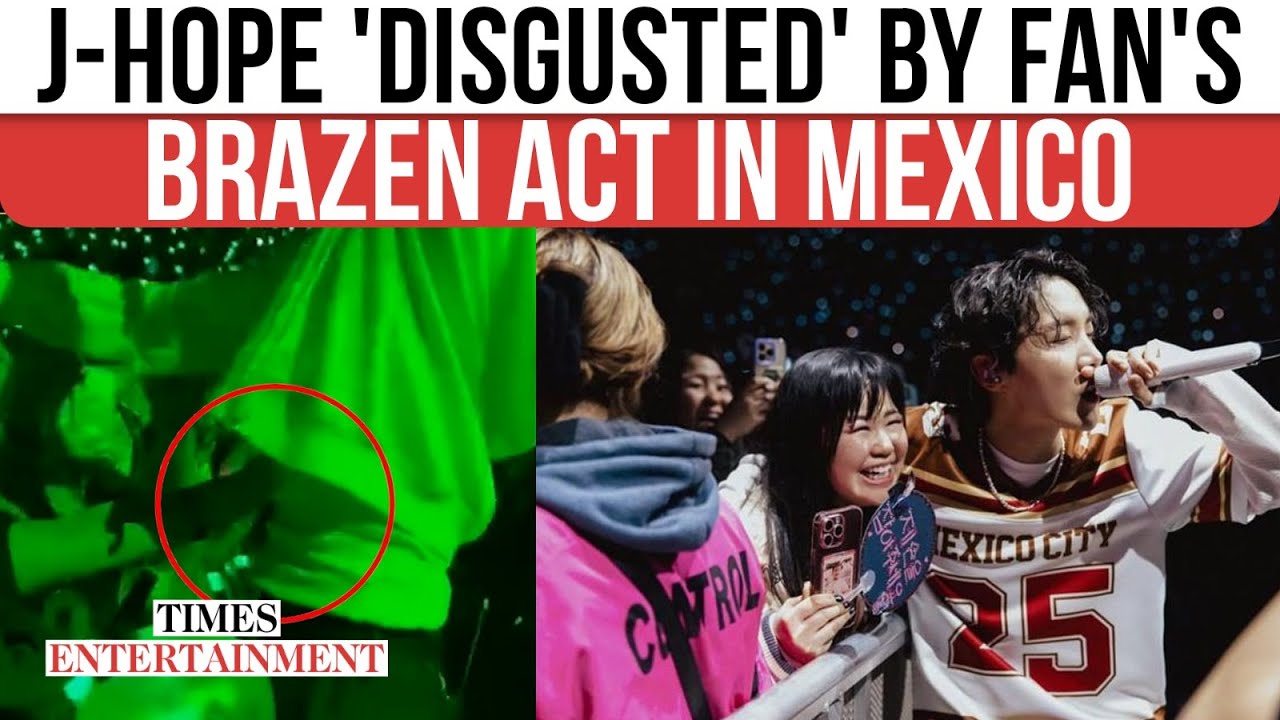
The recent upload of a meticulously edited, multi-camera fan video of BTS's J-Hope from a military base event has ignited a firestorm, splitting the fandom into fiercely opposed camps. This incident is not merely about one video; it's a pressure point exposing fundamental tensions between fan devotion and idol privacy, artistic celebration and potential exploitation, in the hyper-digital K-Pop ecosystem. The core conflict pits the desire for intimate, professional-grade archival content against serious ethical concerns about boundaries, especially during an idol's mandatory service period.
- What Exactly Sparked the Controversy?
- Why is the Fandom So Deeply Divided?
- What Does This Reveal About the Larger K-Pop Industry?
- Where Do Agencies Like HYBE Draw the Line?
- What's the Future for Fan Culture and Content?
- Your Questions, Answered (FAQ)
What Exactly Sparked the Controversy?
The catalyst was a video posted by a major, long-standing J-Hope fansite. It wasn't a typical shaky, distant fan cam. This was a composite edit, allegedly stitched together from footage captured by multiple individuals at a recent military base public event, creating a seamless, multi-angle view of J-Hope's performance.
The "10-Angle" Fan Cam: A Technical Marvel or Ethical Breach?
Fansites are known for high-quality photography, but this video represented a significant escalation in production. By compiling footage, the editor could show close-ups, wide shots, and reactions in a single, cinematic package. Proponents hail it as a masterful tribute, capturing the energy and detail of a rare public appearance. Critics argue this coordinated effort transforms passive recording into active, invasive surveillance, creating a product that feels uncomfortably close to official content but without any oversight.
The Military Context: A Crucial Amplifier
The setting is inseparable from the reaction. An idol's military service is traditionally viewed as a private, mandated period of civilian life. While public base events exist, they are often framed as modest, low-key appearances. The highly polished, disseminated nature of this video, for many, violates the spirit of that context, commercializing and sensationalizing a moment meant to be more personal and grounded.
This isn't about hiding an idol; it's about respecting a specific chapter. As we explored in our analysis of aespa's radical makeup choices, commitment to a specific context or concept is a powerful, respected force in K-Pop. Here, critics feel the fansite's presentation clashes violently with the intended context of J-Hope's service.
Why is the Fandom So Deeply Divided?
The response wasn't mixed—it was polarized. Social media platforms became battlegrounds, with hashtags both condemning and praising the fansite's actions. This split reveals the complex, often contradictory values within modern fandom.
Camp "For": Archival Zeal and Artistic Appreciation
Supporters argue from a place of dedication and scarcity. With BTS on hiatus for service, any new content is a treasure.
- Preservationists: They view this as historic documentation, a professional-grade record of an important moment in an idol's career and life.
- Appreciation Enthusiasts: For them, this is ultimate fan labor—a gift to the community that allows everyone to experience the performance's nuance, celebrating J-Hope's artistry in detail.
- Access Advocates: They point out the event was public, and the footage was legally obtained. The editing is simply elevating available material, not creating new intrusion.
Camp "Against": Privacy, Principle, and Precedent
Opponents are motivated by ethics, empathy, and fear of a slippery slope.

- Privacy Guardians: They stress that military events, while public, carry an expectation of relative normalcy and respect. This level of dissemination feels like a breach of implied boundaries.
- Principle Protectors: This group worries about precedent. If this is acceptable, what stops fansites from deploying more sophisticated, intrusive methods at future private moments?
- Idol-Centric Empathizers: Their core question is: "What would J-Hope want?" They argue that true support involves respecting an idol's space, especially during a period designed for reflection and duty, not constant performance.
What Does This Reveal About the Larger K-Pop Industry?
This incident is a symptom of systemic dynamics. The K-Pop ecosystem is built on a delicate, often unspoken contract between idols, agencies, and fans, and this fansite video has stressed that contract to its limit.
The "Content Void" and Fan Enterprise
During group hiatuses, especially for military service, a content vacuum forms. Official updates are minimal. This void is filled by fan enterprise—edits, analyses, throwbacks, and, in this case, ultra-high-quality fancams. The demand is immense, and ambitious projects naturally arise to meet it. The 10-angle cam is a peak example of fan labor filling an official silence.
The Blurred Line Between Fan and Media
Major fansites operate with professional equipment and distribution networks rivaling small media outlets. Yet they operate without the editorial guidelines or legal departments of formal press. This creates a gray zone where the rules are undefined. Is this fansite a journalist documenting an event, a fan creating art, or a vendor selling a product (via indirect clout and donations)? The debate forces the community to confront these unanswered questions.
This professionalization of fandom parallels trends we see in music video production, where groups like LE SSERAFIM or IVE release visually cinematic, conceptually dense content that raises the bar for all visual media in the genre, fan-made or otherwise.
Where Do Agencies Like HYBE Draw the Line?
The conspicuous silence from HYBE and Big Hit Music is itself a statement. Agencies wield immense power over idol imagery, but fansite culture exists in a negotiated truce.
The Unofficial Symbiosis
Agencies often tacitly endorse major fansites for their role in promotion and sustaining hype. Fansites provide a constant stream of high-quality visual content that supplements official channels, especially during tours. Taking drastic action against one is rare and can incite fan backlash.
Legal and Ethical Red Lines
However, agencies do act when red lines are crossed: invasion of private schedules, stalking, slander, or the unauthorized sale of goods. The question is whether this multi-angle military video crosses into that territory. Has it shifted from public event documentation to something that could cause "mental anguish" or violate a right to publicity? HYBE's calculus involves J-Hope's personal feelings, fan sentiment, and the precedent any action (or inaction) would set.
For insights into how agencies meticulously craft and protect idol personas, our analysis on H//PE Princess's debut shows the level of control typically exerted over official image-making.
What's the Future for Fan Culture and Content?
This controversy is a landmark moment that will shape norms. The democratization of professional editing tools and the insatiable appetite for content guarantee that fan production will only grow more sophisticated.
The Rise of the "Cinefan"
Expect more fansites and editors to produce narrative-driven, multi-source video essays and documentaries. The raw fan cam will evolve into the "cinefan" – a fan-made short film. This raises new questions about copyright (editing together others' footage), profit (via ad revenue), and crediting.
Community-Led Guideline Development
Waiting for agencies to legislate may be futile. The most likely outcome is the organic development of stronger, community-enforced ethical guidelines within fandoms themselves. Discussions like this one could lead to informal "best practice" codes about contexts like military events, airports, and private family moments.
This mirrors how the industry itself evolves through experimentation, much like the genre-blending approach seen in releases such as IS:SUE's 'Quartet'. The fandom's norms will also adapt through internal dialogue and conflict.
Your Questions, Answered (FAQ)
Q: Could HYBE legally take down the video?
A: Possibly, but it's complex. They could claim copyright over the underlying performance itself. A stronger, though more delicate, argument could be invasion of privacy or violation of J-Hope's publicity rights, given the specific military context. The backlash risk, however, often outweighs the legal benefit.
Q: Don't all fansites invade privacy to some degree?
A: It's a spectrum. A photo from a public concert is widely accepted. Following an idol to a private dinner is universally condemned. This video sits in the murky middle, accused of using public access to create a product that feels intrusively comprehensive, thus "invading" the contextual privacy of the military setting.
Q: What's the difference between this and official "fancam" videos agencies post?
A: Consent and control. Official fancams are shot from agency-placed cameras, with the idol's knowledge, as part of their professional output. This fansite video is an independent production from the crowd, repackaging the idol's image without their direct input or approval, which changes the fundamental power dynamic.
Q: How does this affect J-Hope personally?
A: Only he and his closest circle know. The optimistic view is he may appreciate the passionate tribute. The concerned view is he may feel observed under a microscope during a period meant for personal growth. True respect involves considering this unknown perspective.
Q: Will this change how fansites operate at future military events?
A: It's a watershed moment. Some fansites may become more cautious, sticking to single-angle, less edited footage. Others, seeing the massive engagement, may be emboldened to push further. The reaction from large fan union accounts and the lack of agency action will be the key signals.
The 10-angle fan cam storm is far more than a debate over one video. It is a stark, real-time examination of K-Pop's evolving social contract. It forces every fan to ask themselves what they value more: the limitless pursuit of content and closeness, or the respectful preservation of an idol's humanity and context. There is no easy verdict, but the conversation itself is vital. As the industry moves forward, the norms set by these community clashes will define the next era of fan-idol interaction.
What's your stance? The dialogue continues on our News page, where we track evolving fan movements, and our Artists page offers deeper dives into the careers of BTS and all your favorite idols. Stay informed, stay critical, and help shape a respectful fandom future.