
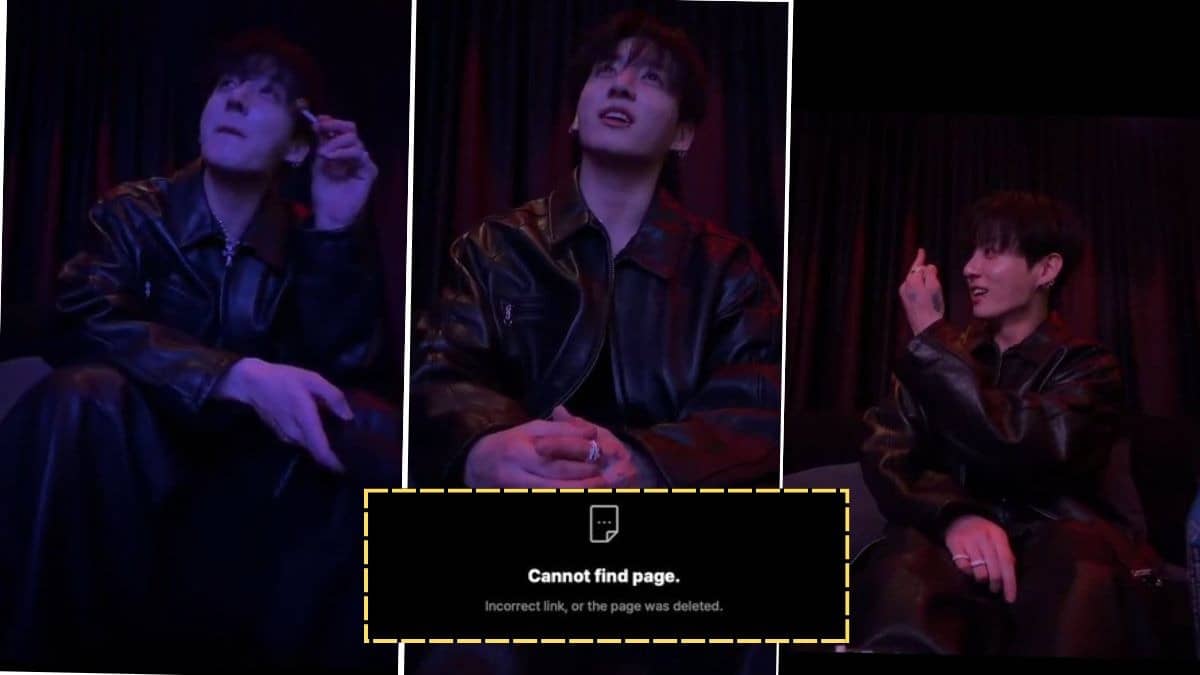
The recent fan uproar over a perceived missed opportunity for Jungkook has ignited a fierce debate, transcending a single event to expose the complex, often fraught relationship between a powerhouse agency like HYBE and the world's most passionate fandom. While initial reports frame this as a simple failure, our in-depth analysis reveals a multifaceted clash of expectations, logistics, and the evolving pressures of managing global superstars during their military service era. The core truth is that this incident is less about one schedule and more about the underlying tensions in a new chapter for BTS.
- What Exactly Sparked the Fan Fury?
- The HYBE Perspective: Logistics, Strategy, or Neglect?
- Fandom in the Solo Era: A New Breed of Advocate
- The Bigger Picture: K-Pop's Chronic Scheduling Dilemma
- Resolution & Path Forward: Can Trust Be Rebuilt?
- FAQ: Your Questions Answered
What Exactly Sparked the Fan Fury?
While specific details of the purported opportunity remain shrouded in industry confidentiality, the incident follows a recognizable pattern in post-enlistment K-Pop. Fans, through dedicated intelligence networks, become aware of an offer or invitation extended to an idol—often a major international event, brand collaboration, or media appearance.
The Anatomy of a "Missed Chance"
In this case, the opportunity is believed to have been a high-profile global event occurring during a period when Jungkook was not publicly scheduled. ARMYs, meticulously tracking his and his members' timelines, identified a potential window. The outrage exploded not from official news, but from community forums and social media, where fans pieced together clues, industry whispers, and the silent calendar to conclude HYBE had declined or failed to facilitate.
From Whispers to War Cry: The Outbreak Cycle
The modern fandom outrage cycle is rapid and potent. It begins in private Discord servers or forum threads, escalates to trending hashtags on Twitter (now X), and culminates in organized email campaigns and public petitions directed at the agency. This infrastructure, built to support and defend BTS, is now also being used to hold their corporate management to account.
This mirrors the intense discourse we analyzed in the J-Hope fansite controversy, where fandom's internal divisions and high expectations were laid bare. The target shifts from media narratives to the agency itself.
The HYBE Perspective: Logistics, Strategy, or Neglect?
From HYBE's operational viewpoint, a "missed opportunity" is rarely a simple yes/no decision. The agency manages a vast roster of artists across multiple labels, each with intricate, long-term plans. A decision regarding Jungkook involves numerous unseen factors.
The Unseen Calculus: Why an Offer Might Be Declined
Potential reasons an agency might pass on an opportunity, however glittering, include:
- Strategic Timing: It may not align with a planned future solo comeback or group reunion timeline.
- Resource Allocation: Approving it could strain staff, security, and creative resources dedicated to other active artists or projects.
- Brand Alignment: The event or partner might not meet the exacting brand equity standards set for a member of BTS.
- Artist Welfare: Even during service periods, idols have personal time; agencies may prioritize rest over non-essential commitments.
Communication Breakdown: The Core of the Conflict
The central issue is rarely the decision itself, but the communication vacuum around it. HYBE operates on a principle of controlled, official announcements. Fandom operates on real-time, communal speculation. This gap creates a space where assumption replaces fact, and silence is interpreted as incompetence or disrespect.

The trust deficit grows not from malice, but from mismatched communication protocols between a global corporation and a decentralized, hyper-engaged community.
Fandom in the Solo Era: A New Breed of Advocate
The nature of ARMY's relationship with HYBE is fundamentally transforming. During BTS's peak group activity, fandom and agency goals were largely aligned: break records, win awards, grow globally. Now, with members pursuing individual paths, the fandom's focus has splintered into seven distinct solo campaigns, each fiercely championed.
From Supporters to Stakeholders
Fans now see themselves as active stakeholders in each member's solo career. They analyze chart performance, critique marketing strategies, and demand equal opportunity and investment. This incident with Jungkook is viewed through the lens of whether HYBE is adequately prioritizing his individual potential, especially while he serves.
This protective, analytical stance reflects a broader trend in K-Pop, where fans feel responsible for their idol's legacy, much like the advocacy seen in the story of a "savior idol", where fandom celebrated a hidden act of humanity as a core part of an idol's identity.
The Power of Collective Scrutiny
ARMY's ability to audit an agency's performance is unprecedented. They compare promo cycles, budget allocations (inferred from production quality), and media play for each member. This creates immense pressure on HYBE to demonstrate equitable and effective management, making every perceived misstep a potential crisis.
The Bigger Picture: K-Pop's Chronic Scheduling Dilemma
This conflict is not unique to HYBE or BTS. It is a systemic tension in the K-Pop industry between artist visibility and sustainable management. The pressure to always say "yes" clashes with the need for strategic pacing and artist welfare.
Agency vs. Fan Priority: A Comparative View
Consideration Factor Typical Agency Priority Typical Fan Priority Schedule Density Sustainable pacing, avoiding burnout, long-term career health. Maximum visibility, capitalizing on momentum, "striking while the iron is hot." Opportunity Selection Strategic fit, long-term brand value, contractual obligations. Prestige of the offer, immediate fan bragging rights, perceived honor for the idol. Communication Control of narrative, official announcements only, protect business dealings. Transparency, real-time updates, inclusion in the journey. Military Service Period Managed exposure, careful re-entry planning, protecting private time. Maintaining public presence, curated content, preventing "out of sight, out of mind."Parallels with Concept Commitment
Just as groups like aespa make radical aesthetic choices for their concept—famably giving up blush—agencies make strategic, sometimes unpopular, scheduling choices to commit to a long-term vision for an artist. Both require sacrificing short-term expectations for a perceived greater goal, a trade-off fans don't always see or agree with.
Resolution & Path Forward: Can Trust Be Rebuilt?
The path forward requires adaptation from both sides. For HYBE, the traditional top-down communication model is straining under the weight of fandom's sophistication. For fans, acknowledging the complexity of multi-artist corporate management is necessary.
Potential Bridges: New Models of Engagement
Solutions could involve more nuanced communication, not necessarily revealing confidential deals, but better framing the strategic intent behind an artist's schedule. "Director's Cut" style videos from label heads, or more detailed behind-the-scenes looks at planning, could demystify the process. Checking our News page for official statements is always recommended over relying on speculation.
The Ultimate Goal: Aligned Visions for 2025
All energy is ultimately directed toward the full group reunion. Every solo activity and decision is a building block for that return. This incident serves as a stress test for the systems that will support BTS's next epoch. The challenge is ensuring that the fandom-agency partnership, so crucial to their past success, evolves to be stronger on the other side of this chapter.
FAQ: Your Questions Answered
Q: Did HYBE officially confirm they turned something down for Jungkook?
A: No. HYBE has a strict policy of not commenting on unrevealed business offers or rumors. The entire situation is built on fan speculation and industry sourcing, not official confirmation. This is standard agency practice to protect negotiations and relationships.
Q: Could this affect Jungkook's solo career momentum?
A: In the immediate term, unlikely. His established global stardom is resilient. However, sustained fan distrust in his management could create a more antagonistic atmosphere around future promotions, which is why repairing communication is key. For his latest solo work, explore our Artists page.
Q: Do other BTS members face similar issues?
A: Potentially. Each member's solo journey involves constant behind-the-scenes decisions by HYBE and their sub-label, Big Hit Music. The level of public scrutiny varies, but the underlying structural tension between fan expectations and agency strategy is universal in the solo era.
Q: How does this compare to issues with other HYBE groups like LE SSERAFIM - PUREFLOW pt.1: What Just Landed" rel="internal">LE SSERAFIM or IVE?
A: The dynamics differ. For active groups, debates often center on song distribution, concept direction, or promotional intensity—like discussions around LE SSERAFIM's PUREFLOW pt.1 or IVE's Lucid Dream. For BTS in enlistment, the conflict revolves around visibility management and long-term custodianship of their legacy during a hiatus.
Q: What is the most productive way for fans to voice concerns?
A: Organized, respectful, and evidence-based communication through official fan club channels is more likely to be heard than trending hashtags alone. Combining clear data (like comparative market analysis) with stated fan sentiment presents a more compelling case to a corporate entity.
Conclusion: A Pivot Point in the Partnership
The Jungkook "missed opportunity" firestorm is a symptom of a larger transition. It highlights the growing pains of a fandom learning to navigate the solo landscape and an agency adapting to managing legends-in-the-making who are also individual artists. The fury, while intense, stems from profound care and investment.
Moving forward, the industry must evolve beyond the "angry fan vs. faceless corporation" trope. The future belongs to those who can build more transparent, or at least more intelligible, bridges between the boardroom and the fan community. For now, monitoring official schedules on our Charts page and supporting approved content remains the most direct way to champion an idol. The true test will be how this relationship weathers the quiet period, ready to reignite together in 2025.