
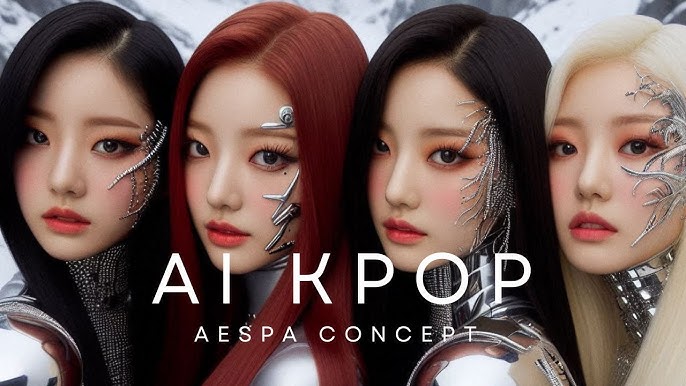

In a move that sent shockwaves through beauty and K-Pop circles alike, aespa has reportedly forgone a fundamental step in their makeup routine: blush. This isn't a mere aesthetic tweak; it's a profound commitment to their hyper-futuristic, meta-universe concept. By eliminating the natural, humanizing flush from their stage and video appearances, the group has made a bold statement on artifice, identity, and the evolving nature of performance itself. The calculated absence creates a polished, otherworldly veneer that perfectly embodies their digital-native lore, proving that in today's K-Pop, every detail—even what's missing—is a powerful narrative tool.
- What Exactly Is The "Blush Ban"?
- Why Sacrifice Such a Fundamental Step?
- How Does This Compare to Other Groups' Signature Styles?
- Does This Extend Beyond the Stage?
- How Have Fans & The Industry Reacted?
- What Does This Signal for K-Pop Beauty's Future?
- Frequently Asked Questions
What Exactly Is The "Blush Ban"?
The term "Blush Ban" refers to aespa's conscious and consistent decision to exclude traditional cheek blush from their promotional makeup artistry. In an industry where a flushed, youthful glow is considered almost universal, this omission is stark.
The Visual Result: Flawless vs. Human
Without blush, the focus shifts entirely to flawless base makeup, sharp contouring, and dramatic eye or lip looks. The result is a complexion that appears perfectly uniform, almost porcelain-like or digitally rendered. It removes a key signifier of organic life—blood flow, emotion, warmth—replacing it with a controlled, calibrated coolness.
More Than Just Skipping a Product
This is a strategic artistic direction, not an oversight. Their makeup artists actively work to ensure no natural flush shows through, often using color-correcting primers and matte, full-coverage foundations. The look is completed with intense highlight on the high points of the face, but deliberately none on the apples of the cheeks where blush would traditionally sit.
Why Sacrifice Such a Fundamental Step?
Blush is K-Pop 101. It's a tool for shaping the face, expressing vitality, and connecting with audiences on a subliminally human level. aespa's rejection of it is a high-stakes conceptual gamble.
Deepening the æ-Connection
The core of aespa's identity lies in the synergy between the real-world members and their virtual counterparts, the æ-members. The blush-less face bridges this gap. It mimics the flawless, texture-less skin of a digital avatar, creating visual continuity between the human performers and their virtual selves. It suggests a being not subject to physical reactions.
It’s the makeup of a character, not a person. It tells you that you’re looking at Nævis, or Karina’s avatar, as much as you’re looking at Karina herself.
Prioritizing Concept Over Convention
This move underscores SM Entertainment's philosophy of "Culture Technology." Every element, down to a makeup sponge, serves the overarching narrative. While groups like LE SSERAFIM might use beauty to convey fierce, human ambition, aespa uses its absence to convey something post-human. It’s a rejection of idol tradition in favor of immutable, storyline-driven aesthetics.
Crafting an Uncanny Valley Aesthetic
The slight disconnect caused by flawlessly human faces without a humanizing flush creates an "uncanny valley" effect. This unease is intentional, aligning with the group's themes of navigating a blurred reality. It keeps the audience slightly off-balance, visually reinforcing the lyrical tension between the real and the virtual.

How Does This Compare to Other Groups' Signature Styles?
aespa's choice stands in sharp contrast to the defining makeup trends of their peers. Where others use makeup to amplify personality, aespa uses it to sublimate it into a unified concept.
Group/Artist Signature Makeup Focus Conceptual Goal Contrast to aespa aespa Blush Ban: Flawless base, no cheek color. Digital perfection, avatar synergy, futuristic lore. The baseline: rejects warmth for uniformity. IVE "Rich Girl" Glam: Clean skin, glossy lips, defined elegance. Confident, aspirational, and luxurious youth. Embraces human glamour and relatable chic. LE SSERAFIM - PUREFLOW pt.1: What Just Landed" rel="internal">LE SSERAFIM "Fearless" Looks: Bold eyeliner, lived-in texture, sporty blush. Raw strength, human effort, and athletic grace. Celebrates the physical, sweaty, and real. H//PE Princess - Stolen (Korean ver.): What Just Landed" rel="internal">H//PE Princess - 17.7: What Just Landed" rel="internal">H//PE Princess Experimental Color & Graphic Lines. Artistic rebellion, playful avant-garde. Uses makeup as bold addition, not strategic subtraction. Yuta (Solo) Genderless Artistry: Smoky eyes, blurred contours. Personal expression, fluid identity. Centers the individual artist's mood, not a group lore.This table shows that while groups like IVE refine classic beauty and acts like Yuta explore personal artistry, aespa operates on a different plane entirely. Their beauty standard is not of this world.
Does This Extend Beyond the Stage?
The commitment is remarkable for its consistency across almost all official mediums, but cracks of humanity appear in unofficial spaces.
Official Content: A Unified Front
From music video performances like "Drama" and "Supernova" to staged live broadcasts, award show appearances, and official photo shoots, the blush ban is rigorously enforced. This consistency is key to maintaining the integrity of their fictional universe, or SM Culture Universe (SMCU).
The "Off-Duty" Leak
In behind-the-scenes vlogs, casual selfies, and non-concept variety content, members occasionally appear with a natural glow or subtle cheek tint. This duality is fascinating: it creates a clear demarcation between "aespa the concept" and "aespa the individuals." It allows fans to connect with the real people while appreciating the theatrical commitment of the performers.
A New Form of Kayoing
Just as idols are expected to maintain specific weights or hairstyles, this represents a new, extreme form of concept kayoing—the discipline of maintaining a character. The members have trained to accept this specific, unconventional standard of stage beauty as part of their job, much like an actor wearing prosthetics.
How Have Fans & The Industry Reacted?
The reaction has been polarized, sparking intense debate far beyond typical beauty discourse.
MYs: Divided Between Awe and Concern
- Pro-Camp: Praise the unwavering commitment to lore. They analyze screen captures, admiring the cohesive visual storytelling. Comments like "They look like goddesses carved from marble" are common.
- Con-Camp: Express missing the members' "spark" and warmth. Some worry it flattens their individual beauty or creates an unhealthy standard of emotionless perfection.
- The Analysts: A large segment dissects it as a meta-commentary on K-Pop itself, celebrating the intellectual boldness. For more on fan-driven analysis, check out our dedicated News & Theory page.
Makeup Artists & Critics: A Technical Masterclass
Industry professionals have hailed it as a revolutionary, high-difficulty choice. Creating a compelling face without blush requires expert contouring, impeccable skin prep, and strategic highlighting. It has sparked tutorials on "how to get the aespa base," ironically popularizing the very look that rejects trend-following.
Peer Idols: Quiet Curiosity
While no idol has directly criticized it, subtle hints appear. Other groups have playfully emphasized their own blush in behind-the-scenes content, or makeup artists for groups like IS:SUE have posted about "the power of a healthy flush." This quiet pushback highlights just how disruptive aespa's choice is within the industry ecosystem.
What Does This Signal for K-Pop Beauty's Future?
aespa's blush ban is not an isolated trend. It's a symptom of a larger shift towards hyper-conceptualization in K-Pop aesthetics.
The Rise of the "Concept-First" Face
Makeup is moving beyond enhancement to become pure world-building. The face is a canvas for narrative, not just beauty. We see this in the dystopian stains of some boy group concepts or the ethereal glitter of fairy concepts, but aespa's approach is the most extreme and consistent.
Blurring Lines Between Idol and CG
As technology improves, the gap between real-life performance and digital avatar narrows. This makeup style is a physical stepping stone, training the audience's eye to accept a more rendered, perfected visual. It prepares the market for deeper integrations of virtual performers.
Will Others Follow?
It's unlikely to become a universal trend. However, it sets a new precedent for conceptual rigor. We may see more groups adopt one drastic, signature alteration—a "conceptual sacrifice"—to distinguish their lore. It raises the bar for how thoroughly a group's visual identity must be thought through, from music to chart performance to the blush on their cheeks.
Frequently Asked Questions
Do the aespa members ever wear blush?
Yes, but typically only in personal, non-official capacities. In their lives as private individuals or in casual content not tied to a comeback narrative, they wear makeup of their choosing, which often includes blush.
Isn't this bad for their skin, using so much full-coverage foundation?
Their skin care routines off-stage are undoubtedly intensive. Industry insiders suggest they likely use the highest quality, breathable formulations and adhere to strict dermatologist-led regimens to counteract the potential effects of heavy stage makeup. The health of an idol's skin is a major priority for their company.
How do they look healthy or energetic on stage without blush?
They rely on other techniques: brightening under-eye concealer, strategic highlighter on the brow bone and cupid's bow, and incredibly vibrant eye looks or lip colors. Energy is conveyed through performance—fierce expressions, powerful dance, and vocal delivery—not just through a rosy cheek.
Has any other K-Pop group done something similar?
Some groups have minimized blush for specific, darker concepts (e.g., vintage vamp or goth styles), but none have made the complete and permanent eradication of blush a cornerstone of their group's identity across all promotional cycles like aespa has.
Can I replicate the "aespa look"?
Absolutely, but it requires skill. Focus on a matte, full-coverage foundation, precise contouring below the cheekbones (not on them), and zero pink/peach tones on the cheeks. Add drama with eyeliner, eyeshadow, or a bold lip. The key is a completely even, color-neutral canvas.
Does this mean "natural" makeup is over in K-Pop?
Not at all. It simply diversifies the landscape. While aespa explores one extreme, other groups champion the "no-makeup" makeup look. The range is wider than ever, offering more visual languages for different concepts. Discover more diverse artist styles on our Artists page.
Conclusion: The Price of Perfection
aespa's blush ban is far more than a beauty trend; it is a high-concept artistic statement that redefines the boundaries of idol performance. By sacrificing a ubiquitous symbol of human vitality, they have purchased a unique visual currency: the aesthetic of a seamless, meta-human narrative. It is a risky, brilliant trade-off that prioritizes overarching lore over immediate relatable warmth.
This decision challenges the industry, fascinates critics, and divides fans, proving its potency. It signals a future where an idol's face is not just a face, but a deliberate artifact of a fictional world. Whether you find it chillingly brilliant or emotionally distant, one thing is undeniable: you looked, you analyzed, and you talked about it. And in the hyper-competitive landscape of K-Pop, that is the ultimate validation of a concept's power.
What's Next? Watch how this influences upcoming SM Entertainment groups and whether any peers attempt their own version of a "conceptual sacrifice." For now, dive deeper into the evolving aesthetics of the industry by exploring our breakdown of the avant-garde sounds and styles of H//PE Princess's latest release, which challenges norms in its own right.