

Opening: When a Golden Ticket Loses Its Luster
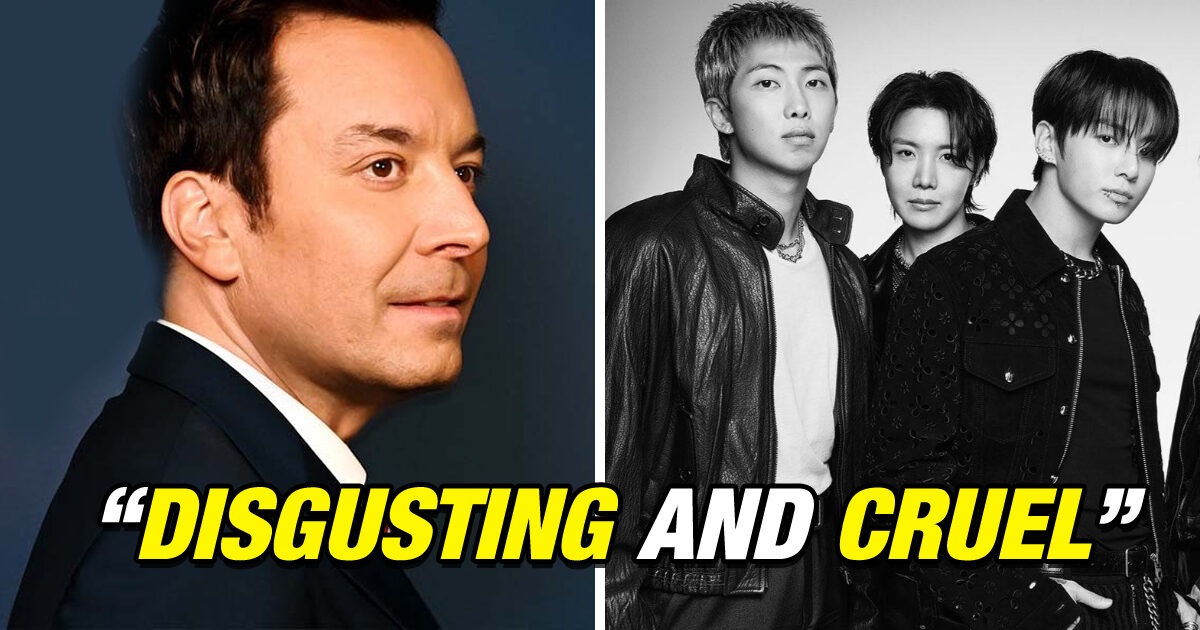
The allure of a secret BTS performance is the ultimate fantasy for any member of the ARMY. It’s the stuff of whispered rumors on fan forums and desperate hopes during any group hiatus. So, when a select, lucky few received mysterious invitations for what was promised as an intimate, surprise set filming for The Tonight Show Starring Jimmy Fallon in New York, it seemed like a once-in-a-lifetime blessing. However, what transpired behind those tightly closed studio doors has erupted into a major controversy, with fans leveling shocking allegations of being "kidnapped" and "psychologically tortured" by the show's production staff. What was intended as a premium experience has morphed into a case study in cross-cultural mishaps, extreme security, and the fragile trust between artists, their global teams, and the most passionate fanbase on the planet.
"I went in the biggest BTS fan. I left feeling genuinely traumatized and used. We were treated not as guests, but as hostile variables in a military operation," one fan, who wished to remain anonymous for fear of blacklisting, told K-Beats.
Background: BTS, Fallon, and a History of High-Stakes Promotions
To understand the gravity of these accusations, one must first appreciate the unique and monumental relationship between BTS and the American late-night circuit, particularly with Jimmy Fallon. Their first appearance on his show in 2018 was a pivotal cultural moment, breaking viewing records and introducing their charisma to a wider U.S. audience. Each subsequent visit—whether it was the iconic "Idol" performance in Grand Central Terminal, the hilarious classroom skit, or the emotional "Dynamite" remote segment during the pandemic—deepened a mutual respect. Fallon’s effusive, genuine enthusiasm for the group made his show feel like a safe and celebratory space for ARMY.
This history set a very specific expectation: fun, warmth, and mutual admiration. Simultaneously, the security paradigm around BTS has evolved dramatically since those earlier days. From being a rising act to becoming undisputed global icons, their safety protocols have necessarily intensified to near-presidential levels. Incidents of sasaeng (obsessive fan) behavior, while often centered in Korea, are a global concern. High-profile groups and their agencies have become increasingly proactive, as seen recently when SM Entertainment issued a fierce legal ultimatum to protect its pre-debut group SMTR25 from unprecedented rights violations. HYBE, BTS's parent company, is no stranger to such pressures, constantly walking a tightrope between accessibility and absolute security.
The Precedent of Secret Performances
Secret pop-up events are not new in K-Pop, but they carry inherent logistical tension. The goal is to create authentic fan reactions and intimate footage, but controlling that environment is paramount. The infamous "BTS POP-UP: Monuments in Seoul" experience in 2023, for instance, was a marvel of crowd management technology but also faced criticism for its rigid, impersonal systems. Translating this model to a Western television production, with a different set of norms and a unionized crew, created a perfect storm for misunderstanding.
The News: A Minute-by-Minute Breakdown of the "Ordeal"
Based on extensive interviews with multiple attendees and a review of corroborating messages and timelines, a disturbing picture of the event has emerged. The fans, chosen through a vague application process that emphasized discretion, were instructed to arrive at a nondescript Manhattan location under strict NDA (Non-Disclosure Agreement).
The "Kidnapping": A Ride With No Return
The term "kidnapping," while emotionally charged, refers to the complete loss of agency fans say they experienced from the moment they checked in. Personal phones, smartwatches, and even basic digital audio recorders were confiscated and sealed in individual bags—a standard practice for many secret tapings. However, attendees allege they were then escorted onto shuttered buses with blacked-out windows. They were given no clear timeline, no information about when they would return, and crucially, no way to communicate with the outside world. "We were in a moving metal box, cut off from everything, with people who refused to answer basic questions like 'How long will this take?' It immediately induced panic," one fan recounted.
The buses reportedly drove in circles for an extended period, a tactic often used to disorient and prevent location tracking. For the fans, many of whom were young and alone in a major city, this transitioned from exciting to deeply unsettling.
The "Torture": Psychological Pressure and Coercive Control
Upon arrival at a secured backstage area, the situation allegedly escalated. Fans describe being corralled into a holding room for over five hours without the promised performance. They report being denied free access to water and bathrooms, with escorts required for any movement. Conversation among themselves was actively discouraged by staff, who one fan described as having "a cold, corrections-officer demeanor."

"They repeatedly told us our behavior would determine if BTS would even come out. They said if we were too loud beforehand, or if we broke any rule, the members would be told and the performance would be canceled. They made us feel like we, the fans, were the biggest threat to our own idols' safety and willingness to perform," another attendee shared.
This psychological leverage—using the fans' love for BTS as a tool for compliance—is at the heart of the trauma allegations. Fans felt they were being preemptively punished for crimes they didn't commit, their excitement pathologized as a security risk. The staff's approach, according to these accounts, lacked any empathy or recognition that these were invited guests, not potential intruders.
The Performance and the Ironic Aftermath
When BTS’s members—RM, Jin, SUGA, j-hope, Jimin, V, and Jungkook—finally appeared, the performance was reportedly breathtaking. They performed a new, unreleased arrangement of a classic track. The members were said to be warm and engaging, taking time to briefly interact. Yet, fans say the preceding hours had "poisoned the well." "Watching them was surreal because I felt so emotionally drained and anxious. I was scared to cheer too loud because of what the staff said," one fan confessed.
The "release" process was similarly fraught. Phones were returned only after signing additional documentation, and fans were reportedly warned again about the consequences of leaking information. They were then deposited back at the original location, often late at night, emotionally raw and confused.
Fan & Community Reaction: A Tsunami of Anger and Solidarity
The reaction within the ARMY community has been volcanic. While the affected fans initially kept quiet due to the NDAs, shared trauma led them to connect privately. Their collective stories, once leaked to forums like Twitter and Weverse, have ignited universal outrage.
The primary sentiment is one of betrayal. ARMY feels betrayed not by BTS, whom they universally absolve of any blame, but by the production apparatus that surrounded them. "HYBE and Fallon's team invited fans as props, not people. They wanted our reactions but didn't want to deal with our humanity," summarized a popular Twitter thread that garnered hundreds of thousands of likes.
This incident has also sparked a broader conversation about how international media treats K-Pop fans. Many draw a direct line to the often-derisive media coverage of fan culture, suggesting this incident was its logical, operational conclusion. "This is what happens when you view an entire fandom as hysterical and uncontrollable—you design systems to break them," commented a fan activist on our K-Beats News forum.
Notably, the controversy has also bled into discussions about member privacy, echoing sentiments from past frenzies around Jungkook's personal life. Fans argue that such extreme, hostile security creates a self-fulfilling prophecy, fostering an "us vs. them" mentality that can actually increase anxiety and erratic behavior in the long run.
Industry Analysis: A Dangerous Precedent in Global Fan Management
This incident is not an isolated blip; it is a symptom of the growing pains of K-Pop's stratospheric global expansion. The clash here is multifaceted:
- Cultural Clash in Security Doctrine: Korean security for top idols is famously strict, rigid, and impersonal—focused 100% on the artist's safety with little concern for fan comfort. American television productions, while secure, typically operate with a more customer-service-oriented approach for audience members. The Tonight Show staff, possibly directed by HYBE's own security detail, may have implemented a hybrid model that took the worst of both: the rigidity of K-Pop security without the cultural context, and the Western lack of clear, compassionate communication.
- The "Productization" of Fandom: Fans are essential to K-Pop's economy and visibility, yet they are increasingly treated as a logistical challenge. This event highlights the extreme: fans as content-generating assets to be controlled, rather than partners in promotion. This risks eroding the very community-driven goodwill that powers the industry.
- Legal and Ethical Liability: The use of NDAs and coercive tactics raises serious questions. While NDAs are standard, leveraging an artist's appearance to enforce behavior in a confined space enters ethically murky territory. Could such tactics be construed as creating a hostile environment? Industry legal teams will be scrutinizing this case closely.
The situation also contrasts sharply with how other groups manage challenges. When TWICE's Dahyun was injured, JYP Entertainment's clear, timely communication and focus on member health fostered fan support and understanding. Similarly, when groups like WEi shift to individual activities, transparent planning manages fan expectations. The Fallon incident represents a failure of communication and respect at the most fundamental level.
What's Next: Reckoning, Response, and the Path Forward
The fallout from this secret performance will ripple through the industry for months. All eyes are now on the official responses from three key entities: HYBE/Label, The Tonight Show/NBC, and the members of BTS themselves.
A standard, legalistic statement denying wrongdoing would likely pour gasoline on the fire. ARMY is demanding accountability, a formal apology to the affected fans, and a transparent review of protocols. Some are organizing targeted, respectful email campaigns to the show's producers and sponsors. There is also a growing call for HYBE to establish a clear, public code of conduct for how third-party partners must treat its artists' fans at off-site events.
Internally, this will force a hard conversation between HYBE's global partnerships team and its security division. The model used here is clearly unsustainable and damaging to the BTS brand, which is built on a narrative of connection and "Healing through ARMY." Can they develop a "gold standard" for global secret events that prioritizes both ironclad security and basic human dignity for invited guests? This will be a critical test as groups like IVE embark on massive global tours, like their expanding "SHOW WHAT I AM" world tour, and will need to navigate similar high-security promotional events abroad.
Ultimately, the relationship between idol and fan is a sacred contract in K-Pop. It is delicate, powerful, and the engine of the entire industry. This incident with BTS and The Tonight Show has violently stressed that contract. The path to healing will require more than silence. It will require the industry to remember that the fans they seek to control are the same ones whose passion fuels the charts, sells out arenas, and creates the culture. They deserve to be treated not as a security problem, but as respected participants in the phenomenon they helped build. How HYBE and its partners respond will set a crucial precedent for the future of K-Pop's global artist-fan dynamic.