
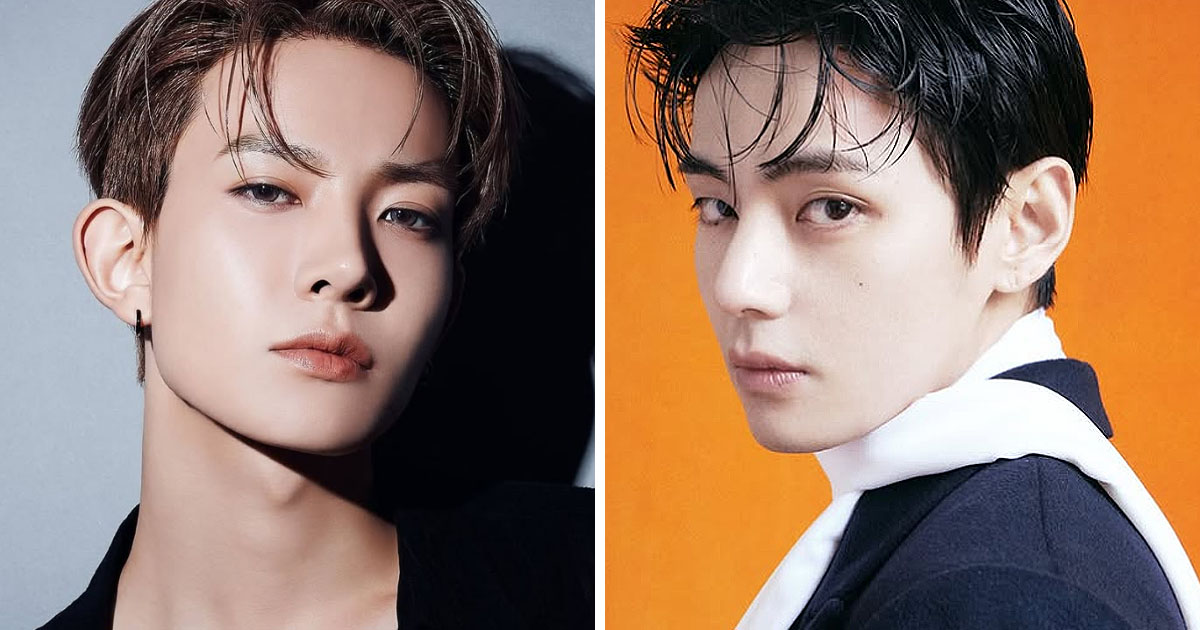

The conversation is perpetual, passionate, and often impossible to settle: who is the best? In K-Pop, where artistry is multifaceted, the title of "best vocalist" carries immense weight, signifying not just technical prowess but emotional resonance, stylistic versatility, and an almost mythic connection to the audience. For years, debates raged across forums and SNS, often fragmented by fandom lines. But in early 2026, a landmark poll sought to bring a definitive, data-driven answer—at least within the vast and varied empire of HYBE Labels.
The results, unveiled this week by a major fan data aggregator, have sent shockwaves through the community. With tens of thousands of verified fan votes cast, the poll didn't just rank singers; it mapped the evolving vocal hierarchy of the industry's most influential conglomerate. It highlighted the enduring legacy of established icons, celebrated the explosive rise of newer talents, and, most strikingly, revealed a winner so dominant that he commanded nearly half of all votes cast—a level of consensus rarely seen in the notoriously divided K-Pop landscape. This isn't just a list; it's a cultural snapshot, a testament to whose voice, quite literally, defines the current era.
The Contenders: A Landscape of Legends and Prodigies
To understand the gravity of this poll, one must first appreciate the sheer depth of vocal talent housed under the HYBE umbrella. This is no small pool of homogeneous voices. The conglomerate's portfolio spans multiple generations and sub-labels, each with a distinct musical identity. From the foundational, emotion-wrought belting of early 2010s idols to the intricate, R&B-influenced melismas of today's fourth and fifth-generation stars, the playing field is staggeringly diverse.
The Pillars: BTS and SEVENTEEN's Enduring Legacy
Any discussion of HYBE's vocal power begins with its pillars: BTS's Jungkook and V (Kim Taehyung), and SEVENTEEN's DK (Lee Seokmin) and Seungkwan. These artists didn't just sing; they built the foundational sonic identity of their companies, now absorbed into the HYBE constellation. Jungkook's title as "Golden Maknae" is inextricably linked to his reliable, powerful, and versatile tenor, the backbone of countless BTS hits. V's iconic baritone, a rarity in the idol scene, redefined what a "main vocal" color could be, injecting a dusky, soulful gravity into tracks.
"The voices of BTS's vocal line weren't just heard; they were felt on a global scale, teaching a worldwide audience to appreciate the nuance of Korean vocal delivery within pop music," notes a veteran vocal coach familiar with HYBE's training system.
Similarly, SEVENTEEN's power vocalists, DK and Seungkwan, are often cited as two of the technically strongest male singers in all of idol history. Their ability to support complex ad-libs and hit soaring high notes with stability during intense choreography set a new benchmark for performance-based singing. Their inclusion, high in the rankings, was a foregone conclusion, representing the classical idol vocal standard.
The New Wave: TOMORROW X TOGETHER, ENHYPEN, & The Soloists
The poll's true intrigue lay in how the newer generation would stack up against these titans. TOMORROW X TOGETHER (TXT)'s Taehyun, with his clear, sharp, and emotionally penetrating tone, has long been praised for his technical growth and raw expressiveness. ENHYPEN's Heeseung represents the quintessential HYBE "all-rounder"—a superb vocalist, dancer, and performer whose smooth, agile voice anchors the group's darker sonic concepts. Then there are the breakout soloists and actors who emerged from HYBE's expanding ecosystem, artists like former NU'EST and now acclaimed soloist Baekho (Kang Dongho), whose powerful, soul-influenced vocals have found a stunning second act.
This created a fascinating dynamic: the weight of legacy versus the momentum of current popularity and the recognition of pure, unadulterated skill. Voters weren't just judging a single high note from a music show; they were evaluating entire careers, recent comebacks, solo projects, and live consistency. For a deeper look at how fan perception shapes an idol's career beyond music, our analysis of SEVENTEEN’s Mingyu's past challenges reveals the complex interplay between artistry and public sentiment.
The 2026 Rankings: A Breakdown of the Top Tier
When the data was finalized, the hierarchy presented a compelling narrative of respect, surprise, and one overwhelming favorite.

The Top Five: A Mix of Destiny and Disruption
Landing at number five was SEVENTEEN's Seungkwan. Widely regarded as one of K-Pop's most technically proficient vocalists, his placement here speaks less to any decline in ability—his recent solo OSTs have been masterclasses—and more to the poll's nature as a measure of broad, cross-fandom appeal as much as pure technique. At number four was BTS's Jungkook. His status as a global superstar is unquestioned, and his post-military solo work has shown remarkable artistic maturity. Voters acknowledged his unparalleled consistency and role as HYBE's most recognizable voice, even if others edged him out in specialized vocal praise.
The bronze medal, at number three, went to ENHYPEN's Heeseung. This is perhaps the most telling result of the upper tier. Heeseung's rise signifies a decisive shift. As the central voice of one of HYBE's most commercially successful active groups, his technical skill, combined with his constant visibility and a series of jaw-dropping live performances in 2025, cemented his place as the leading vocalist of the "new guard." He bridged the gap between generations.
In a stunning but deserved second place was BTS's V (Kim Taehyung). His trajectory is unique. Initially not a main vocal, V's distinct baritone and profound artistic evolution have crafted a legacy all his own. His solo album, coupled with his acting ventures, has showcased a vocal depth and interpretive skill that transcends idol pop, appealing to a wide demographic. He is, in many ways, HYBE's most distinctive vocal color. His runner-up status highlights how a unique timbre can rival even the most powerful of traditional voices. It's a testament to the fact that sometimes, a singular encounter with artistry can be life-changing, much like the childhood moment that nearly steered V away from his destiny.
The Uncontested Champion: A Victory for Vocal Virtuosity
And then, there was number one. Capturing a staggering 47.8% of the total vote, the title of HYBE's Best Male Singer of 2026, as decided by fans, goes to SEVENTEEN's DK (Lee Seokmin).
"The data wasn't just clear; it was emphatic. Across nearly every age demographic and fandom subset we sampled, DK's name appeared at or near the top. It was a landslide rooted in universal respect," shared a representative from the polling agency.
This wasn't a surprise to vocal purists, but the scale of his victory was breathtaking. DK represents the apex of the "idol power vocalist." His technique, honed over a decade, is impeccable—showcasing robust support, an impressive range, and dynamic control that moves effortlessly from gentle tenderness to explosive, emotive belts. But the poll suggests it's more than technique. In the years since SEVENTEEN's military enlistments began, DK's activities in musical theatre—most notably his acclaimed leading role in "Werther"—have displayed his vocals in a new, dramatic context, earning him mainstream critical acclaim and introducing his talent to a non-idol audience.
Furthermore, his consistent, flawlessly delivered performances on variety shows like "Lee Mujin's Service" have become viral sensations, reminding everyone of the raw power of a world-class voice singing live without pretense. In an era where production can mask imperfections, DK stands as a beacon of undeniable, unassailable live skill. Fans weren't just voting for a favorite; they were affirming a standard.
The Fandom Frenzy: Celebration, Debate, and Unexpected Unity
The reaction across social media platforms like X (formerly Twitter), Instagram, and fan community apps has been, unsurprisingly, volcanic. The hashtag #디케의목소리 (D.K's Voice) trended globally for over 24 hours, flooded with clips of his most iconic vocal moments—from early SEVENTEEN B-sides to his recent theatrical solos.
CARATs (SEVENTEEN's fandom) are, of course, in celebratory overdrive, viewing the result as long-overdue widespread recognition for an idol they've always considered peerless. "This is not just a win for DK, but a win for every fan who values vocal prowess above all," one fan tweeted, garnering hundreds of thousands of likes. ARMYs have largely reacted with gracious pride for Jungkook and V's high placements, with many acknowledging DK's technical supremacy while championing their own biases' unique colors and global impact.
Perhaps most fascinating is the reaction from ENGENEs (ENHYPEN's fandom) and MOAs (TXT's fandom). There's a palpable sense of pride in seeing Heeseung and Taehyun ranked alongside such legendary figures. "Seeing Heeseung in the top three feels like validation for all the years we've spent talking about his vocals. He's standing shoulder-to-shoulder with the sunbaes we all admire," commented a fan on Weverse. This has fostered a rare moment of inter-fandom respect, with fans of different groups exchanging praise and favorite performance links, using the poll as a shared reference point for quality.
Naturally, no poll is without dissent. Some niche forums have questioned the methodology, arguing that the sheer size of certain fandoms could skew results. Others passionately advocate for other talented HYBE vocalists like &TEAM's K or soloist Baekho, who placed just outside the top five. Yet, the overwhelming consensus is that the top three, and particularly DK's resounding victory, are a fair reflection of the current landscape. It's a reminder that while digital trends are fleeting, the respect for genuine talent is a constant. For more on how fan-idol interactions can dramatically shift public perception, the controversy detailed in Beyond the Bubble: When Idol-Fan Boundaries Blur offers a stark contrast to this moment of positive consensus.
Industry Impact: What This Poll Signals for HYBE's Future
Beyond fan celebrations, this poll sends a powerful message to the industry and, crucially, to HYBE's own corporate strategy. For years, the focus in K-Pop's global expansion has often been on dance, visuals, and production. This poll is a massive, fan-driven correction to that narrative.
First, it underscores the commercial and reputational value of elite vocal talent. DK's win, built on a foundation of musical theatre and live vocal showcases, proves that there is a massive, engaged audience for pure singing. This could incentivize HYBE to give its premier vocalists more platforms outside the traditional comeback cycle—more solo OSTs, concert tours focused on live bands, and ventures into theatrical performance. We may see a "vocalist branding" initiative, similar to how main dancers are often highlighted in special performance videos.
Second, it validates HYBE's training system. Heeseung's high ranking as a fourth-generation idol demonstrates that the company's ability to identify and nurture top-tier vocal talent remains strong. This will be a key talking point for ILLIT, BOYNEXTDOOR, and future trainee debuts, promising fans that vocal excellence remains a core pillar, even as the company explores new sounds and technologies. In an age questioning authenticity, as explored in our article on Digital Idols, Real Consequences, this fan-voted emphasis on raw, human skill is particularly significant.
Finally, it creates a new "vocal lineage" narrative for the company. The torch, in the public's eye, is being passed—not extinguished, but shared. The narrative is no longer just about BTS's vocal line; it's about a continuum that includes DK and Seungkwan, through Heeseung and Taehyun, and onto the next generation. This strengthens HYBE's identity as a "music-first" company, diversifying its brand beyond any single group and creating a legacy that can endure for decades. For a complete overview of the artists shaping this legacy, visit our comprehensive Artists page.
The Road Ahead: Voices Shaping the Next Era
So, what comes after a coronation? For DK, this fan-driven title is both an honor and a new benchmark. All eyes will be on his next move—be it a solo album, another musical role, or a defining performance with SEVENTEEN's full group return. The expectation for vocal perfection will be higher than ever.
For the other ranked artists, this poll serves as potent fuel. Jungkook's next solo project will be scrutinized for vocal innovation. V's continued work in jazz and soul-influenced genres will be followed with keen interest. Heeseung now carries the mantle as the standard-bearer for active fourth-gen groups, a role that will shape ENHYPEN's future musical direction. And for someone like TXT's Taehyun, a top-ten finish is a clear sign that his artistic intensity is being recognized, potentially paving the way for more solo vocal opportunities.
The poll also sets the stage for future showdowns. As HYBE debuts new boy groups and more members from existing groups launch solo careers, the 2026 ranking will be the baseline against which they are measured. The question "Can he be a top-tier HYBE vocalist?" will now have a very clear, fan-defined answer key.
Ultimately, the 2026 HYBE Best Male Singer poll did more than just rank voices. It captured a moment in time where appreciation for foundational skill has reached a fever pitch. In a digitally complex industry, fans used their collective voice to champion the human one. They affirmed that while trends in music and performance will always evolve, the power of a truly great singer to connect, overwhelm, and inspire remains the unconquerable peak. The echoes of this vote will resonate through HYBE's studios, practice rooms, and our Charts page for years to come, reminding everyone that in the end, it always comes back to the voice.