The world of K-Pop fandom is built on a delicate, unspoken contract: a commitment to mutual respect, however idealized, between artist and supporter. This past week, that contract was publicly—and violently—shredded not by an idol, but by an actor portraying one, sending shockwaves through the community that have little to do with ratings and everything to do with identity, legacy, and the very soul of the industry in a digital age. The controversy stems from off-camera remarks made by actor Kim Tae-ho, the star of the popular streaming drama Boyfriend On Demand, which have unleashed a torrent of anger, disappointment, and a profound debate about where the line between performance and performer truly lies.
A Scripted Fantasy Meets an Unscripted Reality
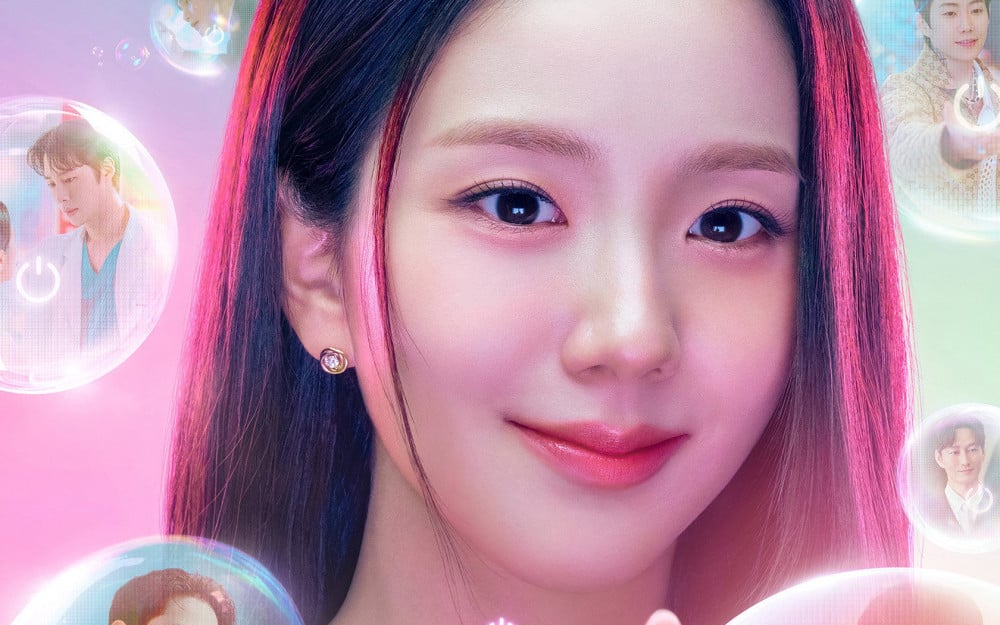
To understand the magnitude of the backlash, one must first understand the unique space Boyfriend On Demand occupies. The show, a hit on a major Korean streaming platform, is a meta-drama about the K-Pop industry itself. Kim Tae-ho plays Ji-chan, the leader of a top-tier boy group named Eclipse, who is contractually obligated to participate in a "virtual girlfriend experience" service for fans as part of a survival-style reality show plot. The drama cleverly critiques and capitalizes on idol culture, fan service, and the intense pressures of the business. For many fans, it's a thrilling, if sometimes uncomfortably accurate, peek behind the curtain.
Actor Kim Tae-ho, 28, was largely unknown before landing this breakout role. A graduate of a prestigious acting academy, he had minor parts in a few cable dramas. His casting was considered a risk, but his convincing portrayal of the conflicted, charming, and often exhausted idol leader Ji-chan won over viewers and made him an overnight sensation. His social media following ballooned with fans who, in a complex blurring of lines, often engaged with him as if he were the idol he portrayed. He leaned into this, sharing "behind-the-scenes" glimpses that mirrored idol content: practice room snippets, stylized photoshoots, and thoughtful, if vague, captions about "hard work" and "gratitude." The stage was set for a classic case of life imitating art—until the actor seemingly forgot which side of the camera he was on.
The Remarks That Broke the Illusion
The incident occurred not during a formal press event, but in what was intended to be a casual, informal live broadcast for a small group of VIP subscribers on a private platform. The stream was meant to celebrate the drama's recent award nomination. Approximately 40 minutes into the relaxed, loosely moderated chat, a subscriber asked a question that would become the catalyst: "Tae-ho-ssi, after living as Ji-chan for so long, what's the biggest difference you feel between being an actor and being a real idol?"
What followed was not a polished, diplomatic answer, but a surprisingly candid and, in the view of thousands, deeply disparaging monologue. A recording of the stream, later leaked to broader forums, captured Kim Tae-ho's response in full.
"Ah, that's an interesting question. Honestly, the biggest thing? The sheer... intellectual and emotional workload. As an actor, I have to build a character from the ground up. I study psychology, motivations, history. Ji-chan has a complete internal life that I had to create. A real idol... a lot of that is provided for them. The concept, the lyrics, the persona—it's a collaborative product. My job is to birth a person. Their job is to perfectly maintain a product. And the 'fan service' we show on the drama? It's satire. It's commentary. Seeing fans actually crave that from real people... it's fascinating, but sometimes it makes me wonder about the authenticity of that entire exchange. It's like they're in love with the manual, not the machine."
He continued, compounding the offense, by drawing a comparison to the rising trend of AI and virtual idols. "At least with a virtual idol, everyone knows it's not real. It's pure fantasy, cleanly presented. But with human idols, there's this messy pretense of a real relationship that's just as manufactured, but fans are convinced it's genuine. It must be psychologically exhausting for them to keep up that façade. I get to go home and turn Ji-chan off. They never can."
The immediate reaction in the live chat was a flurry of stunned emojis and a few defensive comments before the stream was abruptly ended. Within an hour, clipped versions focusing on the phrases "maintain a product," "in love with the manual," and the AI comparison were spreading across X (formerly Twitter), Instagram Reels, and the Korean forum Nate Pann. The headline was stark and unforgiving: The actor who profitably played an idol had just implied that real idols were less creative, less authentic "products" than either actors or computer-generated avatars, and that their fans were willingly engaged in a delusional exchange.
Deconstructing the Damage: A Multi-Layered Offense
The backlash was explosive because the remarks attacked multiple pillars of the industry simultaneously. First, they undermined the artistic integrity of idols, reducing their years of training, performance, and musical creation to merely "maintaining a product." This directly contradicts the intense, personal creative input many modern idol groups, from SEVENTEEN to Stray Kids, are known for. Second, they pathologized the fan-idol relationship, framing a cherished bond built on music, shared growth, and mutual support as a psychologically questionable "façade." Finally, and perhaps most provocatively, they positioned AI idols as a more "honest" alternative, a stance that feels existentially threatening to human artists and the fans who adore them.
This comes at a time when the industry is already grappling with the implications of AI, as seen in our analysis of how agencies like PLEDIS are building legal fortresses to protect their artists' likenesses and livelihoods. Kim Tae-ho's comments inadvertently poured gasoline on this simmering debate, framing it not as a legal or economic challenge, but as a philosophical one about authenticity. For a deeper look at how agencies are preparing for this new frontier, readers can explore Inside PLEDIS's Legal War Room: How SEVENTEEN's Agency Is Building a "Fortress" to Protect Its Artists Ahead of 2026.
The Fandom Eruption: Hurt, Anger, and a United Front
The reaction from multifandom communities was swift and severe. The hashtag #RespectRealIdols began trending globally within three hours, accompanied by #KimTaeHoApologize. The response was not limited to fans of any one group; it became a collective defense mechanism for the entire K-Pop community. Fans mobilized their considerable digital prowess to make their voices heard.
- Evidence of Labor: Fans created lengthy thread compilations—"proof of concept" documents highlighting idol songwriting credits, choreography creation vlogs, production studio behind-the-scenes footage, and heartfelt letters from idols about their artistic visions. These served as direct rebuttals to the "maintaining a product" claim.
- Personal Testimonies: Thousands shared stories of how their favorite idols' music and messages had genuinely helped them through difficult times, arguing that the impact was undeniably real and human, far beyond any "manual."
- Boycott Campaigns: Calls to cancel subscriptions to the streaming service hosting Boyfriend On Demand and to boycott any brands Kim Tae-ho was affiliated with began circulating. A major耳机 (earbud) brand he had recently modeled for saw its social media flooded with demands to drop him.
- Irony Highlighted: Many pointed out the profound irony: Kim Tae-ho, whose fame and paycheck were directly derived from mimicking and dramatizing the very idol life he now derided, was biting the hand that fed him. "He got famous playing a idol, then called real idols products. The lack of self-awareness is astronomical," wrote one viral tweet with over 100k likes.
The anger was also deeply personal. Fans who had supported Kim Tae-ho, buying into the charming "actor-idol" hybrid image he cultivated, felt profoundly betrayed. "I defended him when people said he was just riding the idol hype. I said he understood us. I feel so stupid and used," read a highly-upvoted post on an online community. This sense of personal betrayal amplified the scale of the backlash far beyond a typical industry scandal.
A Schism in the Narrative: Defenders and the "Just Honest" Camp
As with any firestorm, a counter-narrative emerged, though it remained a distinct minority. A small segment of netizens and some non-K-Pop focused media commentators argued that Kim Tae-ho was simply "being honest" and that his comments were a fair, if blunt, critique of an industry known for its controlled environments. "He's not wrong about the system," argued one YouTube commentator. "The idol system *is* manufactured. He just said the quiet part out loud and offended the consumers."
This defense, however, largely failed to gain traction within the core K-Pop sphere. Fans argued that acknowledging systemic pressures is one thing; dismissing the individual humanity, artistry, and agency of every idol within that system is another. It also ignored the active role fans play in shaping an idol's career beyond any company "manual," through their support for specific musical directions or concepts. For more on how fans influence legacy, the emotional story of Blue Skies' reunion is a powerful example, detailed in The Empty Chair: Blue Skies' Emotional Reunion Spotlights Min-jun's Mysterious Absence and a Generation's Legacy.
Industry Repercussions: Silence, Strategy, and a Shifting Landscape
The official industry response has been, tellingly, a near-universal silence. No major entertainment agency has issued a statement. No idols have publicly commented. This silence is deafening and strategic. For agencies, publicly engaging with an actor's inflammatory comments would only elevate the story and could be seen as dignifying an attack. Privately, however, sources suggest there is immense frustration. Kim Tae-ho's remarks are seen as a careless destabilization of the ecosystem from which he benefits.
"It's the ultimate outsider arrogance," shared an anonymous industry insider familiar with idol training. "He studied for a role for months. These kids dedicate their entire childhoods and youths. They pour their actual personalities, dreams, and traumas into their music. To equate that to following a manual is not just insulting; it reveals a fundamental ignorance of what he's been pretending to be part of."
The controversy also throws an uncomfortable spotlight on the drama's producers and the streaming platform. There is now internal debate about whether the second season of Boyfriend On Demand is viable. Can audiences continue to invest in Kim Tae-ho's portrayal of an idol when his off-screen views have so thoroughly broken the illusion? The drama's core appeal—its "insider" critique—now rings hollow, perceived as mockery rather than satire.
Furthermore, the AI comparison has inadvertently fueled ongoing union and rights discussions within the industry. If public perception begins to sway toward seeing idols as mere "products," it weakens the argument for their rights as artists and laborers. This aligns with broader generational struggles within groups, such as the emotional battles faced by NCT Dream as they fought for a permanent future, moving beyond the "product" lifecycle of a graduation system. The depth of that struggle is captured in our coverage Beyond The Tears: NCT DREAM’s Emotional Crossroads and the Fight for a Permanent Future.
What Comes Next: Apologies, Reckonings, and Unbreakable Bonds
As of this writing, Kim Tae-ho and his management agency have issued one brief, generic statement: "We are aware of the discussions regarding comments made during a recent private broadcast. We are reviewing the matter internally and ask for your understanding." This non-apology has only intensified calls for a direct, unequivocal, and detailed statement of contrition from the actor himself.
The path forward is fraught. A sincere apology may placate some, but the deep sense of betrayal within the fandom will likely leave a permanent stain on his career, particularly in any venture related to idol culture. Brand partnerships are already reviewing their contracts. The future of Boyfriend On Demand hangs in the balance. More importantly, the incident has served as a powerful, if painful, rallying cry for the K-Pop community.
In the end, this scandal is less about one actor's foot-in-mouth moment and more about a fundamental clash of perspectives. It is the clash between viewing K-Pop as a purely commercial output and understanding it as a complex, living culture of artistry, performance, and profoundly real human connection. The ferocity of the fan response proved that this connection is not a "facade" but a resilient, powerful force. It highlighted that fans are not passive consumers of a "manual" but active, discerning participants in a shared cultural journey.
This incident will likely accelerate trends already in motion: a greater emphasis on idols showcasing their creative hands-on roles, more direct and nuanced communication from artists, and a continued fierce defense of the human element in the face of digital alternatives. The bond between idols and fans, tested by this external critique, has emerged not weaker, but more self-aware and vocally defended. As the industry continues to evolve, one thing is clear: the "machine" Kim Tae-ho referenced has a heart, a soul, and a massive, mobilized global community that will fiercely protect it. For the latest on how these artists continue to shape the culture, follow our ongoing coverage on our News page and explore the profiles of your favorite performers on our Artists page.
The final chapter of this controversy is yet to be written, but its lesson is already etched into the digital landscape: in the world of K-Pop, authenticity is not just valued; it is passionately, and collectively, defined by those who live it and those who love it.