The recent mobilization of protest trucks by fans of the controversial fifth-gen idol S.K.Y—demanding his immediate return from a sudden, opaque hiatus—is not an isolated fan tantrum. It is a seminal case study in the new power dynamics of K-Pop, where hyper-organized, data-literate fandoms are weaponizing the very tools of promotion to challenge agency authority, forcing a public reckoning on mental health, artistic freedom, and the unsustainable idol contract. This marks a critical shift from passive support to active, confrontational stakeholder negotiation.
Table of Contents
- What Exactly Happened with S.K.Y and the Protest Trucks?
- Why Protest Trucks? The Shocking Evolution of Fan Activism
- Who is S.K.Y, and Why is He So Controversial?
- The Agency's Impossible Dilemma: PR, Pressure, and Precedent
- Beyond S.K.Y: A Sign of a Bigger, Industry-Wide Trend
- What Happens Next? Scenarios for S.K.Y and the Future of Fandom
- FAQ: Your Questions on Fan Protests, Answered
What Exactly Happened with S.K.Y and the Protest Trucks?
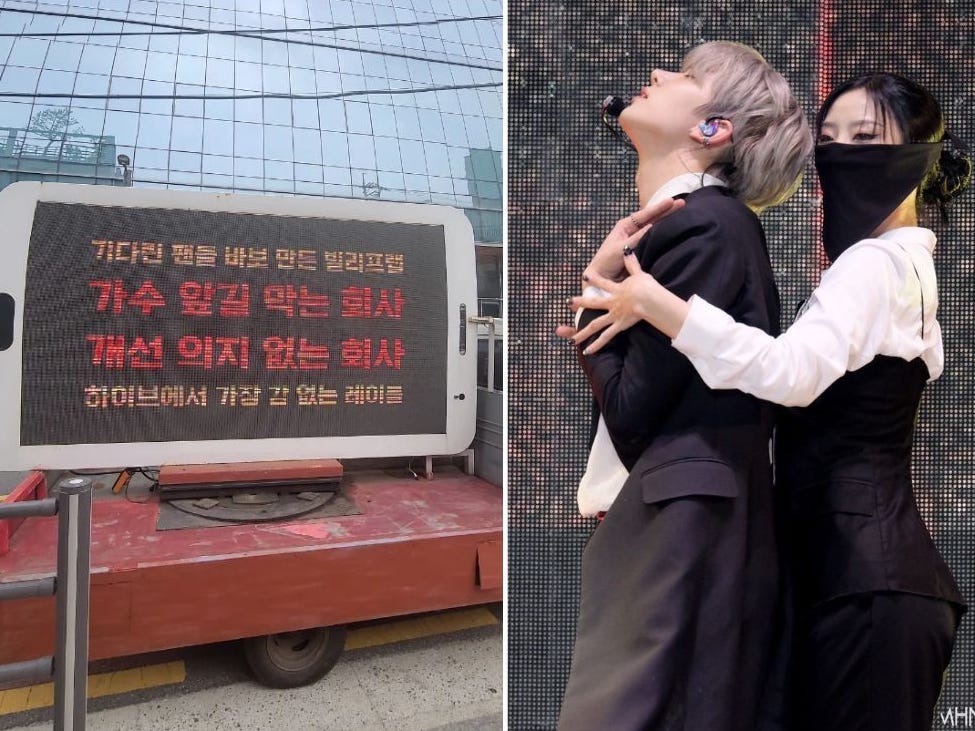
On a seemingly ordinary Tuesday morning, three large, black trucks plastered with digital banners encircled the sleek Gangnam headquarters of Nova Entertainment. Their message was direct, professional in its visual design, and devastatingly public.
The Demands, Displayed in HD
The banners did not contain fan art or loving messages. They listed three explicit, bullet-point demands: 1) A transparent, medical-verified explanation for S.K.Y's indefinite hiatus, announced just two weeks prior. 2) A clear timeline for his return to group activities with his quintet, ATLAS. 3) The immediate cessation of what fans termed "defamatory media play" by Nova's PR team, allegedly planting negative stories about S.K.Y's "attitude" to justify his removal.
The precision of the language signaled this was not a spontaneous outcry. This was a coordinated legal and PR strike by a fandom faction calling itself "Skyguard". Within hours, images of the trucks trended globally on Twitter, and Korean news outlets picked up the story, forcing Nova Entertainment to issue a terse, boilerplate statement about "reviewing all factors for the artist's well-being."
The Hiatus That Sparked the Fire
The hiatus announcement itself was classic K-Pop ambiguity. Nova's initial statement cited "health reasons and a need for personal rest" following the intense promo cycle for ATLAS's latest mini-album, "Gravity's Pull." However, S.K.Y had been notably absent from several recent scheduled VLIVE sessions and had posted uncharacteristically cryptic messages on Bubble in the days leading up to the announcement.
"Sometimes the brightest stars need to dim to remember their own light. Forgive the silence." – S.K.Y's final Bubble message before hiatus.
This departure from his usual witty, engaging persona set off alarm bells for Skyguard. Their subsequent investigation, as documented in lengthy Twitter threads, pointed to a sudden editing-out of his solo shots from a pre-filmed variety show segment, fueling speculation of a punitive, non-medical suspension.
Why Protest Trucks? The Shocking Evolution of Fan Activism
Gone are the days of simple hashtag campaigns. The protest truck—a staple for labor unions and political demonstrations in Korea—has been co-opted by fandoms as the ultimate tool for escalation. It is expensive, physically imposing, and impossible for media or company staff to ignore.
From Adoration to Admonishment: A Tool's Twisted Journey
Historically, fans pooled funds to send "support trucks" to drama sets or music show recordings, laden with food and gifts for their idols and staff. It was a gesture of love and economic power. The protest truck flips this script, using the same logistics and financial commitment to deliver public censure. It signals that the fandom's monetary pipeline, the lifeblood of any idol project, is under threat.
The calculus is simple: A trending topic can be buried. A flood of comments can be deleted or filtered. But a large, stationary vehicle broadcasting grievances directly outside a corporate office creates a tangible, photographable crisis that impacts employee morale, corporate image, and investor perception.
Cost, Coordination, and Consequence
Organizing a protest truck campaign is a complex operation. It requires:
- Substantial Funding: Renting a truck and digital display can cost several million KRW per day. Funds are collected via sophisticated, transparent fan union treasuries.
- Legal Navigation: Messaging must avoid libel while being pointed. Organizers often consult informally with legal-minded fans to draft text.
- Media Strategy: Timing the trucks for peak media traffic and ensuring photos are instantly disseminated to pre-alerted news desks and fanbases globally.
Who is S.K.Y, and Why is He So Controversial?
To understand the fervor, one must understand the idol. Kim Seok-yoon (S.K.Y), 21, is the main rapper, lead dancer, and undeniable "stan attractor" of ATLAS. His controversy is not born of scandal, but of aesthetic and philosophical rebellion within a tightly controlled system.
The "Unfiltered" Idol Persona
In an era of meticulously sanitized idol media training, S.K.Y built a brand on perceived authenticity. He is known for:
- Lengthy, philosophical Weverse and Bubble musings on identity, industry pressure, and art.
- Fashion choices that often blur gender lines, incorporating bold jewelry and designer pieces not typical for a male idol in a "powerful" concept group.
- Producing and writing credits on B-side tracks that explore darker, more personal themes than ATLAS's title track "heroic" narrative.
The Inciting Incident(s)
The tension reportedly peaked during the "Gravity's Pull" promotions. Industry insiders whispered of disagreements over creative direction for his solo stage. A live broadcast moment where he gave a terse, non-standard answer to a question about "happiness" went viral, framed by some media as "rude" and by fans as a "real human moment." The subsequent hiatus felt, to Skyguard, like a punishment for this non-conformity, not a legitimate health break.
Fan Perspective (Skyguard) Alleged Agency Perspective (Nova) Neutral Industry Analysis S.K.Y is a true artist being stifled by corporate greed. S.K.Y's unpredictability risks group cohesion and brand safety. A classic clash between individual artistic growth and homogeneous group branding. The hiatus is a punitive "cooling off" period to force compliance. The hiatus is a necessary medical and mental health intervention. Hiatuses are often multifunctional: part genuine care, part behavioral management. Protest trucks are a legitimate tool to hold the agency accountable. Protest trucks constitute fan harassment and create a hostile work environment. Fandom activism is a new market force that agencies lack a playbook to handle.The Agency's Impossible Dilemma: PR, Pressure, and Precedent
Nova Entertainment now faces a lose-lose public relations chess match. Every move is scrutinized, and each potential response sets a precedent for future dealings with not just Skyguard, but every fandom watching.
The Spectrum of Possible Responses
The company's playbook is limited and risky:
- Stand Firm: Ignore the trucks, maintain the hiatus. This risks radicalizing the fandom further, potentially leading to organized streaming boycotts or, in a worst-case scenario, a public display of abandonment at future ATLAS events.
- Accede to Demands: Provide a detailed report and timeline. This could be seen as capitulating to mob rule, encouraging similar tactics for any minor fan grievance, and potentially violating the artist's privacy if medical details are demanded.
- The "Leaked" Narrative: Plant a sympathetic, detailed story about S.K.Y's struggles through a friendly media outlet. This is a high-wire act; if perceived as manipulative, it could backfire spectacularly.
The Legal and Contractual Shadow
Beneath the public drama lies the ironclad idol contract. If S.K.Y's hiatus is, as fans fear, partially disciplinary, it likely hinges on clauses related to "conduct damaging to the artist's or company's image" or "failure to comply with reasonable scheduling directives." The protest trucks, ironically, could be used by the company as evidence of the "disruption" S.K.Y's persona incites, justifying a longer suspension. It’s a dangerous feedback loop, mirroring the high-stakes power plays seen in dramas like the one analyzed in "Beyond the Courtroom: How 'Phantom Lawyer' Mirrors K-Pop's Most Powerful Dynamics."
Beyond S.K.Y: A Sign of a Bigger, Industry-Wide Trend
The S.K.Y incident is the most visible symptom of a systemic shift in fifth-generation K-Pop. Fandoms are no longer just consumers; they are investors, archivists, publicists, and now, litigators.
The Data-Literate Fandom
Modern fan unions track everything: sales data, streaming numbers, media mentions, scheduling conflicts. They can build forensic timelines, like Skyguard did, to challenge official narratives. This data empowers them to make specific, evidence-based demands rather than emotional pleas.
The Erosion of the "Trust the Company" Doctrine
Years of industry scandals, from unfair contracts to the tragic passing of idols, have shattered the implicit trust that agencies always act in their artists' best interests. Fifth-gen fans, many of whom are older and witnessed these histories, operate from a default position of skepticism. They see themselves as a necessary external check on corporate power—a protection detail for their idol.
What Happens Next? Scenarios for S.K.Y and the Future of Fandom
The coming weeks will be critical, not just for ATLAS, but for the industry's blueprint on handling fan-led insurrections.
Potential Outcomes for S.K.Y and ATLAS
- Scenario A: Negotiated Return (Most Likely): Behind closed doors, Nova, S.K.Y, and his parents/legal rep reach a new understanding. A carefully worded follow-up statement acknowledges fan concern, provides slightly more (but still vague) context, and announces a tentative return date for a future comeback. The group proceeds, but with potentially altered dynamics.
- Scenario B: Protracted Hiatus/Solo Pivot: The standoff continues. S.K.Y remains inactive, and ATLAS promotes as a four-member unit for the next cycle. This risks permanent factionalization within the fandom and commercial underperformance, pushing the company to eventually develop S.K.Y as a solo act to mollify his fanbase.
- Scenario C: The Nuclear Option: Relationships break down irreparably. This could lead to a contract termination lawsuit or a non-renewal when the time comes. This is the worst-case scenario for group stability but could make S.K.Y a martyr and symbol for artistic freedom in K-Pop.
The New Normal for Fan-Agency Relations
This event will be studied. Agencies will now have to factor in the potential for militarized fan response into all crisis management plans. We may see the rise of more formal, but unofficial, communication channels between fan union representatives and agency PR teams—a kind of cold-war-era "hotline" to prevent escalation. Transparency, once a luxury, may become a necessary cost of business.
FAQ: Your Questions on Fan Protests, Answered
Q1: Are protest trucks actually effective?
A: Their effectiveness is measured in leverage, not immediate compliance. They rarely force an instant reversal. Instead, they inflict tangible PR damage and demonstrate the fandom's willingness to escalate, thereby strengthening the fandom's position in any subsequent private negotiation. They force the issue onto the public agenda.
Q2: Don't these protests hurt the idol's reputation more?
A: This is the central debate. Fans argue that public pressure protects the idol from private corporate abuse. Critics contend it creates a narrative of "difficulty" and "drama" that can harm an idol's long-term brand with the general public. The idol is often caught in the middle, their personal and professional crisis amplified.
Q3: How is this different from the "sasaeng" fan behavior of the past?
A: Crucial distinction. Sasaeng behavior is individualized, obsessive, and invasive (stalking, privacy violations). Protest truck campaigns are collective, political, and targeted at the corporation. They operate in the public, commercial sphere rather than the private, personal one. The methodology and intent are fundamentally different.
Q4: What's the endgame for a fandom if the company just ignores the trucks?
A: Escalation. The next steps can include: funding billboards in other key districts, organizing synchronized email/letter campaigns to company investors, boycotting specific brand deals, or, as a last resort, organizing a financial strike on the next comeback—a tactic with devastating commercial consequences.
Q5: Has this ever worked to bring an idol back?
A: There are precedents where fan pressure correlated with a change in outcome. In some historical cases, intense fan campaigns have led to agencies reversing decisions on member removals or unfair line distributions. However, the causality is hard to prove, as negotiations are always secret. The protest is a show of force to improve bargaining position.
The saga of S.K.Y and the protest trucks is a watershed moment. It conclusively proves that the fifth-generation K-Pop landscape is a tripartite power struggle between the idol, the agency, and the now-fully-mobilized fandom. The old top-down model is fracturing. While the methods are contentious, the underlying driver is a profound demand for accountability and respect—for the idol as a human and artist, and for the fandom as a invested stakeholder.
The path forward is murky. Agencies must learn to communicate with nuance and honesty in an age of radical transparency. Idols like S.K.Y, caught between artistic expression and system compliance, need clearer, healthier pathways. And fandoms must wrestle with the ethical weight of the immense power they now wield. This incident is not the end, but a loud, glaring beginning. To follow how these new dynamics reshape careers, keep a close watch on our Charts page for commercial impacts, and explore the artistic risks taken by other idols on our Artists page. The revolution will be televised—and it will likely arrive in a rented truck.