

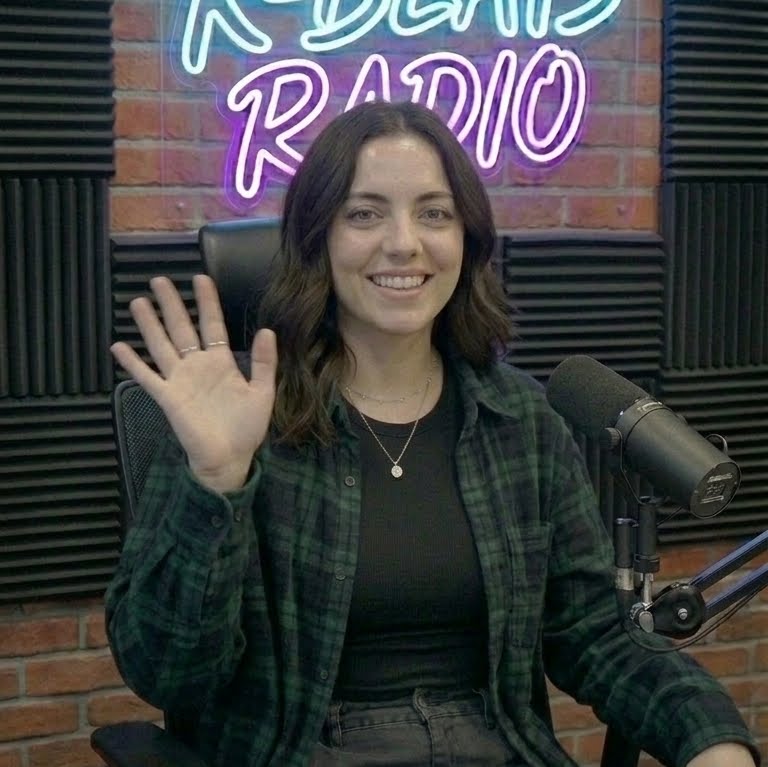
The K-pop news cycle is a relentless machine, often fueled by comebacks, awards, and dating scandals. But late yesterday, a different kind of announcement sent shockwaves through the community, one that cut to the very core of the industry's complex relationship with its fans. Rising girl group PIXCEL's agency, Stardust Entertainment, issued a terse, two-paragraph statement that was as final as it was devastating: member Lee Hana (23) had been permanently removed from the group and her contract terminated, effective immediately. The reason cited was a "severe violation of her contractual obligations regarding ethical conduct and fan engagement," a phrase that often hints at internal strife or a hidden scandal. Within hours, however, the sterile corporate language was scorched away by a raw, unvarnished truth. Lee Hana herself took to a private Instagram Live, and in a tear-streaked, 12-minute monologue, confirmed the darkest rumors swirling on forums and chatrooms. She admitted, with a chilling candor, to having been recorded mocking and belittling a dedicated male fan at a recent fansign event, repeatedly referring to him as "ugly" and "disgusting" to her fellow members backstage.
This isn't just a story about a single idol's fall from grace. It is a fissure that has cracked open a conversation the industry has meticulously glossed over for decades: the unspoken, yet rigidly enforced, hierarchy of aesthetics that extends beyond the idols themselves and onto the very people who empower them. The firing of Lee Hana exposes the toxic underbelly of visual-centric culture, where the currency of beauty is so dominant that it can be weaponized, even against those who offer unwavering support. As the fallout begins, it raises painful questions about entitlement, empathy, and the psychological contract between idol and fan that, once broken, may be impossible to repair.
The Ascent of PIXCEL and the "Perfect" Persona
To understand the magnitude of this scandal, one must first understand the pedestal from which Lee Hana fell. PIXCEL, debuting just under two years ago, was crafted as Stardust Entertainment's answer to the fourth-gen girl group supremacy battle. Their concept was "Neo-Glamour"—a fusion of sleek, futuristic sounds with classic, elegant visuals. From their debut track "Luminous," they were marketed not just as performers, but as paragons of polished, aspirational beauty. Each member had a meticulously defined "visual role": the classic beauty, the chic cool beauty, the cute beauty, and for Lee Hana, the "sharp, fox-like beauty." Her fansite master photos were legendary for capturing her delicate features and piercing gaze, and she consistently ranked highly in "visual member" polls on community sites.
The group's trajectory was steep. They secured several music show wins, saw steady digital sales, and cultivated a fiercely loyal, if moderately sized, fandom called "PIXELATORS." Their management was famously strict about image control, a common tactic discussed in our analysis of pre-comeback strategies in Digital Dystopia: How BTS's Pre-Comeback Imagery Ignited a Malicious Firestorm. Every public appearance, every variety show laugh, every fan interaction was carefully curated. Lee Hana, in particular, was known for her "princess-like" demeanor—soft-spoken, gracious in fansigns, and quick to tear up during heartfelt fan letters. This manufactured perfection made her subsequent confession not just a betrayal, but a stunning act of deconstruction, revealing the fragile human—flawed and cruel—beneath the flawless idol veneer.
The Incident: A Viral Audio Clip and a Soul-Baring Confession
The chain of events began not with the agency's statement, but in the shadowy corners of online fan communities. Three days ago, a muffled but clearly intelligible audio clip, allegedly recorded covertly backstage at a PIXCEL fansign event in Seoul, began to circulate on platforms like Instiz and theqoo. The clip, roughly 45 seconds long, featured a female voice, quickly identified by Korean netizens through vocal timbre and speech patterns as Lee Hana's, engaged in a conversation with at least two other people.
"Did you see him? The one in the green hoodie? I almost gagged when he handed me the album. His fingers were so... greasy. And his face... ugh, how can someone that ugly even come to a fansign? He must have saved up for months. It's so pathetic."
The clip captured laughter from the others before Hana's voice continued, "I had to smile so wide my cheeks hurt. Manager-nim would kill me if I didn't. But honestly, it's exhausting having to pretend for people like that. It's like serving a customer you want to kick out of the store."
Initially, Stardust Entertainment issued a boilerplate denial, threatening legal action against "malicious rumors and illegally obtained recordings." The fan in question, a man in his mid-20s who has chosen to remain anonymous, reportedly left the fan community entirely, deleting all his social media accounts dedicated to PIXCEL. The story might have faded into the graveyard of unproven K-pop rumors had Lee Hana not taken matters into her own hands.
The Live Broadcast That Changed Everything
Yesterday evening, bypassing her agency completely, Hana logged onto a private Instagram account. Her face, free of makeup and swollen from crying, filled the screen. For twelve minutes, she spoke directly to the camera, her voice trembling but clear.

"I am Lee Hana. Everything in that audio... is true," she began, delivering the confession that would become the nail in her professional coffin. "I said those horrible things. I called a fan who loves us, who supports us, ugly and pathetic. There is no excuse. I was tired, I was stressed about our rankings on the real-time charts, and I was immature and cruel." She detailed a culture of quiet complaining among some idols about "difficult" or "unattractive" fans, framing it as a toxic coping mechanism she had succumbed to. She apologized directly to the fan, to her PIXCEL members, and to PIXELATORS, but notably, she did not ask for forgiveness. "I have broken the most important rule. An idol's love for their fans should not be conditional on their face. I don't deserve to stand on that stage." Within thirty minutes of the Live ending, Stardust's termination announcement followed.
A Fandom Fractured: Outrage, Grief, and Uncomfortable Introspection
The reaction across social media and fan platforms has been a torrent of conflicting emotions, fracturing the once-unified PIXELATOR fandom. On Twitter and Weverse, the dominant sentiment is one of profound betrayal and moral outrage.
"We are not decorations for your ego. We are people who buy your albums, stream your songs, and defend you online. To be judged on our appearance by someone whose career is built on ours... it's the ultimate betrayal," tweeted a former fan with over 50,000 PIXCEL-related posts.
Many have rallied around the unnamed fan, sharing stories of their own insecurities about meeting idols, turning the incident into a painful moment of collective vulnerability.
However, a smaller, yet vocal, segment of fans—primarily on closed Discord servers and fan cafes—have expressed a more complicated, grieving anger. They are heartbroken by Hana's actions but furious at the "leak" and the agency's swift dismissal. "She was 23, under insane pressure, and she made a horrible mistake in private. She confessed and apologized without being forced. Was termination the only answer? She's been publicly executed," argued one fan on a popular forum. This division highlights the complex parasocial relationships at play, where the line between condemning an action and defending the person is painfully blurred.
The incident has also sparked a broader, uncomfortable conversation among multi-fans about the industry's silent judgments. Comments on platforms like TikTok and YouTube recount subtle moments—an idol's fleeting look of discomfort, a slightly stiffer posture with certain fans—that have taken on new, painful significance. As one commenter poignantly noted on our News page roundup, "This isn't just about Hana. It's about the fear that every idol we adore might secretly be disgusted by us." It echoes the invasive dynamics explored in When Fandom Crosses the Line, but from the inverse, equally damaging perspective.
Industry Reckoning: Beauty Standards, Fan Service, and the Ethical Contract
Beyond the immediate scandal, Lee Hana's termination forces a stark examination of systemic issues within the K-pop ecosystem. Firstly, it shines a glaring light on the industry's obsession with physical perfection, a theme often analyzed in brand reputation, such as in The New Guard Rises. Idols are selected, trained, and marketed primarily on their visuals. They exist in a bubble where beauty is quantifiable—through plastic surgery endorsements, "visual member" titles, and constant media scrutiny. Is it any surprise, analysts ask, that this warped value system can sometimes spill over into an idol's own perception of the world, creating a subconscious hierarchy where aesthetic value defines worth?
Secondly, it exposes the immense psychological weight of "fan service." The expectation for idols to perform genuine affection and gratitude 24/7 is unsustainable. While not excusing cruelty, industry psychologists have long warned that the pressure to manufacture intimacy for thousands of strangers can lead to resentment, burnout, and a dissociative state where fans become objects rather than people. Hana's comment about "serving a customer" is a chilling glimpse into this potential dehumanization.
"This incident is a watershed moment," says culture critic Park Ji-won, whom we contacted for comment. "Agencies have always focused on controlling an idol's *public* behavior. Now, they must confront the *private* attitudes that fuel that behavior. Termination is a quick fix for the agency's reputation, but it doesn't address the root cause. This is about ethics training, mental health support, and re-evaluating what we truly expect from these young performers. The fan-idol relationship is a two-way street of respect; it cannot be built on a foundation where one side is deemed visually unworthy."
The Precedent of Punishment
Stardust's decision to terminate, rather than suspend, is notable. Historically, agencies have opted for hiatuses and public apologies for a range of transgressions. The immediate and permanent severance indicates the agency viewed this as a fundamental breach of the idol-fan covenant, one that irrevocably poisoned Hana's commercial viability. It sets a new, harsh precedent for behavior deemed irredeemably damaging to the core brand promise of K-pop: accessible fantasy and reciprocal, albeit manufactured, love.
What Comes Next: For PIXCEL, For Hana, and For the Industry
The path forward is fraught with uncertainty for all involved. For PIXCEL, the immediate future involves damage control and rebranding. The group will likely go on a temporary hiatus before re-debuting as four, or potentially adding a new member—a process fraught with its own challenges. Their concept of "Neo-Glamour" may need a significant overhaul to distance itself from the hypocrisy this scandal revealed. Every future fansign event will be scrutinized, every smile from the remaining members parsed for authenticity.
For Lee Hana, the prospects are grim. A voluntary confession of this nature, while morally courageous in a sense, has effectively blacklisted her from the mainstream industry. The court of public opinion has rendered its verdict. Her name is now synonymous with elitist cruelty in a culture that prides itself, however superficially, on fan devotion. A career in entertainment, at least in Korea, seems untenable. Her story serves as the darkest possible cautionary tale.
For the industry, the imperative is clear. Agencies must look beyond vocal and dance training. Comprehensive ethical education and sustained psychological support must become non-negotiable pillars of the trainee and idol system. Fans, too, may begin to reassess their expectations, understanding the immense human pressure behind the perfect facade. This incident, painful as it is, could be the catalyst for a more honest, and ultimately healthier, dialogue about the human cost of the K-pop dream—a dream built as much on the real, sometimes "ugly," devotion of fans as it is on the polished beauty of the idols they worship. The fantasy has cracked. What emerges from the rubble remains to be seen, but the conversation can no longer be silenced. As we continue to follow the evolving landscape of K-pop, you can find updates on all your favorite artists on our Artists page.