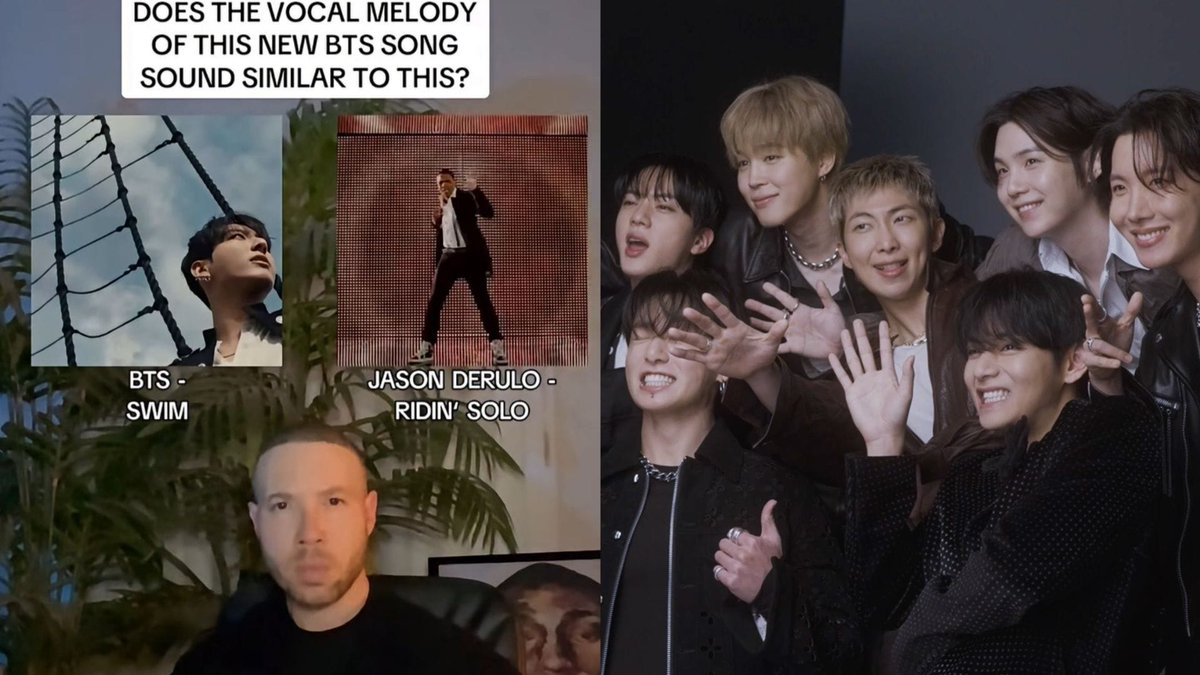

The serene, azure-blue teaser imagery for BTS's monumental comeback concert promised a celebration, a homecoming. Yet, beneath the surface, a turbulent undercurrent was about to break. This past week, the global music scene was rocked not by a chart-topping debut, but by a contentious debate erupting from within BTS's own camp. The catalyst? A song never officially meant for public ears in its raw form: the working version of the title track "SWIM," exposed in the recent documentary BEHIND THE BEAT. What was presented as a candid glimpse into the creative process has morphed into a full-blown plagiarism controversy, challenging the group's long-held reputation for artistic integrity and exposing a stark divide within the fandom and industry commentators alike.
The Calm Before the Storm: BTS's Unassailable Legacy
To understand the seismic impact of this allegation, one must first appreciate the pedestal upon which BTS resides. For over a decade, the seven-member group has built a legacy not just on record-breaking sales and stadium tours, but on a narrative of authentic, self-driven artistry. From their early days of socially-conscious hip-hop to their genre-defying later work, their discography has been framed as deeply personal, often drawing from the members' own experiences and direct contributions in the writing and production rooms. This perceived authenticity is a cornerstone of their connection with ARMY.
Their title tracks, in particular, are cultural events, scrutinized note by note. The process behind choosing a title track has sometimes been tumultuous, as recently revealed in their candid documentary. As we explored in a previous piece, "Behind The Beat: BTS's Candid Documentary Reveals Internal Strife & 'Anxiety' Over Historic Title Track", the selection of "SWIM" was not without its internal debates. However, those debates centered on sound, direction, and feel—not originality. The group's history is notably free of any major, sustained plagiarism claims, a rarity for artists of their stature and output. This clean record made the emerging allegations all the more shocking.
The Leak That Sank a Ship: Dissecting the "SWIM" Allegations
The controversy did not stem from the final, polished version of "SWIM" performed at the comeback concert. Instead, it ignited from the unvarnished, in-studio working version shown in the documentary. The clip, featuring the producers playing the instrumental track for a visibly contemplative RM and SUGA, was meant to humanize the creative struggle. Instead, it became Exhibit A.
The Core of the Controversy: A Striking Resemblance
Within hours of the documentary's release, music forums and social media platforms were flooded with side-by-side comparisons. The focal point of the allegation is the song's central, repeating melodic motif—a distinctive four-bar synth sequence and its accompanying chord progression. Detractors claim this core motif bears an "uncanny," "inescapable" resemblance to the hook of "Neon Pulse," a 2021 instrumental track by relatively obscure European electronic producer Mikael Sol. Furthermore, critics point to the rhythmic cadence of the pre-chorus vocal melody, suggesting parallels to a 2019 B-side by mid-tier idol group ATLAS.
One music producer, who requested anonymity to speak freely, broke it down for K-Beats:
"It's not about sampling, which is a declared, technical process. This is about melodic and harmonic construction. The interval jumps in the lead synth, the way the root note descends over that specific drum pattern in 'SWIM'... it's not a common progression in contemporary pop. To hear it mirrored so closely in a prior, niche work raises legitimate questions. The issue is whether the 'SWIM' producers were independently inspired by a similar musical idea, or if the line between inspiration and replication was blurred."
HYBE's Initial Response: Silence and Strategy
As the online discourse reached a fever pitch, HYBE Labels maintained a stony silence for 48 critical hours—a lifetime in the K-pop news cycle. This silence was deafening, fueling speculation and anger. Industry insiders suggest this pause was likely a strategic legal and PR assessment, weighing the merits of the claim against the volatility of public opinion. Their eventual statement, released via Weverse announcement, was characteristically brief and firm.

It read:
"The creative process for BTS's 'SWIM' involved original composition and arrangement by our in-house and collaborating producers. All due processes were followed. We are aware of the baseless comparisons circulating online and firmly deny any claims of plagiarism. Our legal team is monitoring the situation regarding the spread of malicious misinformation."
The statement, while definitive, did little to quell the storm. It offered no technical rebuttal, no point-by-point analysis to counter the detailed comparisons fans had already compiled. For many, it felt like a corporate dismissal rather than an artistic defense.
ARMY Divided: A Fandom at a Crossroads
The reaction from ARMY, typically a monolith of support, has been fractured, revealing the complex layers within the world's largest fanbase. The division underscores the tension between unconditional support and a principled stand for artistic ethics.
The Protective Vanguard
A significant portion of the fandom has mobilized into a defensive force, employing familiar tactics. Hashtags like #WeTrustBTSProducers and #OriginalSWIM trended globally. They argue that the similarities are coincidental, a product of using similar, popular synth sounds and common musical structures in the electropop genre. They point out that the compared tracks have minimal streaming numbers, questioning how HYBE's A-list producers would even encounter them. Their core argument is one of trust and precedent:
"BTS and Bang PD have always preached originality. After 10+ years, why would they start now? This is just anti-fans trying to tarnish the comeback,"tweeted a fan with over 200K followers.
The Critical Concern
Conversely, a vocal, thoughtful segment of the fanbase expresses profound disappointment and concern. These are often long-time fans who pride themselves on their deep engagement with BTS's musicality. On platforms like Reddit and niche blogging sites, their analysis is more technical and their sentiment more nuanced.
"I've bought every album since 2015. This isn't about hate; it's about love for the art," wrote one user in a lengthy post. "When I heard the clip in the documentary, my first thought was, 'That sounds familiar.' I found the Sol track in 15 minutes. That shouldn't happen. I want HYBE to address it properly, not with a blanket legal threat. Our boys' legacy deserves transparency."
This faction feels caught between defending their idols and upholding a standard they believe BTS themselves set. The situation is reminiscent of other digital controversies that split fan loyalties, such as "The Unfollow Heard 'Round the World" between LE SSERAFIM - PUREFLOW pt.1: What Just Landed" rel="internal">LE SSERAFIM members, though the stakes here are squarely about creative ownership.
Industry Echoes: The Double-Standard Debate Ignites
Beyond the fandom, the "SWIM" controversy has sparked a broader, more incendiary conversation about plagiarism standards in K-pop. The most potent phrase to emerge, echoing the source's summary, is: "If other artists did this...".
A History of Hypocrisy?
K-pop has a checkered history with plagiarism accusations. From rookie groups to top-tier acts, claims surface regularly, often met with swift, aggressive legal action from the accused agencies, or, in some cases, quiet settlements. Critics are now asking why the scrutiny applied to smaller or rival companies seems to soften when applied to an industry titan like HYBE.
A music critic for an independent publication told K-Beats:
"There's an undeniable hierarchy of credibility. When a group from a smaller agency faces similar claims, the court of public opinion often delivers a swift guilty verdict. Networks might blacklist them, shows might edit them out. But with BTS, the benefit of the doubt is immense. The conversation immediately shifts to 'coincidence' and 'common chords.' This isn't to pre-judge 'SWIM,' but to highlight the inconsistent lens through which these issues are viewed."
This double-standard debate touches a nerve because it intersects with larger issues of power dynamics in the industry. Can a company as powerful as HYBE effectively insulate its artists from such scrutiny through sheer influence and a formidable legal department? The controversy arrives at a time when HYBE is already under a microscope for its scale and impact, as seen in discussions around public resource allocation for massive comeback events.
The Precedent for Third-Gen Leaders
As third-generation idols like BTS navigate later career stages and groups like The Boyz face contract crossroads, their every move sets a precedent. How this situation is resolved could influence how legacy groups handle similar accusations in the future. Will it be through transparent communication, legal force, or silent weathering of the storm? The path HYBE chooses will be studied by every major agency.
Navigating the Currents: What Comes Next?
The immediate future hinges on two potential triggers. First, if Mikael Sol or the composers for ATLAS choose to make a formal claim or public statement, the situation would escalate from online debate to a potential legal or financial dispute. Currently, both parties have remained silent, though Sol reportedly "liked" several comparison posts on social media before un-liking them.
Second, the performance and reception of the final version of "SWIM" will be critical. The working version in the documentary was not the final mix. It is possible—though some argue unlikely given the core motif in question—that the produced track for the official release and subsequent performances differs significantly, muting the comparisons. All eyes will be on the real-time charts and critical reviews to see if the song's commercial and artistic success can overshadow the controversy.
Ultimately, this episode is a stress test. It tests the resilience of BTS's artist-brand, the loyalty and critical thinking of ARMY, and the accountability mechanisms within the K-pop industry itself. For BTS, who have consistently set new precedents for idol-media dynamics, this presents an unprecedented challenge to their narrative of unimpeachable creativity.
Whether "SWIM" ultimately sinks under the weight of these allegations or swims through to acclaim will depend on more than just melody charts. It will depend on transparency, the often-unforgiving court of public opinion, and whether the industry applies one standard for all, or two. One thing is certain: the conversation around originality in K-pop will never be quite the same. For the latest developments on this and other stories, follow our continuous coverage on the K-Beats News page.