
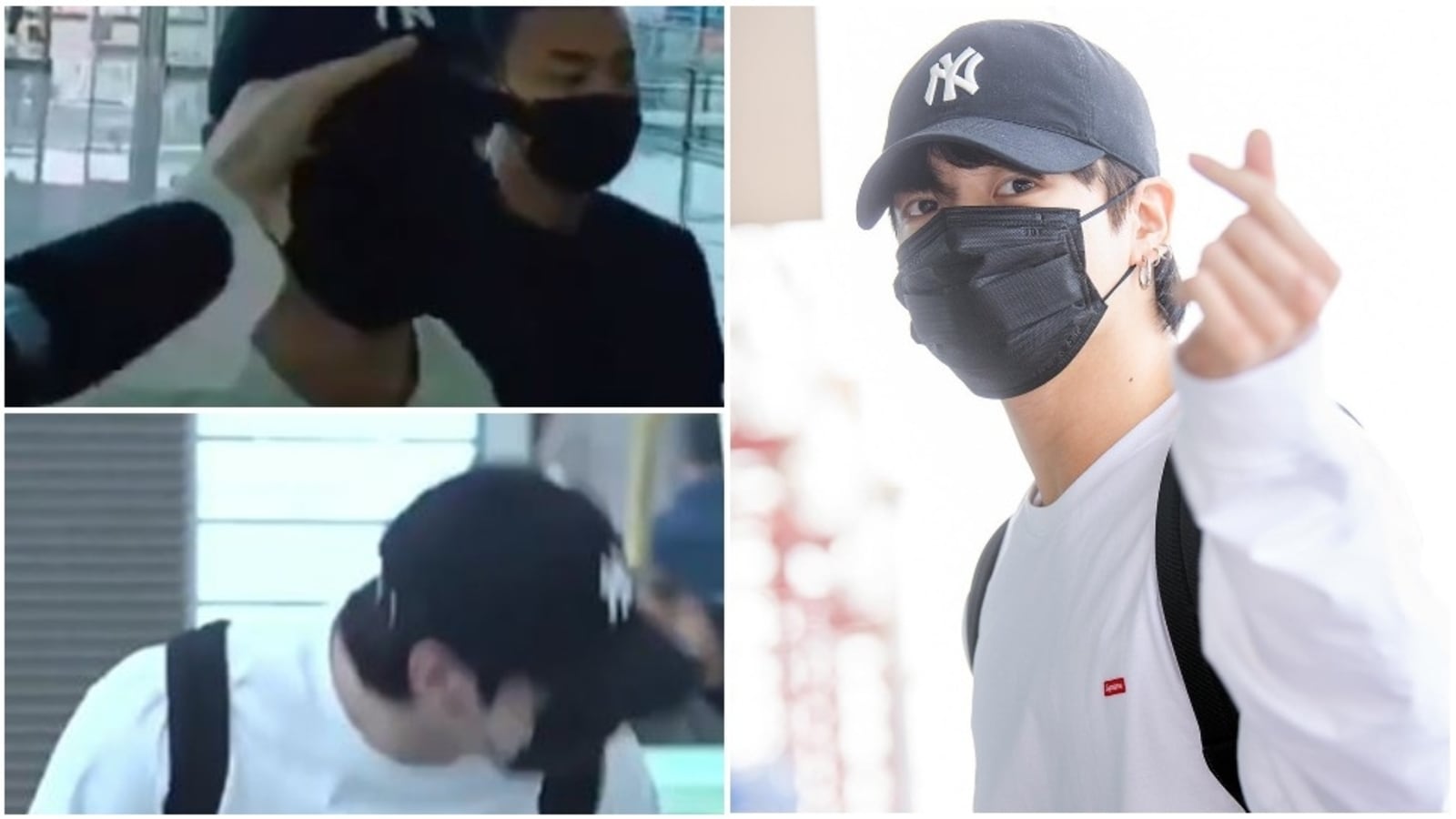
The world of celebrity photography operates on a simple, unspoken code: distance, discretion, and a relentless pursuit of the shot. For over a decade, the members of BTS have navigated this ecosystem, their every public movement documented by a legion of cameras that maintain a professional, if persistent, detachment. This established dynamic, however, appears to be undergoing a fascinating and public rupture when it comes to one member in particular—Jeon Jungkook. Recent candid admissions from veteran paparazzi, expressing feelings of personal embarrassment and a distinct shift in their own behavior while photographing the global superstar, have ignited a firestorm of analysis and debate. This isn't merely about a photo; it's a cultural moment that lays bare the evolving, and intensely personal, relationship between an idol in his imperial solo phase and the media machine that chronicles him.
A Decade in the Flashbulb Glare: BTS and the Paparazzi Pact
To understand the singularity of the "Jungkook Effect," one must first contextualize the historical relationship between BTS and the paparazzi. Debuting in 2013 from a then-small agency, Big Hit Entertainment (now HYBE), BTS's early media coverage was sparse, often limited to fan-taken images and official schedules. Their meteoric rise to global superstardom fundamentally altered South Korea's media landscape, creating a new tier of celebrity that demanded a new protocol. Paparazzi, accustomed to a certain hierarchy and predictable patterns, found themselves documenting a phenomenon that operated on a different scale entirely.
The Evolution of a Media Frontier
For years, the paparazzi's approach to BTS was characterized by a form of institutionalized respect born from sheer magnitude. The group traveled with formidable security; their public appearances were either highly choreographed official events or fleeting, shielded moments between vehicles and venues. Photographers developed a method of operating at the perimeter, capturing the spectacle of ARMY crowds and the group's unified, often solemn, public-facing demeanor during non-stage moments. As detailed in our analysis of their monumental Netflix comeback show conquest, their media strategies became global events, often bypassing traditional paparazzi avenues altogether.
Individual members were rarely stalked in the invasive manner common in other entertainment industries. This was partly due to HYBE's tight management, the members' notoriously private off-stage lives, and a cultural understanding within the Korean media scene about the boundaries surrounding artists of their unprecedented stature. Each member developed a recognizable, if distant, media persona: the thoughtful leader RM, the elusive artist Suga, the fashion-forward V. The camera's relationship with them was transactional and predictable.
The Unveiling of a Solo Persona: Candidacy, Charm, and the Camera
The launch of Jungkook's official solo career with the single "Seven" featuring Latto marked a paradigm shift, not just musically but visually and behaviorally. Stepping out from the protective, collective unit of BTS, Jungkook’s public persona underwent a dramatic and intentional evolution. This wasn't merely Jungkook of BTS; this was Jungkook, the global solo artist—a distinction he and his team meticulously crafted.
From Golden Maknae to Global Icon
His activities—from his "Seven" promotions to his later release "Standing Next to You"—presented a more accessible, spontaneously charismatic individual. We saw gym sessions shared on social media, playful fan interactions, and public outings where he appeared more relaxed and open. This curated candidacy, however, collided with the reality of his fame. Paparazzi lenses, once kept at bay by the group's collective shield, now found a singular, immensely popular target who was, by design, appearing more "human" and approachable in the public sphere.
The critical twist is Jungkook's inherent and seemingly unconscious demeanor in front of these unsanctioned cameras. Unlike the practiced, neutral "idol face" often adopted in transit, eyewitness accounts and the resulting photos frequently show a Jungkook who is smiling, making eye contact with fans beyond the photographers, or displaying a natural, unguarded body language. He isn't playing to the paparazzi, but his lack of overt deflection or visible irritation seems to disarm the expected script. This creates a unique dissonance for the photographer: their subject is the most famous pop star on the planet, yet his energy in these stolen moments can be disarming in its normality.
"I would be very embarrassed to take pictures in front of someone like Jungkook... It’s not that we don’t take pictures, but we try to keep a distance as much as possible. When Jungkook looks at the camera, it’s really... it makes you flustered."
This admission, sourced from paparazzi forums and industry chatter, is the heart of the story. The embarrassment isn't rooted in fear or intimidation by security, but in a perceived interpersonal friction. The photographer, usually an invisible observer, feels seen by the subject in a way that transforms the act from clandestine documentation into an awkward, almost shameful, interpersonal encounter. This is a radical departure from the norm. For a deeper look at how idols are forged in a system that often strips away such candidacy, our investigation into the "truly terrifying" trainee machine provides essential context.

The Ripple Effect: Fandom Analysis and Industry-Wide Implications
The ARMY's reaction to this narrative has been multifaceted, trending globally as fans dissected every angle. On platforms like Twitter and Weverse, the response blends protective pride with insightful cultural commentary.
ARMY's Protective Prism
Many fans express a sense of vindication, interpreting the paparazzi's discomfort as proof of Jungkook's genuine, good-natured character. "He's so pure that even the paparazzi feel guilty," is a common sentiment. Others use it to highlight the intense pressure and scrutiny he faces, arguing that his ability to remain kind-eyed in such situations is a testament to his strength. There is also a layer of humor, with fans creating memes and "what Jungkook sees" perspectives, playfully acknowledging the power of his gaze.
However, a more analytical segment of the fandom sees a darker undercurrent. They point out that this "embarrassment" does not stop the photography; it merely adds a layer of emotional complexity to the intrusion. They connect it to broader discussions about celebrity mental health and the ethical lines of persistent non-consensual photography, even if the subject handles it gracefully. This dovetails with ongoing conversations about the need for reformed media laws, a topic that surfaces often regarding idol safety, as seen during discussions around BTS's historic Gwanghwamun show.
A New Blueprint for Male Idol Media Relations?
From an industry perspective, this phenomenon is a case study in celebrity capital and perceived approachability. Jungkook occupies a unique nexus: he possesses the untouchable aura of a BTS member—a status that commands automatic respect and distance—but couples it with a freshly unleashed solo persona that broadcasts approachability and youthful charm. This combination seemingly short-circuits the traditional paparazzi protocol.
Industry insiders suggest this could signal a new phase for how top-tier male idols interact with non-official media. It's not about control through intimidation, but about an inadvertent influence through character. HYBE's strategy for Jungkook's solo rollout, which embraced a more "Western" style of public engagement (gym pap walks, casual café sightings), deliberately blurred the line between private and public. The unintended consequence may be a re-calibration of how photographers relate to him. They are not dealing with a guarded, frowning celebrity rushing past; they are dealing with a smiling, world-famous young man whose direct gaze forces a moment of self-reflection about their own role.
This dynamic also raises questions about the future of other members' solo activities. Will Jimin or V, each with their own distinct personal aura, elicit similar reactions? Or is this a phenomenon uniquely tied to Jungkook's specific combination of mega-fame, "golden maknae" legacy, and his current, confidently casual solo image? The industry is watching closely, as the strategies for managing solo careers in a post-group-activation phase are still being written. For more on how groups navigate these pivotal career junctures, our feature on The Boyz's contract crossroads offers a compelling parallel.
Looking Beyond the Lens: The Future of the Gaze
The "Jungkook Effect" on the paparazzi is more than a viral curiosity; it is a microcosm of his evolving position in the cultural firmament. As BTS progresses through its mandatory service period and its members deepen their individual artistic paths, their relationships with all facets of the media will continue to transform.
For Jungkook, this episode underscores his transition into a mature artist who commands space not just through his talent and fame, but through the palpable, disarming energy he projects. It suggests a future where his public interactions, whether planned or candid, will be filtered through this new understanding—that his mere presence can alter the behavior of those around him. As he prepares for his military enlistment, this moment solidifies a specific chapter of his solo identity: the idol who made the paparazzi blush.
For the media ecosystem, it's a lesson in the power of perceived authenticity. In an era where fans crave genuine connection, an idol's ability to remain human under the most dehumanizing scrutiny can become their most potent shield and their most defining feature. The journey from trainee to global superstar is paved with countless lessons, and as explored in features on idols across the industry, each artist's path is unique. This particular incident with Jungkook and the paparazzi may well be remembered as the moment the camera, for once, found itself truly seen—and didn't quite know how to process the image looking back.
The conversation continues to unfold in real-time on our news platform, as we monitor how this unique dynamic between artist and observer will influence the next generation of K-pop media engagement. One thing is certain: the rules of the game are changing, and Jungkook, perhaps unintentionally, is helping to write them.