

Opening
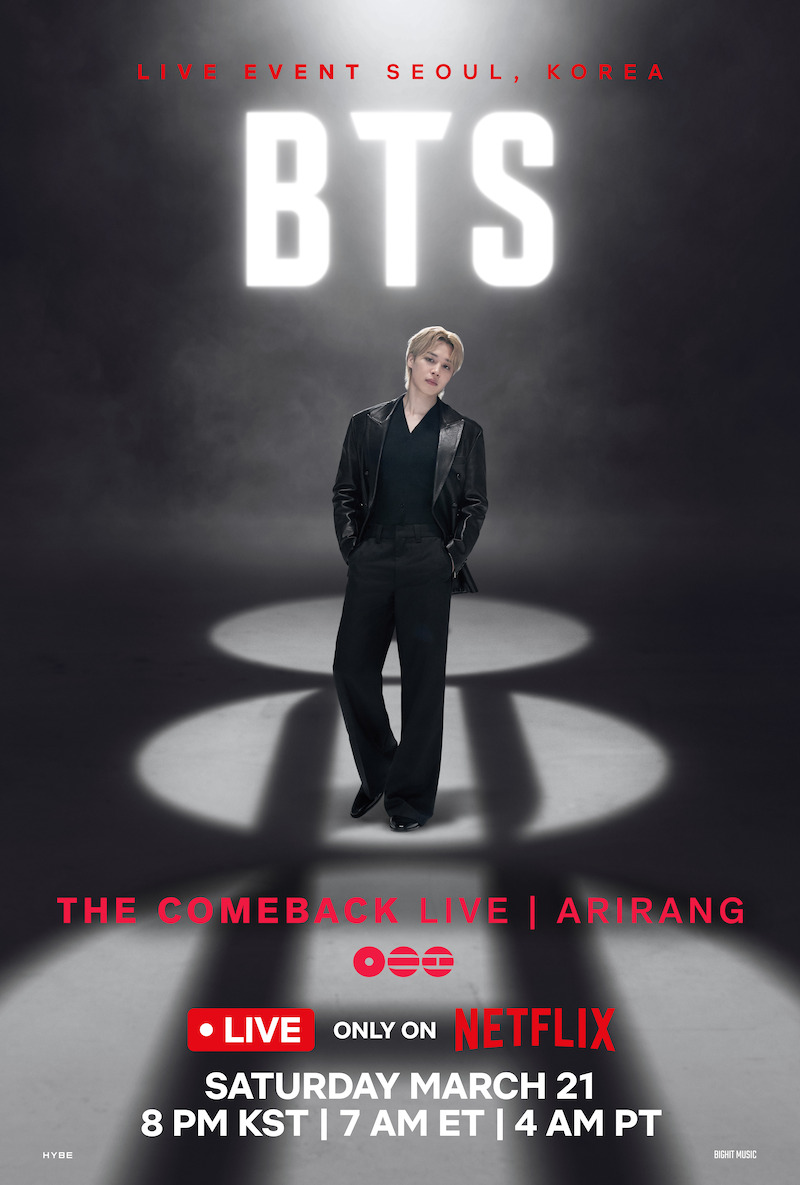
The glow of a smartphone screen, the shared anticipation across time zones, the collective inhale before the first note—this is the modern ritual of a K-Pop comeback. But on June 22nd, that ritual was transmuted, scaled, and beamed into living rooms on a platform synonymous with weekend binges and cinematic escapism. When BTS's meticulously staged comeback show for their anthology album 'Proof' landed on Netflix, it wasn't just another piece of content. It became a global event that redefined the metrics of success. According to data analytics firm FlixPatrol, the broadcast, titled 'BTS: Yet to Come in Cinemas', achieved the remarkable feat of ranking number one on the streaming giant's daily charts in a staggering 77 countries. This wasn't merely a win; it was a cultural takeover, demonstrating that the boundary between a music event and premium streaming content has not just blurred—it has vanished entirely.
The achievement speaks volumes, transcending the typical narratives of album sales and music video views. It places BTS in direct competition with Netflix's own billion-dollar series and A-list film projects, and wins. For ARMY, the fandom, it was a moment of vindication and celebration. For industry analysts, it was a seismic data point. And for every artist watching, it presented a compelling question: In a world saturated with digital content, how does one command global attention so completely? This is the story behind the chart position—a deep dive into the strategy, the execution, and the far-reaching implications of BTS's latest record-breaking maneuver.
Background: The Road to "Proof" and the Evolution of a Comeback
To understand the magnitude of this Netflix triumph, one must first appreciate the journey of BTS and the evolving art form of the K-Pop comeback itself. From their debut in 2013, BTS has treated the comeback not as a simple release, but as a high-concept narrative event. Each era is a chapter, each performance a piece of world-building. Over the years, their comeback strategies have grown in scale and sophistication, from V Live countdowns to elaborate, pre-recorded online concerts like 'Bang Bang Con' during the pandemic, which set viewership records in their own right.
The 'Proof' era, however, arrived at a pivotal crossroads. Announced as an anthology project reflecting on their first nine years, it coincided with the group's announcement of a hiatus from group activities to focus on solo endeavors and mandatory military service. This lent the comeback an immense emotional weight—a potential "last hurrah" for the foreseeable future. The pressure was not just to perform, but to commemorate, to summarize, and to offer closure while promising a future. The traditional methods—music show appearances, a domestic showcase—would not suffice for a moment of this significance.
This context is crucial. The group's management, HYBE, has long been a pioneer in direct-to-fan content and alternative distribution. Their partnership with Netflix was not a one-off but a strategic escalation. It built upon previous successes like the 'BTS: Break The Silence' documentary series but applied that model to a live, premiere-event format. They were leveraging Netflix's unparalleled global infrastructure to host what was, in essence, the world's most accessible, high-definition comeback showcase. For more on the personal journeys that brought the members to this pivotal moment, including the individual struggles with fame and purpose, our deep dive on The Crossroads at Seven offers profound insight.
From Cinemas to Living Rooms: A Hybrid Release Strategy
The "Yet to Come" show was initially a cinematic event, broadcast live to theaters worldwide on June 12th. This theatrical release generated massive buzz and a sense of communal, event-viewing. The Netflix release nine days later served a dual purpose: it capitalized on that existing buzz, offering a second-wave experience for those who attended in theaters and a first-time viewing for millions more. It transformed a time-limited event into a permanent, on-demand piece of the group's legacy on one of the world's most viewed platforms. This hybrid model—theater for event prestige, streaming for ubiquity and longevity—is a masterclass in maximizing a content asset's reach and lifecycle.
The News: Deconstructing a Global Chart Domination
FlixPatrol's data provides a concrete, jaw-dropping map of BTS's influence. Topping the Netflix charts in 77 countries means the show outperformed all other Netflix Originals, blockbuster films, and trending series in diverse markets across six continents. It claimed the #1 spot not only in expected strongholds like South Korea, the United States, Japan, Brazil, and across Southeast Asia, but also in nations like Saudi Arabia, Peru, Kenya, and Poland. This geographic spread underscores a universal appeal that transcends language and culture, a hallmark of BTS's career.
"A music performance special debuting at #1 globally is exceptionally rare. It typically indicates not just a dedicated fanbase, but a widespread cultural moment that pulls in casual viewers. BTS, through Netflix, achieved a level of mainstream platform penetration that very few musical acts ever do," commented a streaming industry analyst who preferred to remain anonymous.
The metrics go beyond simple ranking. Netflix's "Top 10" feature, while not disclosing exact viewership hours for specific titles, indicates a volume of consumption that triggered its algorithm to promote the show aggressively on its homepages worldwide. This created a virtuous cycle: fan-driven viewing pushed it into the charts, which then exposed it to Netflix's general subscriber base, leading to even more views. The content itself—a polished, high-energy concert film featuring performances of new tracks like "Yet to Come" and "Run BTS" alongside iconic hits, coupled with candid behind-the-scenes moments—was crafted to satisfy both the initiated ARMY and the curious newcomer. It functioned as both a celebration and a compelling introduction.

This success also highlights a shift in how music is consumed. Fans are no longer satisfied with just an audio track or a music video; they crave the experience of the performance, the camaraderie of a live audience, and the narrative arc of a full show. By providing a pristine, intimate front-row seat to a choreographed spectacle, BTS and Netflix delivered that experience directly, on demand. For the latest on other groups making waves on global charts through innovative releases, check out our coverage of P1Harmony's historic Billboard 200 entry.
Fan & Community Reaction: ARMY's Orchestrated Symphony of Support
The digital streets of ARMY were alight with a coordinated, yet organic, celebration. This was not a passive viewing event; it was a campaign. Across social media platforms, fans shared screenshots of their Netflix #1 rankings, created "watch party" schedules across different time zones, and flooded hashtags like #YetToComeOnNetflix and #BTS_Proof with memes, clips, and emotional testimonials. The language of the response was telling: it was filled with pride not just in the music, but in the achievement itself.
On Weverse, the fan community platform, members posted thousands of messages expressing how the Netflix availability allowed them to watch with family members who were not fans, effectively using the platform's accessibility as a tool for evangelism. "My dad finally sat through a whole BTS performance because it was right there on the TV next to his usual shows," one fan from Italy wrote. "He didn't understand the lyrics, but he said he gets the spectacle now." This anecdote points to a key facet of the reaction: the normalization of BTS within mainstream entertainment spheres. Netflix served as a legitimizing bridge.
The reaction also carried a poignant tone. Given the group's impending hiatus, many fans framed their viewing as a collective act of preservation and gratitude. They weren't just streaming; they were creating a digital memorial, ensuring the performance would be easily re-watchable for years to come. This emotional investment directly fueled the engagement metrics that platforms like Netflix prize. As one fan project organizer told K-Beats, "We wanted the data to be so undeniable that it would show the world—and the industry—exactly what this group means. Topping 77 countries is that statement." For a look at how fan culture can also navigate controversy and cultural sensitivity, our analysis of The Unraveling Of A Scandal provides a contrasting perspective.
Industry Analysis: The Ripple Effect Across Music and Streaming
The implications of this event extend far beyond a single chart record. For the K-Pop industry, it provides a powerful new benchmark and a viable, lucrative distribution model. Other major agencies are undoubtedly studying this playbook. The traditional comeback showcase, often limited by venue size and geographic location, now has a clear, global alternative (or complement) in streaming platform partnerships. This democratizes access and potentially increases revenue streams through licensing deals.
For Netflix and other streaming services, it validates a growing content category: premium live music events. With competition intensifying, exclusive music specials from global superstars are a powerful way to attract and retain subscribers. BTS has proven the model's viability at the highest level. We can expect to see streaming wars escalate into bidding wars for exclusive rights to concert films and comeback specials from top-tier artists worldwide. This could reshape how tours are monetized, with streaming rights becoming a major contract point alongside ticket and merchandise sales.
Furthermore, this success challenges the very definition of a "hit." In an era where chart positions can be gamed and streaming numbers can be obscured, a #1 placement on Netflix's global chart is a transparent, aggregated measure of genuine, widespread viewer interest. It's a metric of cultural traction that is harder to manipulate and speaks to a different kind of engagement—one that requires a user to actively choose your content from a vast library for a significant period of time. It measures commitment.
The analysis also touches on the evolving role of the idol. BTS members are not just singers and dancers; they are the stars of their own cinematic universe, documentarians of their journey, and now, headline-worthy attractions on the world's largest streaming platform. This demands a new level of artistic and executive vision. For a darker look at the pressures and personas within the industry, the shocking revelations in The Curtain Falls: CLOUD 9's Zion Exposed serve as a stark reminder of the complexities behind the glittering facade. Discover more rising and established artists shaping the soundscape on our comprehensive Artists page.
What's Next: A Blueprint for Chapter 3 and Beyond
So, what does this mean for the future of BTS and the path they have charted? The Netflix triumph is a perfect capstone to the first chapter of their group activities—a demonstration of the systemic power they now wield. As the members embark on their solo "Chapter 2," they do so with the knowledge that their group's content can dominate the most competitive platforms. This sets a high bar and provides immense leverage for their individual projects, whether in music, film, or other ventures.
For HYBE, the mandate is clear: replicate and innovate. This model will likely be applied to other acts under the label, though tailored to their scale and audience. It also strengthens HYBE's hand in future negotiations with all distribution and broadcast partners. The message is that their artists don't just need traditional media; traditional media needs the audience their artists command.
For the wider K-Pop ecosystem, the call is to think bigger. The global infrastructure for distribution is in place. The challenge is creating content worthy of that scale. BTS's show worked because it was an event, a story, and a spectacle. It wasn't just a concert feed. This raises the production value and creative ambition required for all top-tier acts, pushing the entire industry forward artistically. To track how these ambitious projects perform, fans and analysts alike frequent our Charts page for real-time data and breakdowns.
In the end, BTS's #1 ranking in 77 countries is more than a news headline. It is a testament to a decade of building a genuine, global connection. It is a case study in modern media strategy. And most importantly, it is a signpost for the future, pointing toward a world where a K-Pop group's comeback can sit atop the same list as Hollywood's biggest productions, not as a novelty, but as a reigning champion. The curtain on one act may have fallen, but the show they've designed will illuminate the path for many acts to come.