

The Echoes of a Megaphone: When a Global Celebration Meets Local Scrutiny
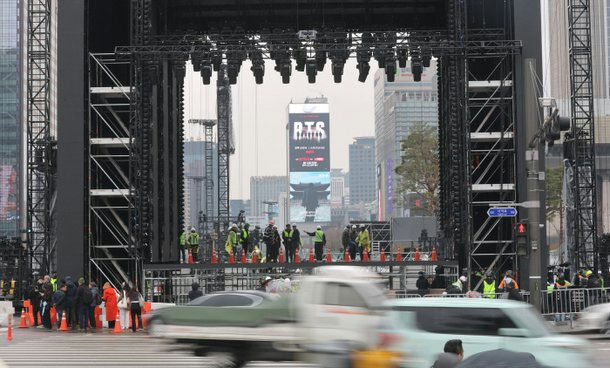
The air in Seoul crackled with a specific, palpable energy this past weekend—a mixture of unbridled euphoria, historic significance, and, simmering beneath the surface, a growing murmur of discontent. BTS, the global phenomenon that redefined Korean pop music's reach, staged their first full-group concert in their home country in years, a monumental event dubbed "BTS: The Grand Return." For millions of ARMYs (the band's dedicated fandom), it was a sacred homecoming, a moment of collective catharsis after a period of military-enforced hiatus and solo pursuits. The setlist was a carefully curated journey through their discography, a love letter to their journey. Yet, one particular song choice, performed against a backdrop of dazzling pyrotechnics and a drone light show visible for miles, has become the unlikely focal point of a much broader and more consequential debate: at what point does the scale of a K-pop event become a strain on the public infrastructure meant to serve an entire city?
This isn't merely about a lyric or a performance. The controversy, as reported by various outlets including Koreaboo, hinges on the concert's extensive utilization of public services—police for crowd control, traffic management, emergency medical teams, and fire department personnel—during a time when Seoul was grappling with a series of unrelated civic emergencies, including major protests and a significant subway line disruption. The critique paints the event not as an artistic failure, but as a potential misallocation of finite civic resources. To understand the weight of this moment, one must look at the intricate tapestry of BTS's current chapter, the immense logistical beast that is a BTS concert, and the ever-widening gap between idol mega-events and the cities that host them.
From Hiatus to Homecoming: The BTS Context
The path to "The Grand Return" has been a carefully mapped, emotionally charged journey for both the artists and their fans. Following the announcement of the members' mandatory military service enlistments, beginning with Jin in late 2022, the group entered a period of official hiatus from full-group activities. This era, however, was far from quiet. Each member launched successful solo projects, from Jung Kook's chart-topping pop singles to RM's introspective indie collaborations, all chronicled extensively on our News page. These endeavors solidified their individual artistic identities but also heightened the longing for their collective power.
The announcement of the Seoul concert sent shockwaves through the industry. It was framed not just as a concert, but as a definitive statement: BTS was back, and they were doing it at home first. Tickets vanished in seconds, with fans flooding into Seoul from every corner of the globe. The city prepared for an economic and cultural influx it had not seen since before the enlistment period. However, this context exists alongside a more nuanced history of BTS events interfacing with public systems. Their 2019 free concert in Gwanghwamun, for instance, required a massive, coordinated police operation, a precedent explored in our previous analysis, "Beyond The Barricades: Inside The Police's Proactive Security Stance For BTS's Historic Gwanghwamun Show." The scale has always been grand, but the current climate appears to have shifted the public's tolerance threshold.
The Weight of the Crown: Global Stardom and Local Logistics
BTS's concerts are not mere performances; they are logistical feats comparable to international sporting events or political summits. A standard BTS stadium show involves: coordinating international fan travel, securing venues with ultra-strict safety protocols, managing potential crowd surges that number in the hundreds of thousands, and deploying a small army of private and public security personnel. The group's management, HYBE, has historically worked closely with Seoul authorities, and reports indicate they followed all required protocols and paid standard fees for public services. The criticism, therefore, is less about procedural failure and more about philosophical prioritization in a moment of civic duress.
The Spark: "Not Today" and the Anatomy of a Controversy
The concert itself was, by all fan and critic accounts, a spectacular success artistically. The production value was staggering, the members' synergy was electric, and the emotional resonance was profound. The controversy centers on the encore segment, where the group launched into their 2017 anthem, "Not Today." The song, a powerful track about perseverance and defiance against all odds, is a fan favorite known for its militant, unifying choreography and the lyric, "All the underdogs in the world… a day may come when we lose, but it is not today."
Performed with towering flames, explosive confetti cannons, and a synchronized drone show depicting the group's logo, the moment was designed as a climactic celebration of resilience. However, critics argue that the imagery—particularly the controlled explosions and the mobilization of fire department units on standby for the pyrotechnics—felt jarring and ill-timed. On the same day, Seoul's fire services had been stretched thin responding to multiple minor blazes across the city and were on high alert due to the large-scale protests. The song's thematic call to "fight" and the visual spectacle of fire, they contend, clashed with the real-world strain on emergency services.
"When you see news alerts about fire crews delayed in responding to a residential kitchen fire because units are stationed at a concert for preventative measures, it makes you question the allocation," said Park Ji-hoon, a city council member who commented on the issue in a follow-up interview. "This isn't about BTS as artists. This is about a systemic issue where the planning of mega-events needs a more dynamic, real-time risk assessment model that considers the city's entire ecosystem on that given day."
Furthermore, traffic congestion paralyzed several key districts for hours beyond predictions, affecting not just concertgoers but also residents and businesses unrelated to the event. The police presence, while necessary for safety, was conspicuously drawn from precincts across the metropolitan area.

Beyond the Flames: The Real Resource Debate
The "song choice" narrative, while catchy, is somewhat of a red herring. Industry insiders suggest the true debate is operational. "The issue isn't the metaphor of the song," says Lee Soo-jin, an event security consultant who has worked with major agencies. "The issue is that our model for funding and deploying public services for for-profit mega-concerts is outdated. A flat fee doesn't account for opportunity cost. When a city is already under stress, should there be a mechanism to scale back non-essential support, or should the private promoter be required to hire more private contractors to fill the gap? That's the uncomfortable question Seoul, and every city hosting these groups, now faces."
A Fandom Divided: The Roar of the ARMY and the Murmur of the Public
The reaction from the BTS fandom has been multifaceted and intense. On global platforms like Twitter and Weverse, the dominant sentiment is one of defensive celebration. Many ARMYs argue that the group brings immense economic benefit and global prestige to Seoul, far outweighing temporary logistical hurdles. They point to sold-out hotels, packed restaurants, and a surge in tourism revenue as justification for the city's investment of resources.
"BTS has done more for Korea's image and economy than any other artist in history. For the city to support their safe return is the least they can do," tweeted a fan with over 100,000 followers. "The concert was a historic moment for Korean culture. Focusing on traffic is missing the forest for the trees."
However, a quieter, more nuanced conversation is happening on Korean online communities like Nate Pann and theqoo. While outright hate is minimal, there is a noticeable strain of pragmatic concern, particularly among Seoul residents who are not ARMYs. Comments express frustration over delayed commutes, the noise impact, and a sense that the city's normal functions are routinely hijacked by these events. This mirrors a broader, gentler version of the "return" discourse we've seen with other groups, as analyzed in our piece "The 5 That Got Away: A Deep Dive Into The Idols Fans Are Desperate To See Come Home." The desire for a group's return is universal among fans, but the real-world implications of that return are felt locally.
The International Lens: A Different View
International media coverage has largely focused on the spectacular success of the concert, with the resource debate treated as a local footnote. This disconnect highlights a global reality: the international audience consumes the cultural product without experiencing the civic side-effects. For them, BTS's comeback is a streaming event, a trending topic, and a highlight reel—a phenomenon further explored in our analysis of their Netflix success, "Beyond the Screen: How BTS's Comeback Show Conquest on Netflix Signals a New Paradigm for Live Music."
Industry at a Crossroads: The Unavoidable Question of Scale
This incident is not an isolated BTS problem; it is a bellwether for the entire K-pop industry. The success of groups like BLACKPINK, SEVENTEEN, and Stray Kids means larger world tours, bigger stadium shows, and greater demands on host cities. The industry's business model is built on this scale: more fans, bigger venues, greater spectacle. But what happens when the infrastructure of even a world-class city like Seoul begins to creak under the weight?
"We are witnessing the growing pains of a hyper-globalized music industry," says cultural critic Kim Hyeon-woo. "HYBE and other major agencies are corporations operating on a global stadium level, but they are reliant on local municipal systems designed for a different era. The conversation moving forward will be about partnership models. Should agencies invest directly in private, mobile security and traffic management divisions? Should cities create a premium, cost-recovery tier for 'mega-event' status? The old way is clearly not sustainable."
This moment also intersects with the industry's ongoing renegotiation of power, as seen in the contract renewals of third-generation groups. As discussed in "The Great Reckoning: How The Boyz's Contract Crossroads Signals a New Era for Third-Gen Idols," artists are gaining more control. This future agency-artist dynamic could include more say in how tours are structured to be more community-conscious, rather than purely spectacle-driven.
Furthermore, the debate touches on the very heart of the K-pop system's pressures. The relentless pursuit of bigger and better spectacle often overshadows sustainability, a pressure that starts in the trainee days, as revealed in our investigative feature "Beneath the Spotlight: A Candid Trio Exposes the 'Truly Terrifying' Heart of K-Pop's Trainee Machine." The mindset of "go bigger at all costs" is ingrained early and manifests at every level.
Looking Ahead: Reconciliation, Regulation, and the Future of Fan Events
So, where do we go from here? In the immediate term, expect a cautious statement from HYBE expressing gratitude to city officials and fans, while likely reiterating that all procedures were followed. Seoul's city government may initiate a behind-the-scenes review of its event permitting and public service reimbursement policies for events exceeding a certain size or risk profile.
For BTS, this is an unfortunate but perhaps inevitable footnote to their triumphant return. Their legacy is secure, and their fan connection unshaken. However, as they look toward future world tours, their team—and the teams of every group aiming for their stratosphere—will now have to factor in this new dimension of public sentiment and civic capacity. The narrative is expanding from "can we fill the stadium?" to "can the city handle us filling the stadium?"
The ultimate resolution may lie in innovation. We may see a rise in distributed events—multiple, slightly smaller shows over more days to ease single-day pressure. There could be a greater push for hybrid online-offline experiences to serve the global audience without requiring every fan to physically descend on one location. Agencies might champion the development of "pop-up infrastructure" designed specifically for mega-events.
For fans, the takeaway is complex. Supporting your idols now may also mean advocating for smarter, more sustainable event planning. The devotion that powers our Charts page and sells out stadiums worldwide is now colliding with the practicalities of urban life. The story of BTS's "Grand Return" concert will ultimately be remembered for its music and emotion. But its lasting impact on the industry might just be a sobering, necessary conversation about the real-world footprint of pop music's greatest spectacles, and the shared responsibility of artists, agencies, and cities to manage the weight of that crown.