
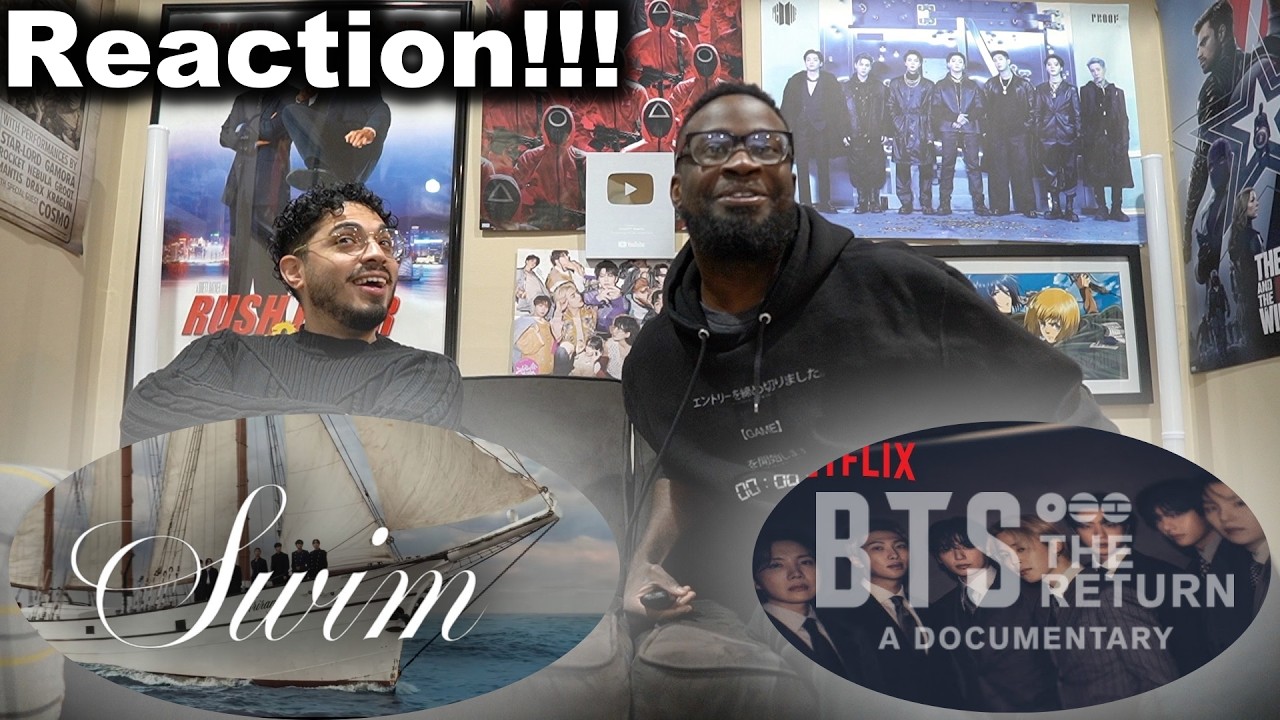

The image is iconic: BTS standing triumphantly on stage, drenched in artificial rain as the anthemic synth-bass of “SWIM” pulsates through a stadium of 60,000 roaring fans. The track, a masterful blend of introspective lyricism and explosive pop production, was the engine of their record-shattering ‘TIDES’ album campaign, praised by critics as a bold evolution. But a new, searingly honest documentary pulls back the curtain on a starkly different reality—one of profound doubt, hesitation, and internal conflict among the members themselves about the very song that would define an era.
A clip, leaked ahead of the full documentary's release and later confirmed by sourcing close to HYBE, features member Kim Namjoon (RM) in a candid post-production listening session. His expression is unreadable as the final mix plays. When asked for his thoughts, he sits in silence for a long moment before stating, with palpable gravity,
“I hesitate when I play it for people I know.”This single sentence, a quiet earthquake in the meticulously managed world of BTS, opens a floodgate of questions about the immense pressure of global superstardom and the fragile, often hidden, creative process behind the hits. This isn't a story of a failed track, but of a monumental success born from a place of deep artistic uncertainty—a dissonance the documentary promises to explore in unflinching detail.
The Calm Before the Storm: BTS at a Creative Crossroads
To understand the weight of RM’s confession, one must first understand the context of the ‘TIDES’ era. Coming off the monumental, genre-defying ‘MAP OF THE SOUL’ series and the pandemic-era juggernaut ‘BE’, BTS was at a pivotal point. The world had reopened, and with it came the pressure to deliver a "post-pandemic" masterpiece that could both meet the astronomical expectations of their global fame and satisfy their own relentless drive for artistic growth. As we analyzed in our piece on their Netflix comeback special, their global rollout strategies had become events unto themselves, raising the stakes exponentially.
Internally, the members were increasingly asserting their individual creative voices. SUGA’s prolific production work under Agust D, j-hope’s vibrant solo debut, and Jungkook’s chart-topping collaborations signaled a group of artists brimming with distinct ideas and directions. The selection of a title track for ‘TIDES’ was therefore more than a business decision; it was a complex negotiation of seven matured artistic identities. The documentary suggests the process was fraught, with “SWIM” emerging not as an unanimous favorite, but as a compromise shaped by external pressures from label executives and market forecasts—a scenario that echoes the commercial tensions faced by many senior groups, as seen in our report on The Boyz's contract crossroads.
The Weight of the Crown
The pressure was multidimensional. “SWIM,” with its metaphor of navigating overwhelming currents, was a sonic and thematic departure—more atmospheric, less immediately explosive than previous title tracks like “Dynamite” or “Butter.” Sources indicate that several members, including V and Jimin, expressed concerns that the track’s nuanced, moody build might not deliver the immediate “impact” expected of a BTS global single. There was a palpable fear, the documentary hints, of disappointing ARMY after a long hiatus, a sentiment that transmutes immense love into an equally immense burden.
"I Hesitate": Dissecting the Documentary's Revealing Core
The leaked clip and descriptions of the full film paint a picture of a group grappling with the finished product. RM’s statement is the focal point, but it is contextualized by reactions from other members. SUGA is reportedly seen in the documentary offering a more pragmatic, yet equally telling, perspective:
“We’ve reached a point where our personal taste and what BTS needs to be for the world don’t always align. That’s the struggle now.”

The footage reportedly shows the members in listening sessions, their body language tense. They debate the mix, the vocal processing, and the song’s structure. At one point, Jungkook questions if his vocal delivery captures the right “emotion,” expressing a desire to re-record—a request reportedly denied due to the immovable global release schedule. This glimpse into the final stages of production reveals a jarring disconnect: the world sees an unstoppable hit-making machine, while the artists themselves see a relentless race against time and expectation, where creative doubts are often a luxury they cannot afford.
The "People I Know" Paradox
RM’s specific phrasing—“people I know”—is a critical piece of psychological insight. It speaks to a bifurcation of his world. For the anonymous millions, “SWIM” is a BTS song. But for friends, family, and peers in the industry, it is a Namjoon song, a direct reflection of his and the group’s artistic choices stripped of the brand’s mythology. His hesitation suggests a fear of intimate judgment, a vulnerability that global chart numbers cannot soothe. It underscores the isolating nature of fame, where the approval of strangers can feel less consequential than the quiet opinion of a close colleague. This raw admission provides a stark contrast to the unified, confident image typically presented in official comeback materials, adding a profound new layer to the BTS narrative.
ARMY's Reaction: A Flood of Empathy and Defensive Fire
As the clip spread across social media, the reaction from ARMY was immediate and multifaceted, trending worldwide within hours. The dominant sentiment was one of profound empathy and heartache. Thousands of tweets and forum posts expressed messages like, “It hurts to see them doubt themselves when they give us everything,” and “This just shows how human they are, how much they care.” Many fans connected the themes of “SWIM”—lyrics about feeling adrift and pushing against a relentless flow—directly to this new context, re-interpreting the song as a meta-commentary on their own journey.
However, a significant and vocal segment of the fandom redirected the anxiety outward, toward HYBE and the BTS production team. Hashtags like #RespectBTSVision and #LetThemBreathe began trending, with fans accusing the company of overriding the group’s instincts for commercial gain. “They clearly weren’t 100% sure, so who pushed this through? Who didn’t listen?” read a typical, highly-liked comment. This faction is dissecting past interviews and Bangtan Bombs for any hint of discord around “SWIM,” showcasing the fandom’s formidable forensic skills.
Yet, there is also a counter-narrative emerging from long-time fans. They point out that BTS has historically been candid about creative disagreements, from SUGA initially disliking “Spring Day” to debates over “IDOL.” They argue this transparency is a sign of health, not crisis. As one fan put it on Weverse,
“They’ve always fought for their music. The fact that they’re showing us the fight, not just the victory, is the ultimate sign of respect. It makes ‘SWIM’s success even more powerful—it was hard-won.”This division in fan response mirrors the broader industry tensions explored in features like our deep dive on idols fans wish would return, where fan desire often clashes with complex behind-the-scenes realities.
Industry Ripples: The New Standard for Idol Documentary Authenticity
The impact of this documentary leak extends far beyond BTS and ARMY. It represents a potential seismic shift in the K-Pop content ecosystem. For years, “behind-the-scenes” documentaries and reality shows have offered a curated, often sanitized, look at idol life, focusing on hard work, teamwork, and triumphant outcomes. This BTS footage, with its naked display of doubt and professional anxiety, breaks that mold completely.
Industry insiders speaking to K-Beats on background suggest this is a deliberate, calculated move by HYBE to pioneer a new level of “authentic” storytelling. In an age where fans crave genuine connection and raw humanity, showing the warts-and-all creative process may be the next frontier in audience engagement. “It’s high-risk, high-reward,” notes one veteran entertainment producer. “It shatters the ‘perfect idol’ illusion, but it builds a deeper, more resilient loyalty. It makes their success feel more human, and therefore, more relatable and impressive.” This approach contrasts sharply with the more controlled narratives of the past, some of which have been exposed as less than truthful, a theme touched upon in our reporting on the "truly terrifying" realities of trainee culture.
The Pressure on the "Next BTS"
This revelation also resets expectations for other groups, particularly younger idols. The conversation is no longer just about the struggle to make it, but the psychological struggle after you’ve made it at the highest level. It exposes the often-invisible burden of maintaining a creative identity under the glare of the global spotlight. A&R teams and company executives across Seoul are likely reevaluating how much “truth” they are willing to show, knowing that the benchmark for transparency has just been raised astronomically by the industry’s leader. For a broader look at the artists navigating this complex landscape, fans can explore our comprehensive Artists page.
What Comes After the Tide Recedes?
The full documentary’s release is now one of the most anticipated events in recent K-Pop memory. It will inevitably redefine the legacy of the ‘TIDES’ era. “SWIM” will no longer be heard solely as a hit song, but as an artifact of a specific, difficult moment in BTS’s history—a song that triumphed in the world despite, or perhaps because of, the turmoil in its creation.
Looking forward, this moment signals a critical juncture for BTS as they navigate their military service era and eventual full-group return. The documentary suggests a group more willing than ever to publicly deconstruct their own mythos, to present themselves as working artists, not just global icons. This could empower them to take even greater creative risks in their future chapters, freed from the pretense of unanimous, effortless certainty.
For the industry, the cat is out of the bag. The demand for authentic, unfiltered access has been validated by the massive reaction to a mere clip. Future documentaries from top-tier groups will be measured against this new standard of emotional and creative honesty. The conversation around idol mental health and artistic agency enters a new, more public phase. As BTS continues to chart the course, both on the official charts and in the cultural discourse, their greatest influence may yet be in showing that even at the pinnacle of success, the most resonant art often comes from the courage to say, “I hesitate.” The waves of “SWIM” have receded, but the landscape they’ve washed over is forever changed. For continued analysis on this and other breaking stories, readers can follow our ongoing coverage on the K-Beats News page.