
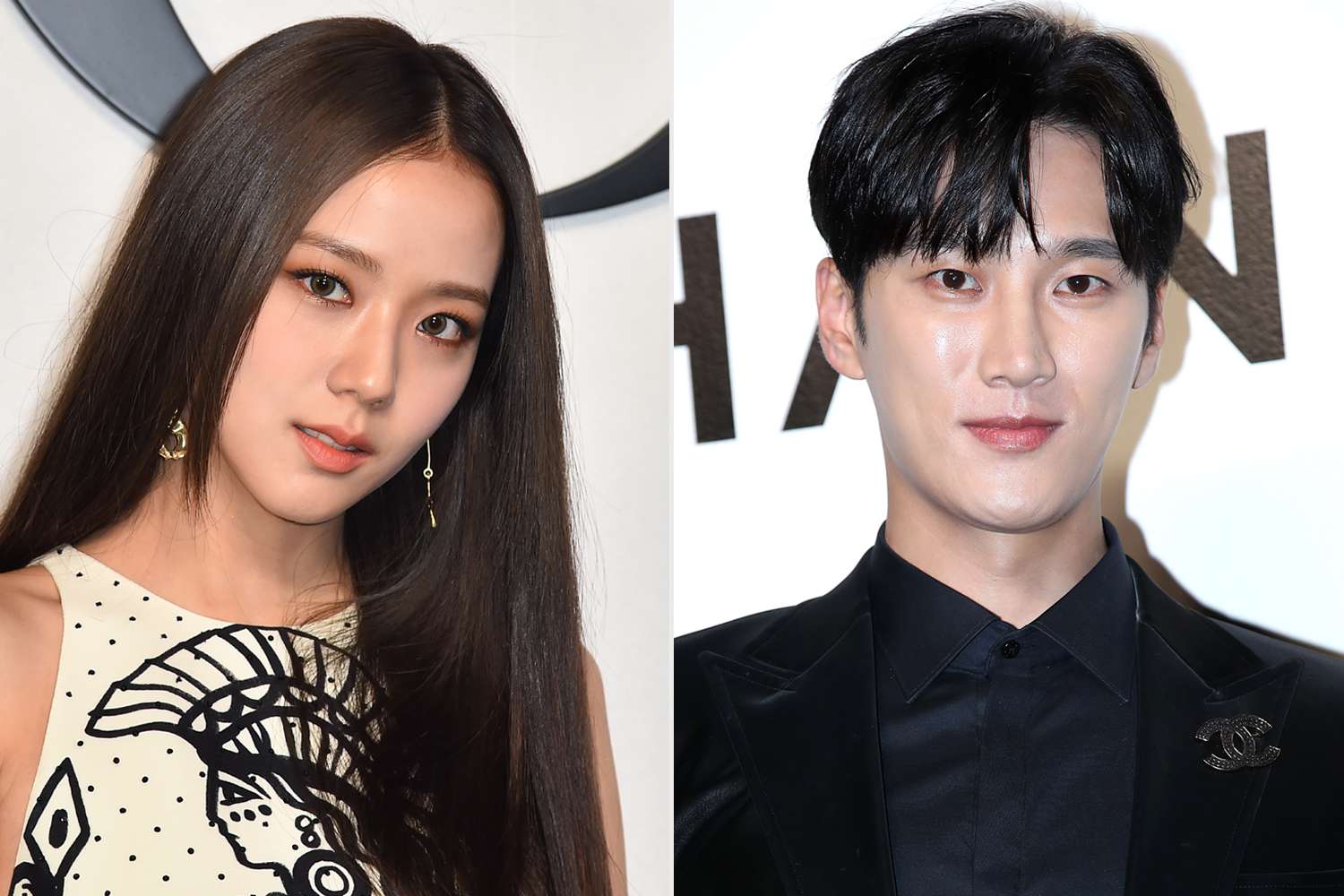
"The past is a different country. I don't have a passport to go back."
This poignant, metaphor-rich statement, delivered with BLACKPINK's signature blend of grace and conviction, is the cornerstone of a new personal manifesto from Kim Jisoo. In a recent, wide-ranging discussion that has since electrified the K-Pop sphere, the global superstar didn't just shut down speculation about rekindling a past romance; she articulated a comprehensive, self-assured philosophy on love, privacy, and forward motion. The question on every fan and tabloid's lips—"What are the chances of BLACKPINK’s Jisoo getting back together with her ex-boyfriend?"—was met not with evasion, but with a masterclass in emotional intelligence and personal boundary-setting. This isn't merely gossip column fodder; it's a cultural moment that dissects the evolving relationship between a generation of hyper-exposed idols and their right to a private narrative.
The Foundation: Jisoo’s Journey from Promising Rookie to Self-Possessed Icon
To understand the weight of Jisoo's declaration, one must first appreciate her unique trajectory within the BLACKPINK constellation. Often hailed as the "steady pillar" of the group, Jisoo's career has been a study in elegant maturation. Debuting in 2016 as the visual and eldest member, she initially navigated the industry under the immense, often restrictive, expectations placed upon idols of her stature. Her early years were defined by a cheerful, diligent public persona, shouldering the responsibilities of spokesperson and a crucial bridge between the group and the Korean public.
However, the post-2020 era saw a seismic shift. With BLACKPINK's astronomical global rise cemented, each member embarked on defining their individual lanes. For Jisoo, this meant her critically acclaimed acting debut in Snowdrop, a successful solo debut with ME, and the establishment of her own agency, Blissoo. This period of individuation has been characterized by a noticeable sharpening of her public voice—a move from simply fulfilling a role to consciously crafting one. Her approach to public relationships has mirrored this journey. Unlike the industry's traditional cloak of absolute secrecy, Jisoo and actor Ahn Bo-hyun opted for a dignified, upfront acknowledgment of their relationship in 2023, a move that commanded respect. Their equally dignified and brief statement upon amicably parting ways months later further cemented a new template: one of transparent control.
This context is vital. Jisoo's current stance isn't born of naivete or harsh cynicism; it is the hard-earned result of an idol who has naviged the full spectrum of public scrutiny—from trainee rumors to global fame, from private dating to public confirmation—and emerged with a clear sense of self. As we've analyzed in pieces like "The Burden of the Golden Maknae", the pressure on idols to manage personal and public selves is immense. Jisoo's evolution presents a compelling case study in claiming ownership of that narrative.
The Declaration: Deconstructing "The Past is a Different Country"
The recent interview that sparked this firestorm was not centrally about her past relationship. It was a broader conversation about life, career, and personal growth. When the topic of past relationships and public curiosity inevitably arose, Jisoo’s response was measured, poetic, and unequivocal.
A Philosophy Forged in Self-Respect
She elaborated that her view is rooted in a profound respect for her own journey and the journeys of others. "When a chapter closes, it’s because the story there is complete," she explained. "To go back and try to rewrite pages… it dishonors the person you were then, and the person you are now." This perspective reframes closure not as loss, but as a necessary completion—a literary metaphor that resonates deeply with a fanbase accustomed to consuming idol narratives as epic stories. She emphasized the importance of learning from experiences without being chained to them, suggesting that nostalgia can be a trap that hinders future happiness.
"I cherish the memories, but I don't live in them. My energy, my heart, they are oriented toward what is ahead—the new music, the new challenges, the new versions of myself I have yet to meet."
The Practical Rejection of Speculation
Practically, her words serve as a direct, graceful dismissal of the endless "will they/won't they" cycle that fuels media ecosystems. By stating she holds "no passport" to the past, she actively revokes the public's perceived visa to speculate on that part of her life. It's a rhetorical move that reclaims agency. It also implicitly defends her former partner from continued scrutiny, allowing both parties to move forward without the shadow of a potential reunion looming over their individual paths. In an industry where ex-couples are perpetually linked, this is a radical act of decoupling.
Blink and Beyond: A Fandom's Mature Reception
The reaction from BLACKPINK's global fandom, Blinks, and the wider K-Pop community has been notably nuanced and largely supportive, signaling a shift in how fans engage with idol privacy.

Predominant Praise for "Healthy Boundaries"
On platforms like Twitter, Weverse, and fan forums, the dominant sentiment has been one of respect. Many fans have applauded Jisoo’s "maturity" and "clarity." Comments like, "She’s teaching a masterclass in self-respect," and "This is why she’s my role model, she knows her worth," have trended. This aligns with a growing faction within modern fandom that prioritizes the idol's mental well-being over invasive curiosity. Fans are increasingly interpreting an idol's strong personal boundaries not as a wall between them, but as a sign of a healthy artist who will have a sustainable career—a perspective crucial for a group like BLACKPINK, whose members are actively building long-term, individual legacies. For more on evolving fan-idol dynamics, explore our analysis on our News page.
Analyzing the Disappointed Minority
Of course, not all reactions are uniform. A subset of fans, often those deeply invested in "shipping" culture or specific narratives, expressed a melodramatic sense of loss. "The final nail in the coffin," one tweet lamented. However, even this disappointment is being countered within the fandom itself, with other Blinks urging respect for Jisoo’s stated wishes. The discourse itself reflects a fandom in dialogue, maturing alongside its idols. The intense, sometimes toxic, reactions that once defined such revelations—similar to the backlash explored in "The Dream Stage Dilemma"—seem to be giving way to more measured, if passionately debated, discussions.
Industry Ripples: Jisoo's Stance in the Context of K-Pop's Evolving Norms
Jisoo's unambiguous philosophy does not exist in a vacuum. It is a significant data point in the rapidly transforming landscape of K-Pop celebrity culture.
From Secrecy to Strategic Transparency
For decades, the industry standard was absolute denial and secrecy regarding dating, enforced by strict "no-dating" clauses and the fear of fan backlash. The 2010s saw a slow thaw, with agencies moving to "confirm" reports after they leaked. Jisoo's approach, and that of her generation, represents a third phase: strategic, self-driven transparency. It’s the difference between having your privacy breached and choosing what to share on your own terms. This mirrors a broader trend of idol empowerment, where top-tier artists have greater leverage in contract negotiations concerning personal life management. Her stance empowers other idols, suggesting that establishing a clear, personal boundary is not a career risk, but a marker of professional stature.
The Economics of the Personal Brand
Furthermore, Jisoo’s statement brilliantly protects her burgeoning personal brand. As an actress, a solo artist, and a CEO, her image is one of elegance, capability, and thoughtful intentionality. Lingering in the past or appearing entangled in tabloid speculation could muddy that brand. By cleanly and poetically closing that door, she ensures the marketability of her narrative remains focused on growth, artistry, and future endeavors. This savvy understanding of celebrity economics is not unlike the calculated image crafting seen in other arenas, such as the luxury fashion statements analyzed in "The 'Single's Inferno' Wardrobe Index".
A New Script for Public Breakups
K-Pop has historically struggled with how to handle public breakups, often leaving narratives to fester in rumor mills. Jisoo, alongside her former partner, has effectively written a new script: a mutual, respectful acknowledgment followed by a firm, forward-looking stance. This provides a dignified roadmap for future high-profile couples, potentially reducing the toxic speculation that follows such splits. It reframes the end of a relationship not as a scandal or failure, but as a private, natural life event.
Looking Ahead: The Jisoo Doctrine in Action
So, what does the future hold in the wake of this personal policy declaration? The implications extend far beyond her dating life.
First, it sets a powerful precedent for BLACKPINK's activities as a group and as individuals. With all four members now in their late twenties and navigating their own agencies and careers, the need for clear personal boundaries is paramount. Jisoo’s stance reinforces that their narratives are their own to control. It allows the public and the media to re-calibrate their expectations, focusing questions on their present and future work rather than their past relationships. Fans eagerly anticipating the group's next move can track rumors and confirmations on resources like our Charts page.
Second, it primes the audience for the next phase of Kim Jisoo's career. With the door firmly shut on one line of inquiry, the spotlight naturally shifts to her artistic output. The focus is now unequivocally on her upcoming acting projects, potential new music under Blissoo, and her fashion and business ventures. Her philosophy of forward motion is not just personal; it's professional. It builds anticipation for what she will create next, rather than what she might rekindle.
Ultimately, Jisoo’s message is one of profound autonomy. In an industry built on parasocial relationships and controlled images, she has publicly asserted the most personal form of control: the authorship of her own heart's history. She has exchanged the passive role of a subject of speculation for the active role of a narrator of her life. While the tabloid question of "chances" has been answered with a definitive zero, the more important question of "what's next for Jisoo?" has never been more compelling. Her story is no longer about looking back at a different country, but about mapping the uncharted territory ahead, on her own terms. As the industry watches, her doctrine may well become a standard for the next generation of idols who wish to be known not for whom they loved, but for who they are.