
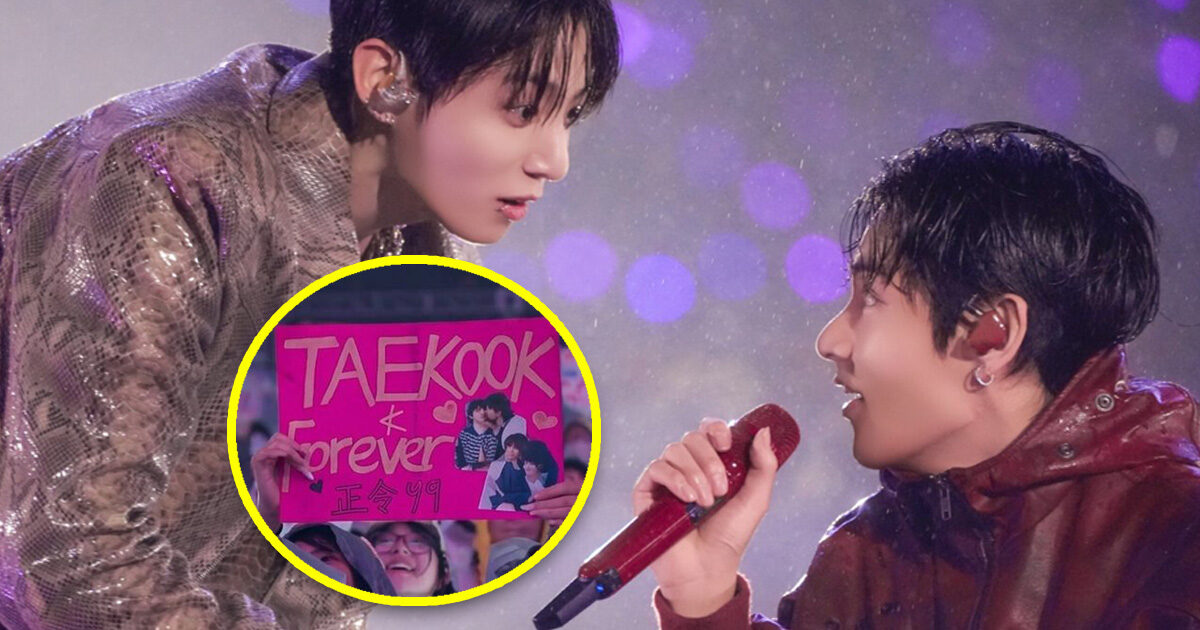
In a pivotal moment that transcended typical fan interaction, BTS's V offered a masterclass in boundary-setting, implicitly encouraging a fervent "Taekook" shipper to disengage from fantasy and reconnect with reality. This incident, far from a simple celebrity clapback, represents a critical inflection point in K-Pop's evolving relationship with parasocial dynamics. It signals a mature shift toward artist-led narrative control, challenging the unspoken rules of fan service and demanding a healthier, more respectful digital ecosystem for idols under immense speculative pressure.
- What Actually Happened? The Incident Deconstructed
- From Harmless Fun to Digital Harassment: The Dark Evolution of Shipping
- The Boundary Playbook: How Idols From Jackson Wang to RM Are Responding
- HYBE's Calculated Shift: From Managed Personas to Protected Individuals
- The "Touch Grass" Ripple Effect: Can This Change Fan Culture?
- Your Questions Answered: The Fan-Idol Boundary FAQ
What Actually Happened? The Incident Deconstructed
The interaction was brief but loaded with meaning. On a social media platform known for its close fan-idol proximity, a user deeply embedded in the "Taekook" narrative—the fan-constructed romantic pairing of V and Jungkook—pushed a narrative onto V himself. His response, a succinct yet unmistakable suggestion to step away from the screen and "touch grass," was a grenade lobbed into the carefully curated garden of idol-fan relations.
The Anatomy of a Clapback: Reading Between the Lines
V's phrase, modern internet slang for advising someone to engage with the real world, was deliberately chosen. It wasn't aggressive, but it was dismissive of the fantasy being presented. This move was distinct from ignoring or a generic "please be respectful" plea from an agency. It was personal, witty, and carried the weight of his own voice, not a PR team's. It communicated a clear message: your constructed narrative is not my reality.
Why This Moment Felt Different
Historically, such shipper narratives have been addressed through official agency statements or silently tolerated. For a top-tier idol like V to personally, albeit indirectly, reject the core premise of a massive shipping community is unprecedented in scale. It demonstrated a fatigue with the emotional labor of navigating these fantasies and a newfound confidence in asserting a boundary publicly, even at the risk of alienating a segment of fans.
From Harmless Fun to Digital Harassment: The Dark Evolution of Shipping
Shipping, at its origin, was a fandom activity centered on appreciating chemistry—be it friendship or romantic speculation—between characters or idols. In K-Pop's earlier generations, it was often encouraged as a harmless engagement tool. However, the ecosystem has mutated dramatically with the advent of hyper-connected social media and content saturation.
The Slippery Slope to "Proof" Culture
What begins as "what if" fan fiction can spiral into a relentless search for "evidence." This includes the microscopic analysis of every glance, touch, or wardrobe choice during concerts, VLives, and behind-the-scenes content. Communities then form around these curated "proofs," creating echo chambers where the narrative becomes an accepted truth. The line between appreciating a dynamic and demanding its validation blurs entirely.
The Real-World Consequences for Idols
This isn't a victimless digital pastime. The pressure manifests in tangible ways:
- Altered Behavior: Idols may feel compelled to limit genuine interactions with certain members to avoid fueling speculation, potentially straining real friendships.
- Career Constraints: Concepts for music videos, stage interactions, and even solo collaborations can be influenced by the desire to avoid or pander to shipping narratives.
- Emotional Toll: The constant projection and invasion of privacy, as seen in incidents where shippers target idols' family or non-industry friends, creates a pervasive sense of being watched through a distorted lens.
The Boundary Playbook: How Idols From Jackson Wang to RM Are Responding
V is not operating in a vacuum. A growing cohort of established idols are navigating the complex task of reclaiming their narratives. Their methods vary, offering a fascinating look at modern fandom management strategies.

The Direct Call-Out: Jackson Wang's Principle
GOT7's Jackson Wang has consistently set a standard for direct, personal communication with fans about boundaries. As analyzed in our piece on The Jackson Wang Principle, he masterfully balances warmth with firmness, calling out "delusional" behavior without devaluing his genuine appreciation for fans. This creates a respectful distance while maintaining connection.
The Narrative Correction: RM and the Misquote Dilemma
Another approach involves directly correcting false narratives that gain mainstream traction. BTS leader RM recently had to meticulously deconstruct a misquote about Jungkook's solo career, a situation we explored in RM, Jungkook, and the Anatomy of a Misquote. This "fact-check" method is less about fan behavior and more about protecting professional integrity and group harmony from external misinformation, which often fuels internal fandom conflict.
The Performance as Statement: Jimin's Vocal Truth
Sometimes, the statement is made not with words, but with artistry. Jimin has repeatedly used impeccable live vocals to silence critics and shift focus back to his craft, a phenomenon detailed in The Jimin Paradox. This re-centers the conversation on talent and hard work, rather than gossip or speculation.
Idol Method Core Message Potential Risk V (BTS) Witty Dismissal / "Touch Grass" Your fantasy is disconnected from my reality. Alienating a dedicated segment of shipping-focused fans. Jackson Wang (GOT7) Direct, Personal Call-Out I value you, but delusion is not tolerated. Being perceived as harsh or ungrateful. RM (BTS) Factual Narrative Correction Do not distort my words or professional relationships. Getting bogged down in endless "he said/she said" debates. Jimin (BTS) Artistic Proof & Performance Focus on my art, not the noise around it. Requires constant, flawless execution to maintain message.HYBE's Calculated Shift: From Managed Personas to Protected Individuals
The fact that V's comment wasn't followed by a corrective or apologetic agency statement from HYBE is perhaps the most telling part of this story. It reflects a strategic evolution in how top agencies are handling their veteran artists, especially those in the military-enlistment phase of their careers.
The Chapter 2 Doctrine: Autonomy as a Product
BTS's "Chapter 2" of solo activities has been framed around individual artistic exploration. Part of that brand is authenticity and mature self-direction. Allowing artists like V to manage their own social media tone—including setting boundaries—feeds into this narrative of growth and autonomy. It makes the artist more relatable and their public persona more robust.
Mitigating Long-Term Brand Risk
Unchecked shipping and parasocial intensity pose a long-term risk. They can lead to fan burnout, internal fandom wars, and create a perception of the artists as mere characters rather than serious musicians. By subtly endorsing this boundary-setting, HYBE is investing in the sustainable health of BTS's brand, ensuring their legacy isn't overshadowed by persistent, uncomfortable narratives. This protective approach is crucial, as the transition to solo careers can be precarious, a reality faced by many idols as discussed in our investigation into the financial freefall facing former BIG3 idols.
The "Touch Grass" Ripple Effect: Can This Change Fan Culture?
One idol's comment won't dismantle a global subculture overnight. However, it acts as a powerful permission slip and a cultural reference point. Its impact will be measured in subtle shifts within fan communities and the confidence it gives other artists.
Empowering the Silent Majority
For every vocal shipper, there are countless fans who engage with music and content without subscribing to intense romantic narratives. V's stance validates their form of fandom. It encourages them to speak up within their communities against overreach and to champion respect for the artists' privacy. It fosters a culture where calling for "touch grass" moments becomes a normalized check on toxic behavior.
The New Metric of Respect
The incident introduces a new, blunt metric for respectful fandom: can you distinguish your fantasy from the idol's humanity? The expectation is shifting from "feed my delusion" to "respect my boundary." This recalibration is essential for the mental well-being of both artists and fans, preventing the kind of emotional entanglement that can lead to extreme outcomes.
Your Questions Answered: The Fan-Idol Boundary FAQ
Q: Does this mean V is against fans who support his friendship with Jungkook?
A: Not at all. This is a critical distinction. Supporting a genuine, documented friendship is different from constructing and insisting upon an elaborate romantic narrative against the artists' own cues. The issue is the imposition of a fantasy, not the appreciation of a real bond.
Q: Won't this hurt BTS's popularity if shippers feel rejected?
A> Short-term, it may cause friction in specific corners of fandom. Long-term, it strengthens the artist's brand integrity and mental well-being, which is foundational for a lasting career. A sustainable career built on respect attracts a more stable, supportive fanbase. For insights on the foundations of an idol's strength, see the story of The Unseen Anchor: J-Hope's Grandmother.
Q: Should all idols start telling shippers to "touch grass"?
A> There's no one-size-fits-all approach. An idol's ability to set this boundary depends on their seniority, company support, and personal comfort. Rookie idols may not have the same leverage. V's action is perhaps most instructive for established artists and their agencies in reevaluating "anything goes" fan service policies.
Q: As a fan, how can I support my idol without crossing lines?
A> Focus on the art they choose to share: the music, performances, and curated content. Engage with their work, not their presumed personal lives. Respect their privacy and the privacy of those around them. Celebrate their achievements as artists on our Charts page, and support their official projects.
Conclusion: The Grass is Greener on the Side of Respect
V's "touch grass" moment is more than a viral clapback; it's a landmark in the maturation of K-Pop culture. It underscores that the most valuable fan-idol relationships are built on mutual respect for boundaries, not the consumption of fabricated narratives. As the industry's biggest stars move into new chapters of their careers, this assertion of personal space is not a rejection of fandom, but an invitation to a healthier, more sustainable dynamic.
The path forward requires a collective deep breath and a step back from the screen. For fans, it means championing the artist's humanity over fantasy. For the industry, it means supporting artists as they navigate this necessary rebalancing. The next step? Observe how this philosophy trickles down to newer groups and whether it leads to a broader, systemic change in how agencies manage fan expectations. Stay informed on these evolving dynamics by following our analysis on our News page and exploring the stories of all your favorite artists on our Artists page.