
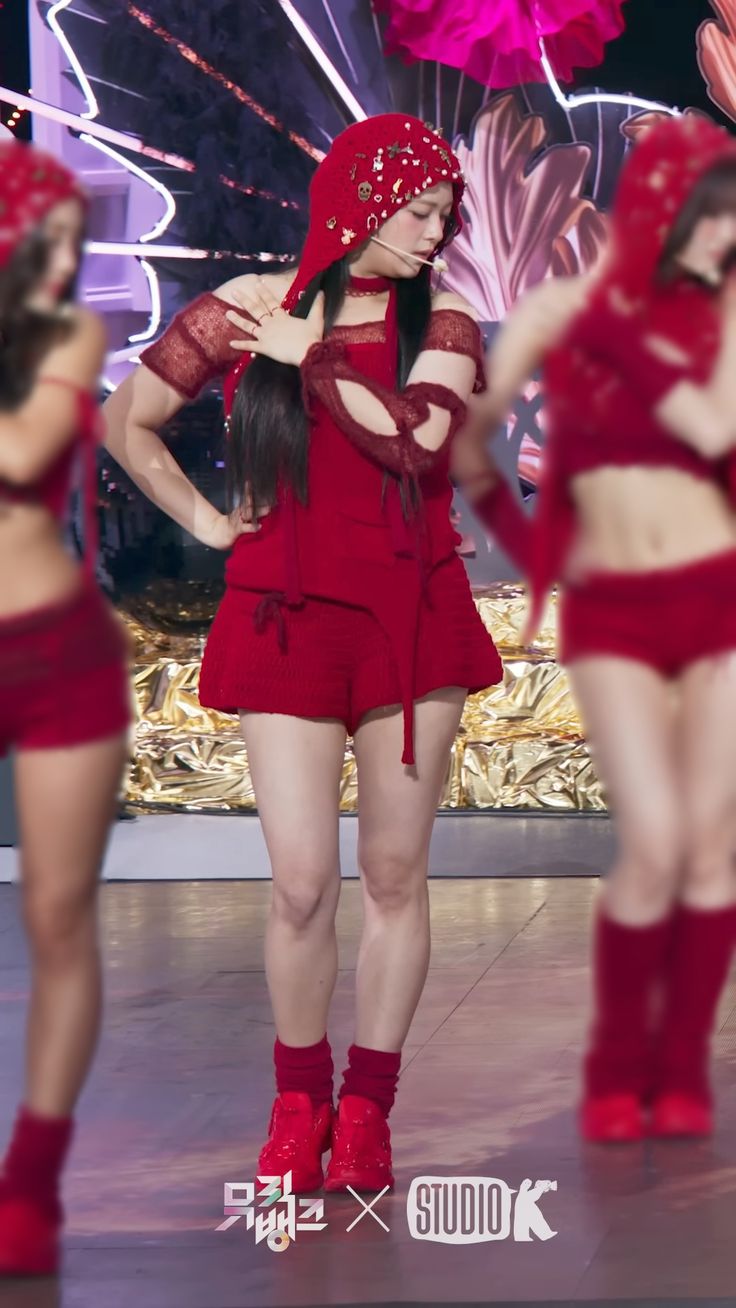

The roar inside the Seoul Olympic Stadium was a physical force, a tidal wave of adoration for the nine women commanding the stage. It was the final night of TWICE's triumphant "READY TO BE" world tour leg in their home country, a celebration of longevity, hit songs, and unwavering connection. Then, during a powerful solo segment, Yoo Jeongyeon stepped into the spotlight. Dressed in a sleek, black cut-out bodysuit that masterfully blended athleticism with high-fashion elegance, she moved with a confidence that seemed to radiate from within. The stadium's energy peaked, but the true explosion happened moments later online, as a single fan-taken clip, captioned with a raw, expletive-laden praise of her physique—"Her body is f*cking insane"—went supernova. Overnight, "Jeongyeon body" became a global trending topic, sparking a complex firestorm of awe, debate, and poignant reflection that stretched far beyond a simple compliment on a stunning outfit.
The Journey to the Spotlight: Jeongyeon's Path of Resilience
To understand the seismic reaction to this moment, one must first understand the journey of Yoo Jeongyeon. Since her debut in 2015 as a vocalist and visual of TWICE, Jeongyeon has been beloved for her rich, stable vocals, her tomboyish yet effortlessly chic charm, and her role as the group's caring "mom." However, her path has been notably marked by public challenges. In late 2020, Jeongyeon announced a hiatus due to anxiety and panic disorder, a brave disclosure that brought mental health struggles to the forefront of conversation around some of the industry's biggest stars. Her return was gradual, lovingly supported by her members and fans (ONCE), but it was accompanied by another layer of unwelcome scrutiny: relentless and inappropriate commentary on her body and weight fluctuations, often disguised as "concern."
These comments existed within the brutal, often hypocritical visual economy of K-pop, where idols are simultaneously hyper-sexualized and ruthlessly policed. As explored in our analysis of The Comment Section's Shadow, the online arena becomes a battleground where any perceived deviation from an impossible standard is weaponized. Jeongyeon, during her recovery, became a frequent target of this toxicity. Her journey back to the stage was not just about managing her health but also about reclaiming her space in an industry—and a fan ecosystem—that can be unforgiving. This context makes her recent onstage persona, characterized by vibrant energy and a visibly renewed self-assurance, profoundly significant. It isn't merely a performance; it's a reclamation.
TWICE's Evolution: From "Cheer Up" to Commanding the Stage
This moment also cannot be divorced from TWICE's own monumental evolution. The group, now in their ninth year, has successfully navigated the treacherous transition from the nation's sweethearts of "TT" and "Likey" to mature artists with sophisticated concepts in "I CAN'T STOP ME," "SCIENTIST," and "SET ME FREE." This "mature" turn isn't just sonic or thematic; it's embodied. The members, including Jeongyeon, have increasingly embraced styles and performances that reflect their growing autonomy and comfort in their own skins. Their concert stages have become spaces for this expression, moving beyond cute choreography to powerful, often sensual, performances that they own completely. This shift mirrors trends seen with other veteran groups finding new, defiant voices, much like we analyzed in Dignity's 'Slipshot'.
Deconstructing the "Tea": More Than Just an Outfit
The specific moment that ignited the web occurred during Jeongyeon's solo stage for "Nightmare," a b-side track that allowed her to showcase a darker, more intense charisma. The outfit in question was a masterclass in contemporary stagewear: a black, long-sleeved bodysuit with strategic mesh panels and cut-outs at the waist and back, paired with tailored wide-leg trousers. It was sexy not through exposure, but through suggestion and powerful silhouette, highlighting her height and proportions. Her performance was fierce, locked-in, and utterly commanding.
"The applause for her solo was deafening, but the gasps and cheers when she turned under the light... it was a moment of collective recognition. You weren't just looking at Jeongyeon the idol; you were seeing Jeongyeon in her full power, and it was breathtaking," recounted a fan in attendance, Choi Min-ji, to K-Beats.
The viral clip, however, framed the moment through a specific, physically-focused lens. The caption, while ostensibly a compliment, reduced a complex performance of artistic and personal reclamation to a simple appraisal of form. This ignited the first layer of debate: was this celebration objectifying, or was it a valid, if blunt, appreciation of an idol who has faced undue criticism about her body? The phrase "body tea"—slang for a moment where someone's physique is so impressive it becomes the topic of conversation—perfectly encapsulated this dichotomy. For many, it was a triumphant "clapback" to past trolls. For others, it highlighted how even positive discourse about female idols remains stubbornly tethered to physicality.
The Performance as Statement
Industry stylists we spoke to, under condition of anonymity, pointed out the intentionality behind the look. "That outfit is not something you just throw on. It requires immense confidence to wear and perform in under those lights. For an idol with Jeongyeon's public history, choosing that piece was a statement. It says, 'I am here, I am strong, and I am comfortable in this skin.' It's armor and expression simultaneously." This aligns with a growing movement of idols using fashion and stage presence as direct tools of self-narration, pushing back against the rigid personas often assigned to them by agencies and public expectation.
ONCE and the Online Chorus: Protection, Celebration, and Nuance
The fan reaction was immediate, massive, and multifaceted. On platforms like Twitter, Instagram, and Korean fan cafes, the dominant sentiment was one of overwhelming pride and protective joy. Hashtags like #WeLoveYouJeongyeon and #JeongyeonOurPower trended globally, filled with supportive messages, stunning concert photos, and video clips highlighting her vibrant energy throughout the entire concert, not just the one viral moment.

ONCEs were quick to contextualize the praise, framing it within her journey. Comments like, "She looks so happy and healthy!" and "This is the same person they tried to bully. Look at her now, shining!" dominated. The fandom's collective memory of her struggles transformed the moment from mere admiration into a cathartic victory lap. However, within this wave of positivity, a nuanced discussion also brewed. Many fans expressed a conscious effort to praise her "energy," "stage presence," and "confidence" first and foremost, deliberately steering the conversation toward her artistry and evident well-being rather than fixating on physique.
- Celebratory: "The way she owned that stage! The confidence is the sexiest thing about her. Period."
- Protective & Contextual: "After everything she's been through, seeing her smile and command the stage like this makes me emotional. This is a victory."
- Nuanced Critique: "Can we please talk about her improved vocal stability and powerful dancing too? The outfit is great, but she's an artist, not just a mannequin."
This self-aware fandom discourse highlights a maturation in how some fan communities engage with their idols, striving to support them as whole people and artists. It stands in stark contrast to the often-reductive visual wars that plague other corners of K-pop fandom, showing a path forward that balances ardent support with respectful appreciation.
Industry Ripples: The Body, The Narrative, and The Veteran Idol
Within the fast-paced K-pop industry, a moment like this resonates on several frequencies. Firstly, it reinforces the immense commercial and cultural power of a TWICE-level group to redefine narratives. Jeongyeon's moment wasn't orchestrated by a teaser photo or a music video—it was live, organic, and fan-captured. Yet, it achieved more positive PR and brand reinforcement for her and the group than many planned campaigns could. It showcased the raw, unfiltered appeal of the concert experience, which remains the most potent connector between idol and fan.
Secondly, it touches on the ongoing, tense dialogue about idol bodies and agency. Stylists and creative directors across the industry are undoubtedly noting the reaction. The embrace of Jeongyeon's look signals audience readiness for diverse, powerful, and sophisticated expressions of femininity that go beyond cute or overtly provocative concepts. It underscores that fans, particularly for established groups, reward authenticity and perceived self-ownership. This aligns with a broader trend of veteran female idols embracing more personal and defiant creative directions, as we've seen with solos from Taeyeon, Sunmi, and others featured on our News page.
Finally, the episode highlights the double-edged sword of viral fame. While the attention was overwhelmingly positive this time, it demonstrates how quickly an idol's image can be captured, framed, and disseminated by the public, often divorced from intended context. For an idol like Jeongyeon, who has been subjected to harmful narratives before, the supportive outcome is a best-case scenario. It serves as a case study for agencies on the importance of fostering an idol's resilient self-image and supportive fan community to weather the storms of viral attention, both good and bad.
Looking Ahead: The Unstoppable Momentum of TWICE
So, what does this mean for Jeongyeon and TWICE moving forward? In the immediate sense, the group shows no signs of slowing. With the Asian and European legs of their world tour continuing and constant speculation about future comebacks and potential solo projects, their place at the pinnacle of the industry remains secure. For Jeongyeon, this moment likely represents a personal milestone—a public affirmation that has solidified her renewed confidence. It empowers her to continue exploring this more assertive, self-possessed facet of her artistry.
The conversation she inadvertently sparked, however, will have a longer lifespan. It adds another chapter to the ongoing story about mental health, recovery, and public perception in K-pop. It challenges fans and commentators alike to find language that celebrates idols holistically. And it proves that for a veteran group like TWICE, their greatest power may lie in their evolved authenticity. They are no longer just performing songs; they are living their artistry, and in a sleek black bodysuit under stadium lights, Jeongyeon reminded millions what that lived-in power looks like. It's a testament not to an "insane" body, but to an undeniable spirit, finally shining without reservation. As TWICE continues to break records and define eras, you can follow their chart dominance on our Charts page, and explore the profiles of them and other groundbreaking artists on our Artists page.