
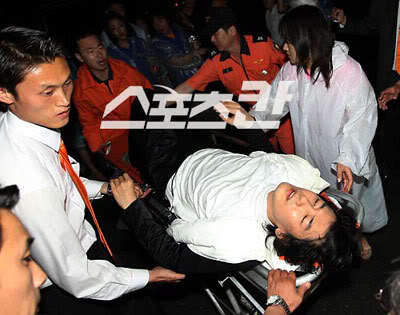

The recent incident where multiple fans collapsed, forcing a female idol to cut her concert short, is not an isolated tragedy but a symptom of a deep-rooted, systemic failure in K-Pop event management. This analysis goes beyond the initial reports of chaos to examine the lethal combination of profit-driven planning, negligent safety protocols, and the immense psychological pressure placed on idols, arguing that the industry has reached a breaking point that demands immediate structural reform.
- What Exactly Happened at the Concert?
- Beyond the Venue: What Are the Real Causes?
- The Unseen Trauma: What Does This Do to the Idol?
- Is This a New Problem? A Historical Pattern of Neglect
- What Are the Real Solutions? A Path Forward for Fans & Industry
- Your Questions Answered: Concert Safety FAQ
What Exactly Happened at the Concert?
While official statements are often sanitized, piecing together fan accounts, leaked communications, and industry patterns reveals a clear narrative of preventable disaster. The incident was a cascade of failures, not a simple accident.
A Timeline of Failures
The problems began long before the idol took the stage. Fans reported dangerously inadequate crowd control at entry points, with thousands funneled into narrow spaces without proper queue management. Inside, ventilation was reportedly poor, and access to water was severely restricted, a critical error for a high-energy, hours-long event.
The Catalyst: Overcrowding and Poor Planning
The core issue was clear: the venue was sold beyond its safe capacity. This is often a deliberate financial decision, prioritizing ticket revenue over safety margins. Combined with blocked aisles and insufficient medical stations, the environment became a tinderbox. The first fan collapses were the inevitable spark.
The Idol's Impossible Choice
Witnessing fans in distress from the stage, the idol was faced with a horrific dilemma: continue the performance her company and fans expected, or intervene. Her decision to stop the show—an act that may contravene strict performance contracts—highlights the severe and immediate danger she perceived. It was a human reaction against a backdrop of corporate protocol.
Beyond the Venue: What Are the Real Causes?
Blaming a single venue or event staff is insufficient. This incident exposes a tripartite system of failure involving agencies, promoters, and a culture of exploitation.
The Agency & Promoter Profit Pipeline
At the heart of the issue is a financial model that externalizes risk. Agencies book tours based on aggressive revenue targets, while third-party promoters cut corners on safety to preserve their profit margin. Security, medical staff, and proper crowd management are seen as costs to minimize, not essentials. This creates a dangerous disconnect between those profiting and those assuming the physical risk.
The "Fandom Endurance" Myth
K-Pop culture often romanticizes fan dedication—waiting for hours in all weather, pushing through crowds. Some companies implicitly rely on this "endurance" to compensate for poor logistics. This normalizes discomfort and discourages fans from speaking out about unsafe conditions until it's too late. It transforms a safety issue into a test of loyalty.

Regulatory Gaps and Lax Enforcement
While safety codes exist, enforcement is often inconsistent and penalties are minimal compared to potential profits. Promoters may secure permits based on plans that are not fully executed on the day, relying on understaffed inspectors. This lack of stringent, unforgiving accountability creates an environment where shortcuts are not just possible, but incentivized.
The Unseen Trauma: What Does This Do to the Idol?
The focus is rightly on fan safety, but the psychological impact on the artist is profound and long-lasting. An idol's career is built on bringing joy to fans; witnessing their suffering is a unique form of career and personal trauma.
Moral Injury and Performance Anxiety
Idols may experience "moral injury"—the psychological distress from witnessing or participating in events that violate their ethical beliefs. Being forced to perform while fans are in crisis, or feeling responsible for the event itself, can cause deep trauma. This can seed severe performance anxiety, where the stage becomes a site of fear rather than joy. The emotional burden is immense, as explored in our analysis of unspoken family pressures on idols.
Contractual Silence and Agency Pressure
In the aftermath, the idol is often silenced. Agencies control public narratives, releasing vague apologies that protect the company brand. The artist may be prohibited from speaking candidly about their experience, isolated in their trauma. They may also face internal pressure, directly or indirectly, for "failing" to complete the show, highlighting a fundamental conflict between human empathy and corporate product delivery.
"The idol on stage is not just a performer; they are the de facto first responder in a crisis. When they see a fan collapse, their training clashes with their humanity, and the system offers them no support for that conflict." — Anonymous Industry Insider
Is This a New Problem? A Historical Pattern of Neglect
Tragically, this is part of a long, grim pattern in live entertainment globally, with specific, recurring themes in the K-Pop industry. The table below contrasts past incidents with the systemic failures they represent, showing a lack of learned progress.
Incident / Year Primary Failure Systemic Issue Highlighted Outcome/Change 2023 Fan Collapse Incident Overcrowding, Poor Ventilation, Inadequate Medical Profit-over-Safety Planning, Idol Trauma Pending; Public Outcry Various Fan Sign Events (2010s-Present) Crush Risks, Lack of Barriers Treating Fans as a Mob, Not an Audience Minor procedural tweaks, no industry standard Overseas Tour Incidents (e.g., Heat Exhaustion at Festivals) Failure to Adapt to Local Climate/Venue Cutting Corners on International Promoter Vetting Isolated lawsuits, no systemic reform Historical Global Tragedies (e.g., Hillsborough, 'Love Parade') Crowd Crush, Failed Communication **The Universal Playbook of Neglect** Stringent laws in *some* regions, but not globally adopted by touring industriesThe Recurring Cost-Cutting Playbook
Each incident, while unique, follows a familiar script: underestimating crowd density, understaffing key safety positions, and treating fan welfare as an afterthought. This is the direct result of a supply chain where every subcontractor is squeezed on cost, inevitably compromising safety. It mirrors the financial pressures seen in other areas of idol life, like the sticker shock of personal expenses off-stage.
What Are the Real Solutions? A Path Forward for Fans & Industry
Moving beyond outrage requires concrete, actionable demands and changes to the power dynamic between fans, artists, and companies.
Demanding Transparency and Accountability
Fans must use collective power to demand pre-concert safety disclosures. This includes:
- Crowd Management Plans: Publicly available outlines of entry/exit flows, capacity numbers.
- Medical Provision Details: Number and location of medics, water stations.
- Independent Safety Audits: Verified by third parties, not the promoting company.
Redefining the Idol's Role and Rights
Unionization or stronger collective bargaining for artists must include a "right to refuse" unsafe performances without penalty. Idols should be briefed on full safety plans and emergency protocols, not kept in the dark. They must be recognized as stakeholders with a right to protect their audience and themselves.
Leveraging Technology and Fan Networks
Fan unions and dedicated monitoring accounts can become proactive safety watchdogs, reporting red flags before events. Apps for real-time crowd density reporting and emergency communication within venues could be championed by fanbases as a condition of support. Checking our News page for updates on safety advocacy groups is a crucial first step.
Your Questions Answered: Concert Safety FAQ
Q: As a fan, what should I do if I feel unsafe at a concert?
A: Your safety is paramount. Do not worry about "being a bother." Immediately try to make eye contact with security or staff. If you're in a crowd crush, keep your arms in a boxer's position to create chest space. Move diagonally with the crowd flow towards exits or barriers. Report unsafe conditions (blocked exits, no water) to venue staff AND document it publicly after you are safe.
Q: Will the idol or group be penalized for stopping the show?
A: While it depends on the contract, any agency that penalizes an idol for this would face catastrophic public backlash. However, the indirect pressure—fewer future solo schedules, a narrative of being "difficult"—can be a real concern. This is why structural protection for artists is needed.
Q: How can I vet the safety of a concert before buying a ticket?
A: Research the venue's history for past incidents. Check if the promoting company has a known track record. Look for fan accounts from previous tour stops. Prioritize venues with established, reputable safety records over unknown pop-up locations. You can also check crowd-sourced insights on our Charts and community forums.
Q: Are overseas K-Pop concerts generally less safe?
A: Not inherently, but risk factors increase. Agencies rely on local promoters they may not vet thoroughly. Language barriers can hinder emergency communication. Different countries have varying safety codes. The key is the diligence of the touring agency—many top-tier companies have learned from past mistakes, but for mid-tier acts, risks can be higher.
Q: What is the single biggest red flag for an unsafe event?
A: A complete lack of transparent communication. If the organizer cannot or will not clearly explain entry procedures, bag policies, water availability, and medical access before the event, it indicates chaotic planning behind the scenes. Transparency is the hallmark of a team that respects its audience.
Conclusion: From Crisis to Catalyst
The concert collapse is a grim wake-up call. It reveals an industry at a crossroads: continue prioritizing short-term profit over human safety, or undertake the difficult work of systemic reform. This change must be driven by a united front of fans demanding accountability, artists empowered with rights, and agencies finally recognizing that their greatest asset—the people, both on stage and in the audience—requires unconditional protection.
The path forward is clear. Support fan-led safety initiatives. Hold companies accountable with your voice and wallet. Demand that idols are treated as partners in safety, not just performers. This incident must become the catalyst that finally forces K-Pop to grow up and safeguard the very community it was built upon. For continued analysis on the pressures within the industry, from financial to familial, explore our in-depth features, including our look at hidden family crises and the unforgiving ecosystems idols navigate.