
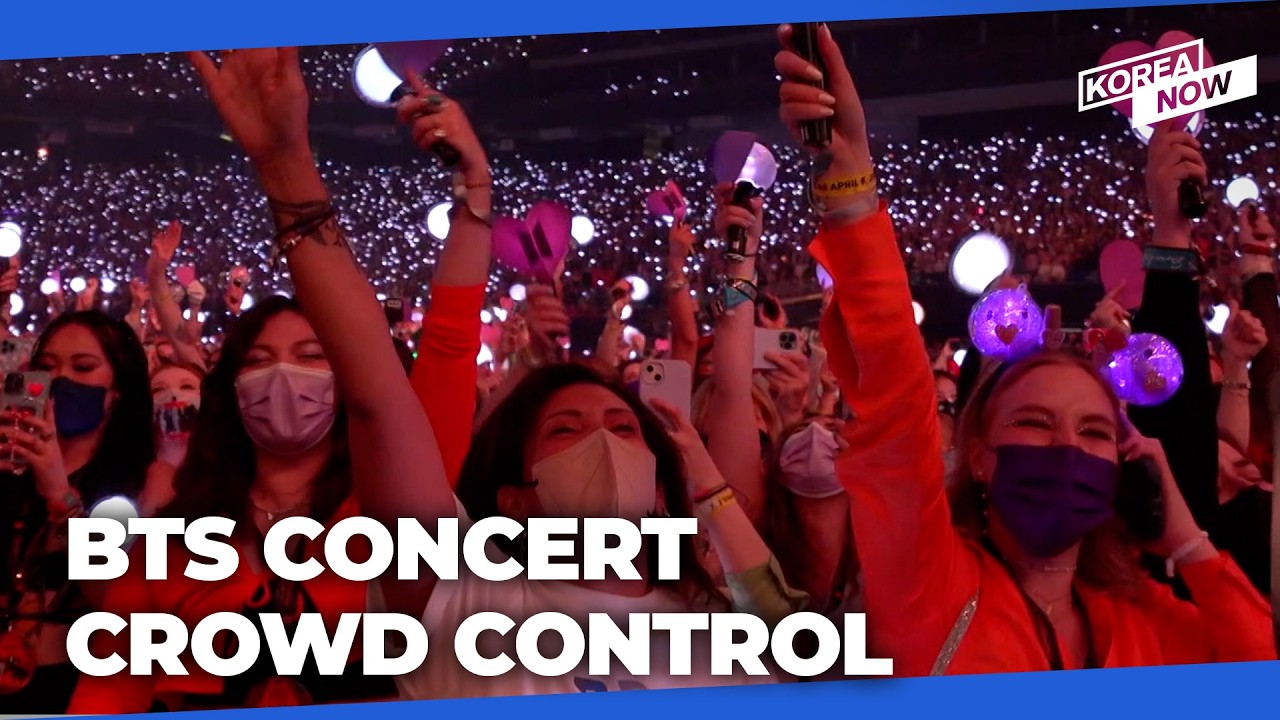

The recent frenzy surrounding BTS member solo concerts has ripped the facade off South Korea's deeply flawed concert ticketing ecosystem. While "sold out in minutes" is a familiar headline, the reality is a systematic failure where legitimate fans are outgunned by automated scalper bots and inadequate platform security, funneling tickets into a predatory secondary market. This isn't just about disappointment; it's a multi-billion won black market thriving on fan devotion, and the industry's inertia is no longer acceptable.
- What Exactly Happened at the BTS Concerts?
- Why Is Korea's Ticketing System Fundamentally Broken?
- The Scalper & Bot Economy: How Exploitation Works
- The Human Cost: Beyond Disappointment to Financial Harm
- How Does Korea's System Compare Globally?
- What Are the Viable Solutions? Industry Models & Fan-Led Reforms
- FAQ: Your Ticketing Crisis Questions Answered
What Exactly Happened at the BTS Concerts?
The ticketing pre-sales for concerts by BTS members like Jungkook and V became a public case study in digital failure. Fans reported entering online queues with thousands of people ahead of them the millisecond sales opened, only to see all seats vanish before they could even select a ticket. The official platforms declared a sell-out, but minutes later, identical tickets appeared on secondary sites at 5 to 10 times their face value.
The Technical Collapse at the Point of Sale
Witnesses described the Interpark and Yes24 ticketing sites buckling under traffic that seemed to far exceed normal fan capacity. Error messages, frozen queues, and sudden crashes were rampant. This chaos is the primary symptom of a bot invasion—automated programs that can send thousands of purchase requests per second, bypassing CAPTCHAs and overloading servers, effectively creating a digital stampede that no human fan can survive.
From Official Sell-Out to Secondary Market Flood
The most damning evidence followed immediately after the official sell-out. Platforms like StubHub, Viagogo, and Korean resale sites were instantly stocked with vast blocks of seats, often with the exact section, row, and seat numbers visible. This proved these weren't speculative listings ("I might get a ticket later"), but direct transfers from the initial purchase, highlighting a complete lack of effective anti-scalping measures like identity-verified tickets (ID entry).
"We prepared for months, gathered fan club members for pre-sale benefits, and logged in exactly on time. It was like watching a ghost take every seat. The system isn't for us anymore." – A frustrated ARMY member in online forums.
Why Is Korea's Ticketing System Fundamentally Broken?
The problem is not a lack of demand, but a structural failure built on outdated technology, misaligned incentives, and a lack of legal teeth. The current system benefits everyone except the fan: ticketing platforms get their fees regardless of who buys, agencies can claim "high demand," and scalpers profit massively.
Outdated Platform Infrastructure
Major Korean ticketing platforms have historically underinvested in the cutting-edge bot detection and mitigation software that is standard for major global events. While they employ basic queues and CAPTCHAs, these are easily defeated by sophisticated scalper groups who treat ticket buying as a software engineering problem. The investment required to constantly update these defenses is high, and without legal or contractual mandates, platforms have had little pressure to change.
The "Sold Out" Mirage: Why Agencies & Platforms Look Away
For entertainment agencies and concert promoters, a rapid sell-out is a powerful PR tool. It creates an aura of unstoppable popularity, driving media headlines and secondary hype. This perverse incentive means there is little internal drive to implement slower, fan-first systems that might see tickets sell out in hours instead of seconds. The immediate financial gain is secured the moment the ticket is sold initially, even if it's to a bot.
This mirrors issues seen in other parts of the industry where image and perception are prioritized over core support systems, a tension we explored in The 4th Gen Exodus: Why Member Departures Are Decimating Once-Promising Girl Groups.

The Scalper & Bot Economy: How Exploitation Works
Modern ticket scalping is a highly organized, tech-driven industry. It's no longer a few individuals buying extra tickets; it's a coordinated attack on the ticketing supply chain.
The Toolbox: Bots, Burner Phones, and Stolen Identities
Scalper operations utilize:
- Specialized Bots: Software that automates the purchase process, capable of solving complex CAPTCHAs and holding thousands of virtual waiting room spots.
- Proxy Networks: To mask their IP addresses and appear as thousands of different users from around the globe.
- Pre-Registered Accounts: Mass-created accounts using stolen or fake identities to circumvent purchase limits.
- Resale Bots: Automated software that instantly lists and prices grabbed tickets across multiple secondary platforms.
The Profit Pipeline: From Server Farm to Fan's Wallet
The workflow is chillingly efficient. Bots secure bulk tickets during the high-traffic initial sale. These are then algorithmically priced on resale sites based on real-time demand metrics. The final price is often a psychological calculation of maximum pain threshold—how much a dedicated fan is willing to sacrifice. The profit margins are astronomical, often representing a 500-1000% return on investment.
The Human Cost: Beyond Disappointment to Financial Harm
The impact transcends simple frustration. It creates real financial and emotional distress for the fanbase, the very community that sustains the industry.
Emotional Exhaustion and Fan Community Erosion
The ticketing process has become a source of intense anxiety and communal trauma. Fans spend weeks planning, coordinating with fan clubs, and preparing for a battle they are statistically destined to lose. This exhaustion saps the joy from fandom and can lead to burnout, weakening the long-term community bonds that groups rely on. The relationship shifts from artist-supporter to consumer-obstacle.
Financial Predation and the Risk of Fraud
Fans desperate to attend often feel compelled to enter the dangerous secondary market. This exposes them to:
- Extortionate Pricing: Paying rent or tuition-level sums for a single ticket.
- Counterfeit Tickets: Being turned away at the venue with a worthless piece of paper or a forged PDF.
- No Consumer Protection: Most resale sites offer little recourse if a ticket is invalid, leaving fans out both money and the experience.
This financial pressure stands in stark contrast to the empowering messaging around self-care and wellness sometimes promoted within the industry, a complex dynamic highlighted in pieces like Kwon Eunbi's Workout Revolution.
How Does Korea's System Compare Globally?
Other major music markets have been forced to confront this issue head-on, with varying degrees of success and innovation. Korea's system is notably behind the curve in several key areas.
Feature South Korea (Current) United Kingdom / EU Japan Fan-First Ideal Primary Tool Basic online queue, weak CAPTCHA Advanced bot detection, regulated resale price caps Lottery systems, ID-entry mandates Verified Fan + Lottery + ID Entry Resale Control Unregulated, rampant on 3rd-party sites Price caps (e.g., +10% of face value), official resale platforms Extremely limited; resale often voids ticket Face-value-only official fan exchange Identity Verification Rarely used for domestic sales Growing use for high-demand events Standard practice for most arena/domes Mandatory ID-to-ticket matching for entry Fan Priority Limited fan club pre-sales (still bot-targeted) Artist pre-sales, venue pre-sales Exclusive fan club lotteries months in advance Multi-tiered verified fan pre-salesCase Study: Japan's ID-Entry Domination
Japan's concert system, while not perfect, is far more restrictive and fan-protective. For most major acts, tickets are tied to the purchaser's name and ID. Entry requires presenting matching identification. This simple step destroys the scalable secondary market, as tickets cannot be anonymously transferred. Combined with extensive lottery periods for fan club members, it prioritizes fan access over speculative buying.
The "Verified Fan" Model: Lessons from the West
Companies like Ticketmaster have deployed a "Verified Fan" system for artists like Taylor Swift. It requires pre-registration, tying tickets to a specific account and using algorithms to filter out likely bots. While controversial and imperfect, it represents an attempt to insert a layer of friction that benefits human users. Korea's platforms have been slow to adopt or adapt such models at scale.
What Are the Viable Solutions? Industry Models & Fan-Led Reforms
Fixing this requires a multi-pronged attack: technological, legal, and cultural. The blueprint exists; it requires willpower.
Mandatory Technological Overhauls
Ticket platforms must be contractually obligated by agencies to implement:
- Advanced Bot Mitigation: Employing services like Cloudflare Bot Management or similar to identify and block non-human traffic.
- Stronger Identity Gates: Multi-factor authentication for high-demand sales and more sophisticated, evolving CAPTCHA systems.
- Queue Randomization: Placing users in a queue before the sale, then randomizing their position at the start time to negate the advantage of millisecond-perfect login bots.
The Legislative Path: Making Scalping Unprofitable
Fan advocacy groups are pushing for Korean legislation similar to laws in other territories:
- Price Caps on Resale: Legally limiting markups to a small percentage (e.g., 10-20%) to remove the profit incentive.
- Banning Automated Purchase Tools: Explicitly outlawing the use of bots, with substantial fines for violators.
- Consumer Protection for Resale: Mandating that secondary platforms guarantee ticket validity or offer full refunds.
A New Agency-Fan Contract: Transparency and Fairness
Entertainment agencies, including HYBE, must publicly prioritize fan access as a core brand value. This means:
- Demanding Platform Accountability: Using their massive market power to force ticketing partners to upgrade systems.
- Embracing ID-Entry Systems: Starting with the highest-demand shows, despite the minor logistical hurdle.
- Creating Official Face-Value Exchanges: Providing a safe, company-sanctioned platform for fans to resell tickets at original price if they cannot attend.
This shift toward direct, respectful artist-fan engagement is part of a broader evolution, seen in projects that deepen narrative connections, such as Yeri's "Azure Spring".
FAQ: Your Ticketing Crisis Questions Answered
Q: Are ticketing platforms like Interpark in cahoots with scalpers?
A: There is no direct evidence of collusion. The conflict is one of misaligned incentives. Platforms profit from fees on the initial sale, regardless of buyer. Investing heavily in bot defense is costly, and without pressure from agencies or law, they have operated with minimal safeguards. Their negligence enables the scalper economy, even if unintentionally.
Q: Wouldn't ID-entry systems create huge lines and logistical nightmares at venues?
A: This is a common misconception. Japan's massive dome concerts handle ID checks efficiently by integrating them into the standard security and ticket scanning process. With proper staffing and digital scanning, the delay is minimal. The trade-off of a slightly longer entry for a fairer ticketing process is one most genuine fans would gladly accept.
Q: I use a fan club pre-sale benefit. Why am I still failing to get tickets?
A: Pre-sales simply offer access to a smaller pool of tickets a day or two before the general public. Scalper bots target these pre-sales aggressively, as the competition is (theoretically) lower. Without robust bot defenses specific to the pre-sale queue, the advantage is nullified. A true fan-first system would combine verified fan club status with lottery systems or purchase limits tied to a verified identity.
Q: What can I do as a fan to help change the system?
A: Collective action is key.
- Document & Report: Take screenshots of instant resale listings with seat details as proof.
- Voice Your Anger Constructively: Direct feedback to both the ticketing platform and the artist's agency via official channels. Agencies listen when fan sentiment impacts brand perception.
- Support Legislative Petitions: Korean fan unions have started petitions for anti-scalping laws; adding your voice matters.
- Boycott the Secondary Market: As difficult as it is, refusing to buy inflated tickets starves the scalper ecosystem. Share information on safe fan-to-fan exchanges instead.
Q: Are any Korean artists or agencies trying to fix this?
A: Some smaller agencies and artists for niche markets have experimented with direct sales and ID-verification. The pressure is now squarely on major agencies like HYBE, SM, YG, and JYP to lead the change for their top-tier acts. Their next major concert announcement will be a critical test of whether lessons have been learned.
The Final Encore: A Call for Industry-Wide Accountability
The BTS ticketing debacle is not an isolated incident but a symptom of a chronic disease within the Korean concert industry. The technology exists, the models are proven in other markets, and the fan demand for fairness is a roar that can no longer be ignored. The solution requires a united front: agencies must wield their contractual power, platforms must invest in real security, and lawmakers must provide a legal framework that protects consumers, not scalpers.
The relationship between artist and fan is the cornerstone of K-Pop's global success. Allowing that bond to be commodified and weaponized by third-party speculators is a strategic and ethical failure. The next chapter of live events in Korea must be written with the fan's experience as the first priority, not a secondary concern. The curtain has been pulled back; the industry now has a choice—reform or face the growing wrath of its most devoted supporters.
For more analysis on the evolving strategies of K-Pop's biggest players, from global collaborations to solo ventures, stay tuned to our News page and explore deep dives on our Charts page to see how fan support directly shapes success. The conversation around value and access is just beginning, as illustrated by groundbreaking cross-industry moves like Why Tony Leung Chose NewJeans.