
On a quiet Tuesday evening, the digital landscape of K-Pop was supposed to be celebrating a moment of profound artistic anticipation. BTS's leader, RM, dropped the cryptic and stylish teaser for his upcoming project, "2.0"—a title heavy with implications of renewal, evolution, and a new chapter. Within hours, however, the conversation was ruthlessly hijacked. Flooding social media platforms and forum comments were not analyses of the symbolism, the moody cinematography, or the sonic possibilities, but a deluge of brutal, often vicious commentary focused on one thing: his appearance. For the uninitiated, it was a shocking display of cruelty. For long-time observers, it was a depressingly familiar script, playing out once again on one of the world's biggest pop culture stages.
This is not merely gossip about an idol's haircut or styling. The reaction to RM's "2.0" teaser is a microcosm of a persistent, systemic tension within the K-Pop ecosystem—the tyrannical, often hypocritical, obsession with "visuals" that exists in perpetual conflict with the industry's stated desires for artistic depth and global respect. It exposes the dark underbelly of a fandom culture that can build universes and break records, yet still cannot escape the shallowest of critiques when faced with an artist daring to exist outside a narrowly defined aesthetic box.
A Leader's Journey: From Underground Rapper to Global Icon
To understand the weight of this moment, one must first understand the journey of Kim Namjoon. Long before he was RM, the articulate, philosophically-minded leader of a global phenomenon, he was Runch Randa, a teenage underground rapper respected for his sharp lyricism and intellectual flow. His entry into the idol system was itself a point of contention; here was a raw talent valued for his mind, being placed into a machine that traditionally prized conformity and specific physical ideals above all else. Early in BTS's career, RM was frequently the target of visual criticism, a painful reality documented in the group's own lyrics and behind-the-scenes content.
His entire artistic arc has been a conscious, public rebellion against those constraints. He has meticulously sculpted a persona defined by introspection, curation, and a deep, almost academic engagement with art, literature, and identity. His solo work, particularly his 2022 album Indigo, was hailed as a masterpiece of mature, personal storytelling—a "museum of his twenties" that seemed to finally transcend the frivolous chatter about idol visuals. He had, it appeared, earned his space through sheer, undeniable artistic weight. The "2.0" teaser, with its stark, cinematic black-and-white shots, intimate close-ups, and air of raw vulnerability, seemed poised to be the next step in that evolution. Instead, it became a trigger, pulling the discourse back a decade.
"The most painful comments I ever received were about my looks. I believed them. I thought that was all I was worth in this industry."
This un-attributed quote from a past interview with a veteran idol (not RM) echoes the silent scream behind many careers. The incident with RM’s teaser proves that no amount of success, critical acclaim, or demonstrated leadership can fully inoculate an artist from this specific venom. It is a reminder that the specter of those early critiques never fully disappears; it merely waits for a moment of exposure to strike again. For a deeper look at how veteran artists navigate such pressures, our analysis of Dignity's defiant comeback explores similar themes of resilience.
Decoding the "2.0" Backlash: More Than Skin Deep
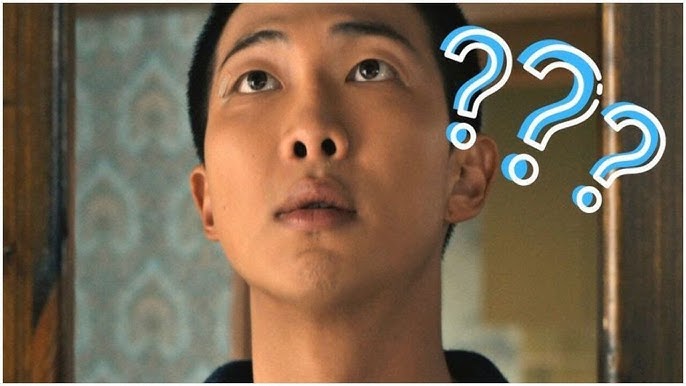
The teaser itself is a study in minimalist aesthetic. RM is shown in a variety of shots: pensive, looking away from the camera, his face partially shadowed, his expression unguarded. The styling is natural, almost austere, a far cry from the glittering, hyper-styled idol concepts. The focus is unmistakably on the man and the emotion, not the ornamentation. This, ironically, is what seemed to incite the backlash.
The Nature of the Comments
Scrolling through the trending threads, the comments fell into predictable yet devastating categories. Some fixated on his skin texture and tired eyes presented in the close-ups, calling them "unflattering" and demanding better "management" from his team. Others criticized his hairstyle and overall "concept" as being "lazy" or "not idol-like." A particularly vile subset engaged in direct comparisons with other members of BTS or male idols known for "flawless" visual standards, using RM as a negative benchmark. Woven throughout was a persistent, underlying accusation: that he was not trying hard enough to meet the visual expectations of his station.
This is the crucial twist. The criticism wasn't just about fixed features, but about perceived effort. In the logic of toxic fandom, an idol's primary contract is to provide aesthetic perfection. By presenting a teaser that favored raw artistic expression over polished, airbrushed idol fantasy, RM was seen by these vocal detractors as breaking that contract. He was being "unprofessional" by daring to show something real. This mindset mirrors the intense scrutiny discussed in our report on the airport security debate, where every public appearance is parsed for signs of adherence to an unwritten code of conduct.

The Historical Echo
As the source summary noted, "it isn't the first time." RM, along with virtually every idol who doesn't fit a rigid mold, has borne this for years. The cycle is wearying: a release, a wave of shallow critique, a rallying of the true fandom, and a slow fade until the next trigger. What makes the "2.0" incident distinct is its timing and context. This is not a rookie seeking acceptance; this is the leader of BTS in his artistic prime, launching a deeply personal project. The attack, therefore, feels more like a targeted negation of his entire hard-won identity. It screams that no matter what he achieves, the first lens through which some will view him remains reductive and cruel.
ARMY's Fortress: Defense, Disappointment, and Divisive Discourse
The reaction from the BTS fandom, ARMY, was swift, massive, and multifaceted, highlighting the complex layers within any major fan community.
The Defensive Frontline: The majority of fans mobilized under hashtags like #RespectRM and #ArtistsAreHuman, flooding timelines with supportive messages, praising his authenticity, and dissecting the artistic merit of the teaser. They posted older photos and clips showcasing his diverse visuals and intellect, arguing that his worth was never contingent on conventional standards. This faction viewed the hate comments as an attack from outsiders or "anti-fans" seeking to destabilize the fandom before a major release.
The Disillusioned Cohort: A significant, more somber reaction came from long-time fans expressing profound exhaustion and sadness. "We've been having this same fight for 11 years," one fan wrote on Weverse. "He's given us music about his insecurities, he's grown before our eyes, and we're still here? It makes me question if anything has really changed." This sentiment points to a painful fatigue—the realization that the industry's progress in some areas (global reach, musical diversity) has not eradicated its deepest, most ingrained prejudices.
The Internal Conflict: As with any large group, ARMY is not a monolith. A sliver of the fandom, often lurking in private forums or sub-communities, expressed agreement with the critiques, couching them in concerns about "competitive edge" or "public perception." This internal conflict—between protective love and a nagging, internalized adherence to the very beauty standards they defend their idol against—is a telling symptom of how pervasive these standards are. It echoes the ethical dilemmas faced by fans in our coverage of pre-debut photo leaks, where the desire for access clashes with respect for privacy and personal evolution.
"We love him for his mind and his heart. But today, watching those comments trend, it feels like we have to love him *despite* his face, and that is a heartbreaking thing to admit."
Industry Under a Microscope: The Systemic Glitch
Zooming out from the specific incident, the backlash against RM's "2.0" teaser reveals critical, ongoing glitches in the K-Pop industry's operating system.
The Visual Paradigm vs. Artistic Growth
The industry is structurally built on the "visual" as a primary pillar. Trainees are selected and molded based on it, concepts are designed around it, and marketing is saturated with it. While this has created iconic aesthetics, it establishes a contract that is nearly impossible to amend. When an artist like RM, who entered through a "rap skills" door, evolves into a holistic artist, the system—and a portion of its audience—struggles to update the terms. His teaser was an artistic statement, but it was evaluated by many through the reductive lens of a beauty contest. This conflict is at the heart of the journey explored in Soloist K's unlikely triumph, where talent eventually had to shatter preconceived visual notions.
The Hypocrisy of "Global Acceptance"
K-Pop aggressively markets itself as a globally respected, artistically valid art form. It campaigns for major awards, seeks critical reviews from Western media, and boasts about breaking cultural barriers. Yet, incidents like this expose a stark hypocrisy. How can an industry demand to be taken seriously for its artistry when a segment of its own ecosystem reduces its most successful artists to their appearance in a grayscale video? It undermines the very credibility it seeks. The pursuit of true artistic integrity, as seen in the approach of groups like CSR, often feels like a rebellion against this very hypocrisy.
The Algorithm of Hate
Social media platforms thrive on engagement, and negative, divisive content generates disproportionate clicks, comments, and shares. Brutal visual critiques are therefore amplified by the very architecture of the internet. A handful of vile comments can be screenshot, shared out of context, and turned into a trending "issue," creating a distorted sense of scale and consensus. The conversation becomes about the hate, not the art, which is a perverse victory for the detractors. Navigating this digital landscape is now a core skill for any idol, a sad reality reflected in the pressures faced by artists at every level, which you can track through our ongoing news coverage.
What Does "2.0" Really Signal? A Path Forward
So, where does this leave RM and the impending release of "2.0"? Paradoxically, the toxic backlash may have cemented the very theme of the project. "2.0" implies a new version, an upgrade, a shedding of old code. This incident has vividly highlighted the "old code" that needs to be debugged: the relentless, dehumanizing scrutiny of the physical self.
RM has never shied away from addressing his struggles directly in his art. It is entirely within his character to channel this experience into his music, crafting lyrics that dissect the absurdity of the beauty pageant he never signed up for. The "2.0" project could now become an even more powerful manifesto—not just of personal evolution, but of defiant self-acceptance in the face of an industry that commodifies the facade. His response, or lack of a direct one, will be closely watched. A dignified silence, focusing solely on the music, may be the most powerful rebuttal of all.
For the industry, this is another wake-up call. The conversation about moving beyond destructive visual standards has been happening for years, but progress is glacial. True change requires a concerted effort from agencies (to promote diverse aesthetics), media (to focus critique on artistry), and fans (to consciously reject and report toxic discourse). It requires celebrating artists who, like RM, prioritize substance, and supporting those on our Artists page who are pushing boundaries in all forms.
In the end, the "2.0" teaser did exactly what powerful art should do: it provoked a reaction. It forced a mirror onto the community, reflecting both its immense capacity for love and its stubborn pockets of petty cruelty. The coming days will see the hype for the actual music build, the charts will be monitored on our Charts page, and the narrative will hopefully shift. But the scar from this initial wound remains. It serves as a stark reminder that in K-Pop's gleaming, high-tech future, one of the biggest battles is still against a very old, very shallow demon. RM's "2.0" isn't just a new chapter for him; it's a test for the entire industry's maturity. The question is no longer whether he is good enough for their standards, but whether their standards are finally worthy of an artist like him.