
The Unfiltered Post That Resonated Around the World
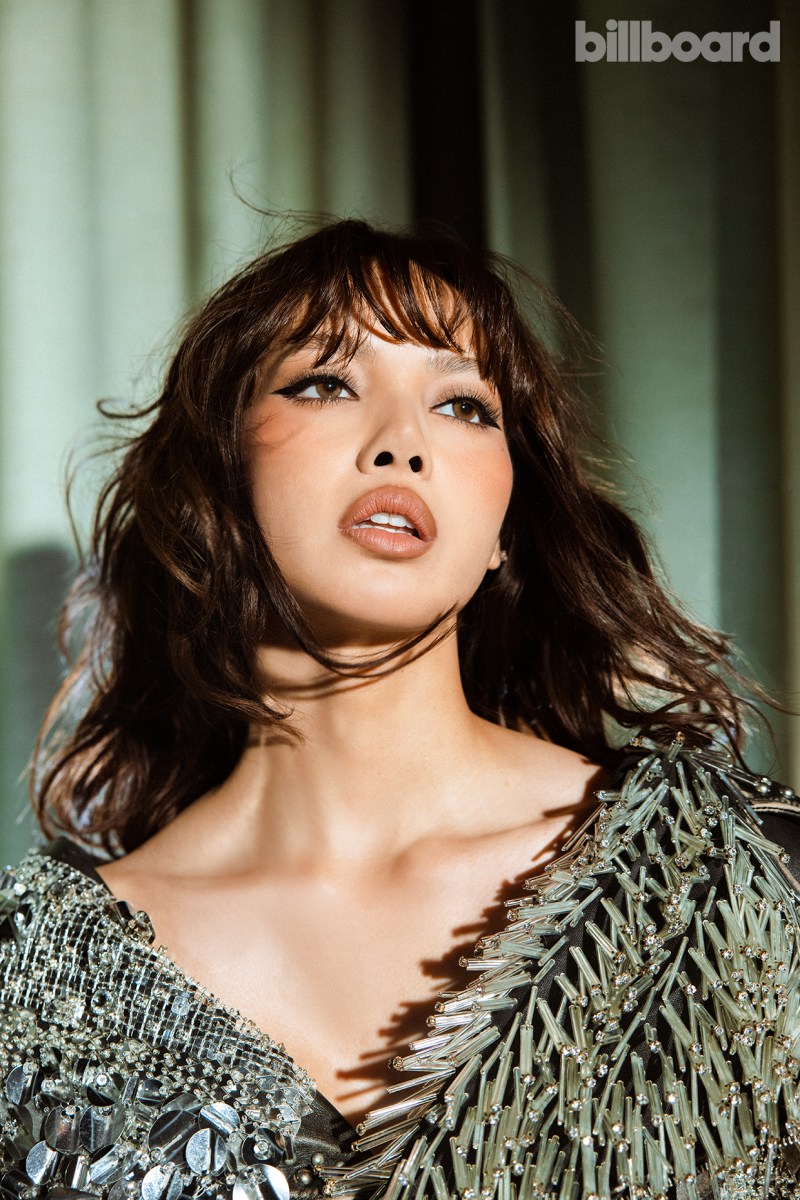
In an industry where every pixel is often curated, filtered, and approved by a team of professionals, a moment of raw authenticity can feel like a seismic event. This week, that tremor was sent across the global K-Pop landscape by none other than BLACKPINK's Lisa. A series of photos shared on her personal social media, featuring the superstar in a chic, form-fitting black dress, did more than just showcase her legendary style. One particular, close-up shot that candidly revealed the natural texture of skin—specifically, stretch marks on her hips—became an instant global talking point. Captioned with a simple, playful "Them stretchmarks 🔥…", the post was a masterclass in confident self-possession. It wasn't a vulnerability laid bare; it was a statement owned. Within hours, the hashtags #Lisa and #스트레치마크 were trending worldwide, not with concern or scandal, but with an outpouring of support, admiration, and a broader cultural discussion about the idols we idolize and the increasingly human image they are choosing to project.
The reaction was swift and profound. Fans and observers alike praised Lisa's "cheeky" and unapologetic embrace of a physical trait that is almost universally experienced yet rarely seen in the hyper-polished world of K-Pop visuals. This was not a carefully staged "real beauty" campaign from a cosmetic conglomerate. This was an idol, at the peak of her influence, sharing a completely unfiltered piece of herself on her own platform. As one fan on X (formerly Twitter) put it, "She didn't have to say a word. She just showed us, and in doing so, told millions they're beautiful too." This event transcends a simple social media update; it is a potent case study in the shifting power dynamics between idols, their agencies, and their audiences, marking another step in the long, complex journey toward a more holistic and realistic standard of beauty within the industry.
From Bangkok to the World: Lisa's Journey as a Global Trendsetter
To understand the weight of this moment, one must understand the trajectory of Lalisa Manoban. Discovered by YG Entertainment through a audition in her native Thailand, Lisa joined BLACKPINK as the group's main dancer, lead rapper, and a veritable visual powerhouse. From debut, her sharp, charismatic dance skills and striking "doll-like" visuals made her an immediate standout. However, Lisa's story is one of constantly shattering the very box she was initially placed in. She weathered early, unjust criticism about her Thai nationality with grace, only to become one of the most beloved K-Pop idols in Southeast Asia and beyond.
Her evolution into a global fashion and beauty icon has been meteoric. As a Celine global ambassador and the face of Bulgari, she regularly graces the front rows of Paris Fashion Week. Her solo debut, "LALISA," broke YouTube records and proved her formidable drawing power independent of the group. This context is crucial. Lisa is not an underdog; she is at the absolute apex of the industry. When someone of her stature makes a choice that deviates from the norm, the norm itself begins to bend. Her actions carry an authority that can redefine what is considered acceptable, desirable, and powerful. This recent post is a continuation of her personal brand: confident, bold, and inherently real. It follows a pattern of idols gradually claiming more ownership over their public image, a trend we've analyzed in pieces like our feature on NingNing's Visual Revolution, which explored how aespa's youngest is navigating self-expression.
The BLINK Effect and the Weight of Representation
The BLINK fandom has grown alongside BLACKPINK's unprecedented global conquest. They are a diverse, international, and highly engaged community that has supported the members through groundbreaking Coachella performances, world tours, and individual ventures. This fandom expects excellence but has also shown a deep appreciation for the members' individual personalities. Lisa's relationship with BLINKs has always been characterized by a playful, direct, and sometimes cheeky authenticity—from her goofy "Lili Films" on YouTube to her fierce stage presence. This latest post resonates because it fits that authentic persona while simultaneously elevating it to a statement of bodily autonomy and self-love. It demonstrates a level of trust and intimacy with her audience that many idols are now carefully, and bravely, cultivating.
Deconstructing the Moment: More Than Just a Photo
At surface level, the post consisted of a carousel of images from an elegant photoshoot. Lisa, in a sleek black dress, exuded her typical high-fashion magnetism. The catalyst for the conversation was one specific image: a close-up, three-quarter shot where the fabric of her dress tightened across her hips, revealing the subtle, silvery lines of stretch marks. The caption, "Them stretchmarks 🔥…", was genius in its simplicity. The fire emoji transformed a feature often stigmatized into a badge of honor, a symbol of something hot, powerful, and undeniable. This was not an apology, nor was it presented as a flaw. It was a celebration.
The power of the act lies in its defiance of a deeply ingrained industry practice. K-Pop idol imagery is synonymous with flawlessness. Skin is airbrushed to porcelain perfection in official photos, music videos, and even often in behind-the-scenes content. "Imperfections" like pores, scars, or—most certainly—stretch marks are meticulously edited out. This creates an impossible standard that affects both idols and fans. For idols, the pressure to maintain this illusory perfection can be a immense mental and physical burden, a topic we've covered in depth regarding the pressures on artists like TWICE's Chaeyoung. By choosing not to edit this detail, Lisa challenged that entire apparatus. She presented an image that was both glamorous and real, proving that the two are not mutually exclusive.
"It’s so refreshing to see an idol of her caliber be this real. It makes her beauty feel attainable and human, not like some untouchable CGI character. This is the confidence I want to see in my idols." - A top-voted comment on an online fan community.
The Agency Equation: A Shift in Control?
This incident also sparks questions about agency involvement. As a member of BLACKPINK under YG Entertainment, and now under her own label LLOUD for solo activities, the degree of oversight on her personal social media is a subject of speculation. The fact that this post remained up, gathering millions of likes and positive press, signals a potential shift. It suggests that either agencies are recognizing the positive PR and fan connection generated by such authentic moments, or that top-tier idols like Lisa have earned significant autonomy over their personal platforms. This represents a move away from totalitarian image control towards a more collaborative, trust-based model between artist and management.

A Chorus of Praise: How Fans and the Public Are Responding
The digital response has been overwhelmingly positive, creating a wave of supportive discourse that has dwarfed any negligible negative noise.
- Global Trending Topics: Within an hour, related keywords topped trending lists on X, Instagram, and TikTok worldwide, particularly in Southeast Asia, Europe, and the Americas.
- Fan-Made Art and Tributes: Artists within the fandom began creating illustrations and digital art celebrating the specific photo, often incorporating the "🔥" emoji and messages about natural beauty.
- The "Body Neutrality" Discourse: The conversation quickly moved beyond simple praise of Lisa to broader discussions about body neutrality and positivity in K-Pop. Fans shared their own stories and expressed gratitude for the representation.
- Media Amplification: Major entertainment news outlets, both within Korea and internationally, picked up the story, universally framing it as a positive and empowering move.
Perhaps most tellingly, the comment sections were flooded with messages not just for Lisa, but from fans to each other, sharing their own experiences and fostering a sense of community. This transformed a personal post into a collective moment of empowerment. This kind of engaged, positive fan reaction is a key metric for success beyond just chart numbers, indicating a deep and healthy artist-fan relationship.
A Counterpoint to Toxic Criticism
While the response has been largely celebratory, it also acts as a bulwark against the toxic undercurrents of online criticism that idols, especially female idols, routinely face about their bodies. By owning the narrative so confidently from the outset, Lisa effectively disarmed potential critics. The dominant narrative became one of admiration, making any negative comments seem out of touch and irrelevant. This showcases a savvy use of social media to set the terms of one's own public image.
The Bigger Picture: A Cultural Shift Within the Industry
Lisa's post is not an isolated incident, but rather a prominent peak in a growing mountain range of change. For years, the conversation around idol beauty standards has been simmering. We are now seeing a tangible shift, driven by both artists and a changing consumer demand.
1. The Rise of the "Self-Producing" Idol Image: Idols are increasingly involved in their creative direction, from songwriting to styling. This desire for artistic control naturally extends to their personal image and how they present their bodies. They are moving from being mere canvases for agency stylists to being curators of their own public selves.
2. The Influence of Global Markets: As K-Pop's audience becomes truly global, it encounters diverse beauty standards and cultural attitudes toward the body. The Western market, for all its flaws, often values a certain curated "authenticity." Idols promoting internationally are navigating these differences, sometimes blending the polished K-Pop aesthetic with a more relatable, personal touch.
3. The Mental Health Reckoning: The industry is slowly, painfully, becoming more aware of the psychological toll of maintaining impossible standards. Scandals, hiatuses due to health, and heartfelt letters from idols have pushed the conversation forward. Actions like Lisa’s, which reduce the pressure of perfection, contribute to a healthier environment. This echoes the industry-wide concerns about well-being highlighted in our report on the pressures faced by BTS.
4. A Generational Handoff: Senior artists and those from previous generations often operated under stricter, more conservative rules. The current generation of top idols, like those in BLACKPINK, aespa, and others, entered a more globalized industry and are using their hard-won influence to redefine the rules. They are creating a new normal for the rookies who follow, as seen in the bold approaches of groups like Hearts2Hearts.
What This Means for the Future of K-Pop Imagery
So, where do we go from here? The "Lisa effect" from this single post will likely manifest in several key ways for the industry's future.
First, we can expect to see continued, cautious experimentation with authenticity. Other idols, particularly those with strong personal brands and established fanbases, may feel empowered to share similarly unfiltered moments, whether about skin, body changes, or other "imperfections." This won't mean the end of high-glamour, perfectly styled photoshoots—those are a cornerstone of K-Pop's appeal. Instead, it will create a more diverse spectrum of idol imagery, where the flawless concept photo and the casual, real-life snap can coexist without contradiction.
Second, agencies will be forced to re-evaluate their editing and social media policies. The positive commercial and reputational response to Lisa's post is a powerful data point. It proves that authenticity can drive engagement and foster deeper fan loyalty. Savvy agencies will study this and may begin to encourage a more balanced approach to their artists' public personas, as seen in the evolving strategies across major labels documented on our Artists page.
Finally, and most importantly, it continues to transfer narrative power to the artists themselves. Lisa didn't ask for permission to have a body that changes; she simply showcased it on her terms. This act of ownership is the ultimate trend. The future of K-Pop beauty may not be about a single, unified standard, but about the multiplicity of standards that its diverse artists choose to embody and celebrate. As idols continue to navigate the immense pressures of legacy and expectation—a pressure familiar even to juniors who look up to legends like BTS's Jungkook—the ability to control their own image will be their most valuable tool.
Lisa's "🔥" caption was more than an emoji; it was a spark. It illuminated the growing space between the idol as an immaculate product and the idol as a human artist. As that space grows brighter, the entire industry will have to adjust its eyes. The future looks not just flawless, but real, textured, and powerfully human. For the latest on this evolving story and more insights into the world of K-Pop, stay tuned to K-Beats News.