
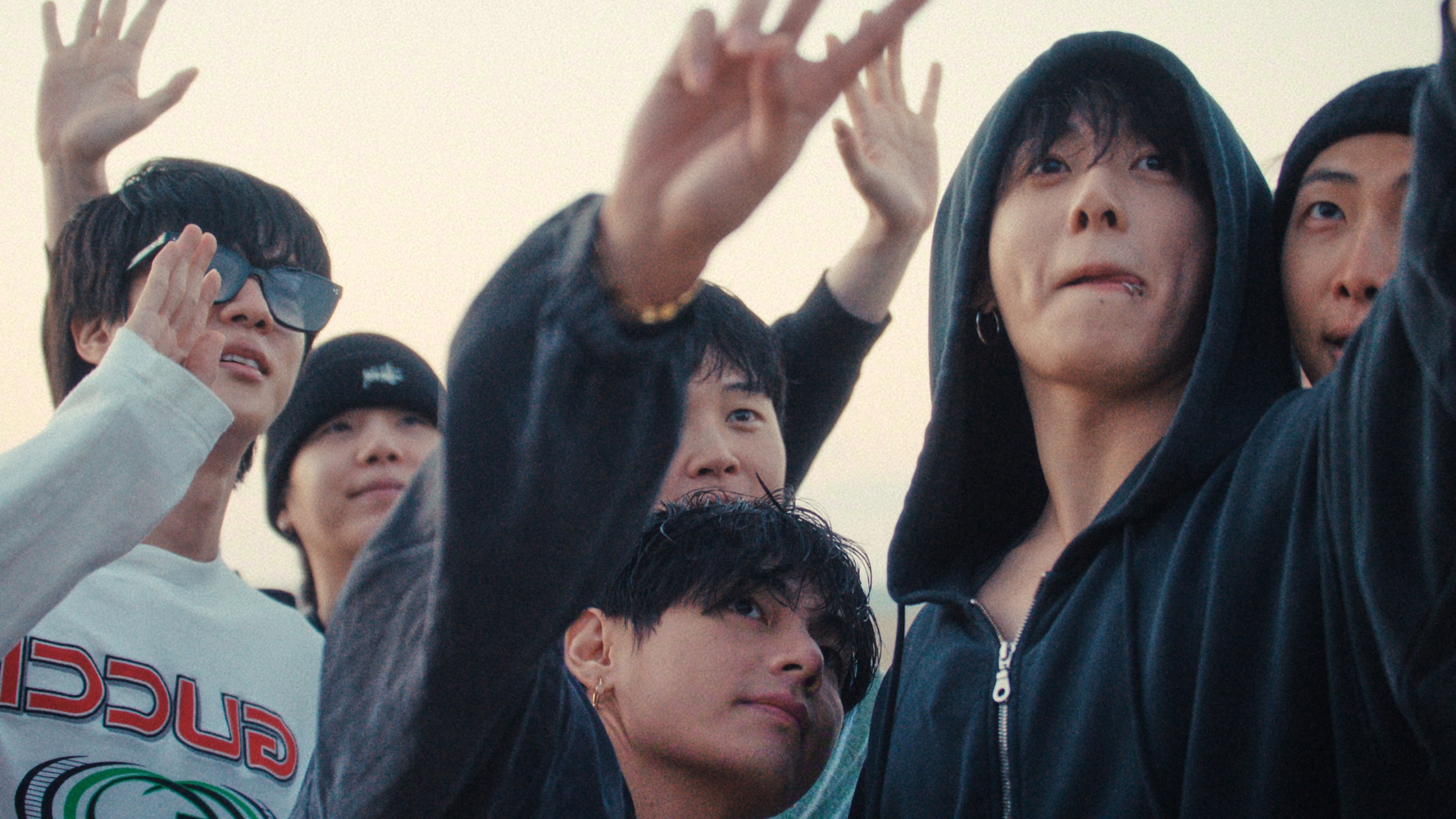

Smoke, Chaos, and a "Controlled" Burn: The Incident That Shook ARMY
For BTS and their global legion of fans, ARMY, the line between breathtaking spectacle and genuine danger has always been vigilantly watched. This week, that line was not just crossed but seemingly set ablaze, as a major commercial film shoot for a luxury brand descended into what multiple on-set sources are describing as a harrowing safety failure. At the center of the storm is acclaimed director Park Min-woo, whose visionary portfolio includes music videos for top-tier acts and high-concept advertisements. He now faces a tsunami of criticism, legal threats, and fan fury after a pyrotechnic sequence during the filming with BTS allegedly went severely awry, purportedly filling the closed soundstage with smoke and putting the health and safety of all seven members at immediate risk. The disturbing moment, captured in a now-viral 27-second clip leaked by an anonymous crew member, shows members covering their mouths, coughing, and being hastily escorted by alarmed staff as thick, grey plumes billow beyond the intended set area.
"It wasn't a special effect; it was an emergency. You could see the genuine fear in their eyes. The director kept shouting for 'one more take' while security was trying to get everyone to exits," an unnamed production assistant stated in a report filed to the Seoul Creative Artists' Union.
This incident is not merely a blip in the 24-hour news cycle. It strikes at the very core of the fragile contract between idols, their agencies, and the creative industries that employ them. It raises urgent questions about who is ultimately responsible when artistry overshadows safety, and what price is considered too high in the pursuit of the perfect shot.
A History of Close Calls: BTS and the Constant Battle for Security
To understand the magnitude of ARMY's reaction, one must look at the historical context. BTS has not been a stranger to security breaches and safety oversights throughout their decade-long career, each event etching deeper the fandom's protective instincts. Their journey from a small agency underdog to global phenom has been punctuated by moments where their physical well-being was compromised by overwhelming crowds, inadequate planning, or sheer negligence.
Early in their career, grueling schedules and "overworking" were the primary concerns. However, as their fame exploded, so did the threats. There have been numerous instances of airport mobs where members were grabbed and pulled, stage invasions at award shows, and even a series of disturbing stalking incidents targeting individual members' homes. Each event led to louder calls for HYBE and its subsidiary Big Hit Music to enforce stricter, militaristic-level protocols. The fandom's memory is long, and the trauma of seeing their idols in distress is cumulative. This history is cataloged and discussed relentlessly on fan platforms, creating a community that is hyper-vigilant and quick to mobilize at the slightest hint of danger.
This latest incident, however, feels qualitatively different to many. It wasn't an uncontrollable external factor like a fan rush; it was a planned element of a professional, high-budget production that went wrong. The danger originated from the set itself, from the decisions of the director and production team hired to create a safe working environment. This shift—from external threat to internal procedural failure—has ignited a new kind of anger. As explored in our previous coverage of alarming security lapses, the relationship between safety, consent, and production pressure is a recurring flashpoint in the BTS narrative.
The Weight of a Legacy: More Than Just Idols
Complicating the matter is BTS's current status. With members Jin and J-Hope completing their military service and the group in a period of strategic individual activities ahead of a promised 2025 reunion, each member's solo endeavors are under a microscope. They are not just idols filming a commercial; they are cultural ambassadors, multimillion-dollar brand assets, and, to millions, emotional anchors. The responsibility to protect them is viewed by fans as a moral imperative, not just a corporate one. The pressure on HYBE to manage this phase flawlessly is immense, as any misstep reflects on the entire ecosystem, including junior labels and artists who look to BTS's treatment as a benchmark. The intense scrutiny on HYBE's family dynamics was recently highlighted when a rookie from a sister label made a startling confession about the daunting pressure of the "HYBE legacy" embodied by BTS's Jungkook.
Deconstructing the Disaster: A Timeline of the Alleged Failures
Based on leaked footage, eyewitness accounts from fanbases monitoring the shoot's perimeter, and industry insiders, a troubling timeline of the event has emerged. The commercial, for a renowned European fashion house, was designed to be cinematic and dramatic, featuring the members in a stark, warehouse-like setting.
- Pre-Shoot Preparations: Sources indicate that the pyrotechnic sequence involving controlled flames and smoke machines was storyboarded and approved. However, concerns were reportedly raised by on-set safety officers about ventilation in the massive but sealed soundstage. These concerns, according to a union rep, were "overruled by the creative director's insistence on atmospheric density."
- The Take: During a key take, the pyrotechnics were triggered. Almost immediately, the smoke, instead of dissipating artistically, began to accumulate at an alarming rate. The ventilation system, allegedly inadequate for the amount of chemical smoke used, failed to clear the air. The leaked clip begins here, showing the members initially in character before their expressions shift to confusion and discomfort.
- The Critical Minutes: As the smoke thickened, visible in the video obscuring the cameras, the director is heard (according to audio analysis by fan investigators) calling for a hold, then moments later, asking if they can proceed. It is in this window—estimated to be 45-60 seconds—that the situation turned critical. Members, particularly Jimin and V, are seen bending over, covering their faces with their hands and costume sleeves. Security and managers rush in, not from the periphery, but from behind cameras, indicating they were not stationed immediately adjacent to the set.
- The Aftermath: The members were reportedly taken to a dedicated medical station on-site for assessment. While no official reports of hospitalization have been released, unconfirmed rumors from messaging boards claim several members experienced dizziness, nausea, and respiratory irritation for hours after. The shoot was canceled for the day.
The core allegation against Director Park is one of negligence and prioritization of the shot over human safety. "He's known for his perfectionism, for getting the impossible shot," said one veteran music video producer who asked not to be named. "But on a set with talents of this caliber, the first rule is that their safety is the ultimate priority. The fact that the smoke got that bad before a full stop was called is indefensible."

The Fandom Erupts: #ProtectBTS Trends Worldwide
The reaction from ARMY was instantaneous and globally coordinated. Within an hour of the clip leaking, the hashtag #안전제일_보여줘 (Show Us Safety First) and #ProtectBTS began trending worldwide on X (formerly Twitter), amassing over 15 million combined tweets in the first 24 hours. This was not mere outrage; it was a highly organized campaign with clear demands.
Demands, Not Just Anger
Fan unions and large account holders published formal, templated letters demanding:
- A full, transparent investigation and public report from HYBE and the production company.
- The immediate termination of Director Park Min-woo from the project and a public blacklist from future HYBE collaborations.
- Clear, verifiable information on the members' health, verified by an independent medical professional.
- A comprehensive review and public disclosure of updated on-set safety protocols for all HYBE artists.
Furthermore, fans launched email campaigns to the offices of the luxury brand, urging them to take accountability for the production they funded. "We are your consumers. The faces selling your products were put in danger for your campaign. We demand action," read a widely circulated template. This approach mirrors the strategic, data-driven advocacy ARMY has perfected, turning emotional response into actionable pressure. The fandom's ability to rally around a cause was on full display, reminiscent of their powerful mobilization for social issues and chart campaigns that regularly top our Charts page.
"This isn't about being overprotective. This is about basic worker's rights. They are artists at work. Would this be acceptable on a film set with Hollywood A-listers? No. So why is the standard different here?" tweeted @BTS_ARMY_legal, a fan account with over half a million followers focused on advocacy.
Industry-Wide Reckoning: A Precendent in the Making
The repercussions of this incident are rippling far beyond this single shoot. It has ignited a fierce debate within the South Korean entertainment industry about the working conditions for all idols, not just the top tier.
The Liability Quagmire
Legally, the situation is complex. While HYBE has a duty of care to its artists, on a contracted commercial shoot, primary safety responsibility often falls to the production company and the designated on-set safety officers. However, HYBE's own managers and security detail are present. The question becomes: at what point should they have overridden the director? This incident may lead to stricter contractual clauses for top-tier idols, giving their agencies absolute veto power over unsafe conditions, a move that could redefine power dynamics on set.
"This is a wake-up call for every agency," says industry analyst Kim Jae-woong. "The idol industry runs on tight deadlines and high pressure to deliver visually stunning content. Safety can sometimes be an afterthought, especially on complex shoots. But with BTS, the financial and reputational risk is astronomical. This could be the case that forces a standardized, industry-wide safety certification for all music video and commercial directors working with major idol groups."
The Ripple Effect on Other Artists
Junior artists and their fandoms are watching closely. The outcome will set a precedent. If HYBE takes strong, decisive action and institutes public reforms, it will empower fans of other groups to demand the same standards. If the response is perceived as weak, it signals that even the most valuable artists in the world are not fully protected. This tension between creative ambition and physical safety is universal, affecting everyone from legendary groups to rising rookies. We've seen similar, though less severe, pressures in the competitive chart landscape, where the drive to succeed can create its own risks, as detailed in our analysis of the intense "Chart Wars" driving today's generation of idols.
Looking Forward: Accountability, Healing, and Systemic Change
In the immediate term, all eyes are on the official statements. The luxury brand has issued a generic "we are looking into the matter" press release. HYBE and Big Hit Music have remained conspicuously silent, a strategy that is currently fueling more anxiety than quelling it. Director Park's agency has stated they are "gathering facts," but has not denied the sequence of events.
The potential outcomes are stark. A lawsuit, while possible, is considered a last resort; the more likely path is a quiet but forceful behind-the-scenes restructuring. This could involve:
- The permanent severing of ties between HYBE's creative teams and Director Park.
- The hiring of a third-party international safety consultancy to audit all future production plans involving BTS.
- A formal, public apology from the production company and the director.
For BTS themselves, the impact is personal and professional. Trust in external production teams has been fractured. How they navigate this trust deficit in future solo projects, especially those involving ambitious visuals, will be telling. Will they insist on bringing their own safety crews? Will they veto certain types of stunts altogether? Their agency, representing some of the most influential idols in the world, is now at a crossroads between maintaining industry relationships and upholding an uncompromising duty of care.
Ultimately, this incident transcends a single misstep on a smoky set. It is a catalyst. It forces the multi-billion dollar K-Pop machine to confront an uncomfortable question: in the relentless pursuit of art, spectacle, and commercial dominance, have the fundamental rights and safety of the artists themselves been compromised? The world, led by a mobilized and furious ARMY, is now waiting for an answer. The response will not only define this chapter for BTS but could very well redefine the standards of safety for every idol who follows in their footsteps. For ongoing developments on this and other critical stories, follow our dedicated News page.