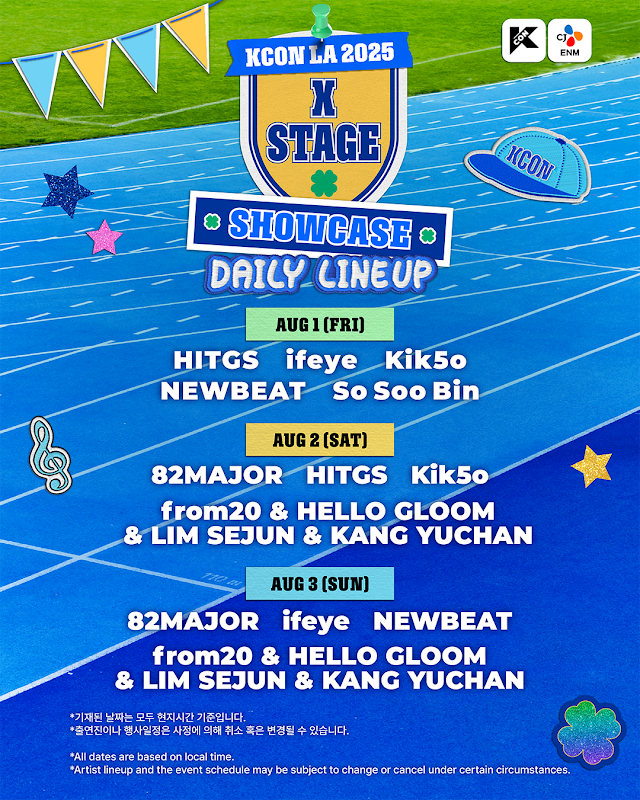
The scent of summer is in the air, and with it comes the electric buzz of festival season. Social media feeds are already flooding with dazzling, multi-line posters for events like Waterbomb, KCON, and Weverse Con, each a colorful mosaic of artist names vying for attention. In this pre-season frenzy, a simple yet devilishly clever interactive quiz from Soompi has cut through the noise, revealing a deeper truth about the K-Pop ecosystem. Titled "Build Your Own K-Pop Festival Lineup And We’ll Accurately Guess Your Age," the feature has gone viral, not just for its accuracy, but for holding up a mirror to the distinct, and sometimes divisive, generational identities within the fandom.
At first glance, it's a bit of fun. Yet, the passionate, often defiant reactions to its results across Twitter, TikTok, and fan forums tell a more complex story. Your curated dream lineup isn't merely a list of preferences; it's a cultural fingerprint, a testament to the era in which your fandom heart was first captured. This phenomenon opens a compelling dialogue about nostalgia, genre evolution, and how the relentless forward march of K-Pop's "next big thing" creates natural, and often unspoken, cohorts of listeners.
The Festival as a Cultural Battlefield: From Unity to Generational Curation
To understand the weight of a lineup choice, one must look at the evolution of the K-Pop festival itself. A decade ago, major festivals often presented a broader, more unified picture of the industry. Legends like Shinhwa, TVXQ!, and Big Bang would share posters with then-rising giants like Girls' Generation and SUPER JUNIOR, presenting a continuum of Hallyu power. These events were celebrations of K-Pop as a monolithic, outward-facing force.
Today's landscape is fragmented by design. Festivals have become highly curated experiences targeting specific demographic slices. A festival like Waterbomb leans heavily into energetic, performance-driven acts and a party atmosphere, often favoring 3rd and 4th generation groups with intense choreography. KCON, while sprawling, strategically layers its lineups to balance legendary acts with current chart-toppers and rookie promises. The rise of company-specific festivals, like SMTOWN Live or BTS's now-paused MUSTER events, further compartmentalizes the experience. This shift means a fan's ideal festival is now a direct reflection of their entry point into the fandom and their subsequent musical journey. As explored in our feature on Shinhwa's Lee Min Woo's recent wedding, the enduring legacy of first-generation idols creates a powerful nostalgic pull that continues to define a segment of the concert-going audience.
The Algorithm of Nostalgia: What Your Headliner Really Says
The viral quiz works because it taps into recognizable, generation-defining signifiers. The options presented for each slot—from legendary opening acts to the ultimate headliner—are carefully chosen archetypes.
For instance, a user whose dream lineup is anchored by a 2nd Generation group like 2NE1 or BIGBANG for the climax, with SISTAR or BEAST filling the main support, is almost certainly mapping the soundtrack of their late 2000s to mid-2010s adolescence. This era was defined by explosive, genre-blending pop anthems and the dawn of intense international fandom. Choosing a powerhouse vocal duo like Davichi for a melodic interlude further cements this identity, echoing the timeless appeal of balladry that dominates Korean charts, much like the enduring success of Chen & Punch's "Everytime".
"I got 'Elder Millennial' and I'm not even mad. My lineup was Shinee, Apink, and IU. That's just peak music taste, sorry not sorry!" — @CaratbongSunshine on Twitter.
Conversely, a lineup boasting 4th Generation titans like Stray Kids, IVE, or aespa as headliners, with ATEEZ and (G)I-DLE in high-energy slots, paints the picture of a fan immersed in the current, hyper-digital age. This is the generation of "noise music," intricate cinematic lore, TikTok-driven challenges, and record-breaking pre-order numbers. The sonic palette is more experimental, the visual concepts more complex, and the global footprint is a given, not a goal.
Decoding the Fandom Reaction: Pride, Panic, and Tribal Lines
The reaction to the quiz has been a social media spectacle in itself, serving as a loose census of the fandom's age distribution and its attendant anxieties.
The Nostalgia Brigade: Older fans (often self-identified "2nd gen stans") have embraced their results with a mix of pride and wistfulness. Their tweets and posts are filled with hashtags like #2ndGenBestGen and screenshots of lineups featuring KARA, 4Minute, and INFINITE. For them, the quiz is validation of their foundational role in the Hallyu wave. There's a subtle, defensive boastfulness—a belief that their era produced the most "complete" idols, skilled in live vocals, variety, and enduring discographies. The disappearance of certain acts adds a layer of preciousness to these choices, a sentiment echoed in our investigative piece, "The Vanishing Act", which explores the fragility of certain chapters in K-Pop history.
The 4th Gen Vanguard: Younger fans, meanwhile, wear their "Gen Z" result as a badge of honor. It signifies being on the cutting edge, supporting artists who are breaking molds and setting new records. There's a palpable sense of owning the present and future of the industry. Debates flare not about which legendary group should reunite, but about which 4th gen group is most deserving of a "Kingdom" or "Queendom" win.
The Panicked In-Betweens: The most entertaining reactions have come from late-Millennial and early-Gen Z fans who received unexpected results. A 25-year-old who built a lineup with Red Velvet (3rd gen) and LE SSERAFIM - PUREFLOW pt.1: What Just Landed" rel="internal">LE SSERAFIM (4th gen) might get "Mid-Zillennial," sparking an identity crisis. "I feel seen, but also attacked," reads a typical quote. This panic highlights the blurred lines between generations that are so neatly defined by media, and the diverse tastes of individual fans who traverse eras freely on our Charts page.
The Data Behind the Fun: More Than Just a Quiz
While presented as entertainment, the mechanics of such a quiz are rooted in real market research and streaming data. Festival organizers and entertainment companies constantly analyze these generational consumption patterns. The choice to invite a veteran soloist like Lee Hyori or Rain is a direct appeal to the disposable income of older fans who yearn for retro stages. Including a rookie group with massive Gen Z social media engagement, even if their live experience is still developing, is a calculated move to guarantee online buzz and a youthful, energetic crowd.
This data-driven curation explains why certain "legacy acts" remain festival staples while others fade. It's not merely about past glory; it's about proven, sustained ticket-purchasing power and the unique, often irreplaceable stage presence that comes with decades of experience. The quiz inadvertently teaches users this market logic: your emotional attachments directly correlate with demographic buckets that the industry meticulously tracks.
Industry Implications: The Festival as a Demographic Barometer
The viral nature of this generational conversation sends a clear signal to the industry. The monolithic "K-Pop fan" is a myth. Successful event planning now requires a sophisticated understanding of these layered identities.
Hybrid Lineups are the New Gold Standard: The most successful large-scale festivals will likely continue to master the art of the hybrid lineup. This means creating a narrative poster where a 2nd gen icon, a 3rd gen chart dominator, and a 4th gen phenomenon can coexist, allowing different fan groups to share a space while each having a "must-see" moment. It's a delicate balancing act of respect and relevance.
The Rise of Niche and "Classic" Festivals: We are also seeing growth in targeted events. Specialized "retro" or "nostalgia" concerts featuring re-formed or solo acts from specific years (e.g., "2009 Hits") sell out instantly, proving the commercial viability of catering exclusively to one generational cohort. This mirrors the diversification seen in other media, such as the way idol-actors now draw specific crowds to projects, a trend detailed in our analysis of "Beyond the Stage".
"From a marketing perspective, this quiz is genius. It's crowd-sourced demographic research wrapped in a game. The reactions are telling us exactly what segments feel most strongly about which artists, and that is invaluable for planning real-world events." — Park Ji-won, a cultural analyst speaking to K-Beats.
Merchandising and Experience Tailoring: This generational awareness extends beyond the lineup. A festival area might feature a "Retro Photo Zone" with props from 2nd gen music videos alongside a "Metaverse Experience" booth sponsored by a 4th gen group known for its SMCU lore. Food vendors and partnership activations will be chosen to resonate across these age groups. Understanding that a 30-year-old fan and a 16-year-old fan experience the same event in fundamentally different ways is key to maximizing engagement and revenue.
What's Next: The Future of Fandom Cohabitation
As K-Pop continues its relentless evolution, these generational markers will only become more pronounced. The 5th generation is already on the horizon, ready to introduce new sounds, technologies, and fan interaction models that will define the next cohort.
The challenge and opportunity for the community lie in moving beyond gentle ribbing about "old" and "new" stans toward a more holistic appreciation of K-Pop's living history. Festivals are the perfect ground for this education. Imagine a special stage where a 4th gen "performance dragon" group covers a classic 2nd gen hit, bridging the gap through respect and reinterpretation. Or a talk segment where idols from different eras discuss the changing nature of training and debut.
Ultimately, the Soompi quiz is a lighthearted reminder that our musical tastes are deeply personal chronicles of our lives. The group that got you through high school, the soloist whose album you bought after your first job, the rookie you stan with your online friends—they all occupy different, sacred spaces in your personal fandom timeline. The magic of a truly great festival is its potential to weave all these individual timelines into a shared, spectacular present. The next time you scan a lineup poster, you're not just looking at a list of names; you're reading a story about where K-Pop has been, and a prediction of where it's going. And as always, you can track all these evolving artists and their impacts on our comprehensive Artists page.
So, what does your dream lineup say about you? Whether it's a testament to the golden age of physical albums or a manifesto of the streaming era, it's a valid, vital part of the tapestry. Festival season is here. Embrace your cohort, wear your era's lightstick with pride, and maybe, just maybe, take a moment to appreciate the main stage act from a generation that isn't your own. You might just discover the missing piece to your next dream lineup.