
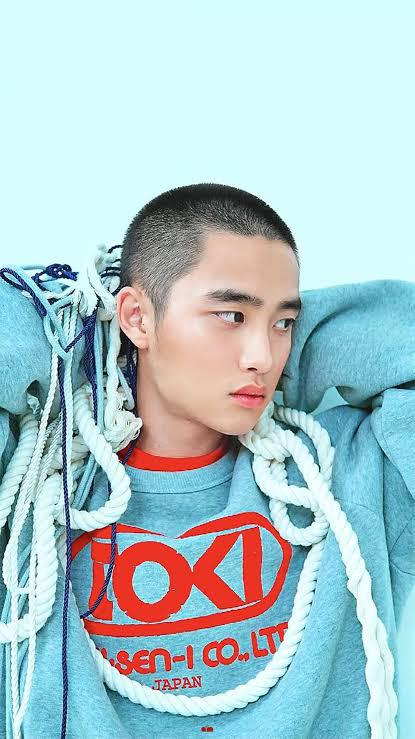

The world of K-Pop is built upon a foundation of visuals, where beauty is often quantified, marketed, and seen as a prerequisite for success. Idols are celebrated for their flawless skin, perfect proportions, and captivating features. It’s rare to hear a story that fundamentally challenges this very system from within, especially one that begins not with a stylist’s touch, but with a razor’s blade. This week, a revelation from popular idol-actress Lee Yoo-jin of the girl group Ethereal has sent shockwaves through the fandom, not for a scandal or a comeback, but for a deeply personal admission about the extreme lengths taken to shield her from her own appearance.
During a candid segment on the YouTube talk show ‘Heart Signal Lounge’, Yoo-jin, known for her elegant and classic beauty that has made her a top CF model and rising drama star, shared a childhood anecdote that left hosts and viewers speechless. "When I was in middle school," she began, her tone a mix of nostalgia and gentle bewilderment, "my mother shaved my head. Completely bald." The reason, as she elaborated, was disarmingly simple, yet profoundly complex: she was considered too pretty. This is not a story of typical teenage rebellion or a fashion statement, but a protective, if radical, parental intervention against unwanted attention and the immense societal pressure that can accompany exceptional beauty at a young age.
A Blossoming Star: The Rise of Lee Yoo-jin
To understand the weight of this confession, one must first appreciate the stature of Lee Yoo-jin. Debuted at 18 as the visual and lead vocalist of the six-member group Ethereal, Yoo-jin quickly became a standout. The group’s concept blended dreamy, orchestral pop with lyrical depth, but it was Yoo-jin’s face that often graced thumbnail images and magazine covers. Her beauty was frequently described as "timeless" and "pure," evoking comparisons to classic Korean actresses of the 1960s. This image was solidified when, just two years after debut, she landed a supporting role in the hit historical drama ‘Song of the Sword’, earning a "Best New Actress" nomination.
Her trajectory seemed like a textbook success story: a trainee from a mid-sized agency, surviving a competitive survival show to debut in a well-received group, followed by a seamless crossover into acting. Fans, known as ‘Yoo-Niverse’, adored her for what seemed like a graceful, effortless ascent. She represented an ideal, a visual pinnacle within an industry already overflowing with attractive people. Yet, her recent revelation peels back the glossy surface to reveal a narrative of deliberate concealment and a childhood where her most noticeable attribute was seen as a liability to be managed. For more on the idols shaping the current generation, visit our Artists page.
From Trainee to Triple Threat
Yoo-jin’s path wasn't solely reliant on her looks. Insiders from her agency, Starline Entertainment, have often noted her exceptional work ethic. "She was always the first in the practice room and the last to leave, even when she was juggling drama rehearsals," a former staff member was quoted saying in a past profile. This diligence translated into tangible success. Ethereal's last comeback, ‘Veil’, debuted at number 3 on major domestic charts, showcasing her stable vocal growth. Her acting portfolio, meanwhile, has expanded to include a modern romance drama, proving her versatility beyond the sageuk genre. She has become a triple threat: idol, actress, and sought-after brand ambassador.
The Unveiling: A Mother's Radical Protectiveness
The heart of the story lies in that single, drastic childhood act. Yoo-jin described her middle school years in a suburban Seoul neighborhood. As she entered her teens, her features, which had always drawn compliments, began to attract a different kind of attention. "It wasn't just from classmates," she explained. "There were older students, people from other schools, even strangers who would wait near our gate. My mother received calls from parents asking if I could tutor their sons. It was overwhelming and... scary for her."
"She sat me down and said, 'Your face is a blessing, but right now, it's a storm you're too young to navigate. We need to let you just be a student.' The next day, she took the clippers to my hair. I cried, of course. But a part of me also felt free," Yoo-jin recalled, her voice steady.
This was not a punishment, but a strategy. Her mother, a former school teacher, aimed to remove what she perceived as the primary source of this disruptive attention. In a society where long, silky hair is a quintessential symbol of femininity and beauty, shaving it off was a symbolic act of stripping away that identity. Yoo-jin wore wigs and hats to school for nearly a year until her hair grew into a short, boyish cut. "I became invisible in the best way possible," she said. "I could focus on my studies, I joined the robotics club without any whispers, and I made friends who liked me for my terrible jokes, not my face."
Beauty as a Double-Edged Sword
This incident forces a uncomfortable conversation about the concept of "pretty privilege" and its often-ignored dark side, particularly for minors. While beauty can open doors, it can also objectify and isolate. Yoo-jin’s story is a stark, physical manifestation of a fear many parents, especially of daughters, may harbor. It echoes broader societal issues around hyper-scrutiny and the safety of young women. The move, while extreme, came from a place of wanting to grant her a semblance of normalcy and safety—a childhood not defined by external gaze. This narrative finds a poignant, if different, resonance in our coverage of the immense pressures idols face, such as in Behind the Closed Door: Luna's Candid Livestream Reveals a Six-Month Solitary Struggle, which details the mental toll of the industry's demands.

Echoes in the Fandom: Shock, Empathy, and Debate
The reaction from the Yoo-Niverse and the wider K-Pop community was instantaneous and multifaceted. Social media platforms like Twitter and fan cafe forums exploded with a mix of shock, heartfelt empathy, and vigorous debate.
On one hand, countless fans expressed profound sadness and a newfound protectiveness. "I never thought the reason behind her always saying she loved short hair in variety shows was this deep. My heart aches for middle school Yoo-jin," wrote a top fanbase account. Many applauded her mother’s fierce, if unorthodox, protectiveness, noting the courage it took to prioritize her daughter’s peace over societal expectations of appearance. Hashtags like #YooJinsBravery and #ProtectYooJin trended, with fans sharing edited photos of her with short hair, celebrating all her forms.
However, a significant debate also erupted regarding the method itself. Some child psychologists and commentators questioned whether such a radical alteration of a child’s appearance could have negative psychological impacts, potentially sending a message that her beauty was something to be ashamed of or that drastic physical change was the solution to social problems. "Couldn't there have been other ways? Counseling, changing schools?" one popular discussion thread questioned. Others drew parallels to the industry Yoo-jin eventually entered, where control over an idol's image—including their weight, skin, and style—is absolute, asking if this early experience normalized the idea that her body was not entirely her own. This complex fan dynamic mirrors the divided responses we've seen in other personal idol revelations, like those explored in Behind the Smile: A FLEUR Member's Emotional Fan Call.
Industry Reflections: Beyond the Plastic Surgery Narratives
Within the entertainment industry, Yoo-jin’s story has sparked quiet introspection. The common narrative surrounding idol visuals often revolves around the pursuit of beauty: plastic surgery transformations, extreme diets, and the "visual member" as a group's asset. This story inverts that. Here, beauty was something to be hidden, a source of vulnerability to be managed. It challenges the simplistic notion that being "gorgeous" is an unequivocal advantage at every stage of life.
Veteran entertainment reporter Park Ji-won commented on the phenomenon: "We talk so much about the pressure to be beautiful. Yoo-jin’s story reminds us that the consequences of being perceived as exceptionally beautiful can also be a burden, one that carries unique social risks, especially for a girl. It adds a crucial layer to our understanding of why some idols might have complex relationships with their own images, even when they fit the standard perfectly."
Furthermore, it highlights the profound role of family, particularly mothers, in navigating the treacherous path toward public life. Yoo-jin’s mother’s decision, however debated, was a pre-emptive strike against a world that she feared would consume her daughter too early. It speaks to the hyper-vigilance required of parents whose children possess traits valued by the very industries that can later exploit them. This protective instinct exists in tension with the industry's machinery, which often requires idols to leverage those same traits for success. For insights into how quickly public perception can be shaped around an idol's personal life, the recent events analyzed in Beyond the Rumor Mill offer a compelling comparison.
The Path Forward: Authenticity in a Manufactured World
So, where does Lee Yoo-jin go from here? The revelation feels like a pivotal moment in her public persona. She has transitioned from being a seemingly flawless "visual" to a complex individual with a history that adds profound depth to her image. This authenticity is a currency of growing value in K-Pop, where fans increasingly crave genuine connection.
In the interview, Yoo-jin linked this experience directly to her career. "When I finally decided to become a trainee, I told my mother, 'I understand the storm now. And I want to learn to sail in it.' That year with no hair taught me that I am more than what people see first. It gave me a core of self that isn't tied to a mirror." This mindset may explain the quiet confidence and lack of vanity often noted by her co-stars and variety show hosts.
Looking ahead, this story will undoubtedly become part of her legend. It reframes her beauty not as a passive genetic gift, but as an aspect of herself she has actively learned to wield and protect. It gives powerful context to her future roles, potentially opening doors to more nuanced characters grappling with identity and perception. For Ethereal, this adds a layer of narrative depth to the group, potentially influencing their musical themes of self-discovery and resilience. As the group prepares for a rumored summer comeback, all eyes will be on how Yoo-jin integrates this newly public part of her history into her artistry. Fans can track their progress on our Charts page.
Ultimately, Lee Yoo-jin’s story is more than a shocking anecdote. It is a microcosm of the intense pressures surrounding appearance in Korean society, a testament to radical parental love, and a reminder that every idol on stage carries a personal history that shapes their light. In shaving her head, her mother wasn't trying to erase her beauty, but to preserve the girl behind it. And in sharing this story, Yoo-jin isn't seeking pity, but reclaiming the narrative of her own face—on her own terms, in an industry that is finally, slowly, learning to listen. For more stories that challenge the standard narratives of K-Pop, stay tuned to our News page.