
Opening: The Livestream That Broke the Silence
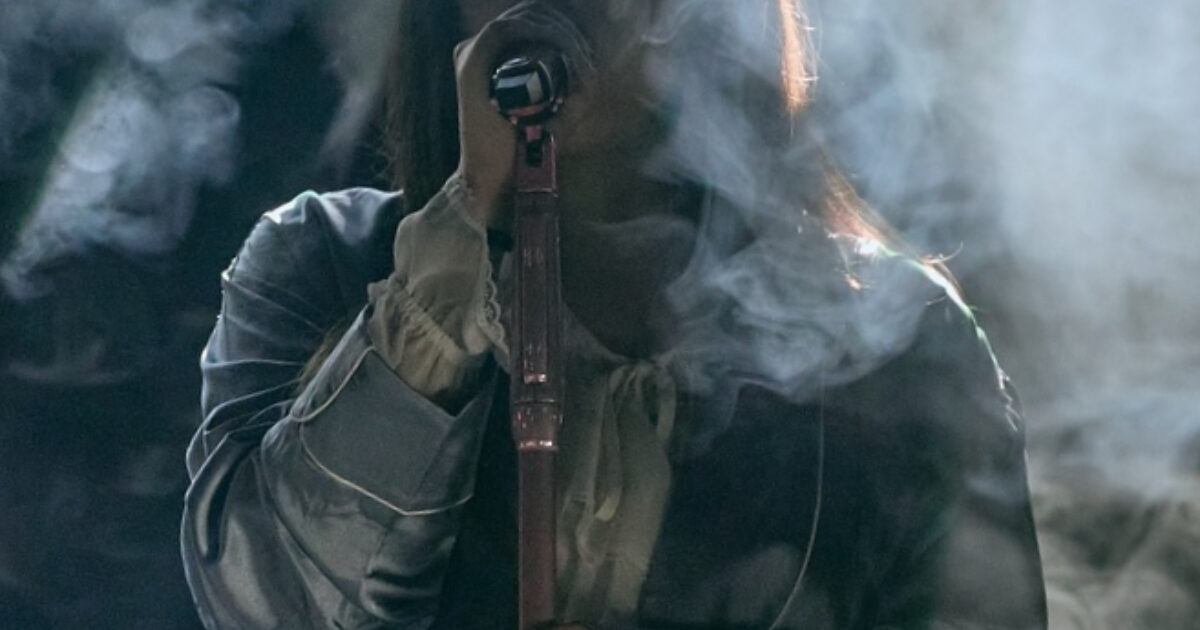
In an industry built on flawless images and meticulously curated personas, the most powerful moments are often the unscripted ones. Last night, at an uncharacteristically late hour, soloist Luna (formerly of the girl group Ethereal) began a casual V Live broadcast. What started as a sleepy check-in with her dedicated Lunatics rapidly unfolded into one of the most raw, vulnerable, and heartbreaking confessions witnessed in recent K-Pop history. For over forty minutes, through tears and trembling smiles, Luna detailed a profound six-month period of self-imposed isolation, a deep depression that led her to lock her studio door—both literally and metaphorically—from the inside. The broadcast, which has since gone viral, did not end in despair, however. It concluded with a revelation that has left the community in awe: the identity of the person who finally got the door open.
"I became so afraid of the outside that my studio became my entire world. The demos on my computer were my only conversations. I stopped answering calls, even from my family. I felt like a ghost of the person everyone expected me to be," Luna shared, her voice barely a whisper at times.
Background: The Precarious Spotlight of a "Second Act"
To understand the gravity of Luna's confession, one must understand her journey. As a main vocalist of the moderately successful 3rd-generation group Ethereal, Luna was praised for her technical prowess and emotive tone. However, the group's disbandment five years ago was marred by public controversy and label disputes, leaving each member to carve a path under intense scrutiny. Luna’s solo debut was a critical success, establishing her as a serious musical artist, but the shadow of her past and the immense pressure to continuously prove herself never fully lifted.
Her career has been a balancing act between artistic integrity and commercial viability—a pressure felt acutely by many idols navigating the treacherous waters of post-group careers. Unlike some of her peers who have seamlessly transitioned into acting or variety, Luna remained steadfastly in the music lane, a decision that brings its own unique set of anxieties. Every comeback is a high-stakes referendum on her relevance, a pressure cooker environment that, as her confession reveals, eventually became unsustainable. As we explored in our analysis of the pressures on solo artists in "The Soloist Emerges", the landscape is fraught with invisible battles.
The Weight of the "Comeback Clock"
Industry insiders have long spoken of the "comeback clock," the unrelenting timeline that dictates an idol's visibility. For Luna, this clock ticked louder after each release. "After my last mini-album, the comments weren't even hateful," she explained on the stream. "They were just... indifferent. 'It's okay.' 'Not her best.' That silence, that absence of passion, felt worse than anger. It made me question every note I wrote." This pursuit of perfection, coupled with the fear of fading into obscurity, created the perfect storm for a mental health crisis.
The News: A Confession in Real Time and the Unlikely Key
The broadcast itself was a masterclass in unvarnished reality. Luna appeared without her signature elaborate makeup, in a simple hoodie, surrounded by the familiar clutter of her home studio—keyboards, sound interfaces, and scattered notebooks. For the first twenty minutes, she spoke about creative block, but as fan comments poured in with concern, the dam broke. She detailed a cycle of anxiety, sleepless nights, and a growing phobia of leaving her apartment. She described ordering all groceries online, having conversations only with delivery personnel, and watching her own motivation wither.
The Locked Door
The most potent metaphor, and a stark reality, was her studio door. "I started locking it from the inside even when I was alone," she confessed. "It wasn't about keeping people out. It was about... physically manifesting that I couldn't get out. That I was trapped in this space with my own failing thoughts. My managers would knock, my friends would call, but I just... couldn't. The shame was a heavier lock than any bolt."
Just as viewers were processing this devastating image, Luna’s demeanor shifted. A soft, genuine smile broke through. "And then, one night at 3 AM, there was a pounding on my actual front door. Not a knock. A pounding. I was terrified. I thought it was a burglar or a sasaeng. I looked through the peephole, and it was... unnie."
The Rescue: A Familiar Face in the Dark
The "unnie" was none other than Jennie of BLACKPINK. The two had formed a quiet but enduring friendship years prior, bonding over the shared experience of being in the industry's relentless glare. According to Luna, Jennie, having grown concerned after months of unreturned messages, took drastic action. "She said she just had a feeling. She drove to my building, convinced security to let her up, and basically shouted through the door that she wasn't leaving until she saw my face."

"She didn't tell me to get better. She didn't give me a pep talk. She came in, ordered the grossest, greasiest fried chicken and tteokbokki on my phone, put on a stupid comedy movie, and just... sat with me. In the mess. In the silence. For the first time in months, I didn't feel alone," Luna recounted, her eyes welling up anew.
This intervention began a slow thaw. Jennie reportedly checked in daily, sometimes in person, sometimes just with a silly meme. She became the bridge back to the world, encouraging Luna to take tiny steps, eventually connecting her with a trusted therapist specializing in artist mental health. This act of pure, unpublicized friendship stands in stark contrast to the often transactional relationships portrayed in entertainment, echoing the kind of personal autonomy and powerful network we discussed regarding idol wealth and personal agency.
Fan & Community Reaction: An Outpouring of Empathy and Shared Pain
The reaction from Luna's fandom and the wider K-Pop community was immediate and seismic. The hashtag #WeAreWithLuna (#우리는루나와함께) trended globally within an hour, accompanied by #ThankYouJennie. Social media was flooded not just with messages of support for Luna, but with thousands of personal stories from fans about their own struggles with isolation, depression, and anxiety.
From Fandom to Fellowship
"Lunatics," Luna's fanbase, organized collective projects, flooding her agency's mailbox with handwritten letters of support instead of demanding a quick comeback. On fan community boards, the tone shifted from consumption to care. "We always say we love you, but do we show it in a way that matters?" wrote one fan leader. "This is a wake-up call to support the human, not just the idol."
The broader industry fanbase also reacted strongly. Comments on news articles and videos highlighted a collective fatigue with the "suffering artist" trope, demanding better systemic support. "We glorify their pain for art, but who helps them when the cameras are off?" read a highly-liked comment on a news portal.
- Viral Moments: Clips of Luna's most emotional moments, particularly her description of Jennie's arrival, have been viewed millions of times, often paired with supportive audio or captions in multiple languages.
- Artist Solidarity: Numerous idols, from senior artists to current rookies, posted subtle messages of support on their Instagram stories—lyrics about strength, pictures of the moon (Luna's name), or simple heart emojis, creating a quiet wave of industry-wide empathy.
- Shift in Dialogue: The conversation has rapidly moved from gossip to mental health advocacy, with many fans linking to Korean mental health resources and hotlines.
Industry Analysis: Cracks in the Perfect Facade and a Potential Turning Point
Luna's public breakdown is not an isolated incident, but it is perhaps one of the most starkly visible in recent years. It holds up a mirror to an industry at a crossroads. On one hand, K-Pop is more global and financially successful than ever. On the other, the human cost of its relentless production machine is becoming impossible to ignore.
The Pressure Cooker Model
The traditional idol system, with its rigid control over image, schedule, and personal life, is fundamentally at odds with psychological well-being. Luna's situation—a successful soloist without the daily structure of a group but with all the expectations—exposes a particular vulnerability. There is no built-in support system of members sharing the same schedule, just a solitary figure facing the abyss. This highlights a gap in the post-idol care continuum that many agencies are ill-equipped to handle.
Furthermore, her confession challenges the persistent stigma around mental health in Korean society and, by extension, its entertainment industry. Seeking help has often been viewed as a weakness or a professional liability. Luna’s decision to speak openly, while in the midst of her recovery, is a radical act that could empower others. It follows in the footsteps of other brave conversations, but its rawness and real-time delivery mark a new level of transparency.
The "Jennie Effect" and Peer Networks
The role of Jennie cannot be overstated. It demonstrates the potential power of informal, peer-based support networks within the industry. These relationships, often hidden from public view, can be lifelines. Jennie’s status and agency allowed her to bypass normal channels and act on pure concern, a privilege not every idol has. This incident may encourage companies to look more favorably upon, or even facilitate, genuine peer mentorship programs, recognizing that sometimes support needs to come from someone who truly understands the unique pressures of the spotlight.
This moment of human connection stands in interesting contrast to other high-profile industry narratives about artistic risk, such as the discourse around BTS's experimental "ARIRANG" project. Both stories are about artists pushing against boundaries, but where one is about creative expression, Luna's is about the expression of the fragile self behind the art.
What's Next: Healing, Art, and a New Paradigm
In the immediate aftermath, Luna's agency released a brief but supportive statement, confirming they are "prioritizing Luna's health and recovery above all schedules" and asking for fans' "warm encouragement and understanding." This response, notably free of corporate deflection, is itself a positive sign.
The Path Forward for Luna
Luna has indicated on the broadcast that she is in therapy and taking things "one day at a time." She has not announced a return date for music, and fans have overwhelmingly expressed that they will wait as long as necessary. When she does return, her art will be viewed through a new, more profound lens. The demos created in her isolation may one day form the backbone of a powerful, cathartic album, transforming pain into a shared connection with her audience. Her story is now an indelible part of her artistic narrative.
Broader Implications for the Industry
This event is a loud clarion call. It puts direct pressure on agencies, large and small, to institutionalize mental health support—not as a reactive measure, but as a proactive, integrated part of an artist's career. This includes:
- Mandatory, confidential counseling services with culturally competent therapists.
- Protected and enforced periods of real rest, not just "time off" that is filled with behind-the-scenes work.
- Training for managers and staff to recognize signs of distress, moving beyond a purely logistical view of idol management.
Ultimately, Luna's heartbreaking confession and the story of her rescue may be remembered as a painful but necessary catalyst. It underscores that the true strength of the K-Pop industry lies not in its flawless performances or record-breaking charts, but in the humanity of its artists. The hope now is that the door Luna bravely opened—the one to an honest conversation about mental health—remains permanently unlocked, allowing a new era of care and sustainability to enter. The industry's future may depend on learning this lesson before another idol feels they have no choice but to lock themselves away. For a deeper look at the artists driving this industry, you can always explore our comprehensive Artists page.