

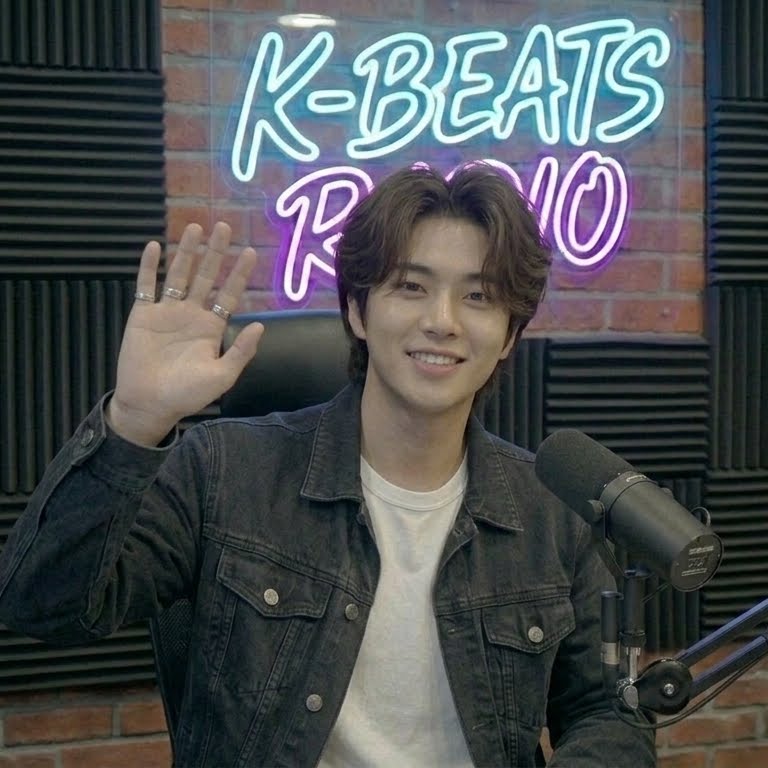
When a prominent actress recently broke the industry's fourth wall to share her empathetic thoughts on Mark's departure from NCT, she did more than express an opinion. She validated a collective emotional experience, turning a standard news cycle into a cultural flashpoint. This moment reveals a seismic shift in how public figures, idols, and fans engage with the inherent impermanence of the K-Pop system. The actress’s candidness provided rare, high-profile permission to publicly process the complex grief and hope that accompanies such transitions, moving the conversation beyond mere gossip into genuine cultural analysis.
Table of Contents
- What Makes This Actress's Statement Different From Typical Industry Gossip?
- Why Did "Fans Could Relate" Become The Most Powerful Part of The Story?
- What Does Mark's Evolution Tell Us About The Modern Idol Career Path?
- What Unspoken Industry Pressures Did This Incident Bring To Light?
- How Is The Dialogue Around Idol Transitions Fundamentally Changing?
- Your Questions Answered: The Actress, Mark, and K-Pop's New Era
What Makes This Actress's Statement Different From Typical Industry Gossip?
Celebrity commentary on K-Pop is not new. Cameos on variety shows and light endorsements are standard. What made this intervention different was its tone, context, and lack of transactional purpose. This was not a promotional plug or a scripted segment.
The Authority of an "Outsider-Insider"
The actress occupies a unique space: a respected figure in the broader Korean entertainment landscape (hallyu) but external to the idol machinery. Her perspective carries the weight of industry understanding without the direct allegiance that might filter a label executive's or fellow idol's words. She spoke not as a stakeholder, but as an observant peer, granting her analysis a credibility that felt both informed and objective.
Empathy Over Critique
The core of her message was empathetic recognition, not critical evaluation. She focused on the human element—the emotional weight of such a decision for Mark and the fans—rather than speculating on business rationale or group dynamics. This framed the event as a life transition, not just a corporate contract update, elevating the discourse significantly.
This mirrors a growing trend where artists across fields acknowledge shared pressures. For a parallel in how idols themselves are reshaping narratives, consider Jungkook's Camera Rebellion, which analyzes an idol seizing control of his own image and story.
Why Did "Fans Could Relate" Become The Most Powerful Part of The Story?
The source summary's poignant conclusion—"Fans could relate"—is the linchpin. It highlights that the story's viral impact wasn't about the news itself, but about the emotional validation provided. In a fandom culture often dismissed as hysterical or overly possessive, having a respected public figure articulate that same sense of loss and understanding was profoundly legitimizing.
Validation of Collective Grief
Idol group transitions can trigger a real, complex form of grief. Fans invest time, emotion, and identity into supporting a specific group configuration. A member's departure, even an amicable one, represents a loss. The actress’s statement publicly acknowledged that this grief is valid and shared, not something to be hidden or ashamed of.
Bridging the "Us vs. Them" Divide
Often, a narrative is drawn between the "rational" industry insiders and the "emotional" fans. By expressing a sentiment that resonated so deeply with the fandom, the actress bridged this divide. She demonstrated that understanding the emotional impact does not require a lack of professionalism; they can, and should, coexist.

This breakdown of barriers is part of a larger evolution in artist-fan communication. For insight into another facet of this, explore Decoding Jimin's Recent Live Stream, which examines the raw, unfiltered connection post-enlistment BTS members are forging.
What Does Mark's Evolution Tell Us About The Modern Idol Career Path?
Mark Lee's journey within SM Entertainment's expansive NCT system has been a prototype for the modern, fluid idol career. His departure from the group's activities, while likely remaining under the label, is a case study in the evolving idol lifecycle.
From Rookie to Veteran in a "Fixed-Fluid" System
Mark debuted young and navigated multiple units (NCT U, NCT 127, NCT Dream). He experienced the unique "graduation" system from Dream and its subsequent reversal. His career embodies the experimental, sometimes stressful, nature of NCT's structure. Moving on represents a natural progression from a system designed for constant renewal.
The Pursuit of Artistic Individuality
A departure often signals a pivot towards focused solo work or other ventures. For an artist of Mark's caliber—a standout rapper, performer, and songwriter—this step is widely interpreted as a move to hone a distinct individual artistic identity, a path well-trodden by senior idols seeking longevity beyond the group format.
Career Phase Traditional K-Pop Model Mark's NCT Experience & Transition Debut & Training Rigorous training in one fixed group concept. Training for a multi-unit, fluid concept with shifting lineups. Peak Group Activity Intensive promotions with a stable core group. Simultaneous, overlapping promotions across multiple units (127, Dream, U), extreme workload. Transition/Enlistment Era Often a slowdown; members enlist, pursue individual activities. Structured departure from group activities to pursue solo work, potentially before enlistment, within the same label ecosystem. Long-Term Identity Often remains "Member of X Group" first. Forging a hybrid identity: "Former NCT member" + "Solo artist Mark."What Unspoken Industry Pressures Did This Incident Bring To Light?
The widespread resonance of this event acts like an X-ray, revealing structural pressures within the K-Pop industry that are often discussed in whispers but rarely validated by mainstream figures.
The Emotional Labor of Impermanence
The NCT system, while innovative, institutionalizes change. This places a unique emotional burden on both idols and fans to constantly adapt. The actress’s words acknowledged the toll of this "planned impermanence," a reality often overshadowed by excitement over new concepts and lineups.
The Silent Strain on Idol Mental Health
Decisions to leave group activities are rarely simple. They involve immense personal, professional, and psychological calculation. By focusing on the human behind the headline, the commentary indirectly highlighted the immense mental health pressures idols face when navigating career crossroads, a topic we've examined in contexts like Suga's "Bloated" Photo Incident.
How Is The Dialogue Around Idol Transitions Fundamentally Changing?
This moment is part of a broader, generational shift in K-Pop discourse. The way the industry and its observers talk about contracts, departures, and mental health is evolving from taboo to central topic.
From Scandal to Storyline
Historically, a member's departure was framed as a scandal, a failure, or a betrayal. Now, there is a growing narrative space for it to be seen as a natural career chapter, a storyline of growth. Media coverage and fan discussions are increasingly adopting this more nuanced lens.
The Rise of the "Empathetic Observer"
The actress's role signifies the emergence of the "empathetic observer" in media coverage—voices that prioritize psychological and emotional context over sensationalism. This creates a healthier information ecosystem for fans and a more respectful space for the idols involved.
This shift toward nuanced narrative is not confined to music. The storytelling principles in K-Drama, which often explore complex character journeys, are increasingly applied to real idol narratives, as discussed in our analysis of "Phantom Lawyer" and the K-Drama Formula.
Your Questions Answered: The Actress, Mark, and K-Pop's New Era
Q: Who was the actress, and why does her identity matter?
While this analysis focuses on the cultural impact, the actress's specific identity matters because her public persona—likely one associated with sincerity, talent, and resilience—lends immense credibility to her words. Her own career trajectory, possibly involving difficult choices or public transitions, allows her to speak with authentic empathy, making her statement more powerful than if it came from a controversial figure.
Q: Does this mean Mark is leaving SM Entertainment entirely?
Not necessarily. The terminology "leaving NCT" typically refers to concluding activities with the group units. It is common, especially within large agencies like SM, for an idol to transition into a solo career, acting, or other ventures while remaining under the label's management. This allows for continuity of support while granting artistic space.
Q: How should fans healthily process this kind of news?
Healthy processing involves acknowledging the validity of your feelings—whether sadness, confusion, or support. Engage with the artist's future work, celebrate their past contributions, and connect with the fandom community for shared support. Redirect energy into positive celebration of their legacy, as seen with transformative concert moments like those in BTS's ARIRANG Seoul Concert.
Q: Will this lead to more celebrities speaking out on K-Pop matters?
It sets a powerful precedent. We can anticipate more respectful, empathetic commentary from peers in acting, film, and other music genres, especially as K-Pop's global influence makes it a common cultural touchpoint. The key will be whether future comments maintain this level of empathetic insight versus devolving into shallow hot takes.
Q: What does this mean for the future of NCT's concept?
NCT's concept is built on evolution. Member transitions, while emotional, are part of its operational DNA. The system is designed to incorporate such changes. The focus will likely shift to how existing units adapt and how new members or units are introduced to continue the "infinite expansion" vision.
The actress's simple, heartfelt commentary on Mark's departure from NCT did more than make headlines. It acted as a cultural catalyst, granting mainstream legitimacy to the complex emotions that define modern fandom. It underscored that idol careers are human journeys, subject to growth, change, and difficult decisions. This incident marks a step toward a more mature, empathetic public discourse in K-Pop, one that respects the emotional investment of fans and the personal agency of artists.
As the industry continues to evolve, observers, fans, and media must champion this nuanced dialogue. Follow this evolving story and the future of artist transitions by staying tuned to our News page for ongoing analysis. To understand how Mark and his peers are reshaping the artistic landscape, explore the trajectories of other idols on our Artists page. The conversation has only just begun.