
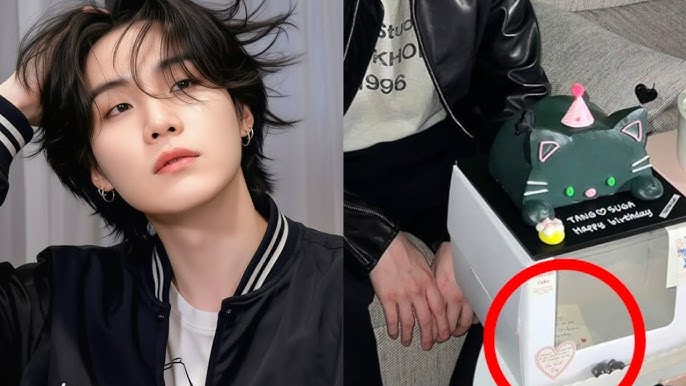

The recent viral hate targeting BTS's Suga over so-called "bloated" visuals is not an isolated incident, but a symptom of a systemic issue within K-Pop. This analysis delves beyond the deleted photos to examine the relentless scrutiny of idol bodies, the toxic cycle of online criticism, and how an artist like Min Yoongi has consistently navigated—and challenged—these pressures. The key takeaway is clear: this moment underscores the urgent need for a shift in conversation from manufactured aesthetics to artistic humanity.
- The Incident: What Actually Happened?
- A History of Scrutiny: Visuals as a Battlefield
- The Machinery of Perfection: How Idol Visuals Are Managed
- The Social Media Accelerant: How Platforms Fuel the Fire
- Suga’s Response: A History of Defying Standards
- The Future of Idol Aesthetics: Is Change Possible?
- FAQ: Your Questions Answered
The Incident: What Actually Happened?
In early April, a series of candid photos of Suga from an unofficial event began circulating on community forums and social media platforms. The images, seemingly taken from an unflattering angle or under harsh lighting, became the focal point for a wave of negative comments.
The Anatomy of a Viral Hate Wave
The discourse did not originate from a major news outlet but festered in the digital undercurrents of forums like Instiz and Pann, before spilling onto X (formerly Twitter) and TikTok. The primary accusation was a sudden change in facial structure, labeled as "bloated" or "puffy," which detractors used to speculate wildly about his health, lifestyle, and even surgical history.
Deletion & The Streisand Effect
As noted in the original report, the source photos were eventually deleted. This action, however, often amplifies the controversy—a modern Streisand Effect. Deleting content is interpreted as confirmation of guilt or shame by malicious actors, fueling further speculation and causing the discussion to metastasize across even more platforms.
ARMY’s Counter-Offensive: Protection vs. Passion
The global ARMY fandom mobilized rapidly, employing two key strategies. First, a mass-reporting campaign to flag abusive content for platform violations. Second, and more powerfully, they flooded timelines with alternative content: high-quality concert photos, smiling selcas, and clips of Suga's powerful stage performances that showcased his artistry and energy, effectively reframing the narrative.
A History of Scrutiny: Visuals as a Battlefield
Suga's experience is a single chapter in a long, painful history. The visual scrutiny of idols is a non-negotiable, and often brutal, aspect of the industry.
The "Visual" Position: A Double-Edged Sword
Since the dawn of K-Pop generations, the designated "visual" member has carried the burden of representing the group's aesthetic pinnacle. However, every member is subject to this scrutiny. From weight fluctuations to skin condition, minor changes are magnified and publicly dissected, as seen in our analysis of the intense reaction to Yoo Se-Ah's transformation.
Precedents in the Industry
This is not exclusive to male idols or BTS. Female idols face even more extreme pressures. Moments like Hwasa's consistent defiance of body standards, which we explored in her "So Cute" strategy, or the constant commentary on Irene's (Red Velvet) expressions, demonstrate an industry-wide pathology. The commentary often masks itself as "concern" but is rooted in an expectation of immutable perfection.

The Mental Health Toll
The consequence is a devastating impact on mental health. Idols have spoken openly about eating disorders, anxiety, and depression triggered by online commentary. The viral hate post is not just "mean comments"; it is a contribution to a high-stakes environment where an artist's physical appearance is considered public domain for critique.
The Machinery of Perfection: How Idol Visuals Are Managed
To understand the shock expressed in these hate posts, one must understand the highly controlled image fans are accustomed to seeing.
The Pre-Debut Blueprint
From trainee days, idols are groomed for visual consistency. This includes:
- Strict Diet & Nutrition Regimens: Managed by company nutritionists.
- Comprehensive Skincare: To maintain flawless skin under heavy makeup and stage lights.
- Styling & Angle Training: Learning how to pose and present for cameras.
Post-Production as Standard
Every official photo and video undergoes rigorous editing. Skin is smoothed, contours are enhanced, and lighting is perfected. This creates an unrealistic baseline, making candid, unedited shots seem like shocking deviations rather than normal reality. This "perfection gap" is what malicious actors exploit.
The "Contract" with Fans: An Unspoken Expectation
There exists an unspoken, toxic contract where some fans believe their financial and emotional support buys them the right to critique an idol's physical upkeep. Any perceived lapse is framed as a breach of this contract, justifying their "disappointment" and public criticism.
The Social Media Accelerant: How Platforms Fuel the Fire
The architecture of social media itself optimizes for controversy, making incidents like this spread with unprecedented speed and vitriol.
Algorithmic Amplification of Negativity
Content that sparks strong reactions—anger, outrage, debate—is prioritized by algorithms. A hateful comment thread gains more engagement (through replies, quote-tweets, defensive comments) than a simple praise post, granting it wider reach and creating a false sense of consensus.
Anonymity and Community Polarization
Anonymous forums provide a safe harbor for hate. Furthermore, platforms foster polarized communities ("echo chambers") where extreme opinions are reinforced. A user in a critical community will see the incident framed only as a visual "failure," isolated from any context of the artist's humanity or achievements.
Suga’s Response: A History of Defying Standards
Contextualizing this incident within Suga's career reveals an artist who has long operated outside typical idol constraints.
The Agust D Persona: Radical Authenticity
Through his Agust D mixtapes and solo tour, Suga has built a brand on raw honesty, addressing mental health, societal pressure, and personal struggle. His artistry has never been predicated on conforming to a visual ideal, but on lyrical depth and musical prowess. His powerful concert moments in Seoul are remembered for emotional catharsis, not just visuals.
Leading by Example: Openness About Health
Suga has been transparent about his health, including his shoulder surgery and the recovery process. This openness about physical vulnerability and imperfection inherently challenges the idol standard of appearing perpetually flawless and untouchable.
The Power of Artistic Legacy
When the dust settles on a viral hate post, what remains is the artist's work. Suga’s legacy as a producer, songwriter, and performer is immutable. This incident, like others before it, will be a footnote compared to his contributions to music, a fact that ultimately neutralizes the power of superficial criticism.
The Future of Idol Aesthetics: Is Change Possible?
While systemic change is slow, there are signs of shifting attitudes within the industry and fandom.
The "Real" Aesthetic and New Generation Strategies
Some newer groups and companies are subtly challenging the paradigm. There's a growing, albeit cautious, embrace of slightly more "real" or relatable imagery in behind-the-scenes content. HYBE's global strategy, as seen with KATSEYE's "Pinky Up", focuses on diverse personalities and global appeal, which may gradually dilute the rigid Korean visual standard.
Fandom Accountability and Media Literacy
The most potent force for change is fandom itself. Educated fans who call out toxic behavior, report abuse, and consciously celebrate artistry over aesthetics can reshape the discourse. Supporting idols who speak out, like Suga has, sends a powerful market signal to the industry.
Industry Responsibility: Duty of Care
Entertainment companies must move beyond lip service and implement stronger mental health support, legal action against malicious commentators, and a proactive strategy in preparing artists for the inevitability of online hate. Protecting artists is as crucial as promoting them.
Fan Reaction Type Primary Motivation Typical Action Long-term Impact Protective ARMY Defend artist's well-being & dignity; focus on music. Mass-reporting; flooding feeds with positive content; emphasizing artistry. Creates a supportive buffer; reinforces value of art over appearance. "Concerned" Critic To express (often misplaced) worry over health/lifestyle. Public speculation about diet, surgery, or "management failure." Fuels harmful rumors; contributes to anxious environment; violates privacy. Malicious Actor / Anti-Fan To inflict damage, sow discord, and gain attention/community status. Creating hate threads; using degrading language; coordinating attacks. Directly harms artist mental health; poisons fan community spaces.FAQ: Your Questions Answered
Q: Was Suga's appearance really due to a health issue?
A: This is pure speculation and a violation of his privacy. Idols' appearances fluctuate due to countless normal factors: lack of sleep, water retention, angles, lighting, or simply being at rest. Diagnosing from a photo is irresponsible. Suga has a history of transparency about real health matters when he chooses to share.
Q: Why were the original photos deleted?
A: The source likely deleted them due to the overwhelming negative attention, potential copyright issues, or a request from the agency. Deletion is a standard crisis management tactic to stem the flow of "evidence" used in hate campaigns, though it often backfires in the short term.
Q: Does this kind of criticism affect an idol's career?
A: For established artists like Suga with a rock-solid musical legacy, the career impact is minimal. However, the personal and psychological impact can be severe. For newer idols, such viral hate can be devastating, affecting their confidence and mental health, and potentially influencing public perception early in their careers.
Q: How can fans support idols during these attacks?
A: Focus on the art. Engage with and share official content, music, and achievements. Report abusive comments through official platform channels. Avoid quote-tweeting or spreading the hateful content itself ("brigading"). Foster positive discussions in your own communities.
Q: Is this phenomenon getting worse?
A: The scale and speed are amplified by social media algorithms, making cycles of hate feel more intense and widespread. However, awareness of idol mental health is also higher. The battle between toxic criticism and protective, artist-focused fandom is more visible than ever.
Ultimately, the viral hate post targeting Suga is a reflection of a broken system, not a reflection of the artist. It highlights the grotesque gap between the manufactured ideal of an idol and the human reality of the person inside the performer. Suga’s career, built on authentic expression and musical integrity, stands as the most powerful rebuttal to such superficial noise.
The path forward requires a collective shift in focus. As consumers of K-Pop, we must consciously choose to engage with the art, not the anatomy. Support the music showcased on our Charts page, explore the depth of artists on our Artists page, and let the discourse be driven by talent, not toxicity. The next time you see a viral post targeting an idol's appearance, remember: the most revolutionary act is to look past it, and listen to the music instead.