
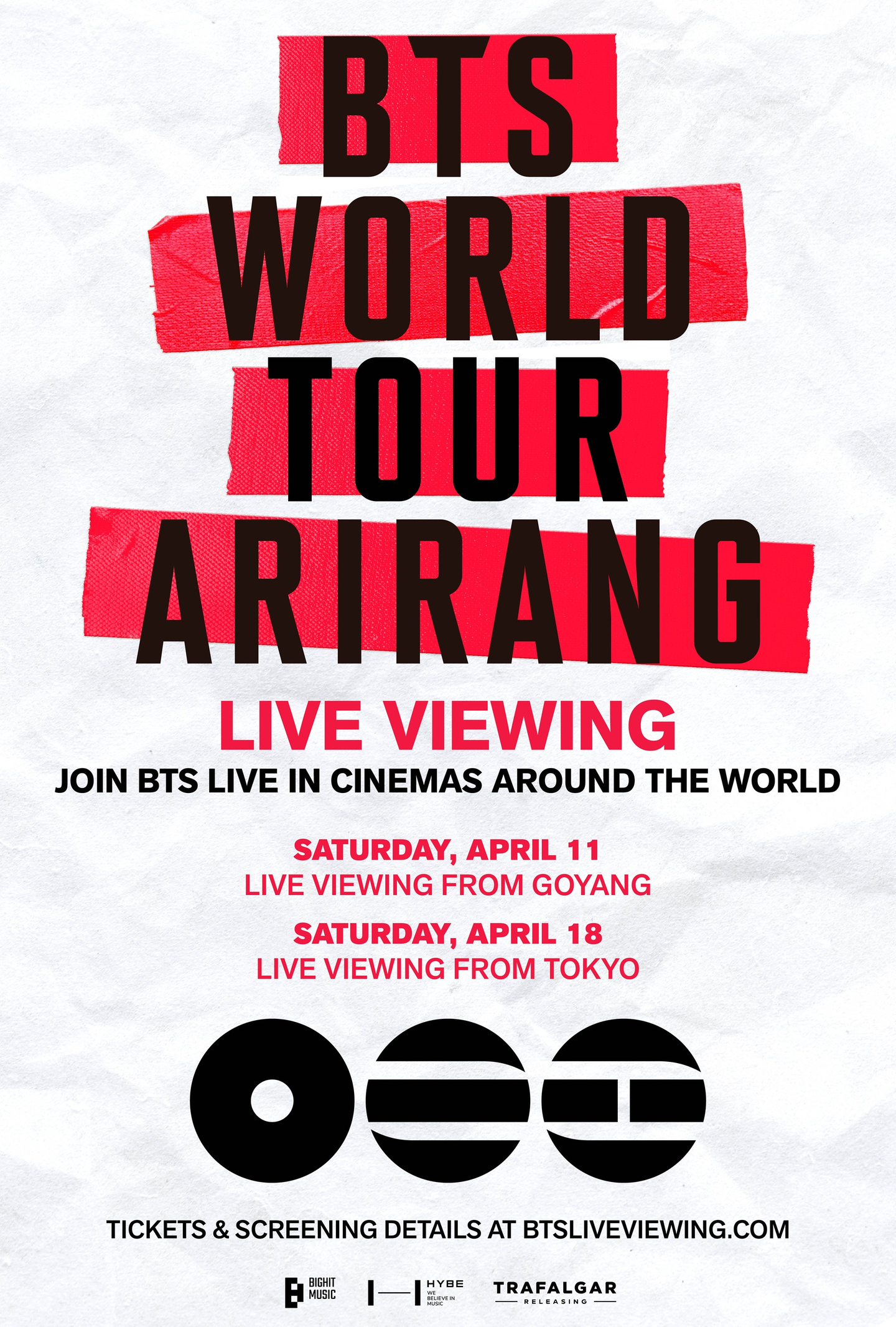

BTS’s opening "ARIRANG" tour concert in Seoul transcended a typical performance, evolving into a rain-soaked, emotionally charged cultural moment that redefined artist-fan symbiosis. Beyond the spectacular production, the night was defined by raw, unscripted vulnerability, a meticulously crafted journey through their discography, and a powerful statement of artistic unity. This analysis breaks down the key highlights that made this concert an indelible chapter in both BTS and K-Pop history.
- The Unforgettable Rain Moment: Chaos, Catharsis, & Connection
- ARIRANG Setlist Breakdown: A Narrative of Resilience & Renewal
- Beyond Spectacle: Decoding the Concert's Thematic Production Genius
- The ARMY Dimension: How The Fandom Became Co-Creators of the Night
- Ripple Effect: What ARIRANG’s Seoul Opener Means for the K-Pop Concert Landscape
- Your ARIRANG Seoul Concert Questions, Answered
The Unforgettable Rain Moment: Chaos, Catharsis, & Connection
Mid-concert, an unexpected downpour drenched the open-air Seoul stage. Rather than halting the show, this moment became its poignant core, stripping away the polish to reveal the unbreakable bond between BTS and ARMY.
The Pivotal Setlist Interruption
As rain intensified during a vocal-heavy segment, the members exchanged glances—not of panic, but of silent consensus. Staff rushed with towels, but the group waved them off. Jin later remarked, "If ARMY is here in the rain, then we are here in the rain." This decision transformed a logistical hurdle into a shared trial, echoing the themes of perseverance prevalent in their music.
Vocal Performance Under Duress
Singing and dancing on a slick stage is a technical nightmare. Yet, performances like "Spring Day" and "Young Forever" gained a profound, literal weight. Vocals strained with added emotion, breaths were visible in the cool air, and the rain amplified the raw ache in songs like "The Truth Untold." It was a masterclass in live adaptability, proving their artistry isn't reliant on perfect conditions.
This mirrors the strategic authenticity seen in solos like Hwasa's "So Cute", where embracing raw, unfiltered emotion creates a deeper connection. The rain forced a similar, magnificent authenticity.
A Visual and Symbolic Reset
The pouring water washed away elaborate stage makeup and styled hair, presenting BTS in a startlingly human light. The camera captured droplets on Jung Kook's face as he belted a high note, and Suga's intense gaze through the curtain of rain. This visual reset symbolized a cleansing, a return to core identity amidst the global spectacle, reinforcing the "ARIRANG" theme of returning to one's roots.
ARIRANG Setlist Breakdown: A Narrative of Resilience & Renewal
The Seoul setlist wasn't a mere greatest-hits compilation. It was a carefully sequenced three-act narrative: Reflection, Resilience, and Reunion.
Act I: Reflection – Journey to the Past
The concert opened not with a bombastic title track, but with deeper cuts and earlier songs that traced their journey. This segment served as a "homecoming" for the members and long-time fans, acknowledging the foundation upon which the "ARIRANG" era is built. It established an immediate tone of intimacy before scaling up to the stadium anthems.

Act II: Resilience – The Core of the BTS Ethos
This act housed the concert's emotional and physical climax. Tracks like "UGH!" and "Ddaeng" (surprise-performed by the rap line) highlighted their lyrical prowess and defiance. The rain incident occurred here, making songs like "Not Today" and "Fire" feel less like performances and more like collective survival anthems. The production here was most intense, mirroring the struggle in their narrative.
Act III: Reunion – Celebration and Forward Motion
Following the rain, the final act was a euphoric release. Newer, synth-driven tracks and global hits like "Dynamite" and "Butter" created a celebratory atmosphere. The message was clear: having weathered the storm—both literal and metaphorical—the path forward is one of joy and shared triumph. The closing songs pointed deliberately toward the future, both for the tour and their chapter as a group.
Concert Segment Key Songs (Examples) Thematic Purpose Production Tone Act I: Reflection "Intro: Serendipity," "Boy in Luv," "Run BTS" Acknowledge roots, establish intimate connection Warm, nostalgic, focused on live band and vocals Act II: Resilience "UGH!," "Spring Day," "Not Today" (in rain) Showcase struggle, lyrical depth, and collective endurance Dark, intense, dynamic lighting & pyrotechnics Act III: Reunion "Dynamite," "Life Goes On," "Yet to Come" Celebrate survival, embrace future with optimism Bright, expansive, confetti-filled celebrationBeyond Spectacle: Decoding the Concert's Thematic Production Genius
The ARIRANG tour's production design did more than dazzle; it served as a visual metaphor for the tour's central theme of journey and return.
The "Pathway" Stage Design: A Literal Journey
The main stage extended into a long, central runway that pierced deep into the audience, culminating in a secondary circular stage. This wasn't just for closer interaction; it physically represented a path—the "ARIRANG" hill of folklore—that the members traversed throughout the night. Their movement from the main stage (the distant mountain) to the heart of the crowd (home) was a constant visual narrative.
Immersive AR & Story Film Integration
Custom augmented reality filters for the venue screens and interstitial story films featuring the members in symbolic Korean landscapes bridged the gap between traditional performance and modern myth-making. These elements elevated the concert from a show to an immersive saga, a tactic that aligns with HYBE's broader vision for narrative-driven acts, as seen in the meticulous rollout for KATSEYE's "Pinky Up".
Sonic Fidelity: The Live Band's Pivotal Role
A standout feature was the powerful live band arrangement of even their most electronic-heavy tracks. This choice grounded the performance, adding a layer of organic warmth and improvisational energy that pre-recorded tracks cannot replicate. It emphasized musicality over mere playback, a statement of artistic maturity.
The ARMY Dimension: How The Fandom Became Co-Creators of the Night
The Seoul crowd was not a passive audience but an active, defining character in the concert's story.
Choreographed Fan Projects with Spontaneity
While organized fan projects are standard, the ARMY's reaction to the rain was purely spontaneous. The sea of ponchos remained standing, and the volume of the fan chants increased, competing with the thunder. This reciprocal energy—BTS refusing to leave, ARMY refusing to quiet down—created a powerful feedback loop of mutual dedication that became the night's heartbeat.
The Viral "Rainy Seoul" Aesthetic
User-generated content from the concert created a unique, cohesive aesthetic across social media: shaky, water-streaked phone footage with crystal-clear audio of thousands singing along. This grassroots documentation, often more visceral than official content, captured the authentic emotion of the night and dominated online discourse, proving the fandom's power in shaping the event's legacy.
This fan-driven narrative control is a fascinating evolution in the digital era, much like the public's role in dissecting visual transformations, as explored in our piece on the pressures of visual perfection.
Ripple Effect: What ARIRANG’s Seoul Opener Means for the K-Pop Concert Landscape
This concert set a new benchmark, impacting both artist expectations and industry strategies.
Raising the Bar for Artistic Vulnerability
The industry standard for major tours has been flawless, high-octane spectacle. ARIRANG Seoul demonstrated that embracing imperfection—the rain, the raw vocals—can create a more powerful, memorable, and human event. It places a new value on adaptive, authentic live performance over pristine reproduction.
The "Full-Circle" Narrative as a Touring Model
The thematic depth of "returning to one's roots" provides a potent template. For artists with extensive lore and history, future tours may prioritize narrative cohesion and emotional arc over a simple hit parade. It connects a global tour back to a cultural and personal origin story, deepening its significance.
This aligns with a broader HYBE strategy of creating culturally syncretic global events, a playbook further detailed in our analysis of KATSEYE's Coachella pathway. The ARIRANG concert was a domestic manifestation of this global-local fusion.
Solidifying the Stadium as an Emotional Space
The event proved that a 70,000-seat stadium can foster intimacy. Through direct address, shared hardship (the rain), and a setlist inviting reflection, BTS transformed a massive venue into a communal space. This challenges the notion that large-scale tours must sacrifice connection for scale.
Your ARIRANG Seoul Concert Questions, Answered
Was the rain during the concert planned or a complete surprise?
It was a complete and unexpected meteorological surprise. While the show had contingencies for light rain, the intensity of the downpour was unanticipated. The decision to continue was made in real-time by the members in collaboration with the production team, prioritizing the safety of everyone present while honoring the commitment to ARMY.
Did the setlist for Seoul differ from expected tour setlists?
Yes, significantly. The Seoul opener included several special tracks and deeper album cuts not expected to be staples in every tour stop. This is a common practice for BTS's Korean concerts, treating the home-country audience to a unique, often more discographically diverse, setlist that acknowledges their shared history. For the latest tour setlist updates, follow our dedicated News page.
How did the members address the rain incident after the concert?
In post-concert livestreams and Weverse posts, the members universally framed it as a cherished, if challenging, memory. They focused on ARMY's energy and the unique bond forged in that moment. RM poetically called it "a baptism for our new beginning," aligning the event with the tour's themes of renewal.
Will the "rain versions" of songs be released officially?
While there is no official announcement, the overwhelming fan response makes a strong case for HYBE to release some form of official audio or video documentation. It could appear as a special "Live in Seoul" DVD/Blu-ray package or as digital concert footage. The demand certainly exists.
What was the significance of the celebrity turnout?
The massive attendance of fellow Korean celebrities, as covered in "The ARIRANG Phenomenon", wasn't just about star power. It signified the concert's status as a national cultural event, transcending the music industry to become a societal moment of collective pride and support.
Where can I find more in-depth analysis on specific BTS members' performances?
For detailed analysis on individual artists' evolving styles and performances, explore our comprehensive Artists page, which features dedicated profiles and career retrospectives.
Conclusion: More Than a Concert, A Cultural Benchmark
BTS's ARIRANG tour opener in Seoul will be remembered not for flawless execution, but for its glorious, rain-drenched imperfection. It successfully wove together high-concept production, narrative depth, musical prowess, and raw, human emotion into a single night. It reasserted BTS's unparalleled connection with ARMY and set a daunting new standard for what a K-Pop concert can and should be: a shared, emotional, and ultimately transformative experience.
What's Next? The "ARIRANG" tour's journey has just begun. To track its evolving setlists, production changes, and global impact, bookmark our Charts and Tours page. The Seoul concert proved the template is both spectacular and profoundly human; watching how this balance adapts in cities worldwide will be the next chapter in this tour's already-legendary story.