
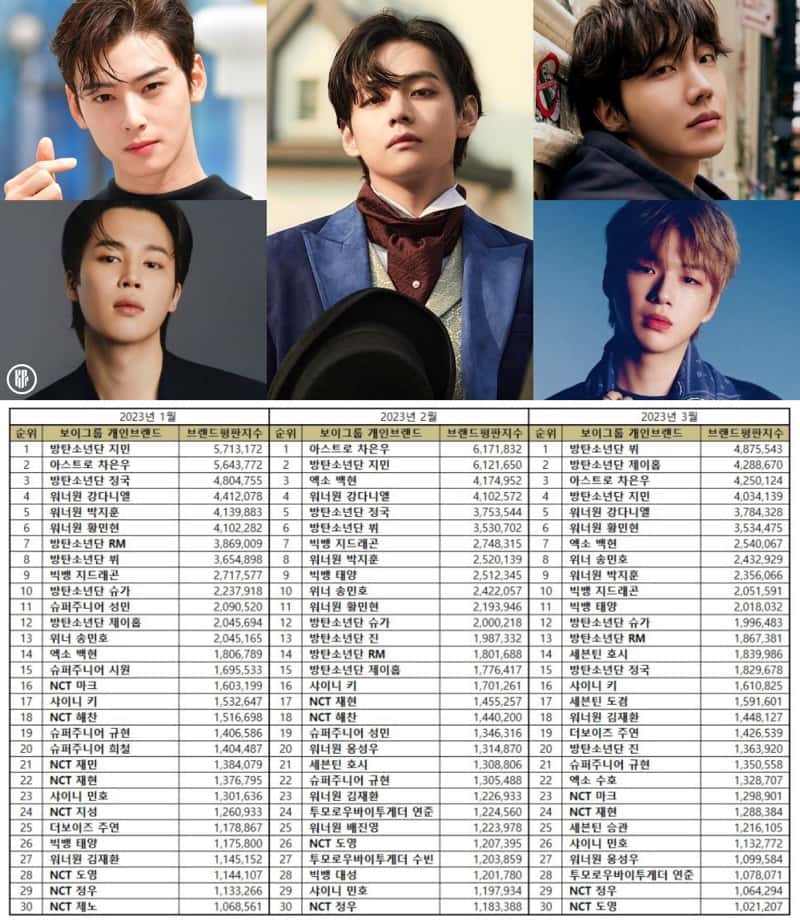
The release of the monthly brand reputation rankings by the Korean Business Research Institute is often treated as a predictable scorecard—a numeric snapshot of who's hot and who's not. But the data for March 2026 tells a far richer, more complex story. It’s a narrative woven with threads of enduring legacy, the raw power of nascent fandom, and the quiet, steady influence of artists redefining their paths. This isn't just a chart; it's a diagnostic of the K-Pop soul in a pivotal spring, revealing an industry where heartfelt remembrance can dominate algorithms and where rookie groups can rewrite the rules of engagement overnight.
This month’s list, a composite analysis of consumer behavior, media coverage, social media volume, and community interaction, has delivered a result that is both profoundly emotional and sharply analytical. Topping the ranking is not a current chart-topper with a blazing comeback, but ASTRO's beloved late member, Moonbin. His continued presence at the summit speaks volumes about the lasting bond between an idol and their fans, a connection that transcends traditional promotion cycles. Meanwhile, the staggering entry of rookie sensation ILLIT directly into the upper echelons demonstrates the formidable, instantaneous force of next-generation fan mobilization. Between these two poles, the movements of established soloists, veteran groups, and actors tell a tale of an ecosystem in flux, perfectly echoing the themes we explored in The Monthly Shake-Up: Which Acts Are Surging and Stalling in K-Pop's 2026 Spring Season?.
More Than Metrics: Understanding the Brand Reputation Ecosystem
To grasp the full weight of March's rankings, one must first understand what the Korean Business Research Institute (KBRI) is actually measuring. It’s not a simple popularity poll. The institute analyzes big data collected from numerous sources: news articles, blog posts, online communities, social media videos, and direct consumer responses. Keywords associated with a star are assessed for volume, but also for sentiment, reach, and impact. This creates a "participation index," a "media index," a "communication index," and a "community index," which are then synthesized into a final brand reputation score.
This methodology means the rankings reward consistent, positive, and organic engagement. A viral scandal might spike mentions, but negative sentiment would drag down the score. Conversely, a well-received, low-key release that generates thoughtful discussion and sustained fan creativity can propel an artist upward. It’s a metric of resonance, not just noise. For artists navigating their careers, a high placement here is a coveted badge of relevance, influencing everything from advertising deals to variety show invitations. It’s a real-time pulse check on an artist's cultural footprint, making the stories behind each position shift as critical as the numbers themselves.
The Emotional Engine: Legacy and Longevity in the Data
The perennial presence of veteran artists and second-generation groups in these rankings is no accident. It reflects a bedrock of stable, dedicated fandom and ongoing public goodwill. Actors from hit dramas often feature prominently, but for music idols, maintaining a spot requires a different kind of fuel—a continuous narrative. This is why solo activities from group members, like Irene's recent artistic ventures, become so crucial. Her subtle, minimalist approach in "Biggest Fan" generated a specific type of high-quality media analysis and fan discourse, the kind that algorithms for studies like this favor. As noted in our deep dive into the track, it was a "quiet rebirth," and that quiet hum of respectful acclaim has a tangible, measurable effect on brand strength.
Similarly, idols from bands like DAY6 who embark on solo journeys, such as Wonpil, contribute to their group's overall brand equity while carving their own niche. His recent work, which we analyzed as redefining the "band soloist" blueprint, showcases how artistic authenticity drives positive media coverage and community discussion, key pillars of the KBRI index.
March's Rankings: A Story in Three Acts
The top 10 of March's list reads like a compelling drama in three distinct acts: a poignant prologue, a explosive debut, and a supporting cast of strategic climbers.
Act I: The Eternal Spotlight – Moonbin's Topping Tribute
The number one position being held by Moonbin is the month's most powerful narrative. As the anniversary of his passing approaches, the data reflects an immense, coordinated, and loving wave of remembrance from AROHA (ASTRO's fandom) and the wider K-Pop community. Hashtags celebrating his memory, shares of his iconic performances, and heartfelt fan art flooded social platforms. This isn't passive mourning; it's active celebration. The KBRI data captures this as massive, overwhelmingly positive community engagement and media coverage reflecting on his legacy. It stands as a digital monument, proving that an idol's influence and the love they inspire remain a potent, measurable force within the industry's landscape long after promotional activities cease. It shifts the definition of "brand" from a commercial asset to a living, emotional legacy.

Act II: The New Wave Crashes In – ILLIT's Meteoric Ascent
In a stunning display of modern fan power, HYBE's newest girl group ILLIT didn't just enter the rankings; they shattered expectations by landing securely within the top 5. This is almost unprecedented for a group mere weeks from their debut. The driver? A masterfully executed pre-debut campaign that turned mystery into mania. Their unique "art-pop" concept teasers, analyzed in our recent Week in Sound roundup, generated feverish speculation, countless reaction videos, and a tsunami of social media edits. The data spike isn't from music sales or streams yet—it's from pure, unadulterated anticipation and community building. It shows how a strong, distinctive concept can be leveraged digitally to build brand reputation before a single song is officially released, a stark contrast to traditional models.
Act III: The Steady Climbers – Soloists and Second Gens Hold the Line
Beyond the top two stories, the rankings revealed significant movement for artists betting on reinvention and quality. Soyou's soulful return after a hiatus saw her name surge, as positive reviews for her mature musical direction translated into high media and communication index scores. Survival show alum Jang Haneum also saw a notable jump following his solo debut. The defiant, personal nature of his title track "Wanna Know the Truth?," which we praised as a "defiant, soulful resurgence," created a compelling narrative of artistry overcoming limbo, resonating deeply with fans and critics alike. Meanwhile, established groups like SEVENTEEN and NCT maintained strong positions through consistent unit activities and robust, ever-engaged fan communities, demonstrating the stability of well-built fandoms.
"The March data is fascinating because it juxtaposes the timeless, emotional currency of a legacy with the hyper-accelerated, digital currency of a pre-debut hype machine. It proves there are multiple, equally valid paths to having a powerful brand in K-Pop today," commented industry analyst Park Ji-hyun.
Fandom Echo Chamber: Twitter, TikTok, and the Community Pulse
The immediate reaction from online communities was a mix of solemn respect and electrified excitement. On platform X (formerly Twitter), the hashtag #Moonbin1st trended globally, filled with photos, video clips, and messages from fans expressing how meaningful it was to see his name honored in such a public, data-driven way. "This isn't just a ranking; it's proof that his light hasn't dimmed. We see you, Bin," wrote one fan with hundreds of thousands of likes.
Conversely, ILLIT's fanbase, already self-dubbed "LILLY," erupted in celebratory chaos across TikTok and Instagram Reels. Their digital-native mobilization was on full display, with fans creating data visualization charts of the group's pre-debut buzz and editing their eerie concept teasers into endless permutations. The comment sections were a battleground of anticipation: "They haven't even debuted and they're already topping charts that matter," one user proclaimed, highlighting how this new generation of fans views brand reputation as a key victory metric, parallel to music show wins. For a broader look at the artists driving these conversations, fans often turn to resources like our comprehensive Artists page.
The reaction to Soyou's and Jang Haneum's climbs was more subdued but deeply satisfied, with older fans and music-focused communities applauding the recognition of vocal prowess and songwriting authenticity. "This is what happens when you focus on the music, not just the spectacle," remarked a user on a popular Korean music forum.
The Analyst's Desk: What March's Data Tells Us About K-Pop's Future
From an industry perspective, the March rankings are a crystal ball with several clear images. First, the algorithm is not immune to emotion. The tools measuring "brand" are capturing human sentiment at scale, which means events of profound communal feeling will always have the potential to dominate. This encourages agencies to think holistically about an artist's long-term legacy, not just quarterly profits.
Second, ILLIT's success underscores the total supremacy of the pre-debut digital campaign. The brand is built in the digital forge of TikTok, YouTube Shorts, and fashion analysis accounts before a note is sung. This flips the traditional script on its head and demands that agencies invest in concept and mystery as heavily as in vocal training. Third, the strong showing of soloists like Soyou, Jang Haneum, and the shadow of Irene's project indicates a thriving market for sophisticated, artist-driven music. The brand reputation model rewards the sustained conversation that this type of work generates.
Finally, it highlights a growing dichotomy. The industry is now simultaneously fueled by the deep, long-term bonds symbolized by Moonbin's ranking and the rapid-fire, attention-economy triumphs of groups like ILLIT. Navigating this duality—honoring legacy while racing toward the next viral moment—is the central challenge for every company and artist moving forward. Tracking these evolving trends is a constant endeavor, which is why many industry watchers bookmark our Charts page for ongoing data insights.
Looking Ahead: The April Forecast
As we move into April, the rankings are poised for another major shift. ILLIT's official debut will convert their anticipatory buzz into measurable musical impact, likely solidifying or even elevating their position. The question is whether their brand reputation can transition from hype to lasting appeal. Meanwhile, the emotional wave for Moonbin may see a natural, respectful gradual shift as the calendar turns, making room for other narratives.
All eyes will also be on whether the soloists who gained ground can maintain momentum, and which established acts will launch spring comebacks to reclaim top spots. Will a veteran group drop a surprise release that changes the game? Will another solo artist from a prominent group, following in the footsteps of Irene and Wonpil, unveil a project that captures the media's analytical fancy? The brand reputation rankings are a monthly snapshot, but they capture the constant motion of the K-Pop universe. This March taught us that in this universe, love is a quantifiable force, mystery is a marketable asset, and authenticity is the most durable brand-builder of all. The stories behind the data, as always, are where the true beat of K-Pop resides. For the latest developments on these stories as they unfold, stay tuned to our News page.