
The world of K-Pop fashion is a high-stakes runway where every choice is a statement, every sequin a calculated risk. It’s a realm of breathtaking artistry and, occasionally, polarizing discourse. This week, the spotlight—and the social media storm—turned squarely on IVE, the chart-dominating powerhouse of Starship Entertainment. A particular stage styling choice for members Liz and Rei during a recent music show performance has ignited a firestorm of debate, criticism, and defensive fervor that transcends a simple discussion of fabric and fit. What began as a handful of pointed comments has ballooned into a full-fledged cultural moment, forcing a conversation about the language of critique, the immense pressure on idols, and the ever-shifting line between artistic expression and public perception in an industry scrutinized under a million-pixel lens.
The IVE Phenomenon: A Primer on Power and Polish
To understand the weight of this moment, one must first appreciate the pedestal upon which IVE stands. Debuted in late 2021 with the instant classic "ELEVEN," the group didn't just enter the 4th generation arena; they declared a new era. Composed of former IZ*ONE members An Yujin and Jang Wonyoung, alongside Rei, Liz, Gaeul, and Leeseo, IVE was engineered for success but powered by undeniable, unique charisma. Their concept, often described as "teen fresh" with a regal, self-assured twist, resonated instantly. Hits like "LOVE DIVE," "After LIKE," and "I AM" weren't just songs; they were cultural events, topping charts for weeks and sweeping year-end awards.
A cornerstone of their identity has been a distinct and highly praised visual aesthetic. Their styling, helmed by a renowned team, consistently merges high-fashion sensibility with accessible glamour. From Wonyoung's iconic fairy-like visuals to Rei's chic, androgynous appeal and Liz's classic, doll-like beauty, each member’s image is carefully cultivated. Their fashion offensives are dissected in praise-filled online forums and set trends overnight. This context is crucial: IVE is a group synonymous with flawless presentation. Their brand is built on confidence, elegance, and a near-universal acclaim for their visual direction. This makes any perceived misstep not merely a note on an outfit, but a crack in a meticulously maintained facade. For a deeper dive into the groups currently shaping this competitive landscape, you can explore our dedicated Artists page.
Deconstructing the Discourse: What Exactly Happened?
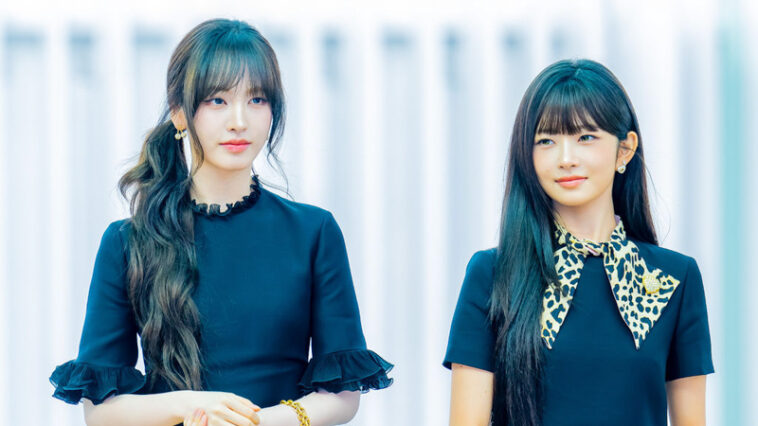
The incident in question occurred during a recent broadcast of a popular music program. IVE was performing their latest track, showcasing their usual powerful choreography and vocal stability. For this stage, members Liz and Rei were styled in coordinated outfits featuring bold, patterned tops with distinctive, puffed sleeve detailing and tailored shorts. Almost immediately, screenshots and clips began circulating on Korean community forums like Nate Pann and TheQoo, as well as on international platforms like Twitter and TikTok.
The criticism was swift and blunt. A now-viral post, which served as the catalyst for the wider backlash, used a specific and derogatory comparative phrase regarding the appearance of the outfits. The core of the critique centered on the silhouette created by the combination of the voluminous sleeves and the high-waisted, fitted bottoms. Critics argued the cut and material of the tops appeared unflattering, adding unnecessary bulk to the upper body and creating a disproportionate look that did not showcase the idols' figures advantageously. The term used was reductive and harsh, reducing a complex styling choice to a crude body-shaming jab.
"The stylists need to be fired. After giving them such gorgeous looks for 'I AM,' this feels like a deliberate sabotage. It's not about the girls at all—they could make a potato sack look good—but the design itself is a failure."
It's important to note that the outrage was primarily directed at the styling team and the clothing choices, not at Liz and Rei themselves. Fans and netizens alike were quick to separate the idols from the outfits, praising their performance and stage presence while lambasting the fashion direction. The conversation quickly splintered into several key threads:
- The Fit and Silhouette Argument: Technical discussions on whether the cut of the garments was inherently unflattering for the stage and for the members' body types.
- The Concept Clash: Debates on whether the rustic, almost pastoral pattern and puff-sleeve design aligned with IVE's typically sleek, modern, or regal concepts.
- The Comparative Lens: Unfavorable comparisons were drawn to the other members' outfits from the same stage, which were perceived as more typically "IVE-style"—elegant, streamlined, and accentuating.
A History of Scrutiny: Not IVE's First Rodeo
While this incident gained particular traction, it is not the first time an IVE member's styling has been a topic of heated discussion. Wonyoung, in particular, is subject to relentless and often malicious scrutiny over her weight, diet, and appearance, with every outfit analyzed for perceived messages about her body. Liz has also faced unwarranted commentary on weight fluctuations in the past. This latest episode, therefore, didn't occur in a vacuum. It landed on the fertile ground of an existing, toxic undercurrent in K-Pop fandom that feels entitled to comment on—and police—idols' bodies. The backlash, while focused on clothes, tapped into this deeper, more troubling pattern of body-focused criticism that female idols disproportionately face, a theme we've seen erupt in broader cultural contexts, such as in the fiery debates ignited by rapper G-Sik's critiques.
Fandom in Fracture: DIVE Takes a Stand
The reaction from IVE's fandom, DIVE, was a study in modern fan mobilization. The response was not monolithic but rather segmented across different platforms, reflecting the diverse nature of contemporary K-Pop communities.

On Twitter and Instagram, the dominant mood was one of protective fury. Hashtags supporting Liz and Rei trended globally, with fans flooding timelines with alternative, stunning photos of the members to "cleanse the timeline." The narrative was clear: defend the idols at all costs, shame the critics, and uplift the members. Comments sections under official performance videos were swiftly filled with messages of praise, drowning out negative remarks.
"Liz and Rei absolutely ATE that stage. The confidence, the vocals, the dance. They are professionals who shine in anything. The outfit discourse is just noise from people who don't understand fashion."
However, on more forum-based platforms like Reddit's r/kpop and private fan cafes, the discussion was more nuanced. While still fiercely defensive of Liz and Rei, many fans expressed frustration with Starship Entertainment's styling team. Threads detailed past styling "wins" and "losses," arguing for more consistent care. Some expressed concern that such visible backlash could affect the members' confidence, a sentiment that added a layer of anxiety to the anger.
"It's exhausting," wrote one longtime DIVE on a forum. "We spend so much time fighting off malicious comments about their bodies, and then the company puts them in outfits that literally invite that kind of mean-spirited 'critique.' It feels like we're set up to fail in protecting them." This protective impulse mirrors the intensity seen in other fandoms facing perceived external threats, reminiscent of the systemic fervor displayed during events like the national alert controversy surrounding BTS's military enlistment.
The Bigger Picture: Stylists, Scapegoats, and a Volatile Ecosystem
This incident serves as a perfect case study for several pressing issues within the K-Pop industry machinery. First is the role of the stylist, often the unnamed hero or the convenient scapegoat. Stylists operate under immense pressure: budgets, brand deals, concept cohesion, individual member preferences, and the need for 12+ unique yet harmonious outfits per comeback. A single controversial look can make them the target of intense fan campaigns calling for their dismissal. This creates a high-stress environment where creative risk-taking is often punished, potentially leading to safer, more repetitive choices.
Second, it highlights the unsustainable pressure on idols, particularly young women, to maintain a specific, often narrowly defined, physical ideal. An outfit deemed "unflattering" is frequently criticized not for its artistic merit but for failing to make the idol look sufficiently thin. This reinforces a toxic standard and places the burden of the fashion's success or failure squarely on the idol's body, rather than on the design as an independent artistic choice.
Finally, it showcases the power and peril of instant feedback. In the pre-social media era, a questionable stage outfit might be noted in a few forum posts or fan letters. Today, it becomes a global trending topic within minutes, subject to millions of data points of opinion. This real-time audit can affect not just public perception but potentially internal company decisions and the idols' own mental wellbeing. The velocity of this discourse shares DNA with the rapid, national-scale reactions we've seen to other media events, such as the variety show that drew a presidential rebuke.
When Fashion Becomes News: The Media's Role
Outlets like ours at K-Beats, and the source that originally highlighted this story, play a pivotal role in amplifying—or tempering—these conversations. The editorial choice to frame a story around fan backlash necessitates careful handling. It's a balance between reporting on a genuine fandom event and avoiding the perpetuation of harmful narratives. The most responsible coverage contextualizes the outrage, separates critique of clothing from critique of person, and examines the underlying industry conditions that lead to these flashpoints. For ongoing coverage of how these industry narratives evolve, readers can always check our main News page.
Looking Ahead: For IVE, DIVE, and the Industry
So, what comes next for IVE? In the immediate term, the cycle will likely follow a familiar pattern: the storm will rage online for a few days, the next music show will bring new outfits (which will be scrutinized even more intensely), and the discourse will gradually fade, replaced by the next comeback or industry news. Starship Entertainment is unlikely to issue any statement, as directly addressing specific styling criticism sets a difficult precedent.
However, the long-term implications are more subtle. For the styling team, this may lead to a more cautious approach for Liz and Rei in future stages, potentially steering clear of certain silhouettes or patterns to avoid a repeat. For the members themselves, the hope among fans is that they are insulated from the worst of the noise, supported by their team and each other. The true test will be in their upcoming stages and comebacks; will their confidence and performance remain unshaken? Given their track record, the likely answer is a resounding yes.
For the industry, this is another data point in the ongoing audit of fan power. It underscores that every aesthetic choice is a communicative act loaded with potential meaning and misinterpretation. It also serves as a reminder that the conversation around K-Pop fashion needs to mature—to appreciate bold choices as artistic statements, to critique designs without resorting to body-shaming language, and to remember that the people inside the clothes are professionals doing a job, not mannequins for public dissection.
The saga of Liz and Rei's puffed sleeves is, on its surface, a trivial blip in K-Pop's relentless news cycle. But peel back the layers, and it reveals the complex, often contradictory heart of modern idol culture: a place where immense love and intense scrutiny coexist, where a sequin can spark a sociology lecture, and where the journey to the top of the Charts page is paved with as much discourse as dance practice. IVE's power has never been solely in their perfection, but in their ability to captivate—and as this week proved, they can do that even when the conversation isn't about a perfect high note, but a controversial sleeve.