

The world of K-pop is no stranger to controversy, but rarely does it erupt so directly into the heart of a nation's most sensitive social debates. This week, the line between idol and activist, between entertainment and education, blurred into a fiery haze when G-Sik, the formidable rapper and producer for the multi-platinum boy group NEON DUSK, launched a blistering, unfiltered critique of South Korea's sexual education curriculum. Targeting what he called "so-called educators" and "bullsh*t sex ed" in school textbooks, his social media outburst has transcended typical fanbase chatter to become a headline-grabbing national incident, exposing deep generational and ideological fractures.
For a figure known for crafting intricate verses about mental health and societal pressure in NEON DUSK's tracks, this move was both shocking and, to many, inevitable. It represents a new peak in the ongoing trend of K-pop artists leveraging their immense platforms for pointed social commentary. However, by taking aim at state-approved educational content, G-Sik has stepped onto a political minefield, drawing reactions from government officials, educational bodies, activist groups, and millions of netizens. This isn't just about a provocative tweet; it's a cultural flashpoint where K-pop's global influence collides head-on with domestic policy, and the aftershocks are being felt from Seoul's Ministry of Education to the dorm rooms of trainee idols.
The Architect of Sound: G-Sik's Journey from Underground to Icon
To understand the weight of G-Sik's words, one must first understand his artistic trajectory. Unlike many idol-rappers who hone their skills within company practice rooms, G-Sik (real name Kim Jae-sik) cut his teeth in the gritty, hyper-competitive underground hip-hop scene of Seoul's Hongdae district. His reputation was built on technically flawless, lyrically dense freestyles and mixtapes that often tackled themes of economic disparity and urban alienation. When he was surprisingly recruited by Starweave Entertainment to join the then-debuting NEON DUSK, purists cried sellout. What followed was a masterclass in artistic synthesis.
Forging NEON DUSK's Sonic Identity
G-Sik didn't just adapt to the idol system; he helped redefine it. As the group's main rapper and primary producer, he was instrumental in crafting NEON DUSK's signature "neon-noir" sound—a blend of pulsating synth-wave, aggressive trap beats, and melancholic melodies. His lyrics, while packaged for pop consumption, retained a sharp, observational edge. Songs like "City of Glass" and "Pressure Point" explored the psychological toll of fame and surveillance, resonating deeply with a generation feeling the crush of societal expectation. This established him not just as an entertainer, but as a voice, a trusted narrator for the anxieties of young Koreans.
His solo work further cemented this role. The 2022 solo mixtape Grey Matter featured the standout track "Syllabus," a scathing critique of Korea's rigid, exam-obsessed academic culture. In it, he rapped,
"They feed us answers to questions we never asked, silencing the curiosities that actually last."This track is now viewed as a direct precursor to his current explosive statements, highlighting a long-standing fixation on how systems of authority shape—and often stifle—young minds. For a deeper look at how idol-artists are repurposing their past for raw commentary, see our analysis in The Reinvention Ritual: How Latency’s Debut Single Turns Ex-Idol Past into Raw, Rock-Fueled Future.
The Digital Detonation: Anatomy of a Viral Controversy
The incident began not with a formal press release or a staged interview, but with a series of raw, impassioned posts on G-Sik's private Instagram account (followed by nearly 8 million fans), which were swiftly screenshotted and disseminated across every major Korean online community. The catalyst, according to G-Sik, was helping his younger cousin with homework.
Dissecting the "Bullsh*t"
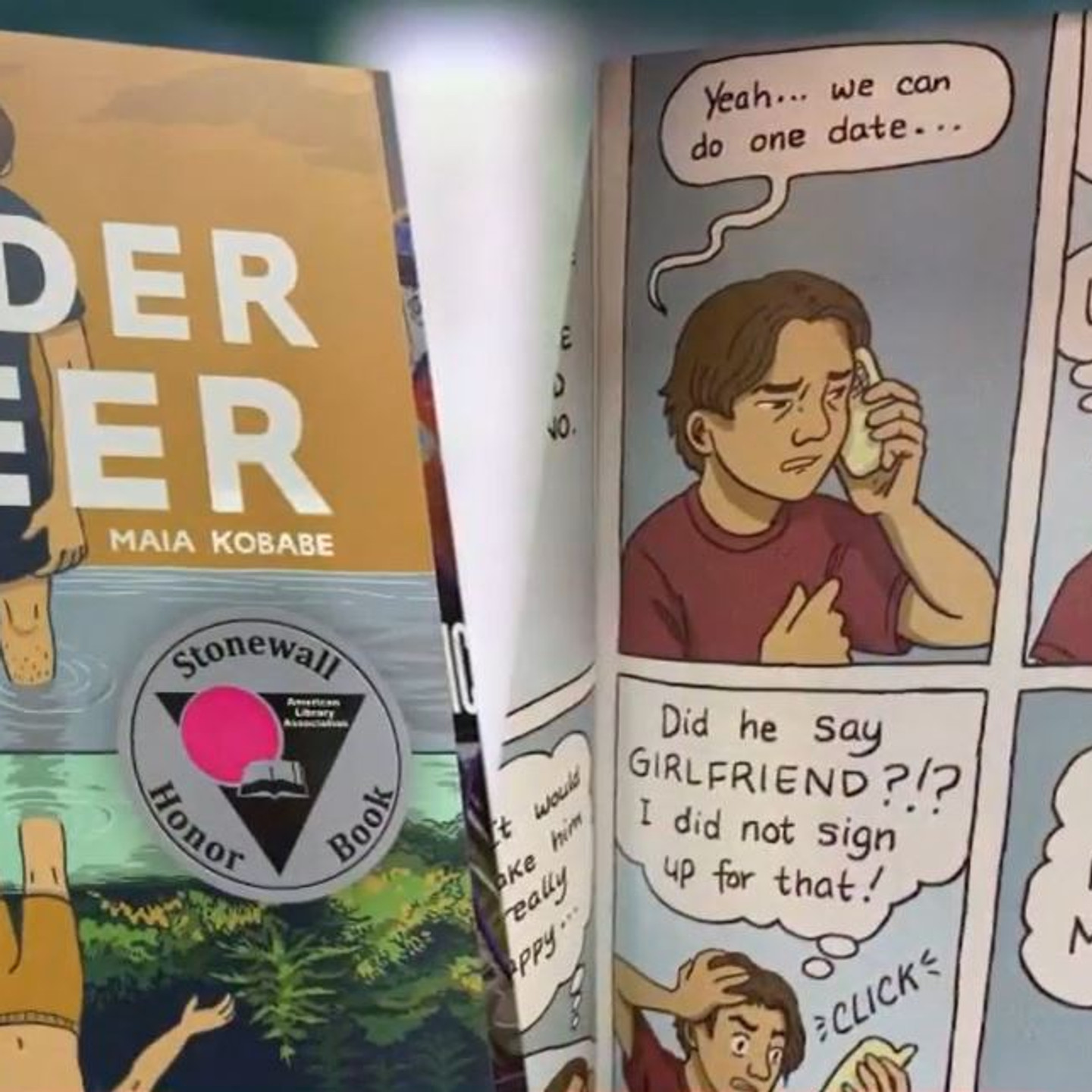
G-Sik's posts zeroed in on specific pages from his cousin's state-approved middle school "Health" textbook. He didn't just post criticism; he posted evidence. One photo highlighted a diagram on human reproduction he derided as "biologically vague to the point of being misleading." Another targeted text that solely framed sexual activity within the context of marriage and procreation, calling it "a fantasy that ignores the reality of every single person sitting in that classroom."

The most explosive critique was reserved for sections discussing LGBTQ+ identities. G-Sik posted a blurred image of a page with the caption:
"This isn't education. This is erasure. To teach that this diversity doesn't exist, or to pathologize it, is psychological violence. It's bullsh*t. The 'educators' who approve this should sit in a room of kids who are terrified and confused because of this and explain their 'curriculum.'"
He accused the system of being obsessed with "fear-based" teaching—focusing solely on STDs and unplanned pregnancy—while completely neglecting consent, healthy relationships, gender identity, and sexual orientation. "They're creating fear, not understanding," he wrote. "They are manufacturing ignorance, and then they wonder why bullying and confusion run rampant."
The Fandom Fractal: ARMYs, DUSKies, and a Divided Public
The reaction was instantaneous and seismic. Within the NEON DUSK fandom, known as DUSKies, the response was a complex tapestry of unwavering support, concerned caution, and minor dissent.
The Supporters: A vast majority of the fandom, particularly its younger and international demographic, rallied behind G-Sik with the hashtag #RealEducationWithG-Sik. They flooded social media with personal stories, thanking him for giving voice to their own frustrations with the educational system. Many shared their own experiences of inadequate sex ed, creating a powerful, collective testimony. "He's using his platform for what matters," one fan wrote on Weverse. "He's always been our voice inside the industry, and now he's being our voice outside of it." This collective, evidence-based fan response mirrors tactics seen in other major fandoms, such as when ARMYs Are Dismantling the Latest "BTS Discord" Narrative.
The Concerned: A faction of older fans and some fan-site managers expressed worry about potential backlash against the entire group. "I stand with his message 100%, but I'm afraid this will bring negative attention to the other members who didn't sign up for this fight," commented a popular fan account. Others cautioned about the language used, fearing that the blunt "bullsh*t" phrasing would allow critics to dismiss the valid argument as mere vulgarity.
Beyond the Fandom: The Korean public sphere split along predictable yet intense lines. Progressive youth groups and LGBTQ+ organizations praised G-Sik's courage. The Korean Teachers and Education Workers Union (KTU) issued a statement acknowledging "shortcomings in the curriculum that require urgent modernization" but criticized his "blanket disparagement of dedicated educators." Conservative media outlets and online communities condemned him for "undermining traditional values" and "pushing a dangerous, liberal agenda on minors." Notably, several fellow idols and celebrities "liked" the posts or left supportive, cryptic comments, signaling private solidarity, though most have refrained from public statements, likely on company advice.
Industry Tremors: When an Idol Becomes a Advocate
G-Sik's outburst is not an isolated event but the latest and most potent example of a significant shift in the K-pop industry's relationship with socio-political discourse. For years, the default corporate position was strict neutrality—idols were brands, and controversy was commercial poison. That dam has been leaking for a while, but G-Sik may have just blown a hole in it.
The Corporate Dilemma: Starweave Entertainment's response will be a case study for every agency in Seoul. Their initial, terse statement—"We are aware of the posts and are discussing the matter internally with the artist"—is a classic stalling tactic. The calculus is nightmarish. Do they reprimand or silence one of their most valuable creative assets, potentially triggering a fan revolt and damaging the group's authentic, outspoken image? Or do they back him, aligning the entire multi-billion-won NEON DUSK empire with a politically charged stance that could attract boycotts from conservative segments and complicate dealings with government-influenced media? The silence from major broadcasters is already deafening.
The Precedent: This incident raises the stakes for all artist-driven advocacy. We've seen artists like BTS speak on self-love and mental health, and groups like (G)I-DLE tackle feminist themes metaphorically. But a direct, adversarial critique of a government system is a new level of risk. It forces a question: is an idol's platform only valid for universally palatable, positive messages, or can it be a tool for specific, disruptive criticism? As artists take more control over their creative process, as seen in the production of deeply personal tracks like Hyunjin's 'Lover', the urge to extend that autonomy to their public personas grows stronger.
The Economic Ripple: Beyond politics, this touches on the core of the idol economy: brand partnerships. Several of NEON DUSK's endorsements—from tech to cosmetics—target a broad, family-friendly demographic. Agencies and brands are now nervously watching the public sentiment charts on our Charts page, looking for any dip that could be attributed to the controversy. Conversely, brands aiming for a progressive, youth-focused image may see this as a potent alignment opportunity.
The Unwritten Next Chapter: Repercussions and Reckonings
As the dust refuses to settle, all eyes are on what happens next. The immediate future hinges on a few key developments.
1. The Official Response: The Ministry of Education is under immense pressure to respond. They could dismiss it as an "irrelevant celebrity opinion," a move that would further alienate the youth. A more likely, yet tepid, response is an announcement to "review curriculum modernization efforts," a process already years behind public discourse. A forceful condemnation of G-Sik would ignite the controversy further.
2. Starweave's Move: Will the agency force a public apology? Will they allow G-Sik to elaborate in a controlled interview, perhaps on his own terms through a livestream or a more detailed musical release? Or will they attempt to quarantine the issue, letting it fade while pushing other NEON DUSK activities? The group is in the early planning stages for a world tour, and investors will demand clarity.
3. The Artistic Answer: Historically, G-Sik processes confrontation through music. It is highly anticipated that this experience will fuel his contributions to NEON DUSK's next album or a future solo project. Will he sharpen the critique into a razor-edged track? The industry is watching to see if this controversy gets metabolized into art, following the path of artists who use B-sides and solo work for deeper expression, similar to the strategy discussed in P1Harmony's "L.O.Y.L." Video Release.
4. The Ripple Effect: Already, other idols in private chatrooms and company meetings are likely discussing this. Will it empower others with similar frustrations to speak up, or will it serve as a cautionary tale about the limits of an idol's voice? The precedent set will either expand or contract the boundaries of permissible speech in K-pop.
Ultimately, G-Sik has done more than criticize a textbook. He has forcefully inserted K-pop, a global cultural powerhouse often dismissed as mere manufactured entertainment, into the center of a foundational domestic policy debate. He has demonstrated that the influence of these artists extends beyond fashion and music charts into the very fabric of social change. Whether he is hailed as a brave advocate or condemned as an overstepping celebrity, one thing is certain: the conversation about what is taught in Korean classrooms will never be the same. And the industry that created him must now grapple with the formidable, unpredictable power of an idol who has decided his microphone is for more than just singing. For continued coverage on this evolving story and its impact on the industry, follow our ongoing reporting on our News page.