
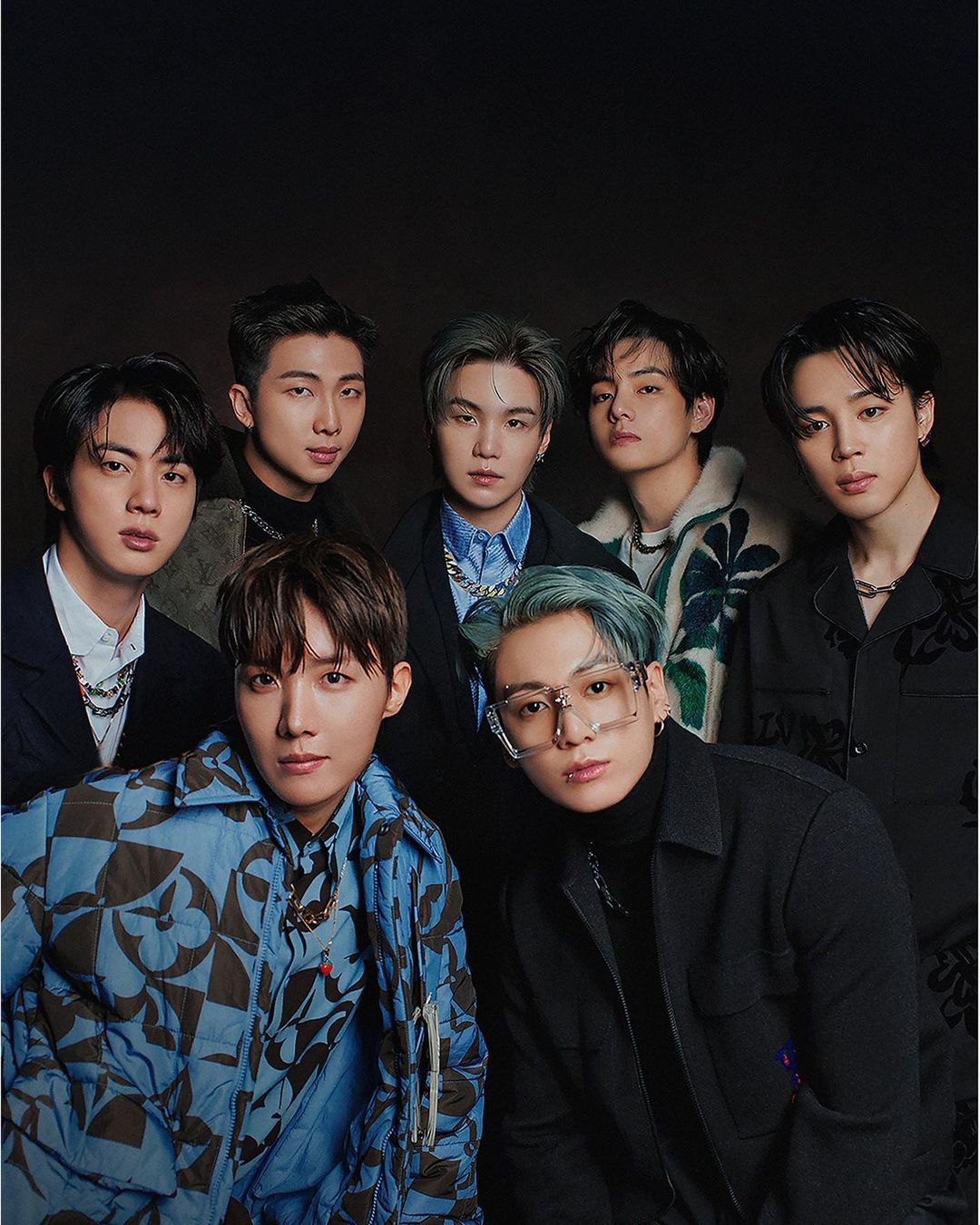

"The suggestion that these seven men, who have built a universe together, could harbor genuine animosity is not just incorrect—it fundamentally misunderstands the artistic and human journey they have shared for over a decade." — K-Beats Editor-in-Chief
The K-Pop rumor mill is a perpetual motion machine, fueled by glances, edited clips, and the endless hunger for drama. This week, its gears churned out a familiar yet perpetually inflammatory narrative: internal discord within BTS. A wave of online videos and forum posts, primarily on platforms like TikTok and obscure gossip sites, purported to present "proof" that the members "hate each other." The alleged evidence? A collection of carefully clipped moments from old variety shows, behind-the-scenes footage, and recent solo promotions, stripped of all context and presented as definitive truth. However, in a powerful display of collective intelligence and devotion, the fandom known as ARMY didn't just dismiss the claims—they systematically dismantled them, turning a potential scandal into a case study in modern fan engagement and media literacy.
The Bedrock: Understanding the BTS Narrative
To comprehend why these claims are so explosively resonant yet ultimately hollow, one must first understand the foundational story of BTS. Their ascent from a small agency underdog to global phenom is the stuff of legend, a narrative they have meticulously, and often painfully, shared through their music. From early tracks like "No More Dream" and "N.O" critiquing societal pressures, to the "Love Yourself" era's anthems of self-acceptance, and the mature introspection of "Map of the Soul," their discography is a public diary of shared struggle and triumph.
This is not a group that shied away from showing conflict. In fact, their 2018 documentary series, "Burn the Stage," was groundbreaking precisely because it showed moments of frustration, exhaustion, and heated debate during their world tour. As RM stated in the series, "We fight because we care. Because we want the best for this team." This transparency created a new paradigm. Fans were shown that professional disagreement is not only normal but essential for artistic growth. The bond forged through those challenges, celebrated in songs like "We Are Bulletproof: the Eternal" and "Friends," is presented as unbreakable precisely because it has been tested. This history makes the new, maliciously framed "proof" feel like a deliberate misreading of a story ARMYs have lived alongside for years.
A Chapter 2 Built on Individuality
The current phase of BTS's career, often referred to as "Chapter 2," is crucial context. With the members fulfilling mandatory military service in a staggered manner, they have embarked on pronounced solo activities. Jin and J-Hope have released solo work and enlisted, while RM, Jimin, V, Jung Kook, and SUGA have released acclaimed solo albums and pursued diverse projects, from acting to variety appearances. This necessary period of individual exploration has, paradoxically, become fodder for separation narratives. Critics and gossipmongers point to the lack of constant group content as "evidence" of drifting apart, ignoring the explicit, repeated statements from every member that this time is about strengthening their individual selves to return as a healthier, more sustainable group. As we analyzed in their latest group digital release, "Riding the Tide: How BTS’s "Swim" Navigates the Depths of Longing and Collective Return", the song itself is a metaphor for their current journey—separate currents moving towards the same ocean.
Deconstructing the "Proof": A Lesson in Context
The viral arguments follow a familiar pattern. A three-second clip from a 2017 variety show, where a member makes a deadpan expression as another speaks, is captioned "X visibly annoyed by Y's existence." An edited segment from a live stream, with the lead-in and follow-up removed, is presented as a "cold interaction." The most egregious recent examples have involved pulling moments from the members' individual Suchwita episodes or solo interviews, where they speak candidly about the difficulties of idol life or personal struggles, and framing them as veiled critiques of each other.
One particular clip involved Jimin discussing the intense pressure he felt during a specific album preparation period. In the full interview, he speaks about his own perfectionism and the support he received from the members. The clipped version circulating online isolated his sentence about "feeling alone in a room full of people," deliberately omitting his subsequent praise for his bandmates' help. This is not analysis; it's narrative manipulation.
The ARMY Forensic Response
Instead of simply flooding these posts with angry comments, segments of ARMY mobilized a more effective strategy. Bilingual fans compiled full, unedited clips with complete subtitles, posting side-by-side comparisons that restored the original context. Archive accounts, a staple of organized K-Pop fandoms, immediately surfaced old VLIVE broadcasts, DVD commentary, and interview moments that directly contradicted the claims of animosity—for instance, moments of clear support during each other's solo promotions. They highlighted how the same "cold" body language being criticized is often just a member being tired after a 16-hour shoot, or a moment of quiet focus misread through a lens of assumed drama.
This response mirrors tactics seen in other fandoms facing similar trials, such as when "The Cover That Shook the Fandom: How IVE's Rei's Musical Tribute Ignited an Unprecedented Cross-Fandom War". It demonstrates a shift from defensive reaction to proactive, evidence-based community defense. ARMYs are not just saying "you're wrong"; they are proving it with a curated library of the group's own history.

Beyond Defense: The Psychology of the "Discord" Cycle
Why does this specific narrative recur with such clockwork regularity for BTS and other top-tier groups? The reasons are multifaceted, rooted in industry dynamics, fan psychology, and the modern media landscape.
Firstly, the sheer scale of BTS's success creates a target. As the unequivocal leaders of the global K-Pop wave, any hint of vulnerability becomes a major story. For click-driven media and content farms, pushing a "BTS in crisis" angle guarantees engagement, both from those who might believe it and from the legions of fans who will rush to debunk it. This creates a perverse economic incentive.
Secondly, there is a fundamental misunderstanding of healthy group dynamics, especially within the often idealized world of K-Pop. The industry frequently sells an image of perfect, frictionless harmony. BTS's own early willingness to show disagreements set them apart, but that complexity is now being weaponized. As one industry insider told K-Beats on background, "Fans claim to want 'realness,' but some struggle to process realness when it doesn't look like a constant group hug. Professional adults in any field have disagreements; it's a sign of investment, not hatred."
This ties into the parasocial nature of fandom. When fans feel an intensely personal, one-sided connection with idols, they may project their own fears of abandonment or conflict onto the group's interactions. The anxiety of "Chapter 2" and the military hiatus creates a fertile ground for these fears to be exploited by bad-faith actors. For more on how groups navigate complex fan relationships through solo work, see our analysis of "The Art of Intimacy: How Stray Kids' Hyunjin Crafted a Quiet Revolution with 'Lover'".
The Echo Chamber of Algorithmic Outrage
Social media platforms are engineered to promote content that elicits strong reactions. A video claiming shocking discord within the world's biggest boy band is far more likely to be recommended than a video analyzing their harmonious songwriting credits. This creates an echo chamber where a minority opinion, amplified by algorithmic push, can appear to be a widespread belief. Users who may not even be K-Pop fans are served this "drama," forming perceptions based on misleading fragments. ARMY's counter-campaign is, in essence, a battle against this algorithmic distortion, flooding the zone with accurate, contextualized content to correct the record.
The Industry Ripple Effect: When Gossip Has Real Consequences
While seasoned fans may roll their eyes at the latest "hate each other" trend, these narratives have tangible impacts. They can affect group morale, as idols are inevitably aware of the toxic discourse. They can also influence public perception among casual observers or potential new fans who stumble upon the sensationalized clips without seeing the corrections.
More seriously, it creates a hostile online environment that can spill over into real-world harassment. Members have, in the past, been directly confronted or questioned about baseless rumors at fan events. This cycle of manufacture and backlash also drains fan energy and resources that could be directed towards positive support, like streaming organized for solo projects or charitable initiatives in the members' names.
The situation recalls the importance of clear communication from agencies, though it must be handled carefully. A heavy-handed legal response can sometimes inflame a situation, while silence can be interpreted as confirmation. It's a delicate balance, as seen in the starkly different case of "VIVRA's Soyeon Posts Graphic Injury Photos, Alleging Assault; Label Issues Contradictory Statement, Sparking Fury". BTS's label, Big Hit Music, has historically taken legal action against malicious defamation and rumor-spreading, and a new round of lawsuits may be forthcoming if these specific claims cross a legal line from gossip into defamation.
Looking Ahead: Unity Beyond the Noise
So, what comes next? The pattern suggests these narratives will resurface, especially as the group's full reunion in 2025 approaches. Every step of that journey—individual discharges, potential duo or subunit releases—will be microscopically analyzed for signs of perceived distance or closeness.
However, the ultimate "what's next" belongs to BTS themselves. Their actions consistently speak louder than any edited clip. The members attending each other's solo showcases, appearing as surprise guests on each other's live broadcasts, and their constant, vocal declarations of love and need for the team in their solo work all form a coherent counter-narrative. Jung Kook, during a recent live stream, casually mentioned texting the group chat daily. SUGA, on his tour, has spoken about how empty the stage feels without the others. These are not scripted moments for a group photo-op; they are off-hand comments that reveal the fabric of their ongoing relationship.
The focus for ARMY and the industry should remain on the music and the authentic stories the members choose to tell. The upcoming 2025 reunion will be one of the most significant events in pop culture, a testament to a bond that has weathered unprecedented fame, personal growth, and mandatory national service. The current "discord" discourse will, by then, be a forgotten footnote, another piece of digital debris swept away by the tide of their actual story. For the latest official updates on all group and solo activities, fans consistently check our News page.
In the end, the fervor to prove BTS's disunity reveals more about the fractured nature of online discourse than it does about the group itself. ARMY's meticulous, context-driven rebuttal is more than fan defense; it's a demand for intellectual honesty in an era of cheap clicks. It affirms that the true "proof" lies not in decontextualized seconds, but in a decade of shared artistry, public vulnerability, and a promised future that seven men are actively, individually preparing for—together. As one fan perfectly summarized on Weverse: "They gave us eleven years of evidence of their love. You gave us eleven seconds of an edit. We know which file we're keeping."