
In the hyper-connected, perpetually-online world of K-Pop, a simple act of artistic appreciation can sometimes become a digital battlefield. This week, the community witnessed a stark and distressing example of this phenomenon as IVE's Rei found herself at the center of a maelstrom of severe, coordinated backlash. The catalyst? A heartfelt cover song posted to the group's official YouTube channel, a gesture typically seen as a benign and common form of idol-fan communication. What transpired, however, was a rapid, toxic escalation that highlights the darker undercurrents of modern fan culture, the immense pressure on idols, and the fragile line between devotion and delusion.
A Storm in a Soundcloud: The Incident Unpacked
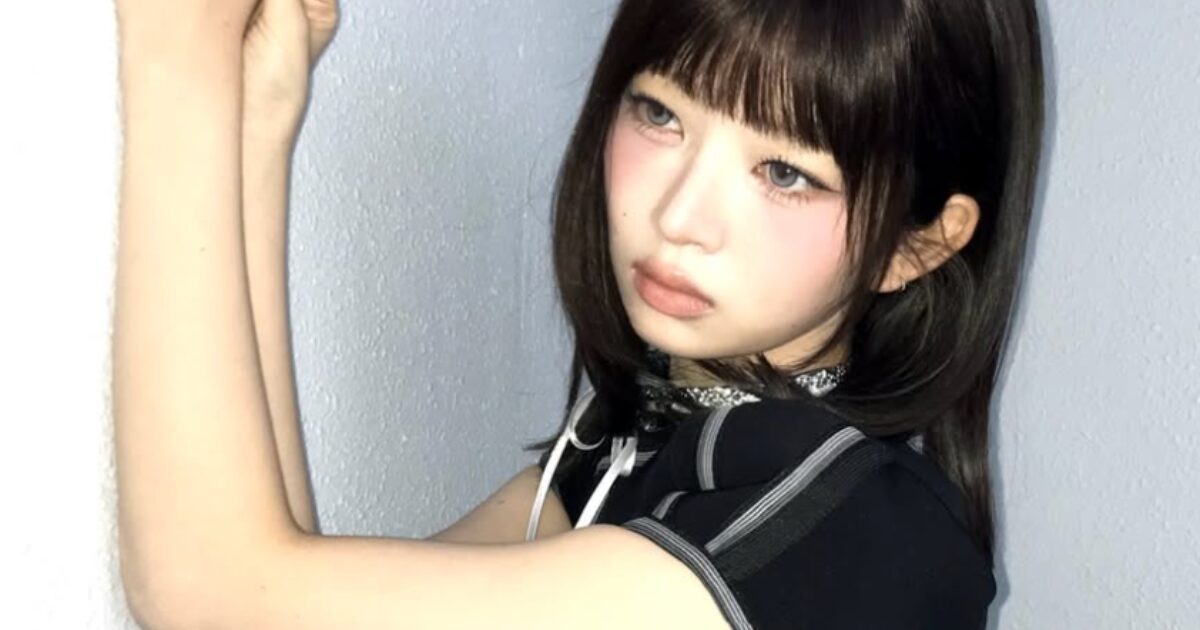
On a seemingly routine Wednesday, IVE's official YouTube channel, "IVE OFFICIAL," updated with a new video titled "[COVER] REI - '미안해 (I'm Sorry)' by 2F (Shinyu)." The setup was intimate and familiar: Rei, styled in casual, comfortable clothing, sat in a simple studio setting with a microphone, her gaze soft and focused. The song choice, "미안해 (I'm Sorry)" by the indie duo 2F (Shinyu), is a melancholic, guitar-driven ballad known for its raw emotional delivery. Rei's rendition was stripped-back, emphasizing her clear, stable vocals and a palpable sense of sincere interpretation.
The Spark That Lit the Fuse
The backlash did not stem from Rei's vocal performance, which was widely praised by neutral listeners and DIVEs (IVE's fandom). Instead, it originated from a specific segment of the fandom of the boy group OMEGA X, specifically fans of member Shinyu, who is one half of the duo 2F. The controversy hinged on a complex, and largely unfounded, web of assumptions. Certain fans alleged that by covering this particular song, Rei was sending a "coded message" or publicly sympathizing with Shinyu following the group's well-documented legal battles and controversies with their former agency.
This interpretation, however tenuous, was enough to trigger a wave of aggression. Comments flooded the video and spread to Twitter, Instagram, and online forums like Nate Pann and theqoo, accusing Rei of "clout-chasing," "using a sensitive issue for attention," and "disrespecting the artist's painful personal history." The vitriol quickly moved beyond critique of the act itself and descended into personal attacks on Rei's character, appearance, and talent.
"I just wanted to share a song that moves me. Music, to me, has always been about emotion, not controversy. It's heartbreaking to see a pure intention become so distorted." - Rei (paraphrased from her later statement)
IVE and Rei: From Rookie Sensations to Established Powerhouses
To understand the weight of this backlash, one must appreciate the stature IVE and Rei hold in the current K-Pop landscape. Debuted in December 2021 under Starship Entertainment, IVE is a group built from the start on a foundation of confidence and "I HAVE" supremacy. With members An Yujin and Jang Wonyoung already household names from their IZ*ONE days, the group immediately commanded attention. Rei, the group's Japanese rapper and vocalist, quickly carved out her own unique niche with her deep, distinctive tone, sharp rap delivery, and a charismatic, cool-yet-approachable on-screen persona.
Their career trajectory has been nothing short of meteoric. From the record-breaking debut "ELEVEN" to the cultural juggernauts "LOVE DIVE," "After LIKE," and "I AM," IVE has consistently delivered both chart dominance and critical acclaim. They represent a new generation of sure-footed, hit-making idols who carry an aura of effortless success. This incident marks one of the first times a member has faced such a concentrated, negative campaign from an external fandom, a jarring experience for a group accustomed to breaking records and sweeping awards. You can explore more about IVE's journey on our Artists page.
The Pressure of the Spotlight
Rei, in particular, has been open about the pressures of idol life, albeit often through a lens of gratitude and determination. This incident throws into sharp relief the unspoken rule that every public action by an idol, no matter how personal or artistic, is subject to microscopic, often uncharitable, scrutiny. The expectation to be perpetually "on," perfectly manicured in both appearance and public expression, is a heavy burden. As we explored in the case of aespa's Karina's cryptic health update, the industry's demands can manifest in worrying ways, and fan aggression only compounds this stress.
Echoes in the Digital Chorus: Fan and Community Reaction
The reaction across the digital K-Pop sphere was swift and divisive, creating clear battle lines and exposing deep-seated issues within fan community dynamics.

The Backlash Campaign
The attacking faction, primarily a subset of OMEGA X's fandom, utilized familiar tactics of digital harassment: mass-reporting the YouTube video for "harassment" or "inappropriate content," creating hateful hashtags, and flooding Rei's personal Instagram feed with malicious comments. Screenshots of private fan community messages calling for organized "action" against Rei circulated, showcasing a level of coordination that went beyond spontaneous anger. Their core argument rested on a sense of proprietary ownership over Shinyu's narrative and a perceived violation of that space by an "outsider."
The Defensive Mobilization
In response, DIVEs and a large coalition of neutral K-Pop fans mobilized to defend Rei. Their counter-arguments were multifaceted:
- Artistic Freedom: They vehemently defended an idol's right to cover any song that inspires them, calling the backlash an absurd overreach.
- Disproportionate Response: Many highlighted the extreme mismatch between Rei's action (a cover) and the reaction (a character assassination campaign).
- Industry Precedent: Fans listed countless examples of idols covering songs by artists who have faced personal or legal struggles, noting that such covers are never interpreted as political statements.
A significant portion of OMEGA X's own fandom also publicly distanced themselves from the attackers, pleading for the focus to remain on supporting their own artists rather than tearing down others. This internal fandom rift was a crucial development, demonstrating that the toxic behavior was not representative of the entire fanbase.
Reading the Room: Industry Analysis and Significance
This incident is not an isolated one, but rather a symptom of larger, evolving tensions within K-Pop's global ecosystem.
The "Protectiveness" Paradox
Modern fandom culture is increasingly built on a rhetoric of "protection." Fans see it as their duty to shield their idols from harm, criticism, or unfair treatment. However, as seen here, this protective instinct can dangerously curdle into a possessive, parochial mindset. It creates imaginary boundaries around an idol—what stories are "theirs," what pain is "theirs" to own—and views any external interaction as an encroachment. This transforms other artists from colleagues into potential threats, poisoning inter-fandom relations. It mirrors the intensity seen in debates around group loyalty, similar to discussions sparked by BTS's post-Chapter 2 landscape, where fan identity becomes tied to controlling a narrative.
The Agency's Calculated Silence and the Idol's Voice
Notably, Starship Entertainment remained silent throughout the initial 48-hour firestorm, a strategic choice that speaks volumes. Agencies often avoid engaging directly with niche fan wars, fearing it legitimizes the attackers and amplifies the issue. This places the burden of response squarely on the idol, a tremendously difficult position. Rei's decision to address it, therefore, was a significant and risky act of agency. It broke the fourth wall, forcing a conversation about the real-world impact of online behavior. This move from a passive recipient of fan sentiment to an active participant in defining the boundaries of acceptable interaction is a pivotal moment in her career and for idol-fan relationships broadly.
The Chilling Effect on Artistic Expression
The most damaging potential outcome is a chilling effect. If covering a song from a less mainstream artist or one with a complex history can unleash such torrents of hate, what idols will feel safe exploring music outside a sterilized, controversy-free catalog? This impoverishes the cultural exchange that covers facilitate. It pushes idol content further into a risk-averse bubble, where every move is vetted not for artistic merit but for potential fan misinterpretation. This commercial pressure to avoid "trouble" at all costs stifles the very creativity that fuels the industry.
The Path Forward: Reflection, Regulation, and Resilience
In the wake of Rei's statement, the online tempest has begun to subside, but the sediment it stirred up remains. The video's dislike ratio, while still elevated, has normalized, and supportive comments now dominate. However, the episode leaves pressing questions for the road ahead.
For Starship Entertainment, the calculus will involve how to better shield their artists while respecting their artistic voices. This may involve more nuanced pre-emptive communication or behind-the-scenes community management. For the fandoms involved, it is a stark lesson in consequence. The image of a visibly distressed Rei, explaining that her love for music was clouded by hate, is a powerful deterrent for many, but unlikely to sway the most entrenched offenders.
Ultimately, the industry's health depends on a recalibration of the fan-idol contract. Idols are not avatars for fans' projections or soldiers in fictionalized culture wars; they are young artists. As the industry matures on a global charts-dominated stage, these growing pains are inevitable. This incident, much like the historic controversies explored in The "Arirang" Anomaly, serves as a cultural stress test. It reveals where the foundations are weak.
Rei's graceful yet firm response may well become a case study in crisis management, not by a PR team, but by the artist themselves. It reaffirmed a core truth often lost in the noise: at the heart of K-Pop, beneath the spectacle and the fan wars, is a shared love for music. The hope now is that this painful chapter reinforces that simple, profound connection, rather than further eroding it. The next time an idol posts a cover, the response we should all hope for is not a forensic analysis of hidden agendas, but a simple appreciation for the art shared.