
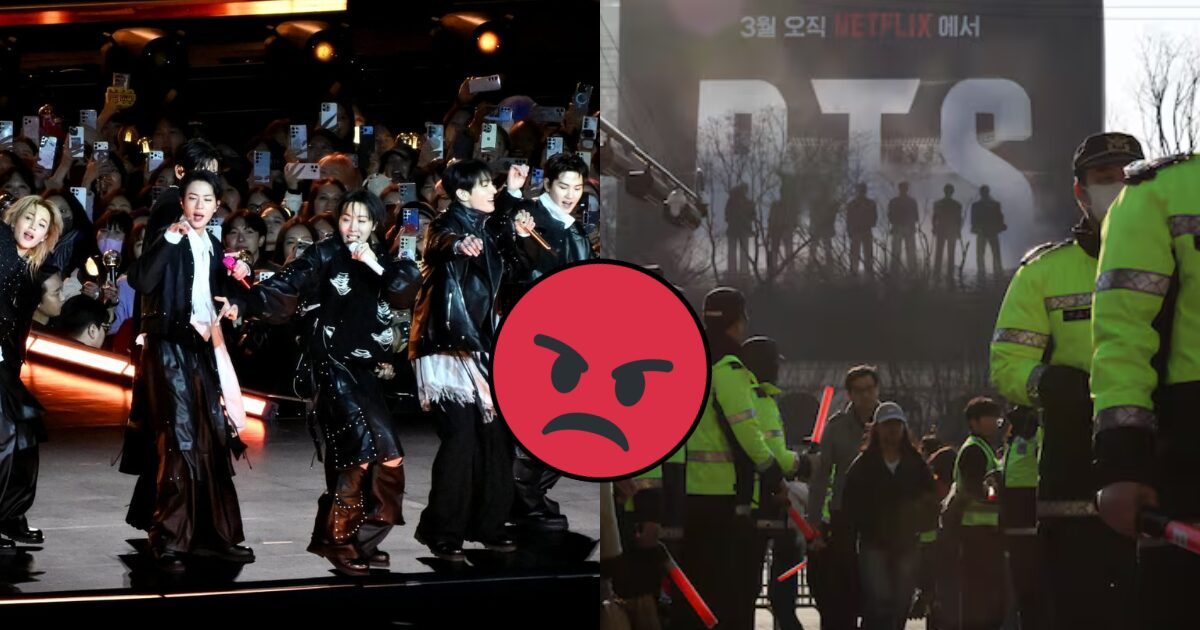

The air in Seoul should have been electric with anticipation. After a period focused on individual endeavors, the news that BTS would headline a colossal, city-sponsored concert series titled "Seoul Sound: Homecoming Harmony" was met with global euphoria from ARMY. Tickets, rumored to be in the hundreds of thousands, vanished in a digital heartbeat. Yet, beneath the surface-level fanfare, a very different, distinctly local sentiment began to simmer—one not of celebration, but of profound resentment. What was envisioned as a triumphant return and a cultural showcase has spiraled into a public relations labyrinth, with the group's very hometown fanbase fracturing along unexpected lines: die-hard fans versus furious residents, specifically couples and families, who claim the event has turned their lives into a logistical and emotional nightmare.
This is not a simple story of concert noise complaints. It is a complex clash between globalized pop culture and local quality of life, between a city leveraging its most famous cultural exports and the citizens who bear the infrastructural burden. The backlash, now escalating to threatened class-action lawsuits from coalitions of Seoul couples, poses uncomfortable questions about the sustainability of mega-events and the sometimes fraught relationship between idols and the cities they call home.
From Bulletproof to Bedrock: BTS and Seoul's Symbiotic Identity
To understand the shockwaves of this backlash, one must first appreciate the deep, symbolic bond between BTS and Seoul. Since their debut, their narrative has been inextricably woven with the city's modern identity. From the humble backstreets of Gangnam-gu referenced in early tracks to the grandeur of Gwanghwamun Square serving as a backdrop for historic gatherings, Seoul is more than a hometown; it's a character in the BTS story. The city administration has been acutely aware of this, frequently leveraging the group's image for tourism campaigns and global soft power, a relationship detailed in our analysis of cultural blueprints in Cross-Strait Crescendo: How J-Pop's Latest Wave Reveals K-Pop's Unmistakable Blueprint.
A Homecoming Seven Years in the Making
"Seoul Sound: Homecoming Harmony" was conceived as the pinnacle of this relationship. Officially announced as a three-day festival across two venues—the Seoul World Cup Stadium and a massive, custom-built stage in Haneul Park—the event was framed as a "gift" to Korean ARMY and a statement of post-enlistment unity. The scale was unprecedented, designed to accommodate a staggering 100,000 attendees per day, with linked public viewings planned along the Han River parks. For the city, it was a calculated economic and cultural stimulus, projected to bring in over 300 billion won in tourism revenue. For fans, it was a pilgrimage.
However, the very scale that promised grandeur sowed the seeds of discontent. The selection of Haneul Park, a beloved scenic spot atop a landfill-turned-ecological-park in Mapo-gu, was particularly contentious. The area, while spacious, is surrounded by dense residential complexes and is a favorite weekend retreat for couples and families seeking respite from the urban grind. The announcement of month-long construction for stage and facilities, followed by week-long rehearsals and the event itself, signaled an imminent invasion of light, sound, and human traffic into a zone cherished for its tranquility.
The Crescendo of Complaint: Traffic, Trash, and "Romantic Ruin"
The initial grumbles from neighborhood bulletins and local forums gained critical mass when a collective calling itself "The Seoul Couples' Alliance for Quality of Life" held a press conference outside Mapo-gu District Office. Their grievances, presented in a meticulously documented 30-page dossier, extended far beyond typical noise complaints.
A Litany of Logistical Grievances
The Alliance's primary allegations are starkly practical. They detail:
- Complete Access Blockade: Road closures for a 2-kilometer radius around both venues for nearly six weeks, severely disrupting daily commutes, local business deliveries, and emergency vehicle routes.
- Park Privatization: The effective shutdown of Haneul Park and sections of Nanji Hangang Park—key public recreational spaces—for two months during peak spring season. "This park is our backyard, our escape valve. To have it sold for a private concert is a betrayal of public trust," one member stated.
- Environmental Impact: Concerns about damage to the park's delicate grasslands and wildlife from stage construction and crowd pressure, coupled with fears of post-event litter, reminiscent of issues seen after other large festivals.
The Emotional Core: "They Stole Our Spring"
While the logistical issues formed the legal basis, the emotional thrust of the backlash was more poignant. Couples interviewed by K-Beats spoke not just of inconvenience, but of a profound sense of loss. "This is the season for cherry blossoms and quiet picnics by the Han," said Park Ji-hoon, 29, who had planned a proposal at Haneul Park. "Now, the idea is impossible. The constant drone of construction, the threat of crowds… it’s ruined the entire atmosphere. It feels like a corporate entity has confiscated our personal memories."

This isn't about disliking BTS. Many of us are casual listeners. This is about a city prioritizing a global spectacle over the daily lives and small, precious rituals of its citizens. They've commercialized our spring.
This sentiment—of a cherished personal and romantic season being "commercialized"—has become the rallying cry. The Alliance argues that the city, in its eagerness to host a BTS spectacle, failed in its fundamental duty to its residents, treating their neighborhoods as a disposable resource. The threat of a class-action lawsuit hinges on claims of "negligent infliction of emotional distress" and "substantial interference with the use and enjoyment of private property," a novel legal approach in South Korea concerning concert events.
ARMY's Anguish and the Fractured Fandom
The reaction from the global ARMY was initially one of confusion, then defensiveness, and finally, a painful introspection. Social media became a battlefield. International fans, for whom a trip to Seoul for this concert is a once-in-a-lifetime dream, struggled to empathize with the local complaints, often dismissing them as selfish or anti-BTS.
However, a significant segment of the Korean fandom found itself in a heartbreaking dilemma. As one fan forum user posted, "I've saved for years for this. BTS is my heart. But I also live in Sangam-dong, and my parents can't get to the hospital easily because of the roadblocks. How do I choose between my idols and my family's well-being?" This internal conflict highlights a rarely discussed facet of fandom: the idol as a potential neighbor and the very real, non-digital impact of their activities.
Some fan unions have organized volunteer efforts to mitigate the impact, proposing community clean-up pledges and offering to assist elderly neighbors with errands during the closure periods. Yet, this has been met with mixed reactions from residents, some appreciating the gesture, others seeing it as a hollow PR move. The situation echoes the intense scrutiny idols face in all aspects of life, a theme we explored in The Shadow on the Shelf: How a Single NCT Selfie Exposed the Relentless Scrutiny of Idol Life.
Industry Tremors: The Unsustainable Scale of Spectacle?
Beyond the immediate neighborhood, the controversy has sent ripples through the entire K-Pop concert and event planning industry. Promoters and agencies are watching closely, knowing the outcome could set a new precedent for stakeholder engagement and legal liability.
The Economic Paradox
On paper, the concert is a goldmine. Hotel bookings in western Seoul are at 98% capacity. Airlines added extra flights. Merchandise sales projections are astronomical. The city stands to gain immense global media exposure. Yet, the negative local press and potential legal fees are chipping away at the goodwill and potentially the net benefit. It raises the question: at what point does scale become counterproductive? The model of packing ever-larger crowds into urban centers, often reliant on public infrastructure, may be reaching its breaking point, a topic frequently analyzed on our Charts page which tracks not just music, but the business trends behind it.
A New Playbook for Permits
Insiders whisper that the permitting process for "Seoul Sound" was fast-tracked at a political level, bypassing some of the usual multi-stakeholder consultations. "This was a top-down, 'make it happen' order," claims one anonymous event planner. "The districts affected were presented with a *fait accompli*." If the lawsuits proceed, future events by any major act—be it BLACKPINK, SEVENTEEN, or NCT—will face exponentially more rigorous impact assessments and community consultation requirements. The era of announcing a mega-concert in a densely populated area with only fan consideration might be closing.
This shift mirrors a global conversation about tourism and livability but is particularly acute in Korea, where dense urbanization and a powerful entertainment industry collide. It also contrasts sharply with the emotional, community-focused narratives often sold in K-Pop, such as the heartfelt journey depicted in After Seven Years, Hearts2Hearts Finally Feels the "Inkigayo" Weight.
Silenced Strings? The Path Forward for "Seoul Sound"
As the opening night approaches, a tense stalemate holds. The concert, a logistical behemoth, cannot be easily moved or canceled. The city and promoters have offered concessions: shortening the soundcheck hours, increasing free shuttle buses from outer subway stations, and promising a massive post-event restoration fund for the parks. They have also hastily organized a series of free, smaller "community appreciation" concerts in the affected neighborhoods, featuring popular indie artists.
For the couples' Alliance, these are seen as band-aid solutions. Mediation talks are ongoing, but the threat of an injunction request filed a week before the concert looms large, which could throw the entire global event into chaos. The members of BTS themselves are in an impossible position; privately distressed by causing strife in their own community, yet publicly bound by contractual obligations and the expectations of millions of fans worldwide. Their management, Big Hit Music, has remained conspicuously silent, likely allowing the city to take the lead in negotiations.
A Lasting Legacy
Regardless of the outcome, "Seoul Sound" will be remembered as a watershed moment. It has exposed a critical, growing divide. For the industry, it is a wake-up call that the social license to operate must be negotiated not just with fans and sponsors, but with residents. The blueprint for future landmark concerts may look radically different—perhaps moving towards designated, self-contained K-Pop stadium complexes outside city cores, or a mandated "community benefit" model baked into every major event's budget.
For BTS and ARMY, the narrative of a harmonious homecoming is forever complicated. The concert may still be a breathtaking spectacle, a top performer on our News page for days. But its sound will now be underscored by the dissonant notes of local grievance, a reminder that even the most universal melodies can create unexpected friction in the places they call home. The final chapter of this story won't be written in concert setlists or fan-chants, but in court documents and city council meetings, setting the stage for the next generation of idols who dream of playing for their hometown. It is a complex, evolving harmony, much like the ambitious projects that define groups at their peak, similar to the narrative surrounding The Final Bloom: How NCT WISH's 'Ode To Love' Promises To Culminate NCT's Legendary Debut Project.
In the end, the "Seoul Sound" may be less a singular concert and more a mirror, reflecting the challenging balance a modern metropolis—and the global industry it hosts—must strike between worldwide ambition and local serenity. The music will play, but the conversation it has sparked will resonate long after the last encore.