

The Sweet Sound of Validation
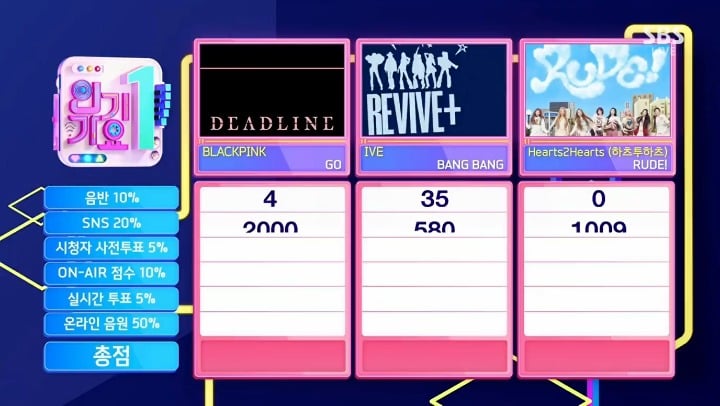
In the high-stakes, fast-paced world of K-Pop, music show wins are often seen as crucial milestones—a tangible stamp of success measured in trophies, tears, and trembling acceptance speeches. For some groups, they come quickly, a whirlwind of early fame. For others, they are a distant dream, a goal that seems to drift further away with each comeback. On the March 22nd broadcast of SBS's iconic Inkigayo, that dream became a breathtaking reality for Hearts2Hearts. The four-member girl group, a name synonymous with unwavering dedication among K-Pop aficionados, finally clutched their first-ever music show trophy for their vibrant and confident single, "RUDE!". The moment was not just a chart victory; it was an emotional catharsis seven years in the making, unfolding amidst a lineup of powerful performances from the likes of Yena, P1Harmony, and a slate of promising new acts.
The broadcast was a microcosm of the industry's vibrant ecosystem. From established soloists to energetic boy groups, the stage was a battleground of talent. Yet, as the final moments ticked down and the nominees were announced, a palpable tension shifted towards the Hearts2Hearts members. When their name was called, the dam broke. Tears, disbelieving laughter, and a collective sob from their fanbase, HEARTEE, watching in the audience and online, marked a victory that transcended the typical weekly chart race. This win was a testament to resilience, a narrative that resonates deeply in an industry often critiqued for its disposability of talent. As member Seoyoon tearfully stated, holding the heavy trophy, "This feels like the weight of every day we didn't give up."
From Nugu to Notable: The Hearts2Hearts Journey
To understand the magnitude of this win, one must look back at the path walked by Hearts2Hearts. Debuting in 2017 under the modest banner of Starspark Entertainment, the group—consisting of leader and main vocalist Seoyoon, lead vocalist Mirae, main dancer Bora, and rapper Jiyoon—entered a saturated market. Their early concepts were bright and quirky, earning them a small but loyal following but little mainstream recognition. They became what the fandom terms a "nugu" (new) group with a long career—a paradox that speaks to years of grinding without a breakout hit.
Their story is one of quiet evolution. Over four mini-albums and numerous single releases, they gradually shifted their sound from pure bubblegum pop to a more mature, groove-oriented style. This transformation was chronicled in real-time by dedicated fans on platforms like our own K-Beats News page, where their consistent artistic growth was often highlighted. A significant turning point came in 2023 with their mini-album 'Shift,' which featured the moody b-side "Midnight Oil." The track gained unexpected traction on Korean music streaming platforms, introducing their refined sound to a wider audience and setting the stage for "RUDE!"
"The members have always been involved in the creative process," notes K-Pop critic Park Ji-hyun. "But with 'RUDE!,' you can feel a new level of ownership. The lyrics, which play with the concept of reclaiming the word 'rude' as a badge of self-assured confidence, feel deeply personal. It's a song that couldn't have been made by a rookie group; it carries the weight and clarity of artists who know exactly who they are." This hard-earned identity is what made their Inkigayo nomination—up against digital titans like BLACKPINK's Jisoo (with her pre-released track "GO") and the ever-dominant IVE—so shocking and, ultimately, so rewarding.
A Triumph Against the Odds: Breaking Down the Win
The March 22nd episode of Inkigayo was stacked with talent, making Hearts2Hearts' victory all the more impressive. The show's scoring system, a complex algorithm combining digital sales, physical album sales, SNS points, broadcast scores, and live voting, often favors artists with massive fandoms or viral digital success. The candidates for first place were a testament to this: Jisoo's "GO," a pre-release single capitalizing on global BLACKPINK fandom; IVE's "Wave," the latest chart-topper from one of Korea's most reliable hit-makers; and Hearts2Hearts' "RUDE!"
Hearts2Hearts clinched the win through a surprising and balanced combination of factors. While they couldn't match the sheer digital volume of IVE, their physical album sales for the 'Rude Awakening' mini-album showed a significant, loyal fanbase willing to support them. Furthermore, their SNS metrics and YouTube views saw a dramatic spike in the week leading to the broadcast, indicating a surge of public interest and supportive virality. The final, decisive factor was likely the live pre-voting and real-time SMS voting during the show, where the mobilized force of HEARTEE and a wave of sympathetic general viewers propelled them over the finish line.
"We didn't come here today expecting this. We came to perform 'RUDE!' for you with all our hearts, just like we always do. This... this is your trophy. You waited with us, you cheered for us when stages were small, and you never let us feel alone. HEARTEE, this is our shared dream." - Bora, Hearts2Hearts Main Dancer, in her acceptance speech.
Their performance prior to the win was itself a statement. Dressed in sleek, powerful black and red outfits, the group executed sharp, synchronized choreography that emphasized the song's assertive message. The confidence they exuded was no longer that of underdogs hoping to be seen, but of artists claiming their rightful place on the stage. It was a performance that demanded the win, making the subsequent announcement feel not like a fluke, but a deserved conclusion.

The Stage Was a Showcase: Yena, P1Harmony, and Rookie Power
While the historic win rightfully dominates the narrative, the March 22nd Inkigayo was a powerhouse showcase of K-Pop's present and future. Yena, the former IZ*ONE standout, brought her uniquely vibrant and quirky energy to the stage with her latest solo track, "Flippin' Bloom." Her performance, complete with playful props and her signature exuberant expressions, served as a perfect counterpoint to the more intense vibes of the night, reminding everyone of her status as one of the most distinctive soloists in the game. Her career trajectory, from a successful group to a thriving solo act, is a blueprint many hope Hearts2Hearts can now explore.
Boy group P1Harmony delivered a characteristically high-octane performance of their title track "Fall In," showcasing the powerful vocals and intricate dance breaks that have earned them a dedicated global following. Their consistent ability to command the stage underscores the fierce competition in the boy group sphere, a topic we often analyze on our K-Beats Charts page. Furthermore, the episode featured compelling stages from rising rookies like tripleS EVOLution and Xikers, demonstrating the relentless pipeline of new talent. This clash of generations and genres is what makes the weekly music show circuit so compelling, and as seen in our recent roundup, Soundtrack to Seoul's Spring, it creates a season of thrilling, heavyweight clashes.
"Our Hearts Are Full": The Fan and Community Eruption
In the immediate aftermath of the win, social media platforms erupted. The hashtag #Hearts2HeartsFirstWin trended at #1 on Twitter in South Korea and globally, accompanied by a flood of emotional fan edits, clip compilations of their seven-year journey, and messages from fellow idols. The comment sections on YouTube performance videos and Naver articles were filled with notes not just from HEARTEE, but from fans of other so-called "nugu" groups, expressing hope and solidarity.
"I've been a HEARTEE since their debut showcase in 2017," shared fanbase leader Kim A-reum in an online forum. "We've organized streaming parties, funded subway ads for their anniversaries, and sometimes felt like we were shouting into the void. Seeing them cry on that stage, holding that trophy... it felt like a win for every fan who has ever believed in a group that the mainstream overlooked. It validates our faith." This sentiment was echoed across communities, with many noting that the win felt like a victory for the entire "underdog" sector of K-Pop.
Notably, the reaction from within the industry was equally profound. Congratulatory messages poured in from senior artists and peers alike. This sense of community recognition highlights a respected career built on professionalism and perseverance, elements often visible behind the scenes but rarely celebrated so publicly. The win has instantly recontextualized Hearts2Hearts from a perennial "almost-there" group to a respected veteran act with a landmark achievement, a shift that is already reflected in their growing profile on platforms like our comprehensive K-Beats Artists page.
Shifting Tides: What This Win Means for the Industry
The significance of Hearts2Hearts' win extends far beyond a single trophy. It serves as a potent case study in the evolving dynamics of K-Pop success. While mega-groups and viral hits will always dominate the headlines, this victory underscores the growing power of sustained, dedicated fandom and the increasing viability of long-term careers outside the immediate "top tier."
Analysts point to several factors at play. The digital landscape allows niche groups to cultivate international audiences that can contribute meaningfully to voting metrics and physical sales. Furthermore, the public's appetite for authentic narratives is growing. In an era where fans crave connection and story, the seven-year journey of Hearts2Hearts is a compelling saga that adds immense value to their music. As one industry insider put it, "This win proves that the 'story' of a group is no longer just a marketing footnote; it can become the central engine of their success." This aligns with a broader trend of veteran idols carving out impactful second acts, a theme we explored in Beyond the Terminal: How Hyomin's Airport Fashion Statement Signals a Veteran Idol's Unapologetic Second Act.
It also raises questions about the traditional "rookie-to-superstar" pipeline. Hearts2Hearts' success challenges the notion that an idol's peak must occur within their first few years. Their artistic peak, evidenced by "RUDE!," coincided with their commercial breakthrough, suggesting a different model for sustainable careers. This "slow burn" trajectory could encourage agencies to invest more patiently in artist development, potentially leading to a more diverse and stable industry landscape. The win also inevitably invites discussion about the influence of regional music markets and cross-pollination, a complex relationship detailed in analyses like Cross-Strait Crescendo, which examines how surrounding pop cultures influence one another.
The Road Ahead: Momentum and New Beginnings
For Hearts2Hearts, the question now is: what comes after the dream? The first win is often a powerful catalyst, opening doors that were previously firmly shut. Expectations for their next comeback will be higher, and opportunities for variety show appearances, festival lineups, and potential solo activities for members will likely increase. The group has already announced a fan meeting tour titled "The Rude Awakening," which sold out within minutes of tickets going on sale—a tangible measure of their shifted status.
Perhaps most importantly, the win grants them a new level of creative confidence. The success of "RUDE!," a song that embodies their matured identity, validates their artistic direction. Fans and critics alike will be watching keenly to see how they build on this sound. "This isn't an ending; it's a new starting line," leader Seoyoon remarked in the post-show press conference. "We have so much more music we want to make, stories we want to tell. Now, we know you'll be listening."
The emotional resonance of their victory also creates a poignant link to the broader conversations within K-Pop about mental health and longevity. In a week where the industry was also moved by A Shoulder to Lean On: Heeseung’s First Fancafe Post, the Hearts2Hearts story stands as a narrative of hope and endurance. It reminds us that in the often-grueling world of K-Pop, perseverance can have its own soundtrack, and sometimes, that soundtrack earns a very heavy, very beautiful trophy. The final notes of "RUDE!" on the Inkigayo stage weren't just a performance's end; they were the opening chord of Hearts2Hearts' long-awaited second act.