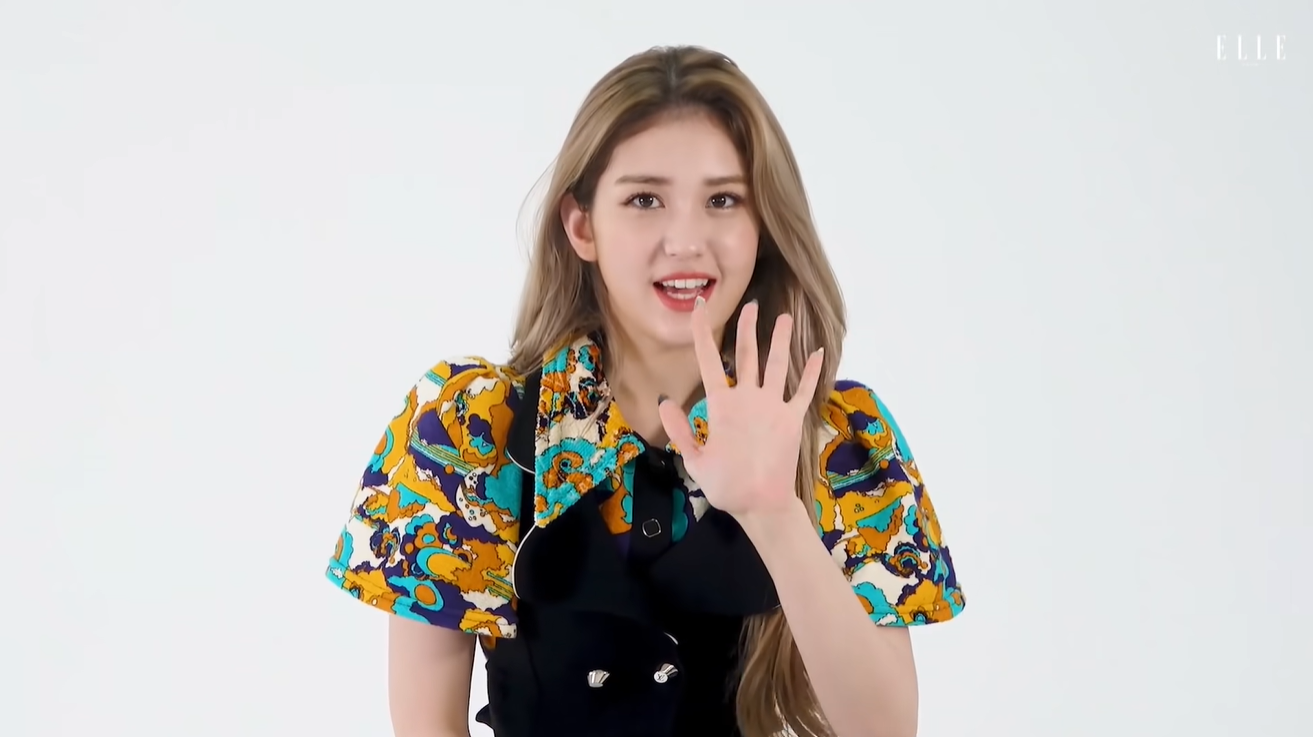

The air in the recording studio was thick with unfiltered candor. On her popular YouTube talk show, I AM SOMI, the charismatic soloist Jeon Somi, known for her radiant confidence and unapologetic personality, leaned into the microphone with a familiar glint in her eye. What followed wasn't a teaser for a new single or a behind-the-scenes tour of her glamorous life. Instead, it was a dive into one of the most universally awkward experiences known to humankind—sex education—filtered through the uniquely high-pressure context of K-Pop trainee life. With a series of laugh-out-loud anecdotes and blunt assessments, Somi didn't just share a memory; she pulled back the curtain on a standard yet rarely discussed pillar of the idol incubation system, prompting both uproarious laughter and serious reflection across the industry.
The Making of an "Only One" Star: From JYP Prodigy to Solo Powerhouse
To understand the weight of Somi's revelations, one must first appreciate her unique trajectory. Born to a Dutch-Canadian father and South Korean mother, Somi's visual appeal and vibrant energy made her a standout from her early trainee days at JYP Entertainment, one of the industry's famed "Big 4" companies. Her public introduction came through the intense survival show Sixteen in 2015, which ultimately formed the powerhouse girl group TWICE. While she didn't debut with the group, her popularity was undeniable, leading to her becoming the center of the project girl group I.O.I, formed from the landmark survival program Produce 101 in 2016.
After I.O.I's disbandment, Somi returned to JYP, navigating an uncertain period that left fans, known as SONICs, in a prolonged state of anticipation. This period of waiting, common for many idols between projects, has recently been paralleled in other artists' experiences, such as when a former idol shared her own struggle with isolation during a six-month hiatus. In 2018, Somi made the monumental decision to depart JYP and sign with The Black Label, an affiliate of YG Entertainment, a move that shocked the industry. Under the creative direction of producer Teddy, Somi reinvented herself as a bold, genre-blending solo artist, debuting with the explosive hit "Birthday" and solidifying her status with anthems like "What You Waiting For," "Dumb Dumb," and "Fast Forward." Her journey from a beloved JYP trainee to a chart-topping solo star under a different label gives her a dual perspective—insider knowledge of JYP's systems and the freedom of an artist outside its direct purview to speak on them.
"It Was So Awkward": Deconstructing Somi's JYP Classroom Chronicles
The heart of the story lies in Somi's detailed, humorous recounting of the mandatory sex education sessions at JYP Entertainment. During her show, she didn't merely hint at their existence; she painted a vivid, cringe-worthy picture that resonated with anyone who has ever sat through a painfully awkward health class.
The Setup and The Squirm
Somi described the sessions as large gatherings where male and female trainees were seated separately in a lecture-style setting. The instructor, she recalled, was a professional brought in by the company. The content, however, was delivered with a clinical detachment that seemed to amplify the discomfort of the teenagers in the room. Somi highlighted the sheer absurdity of the environment, where future idols, trained to be perfect performers, were confronted with biologically explicit diagrams and matter-of-fact explanations in a room full of their peers and competitors.
"It was so awkward. We were all sitting there, and you could feel everyone just trying to disappear into their chairs," Somi recounted with a laugh, mimicking the slumped posture of a mortified trainee. "You're sitting with people you see every single day in practice, and then suddenly you're learning about... well, everything. In a room together. Separated by gender. It was a lot."
The "Biological" Focus and What Was Missing
A critical point in Somi's commentary was her observation that the education was heavily, if not exclusively, focused on the biological mechanics of reproduction. This "plumbing manual" approach, as she implicitly framed it, missed crucial dimensions crucial for young adults, especially those entering the hyper-scrutinized world of celebrity. She pointedly noted the lack of discussion around consent, healthy relationships, emotional boundaries, and the immense pressure surrounding dating and public perception.
This gap is particularly significant in an industry where an idol's personal life can become instant, overwhelming news, as seen in the intense scrutiny generated by situations like the one explored in our article on how a simple photo can trigger a modern K-Pop "scandal". The absence of guidance on navigating these realities left trainees, in Somi's view, theoretically informed about biology but unprepared for the complex interpersonal and media landscapes they were about to enter.
A Call-Out Wrapped in Comedy
Somi’s delivery was masterfully comedic, using her expressive face and relatable exasperation to make the segment wildly entertaining. However, the core of her message was a direct, if good-natured, critique. By calling out the program's awkward execution and its narrow scope, she implicitly questioned whether multi-billion-won companies housing hundreds of vulnerable young people were doing enough in their duty of care. She wasn't just sharing a funny story; she was auditing a corporate policy. Her parting shot was a cheeky suggestion for improvement, implying that the system she experienced was outdated and due for a major, more holistic overhaul.

From Cringe to Critique: The Fan and Public Uproar
The reaction to Somi's segment was immediate and multifaceted, exploding across social media platforms like Twitter, TikTok, and various fan forums. The dominant initial response was one of relatable hilarity. Clips of Somi's impressions and deadpan delivery went viral, with fans and non-fans alike commenting with cries of "I would have died on the spot!" and "This is the most Somi thing ever." Memes comparing the JYP lecture hall to various uncomfortable cinematic and real-life situations flooded timelines.
Beneath the laughter, however, a more substantive conversation quickly took root. Many fans, particularly older SONICs and industry observers, praised Somi for her bravery in speaking so openly about a taboo subject within the often rigid K-Pop structure. Comments shifted from "This is so funny!" to "She's actually making a really important point."
- International fans drew comparisons to the often inadequate sex education in their own countries, creating a global dialogue about the universal need for better, more comprehensive programs for young people.
- Former trainees and lesser-known idols from various agencies began sharing their own experiences in subtle ways—through anonymous forum posts or vague "relatable" tweets—suggesting that Somi had touched on a near-universal experience in the industry.
- Debates sparked about what a "good" idol education should include. Fans listed topics they believed were essential: media literacy, mental health first aid, financial management, and crucially, education on healthy relationships and legal rights regarding sasaeng fans and anti-defamation.
The discussion underscored a growing demand from the modern K-Pop audience, which increasingly views itself not just as consumers but as stakeholders who care about the ethical treatment and holistic well-being of the artists they support. This aligns with a broader trend of fans advocating for systemic change, much like the conversations that emerge from stories about the immense pressure on idol staff or the health challenges faced by performers, as detailed in our piece on an NCT member's journey with a rare genetic condition.
A Systemic Lens: Agency Responsibility in the Spotlight
Somi's anecdote, while specific to JYP, serves as a perfect case study to examine a standard practice across the K-Pop industry. Large agencies function in loco parentis for minor trainees, housing them in dormitories, controlling their schedules, diets, and public personas. In this context, mandatory education on sexual health is, on its face, a responsible policy. However, Somi's critique exposes the potential chasm between a policy that checks a box and a program that genuinely prepares young adults for life.
The Industry Standard and Its Shortcomings
Most major agencies are known to provide some form of "education" to their idols, covering topics from sexual health to media interaction. The revelation here is in the execution. A purely biological, lecture-hall approach fails to account for the psychological and social realities of idol life. It ignores the power dynamics at play, the loneliness that can accompany fame, and the specific vulnerabilities idols face. This gap represents a systemic shortcoming where the protective focus is often on preserving the idol as a commercial asset (avoiding scandals) rather than nurturing them as a whole person.
JYP's Reputation and the Ripple Effect
JYP Entertainment has long cultivated an image as one of the more "family-friendly" and artist-conscious among the big agencies. Founder Park Jin-young frequently speaks about character and moral education. Somi's story, told without malice but with pointed humor, subtly challenges the reality behind that branding. It asks whether the company's famed "JYP Spirit" extends adequately into these private, crucial aspects of trainee development. The impact is not a scandal for JYP, but a reputational nudge—a public suggestion that even industry leaders can and should do better.
This moment also empowers other artists, current and former, to be more vocal about their training experiences. It contributes to a slowly building wave of transparency, pushing agencies to modernize their internal systems not just in musical production, but in human development. For more on the evolving landscape of idol-agency dynamics, readers can explore our comprehensive Artists page, which features profiles and career histories of major figures across the industry.
The New Curriculum: What Should—And What Might—Come Next
Jeon Somi, now 23 and in full command of her career, is unlikely to have to sit through another awkward corporate-mandated sex ed class. But her words have ignited a conversation with real forward momentum. So, what's next? The implications point toward several potential shifts within the K-Pop ecosystem.
Firstly, there is now significant public and fan pressure for agencies to re-evaluate and modernize their internal education programs. The call is for sessions led by psychologists, relationship counselors, and legal experts in addition to medical professionals. These programs would likely be smaller, more interactive, and tailored to address the unique pressures of idol life, including navigating social media, understanding consent in various contexts, and building resilience against malicious comments.
Secondly, Somi’s success in broaching this topic on her own platform demonstrates the growing power of idols as content creators and direct communicators. Beyond music videos and variety shows, platforms like YouTube and Instagram Live allow artists to shape narratives, share uncensored opinions, and advocate for change in ways previously controlled by agency PR departments. This shift gives artists a new form of agency (pun intended) to reflect on and critique the systems that shaped them.
Finally, this episode reinforces the importance of post-debut support systems. While trainee education is vital, the learning doesn't stop at debut. As idols navigate global fame, complex fandoms, and personal growth, continuous access to confidential counseling and professional advice becomes paramount. The industry's future resilience may depend less on perfect trainees and more on supported, well-rounded adult artists.
In the end, Somi’s hilarious trip down memory lane was more than a viral moment. It was a micro-article of institutional practice, a testament to her own growth into a confident commentator, and a catalyst for a necessary dialogue. As K-Pop continues to dominate global charts and break records, as seen with historic achievements like BTS's recent Billboard domination, the industry is being challenged to ensure its internal foundations are as robust and modern as its global output. The hope, spurred by Somi's candidness, is that the next generation of trainees might find their mandatory "awkward class" to be a genuinely empowering one, preparing them not just for the stage, but for life. For continued coverage on these evolving industry stories, stay tuned to our dedicated News page.