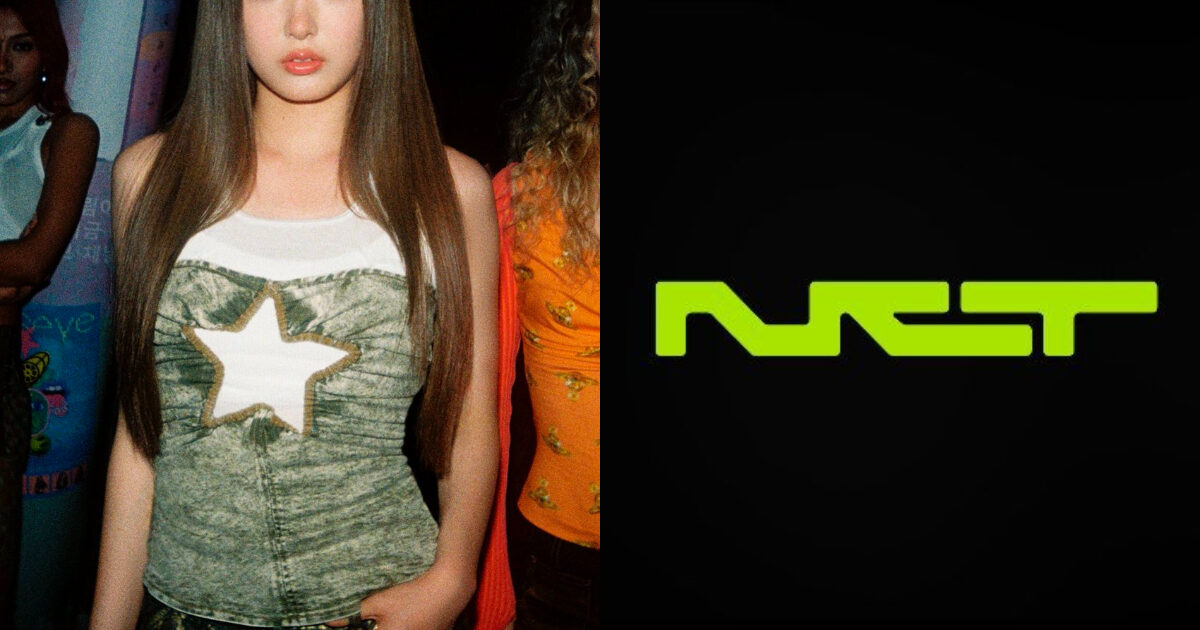

A simple, unexpected mention of the boy group NCT by a rookie HYBE girl group during a live broadcast has ignited the K-Pop internet, proving that in today's interconnected idol landscape, even the smallest nod can be a seismic event. This analysis delves beyond the viral clip to explore how this moment underscores a deliberate erosion of long-standing "company rivalry" barriers, serves as a masterclass in modern fan engagement, and signals a new era where strategic cross-affiliation mentions are becoming a powerful tool for narrative building and audience expansion. The key takeaway is that this was no accident, but a calculated peek into a more collaborative, lore-driven future for the industry.
- Why Did a Simple Mention Cause a Massive Reaction?
- What Does This Say About HYBE & SM Entertainment Dynamics?
- How Has Modern Fan Culture Primed for This Moment?
- Is This a New Lore & Narrative Building Tool?
- Does This Signal a Broader Industry Paradigm Shift?
- Frequently Asked Questions (FAQ)
Why Did a Simple Mention Cause a Massive Reaction?
The immediate, explosive response from fans across multiple fandoms—primarily the HYBE group's own fans and NCT's loyal NCTzen community—wasn't just about the words spoken. It was about the context they shattered.
The Weight of Unwritten Rules
For decades, a tacit rule governed idol interactions, especially between artists from major rival agencies like HYBE and SM Entertainment. Overt, public mentions were rare and carefully vetted. This unspoken boundary maintained distinct brand identities and prevented fan conflicts. A rookie group spontaneously name-dropping a senior group from the "rival" camp broke this convention, creating a thrilling sense of taboo and authenticity.
"They Are Always at the Scene" – A Phrase Loaded with Meaning
The specific phrase used, translating to "They are always at the scene," is peculiarly evocative. It doesn't just acknowledge NCT's existence; it paints them as ubiquitous, almost mythological figures within the industry backdrop. This transforms a simple shout-out into a piece of potential world-building, suggesting the groups exist in a shared narrative space. It invites interpretation: Is it about music shows? Award ceremonies? Or something more abstract?
The Power of the "Organic" Moment
Delivered during a casual live stream, not a scripted variety show, the comment felt off-the-cuff and genuine. In an era where fans are hyper-attuned to media training and manufactured content, these perceived "real" moments carry immense weight. As we explored in the viral case of a rookie male idol's panic, authentic reactions—whether from fear or admiration—resonate deeply and spread rapidly.
What Does This Say About HYBE & SM Entertainment Dynamics?
This incident cannot be viewed in isolation from the historic and evolving relationship between K-Pop's two powerhouse agencies. The mention acts as a litmus test for a new corporate climate.
From Fierce Rivalry to Cautious Coexistence
The traditional HYBE-SM narrative was one of direct competition, from chart battles to competing business models. However, the industry's global expansion and the rise of multi-fandom have softened the edges. While still competitors, there is a growing recognition of a shared ecosystem. Public, positive mentions can be seen as an acknowledgment of mutual respect within this larger battlefield.
Strategic Benevolence vs. Simple Fandom
Analysts are split: was this a top-down sanctioned "softening" of brand barriers, or genuinely a group of rookies expressing their personal fandom? The likely answer is a hybrid. Agencies are increasingly aware that rigid silos limit growth. Allowing—or even encouraging—such mentions can be a low-risk, high-reward strategy to attract positive attention from a rival's fanbase, as seen on our Charts page where cross-fandom support often drives numbers.
 Aspect
Traditional HYBE-SM Dynamic
Post-Mention Implication
Public Interaction
Rare, formal, often through year-end award shows only.
Potentially more casual, organic, and driven by idols themselves.
Fan Perception
Fierce rivalry; supporting both was often framed as disloyal.
Multi-fandom normalization; appreciation across company lines is acceptable.
Corporate Strategy
Maintain strict brand separation and internal lore.
Experimenting with interconnected narratives to expand total audience.
Media Play
Stories focused on competition and comparison.
Stories can now focus on mutual admiration and industry unity.
Aspect
Traditional HYBE-SM Dynamic
Post-Mention Implication
Public Interaction
Rare, formal, often through year-end award shows only.
Potentially more casual, organic, and driven by idols themselves.
Fan Perception
Fierce rivalry; supporting both was often framed as disloyal.
Multi-fandom normalization; appreciation across company lines is acceptable.
Corporate Strategy
Maintain strict brand separation and internal lore.
Experimenting with interconnected narratives to expand total audience.
Media Play
Stories focused on competition and comparison.
Stories can now focus on mutual admiration and industry unity.
How Has Modern Fan Culture Primed for This Moment?
The reaction's scale and speed are direct products of evolved fan behavior and digital ecosystem tools.
The Rise of the Multi-Stan and the "Crumbs" Economy
Today's fans often follow multiple groups across agencies, craving interactions or "crumbs" between them. A direct mention is a high-value crumb, validating the multi-stan experience and providing fresh content for fan edits, analyses, and discussions. This fuels engagement cycles far beyond the original groups' core fandoms.
Deep-Dive Analysis as Standard Practice
Modern fandoms don't just consume; they investigate. Every word, gesture, and background item is scrutinized for deeper meaning. A phrase like "always at the scene" becomes a puzzle to be solved, spawning threads analyzing its possible connections to concept photos, lyrics, or past interviews. This turns a 3-second clip into weeks of community engagement.
The Platform Amplification Loop
The reaction unfolded in a predictable, powerful loop: Live Stream Clip → Twitter/X Quote Retweets → TikTok Analysis Videos → Korean Forum Posts → YouTube Deep Dives. Each platform caters to a different facet of the story, from raw reaction to long-form theory crafting, ensuring maximum penetration. For more on how moments travel this loop, check our News page analysis.
Is This a New Lore & Narrative Building Tool?
For groups built on intricate fictional universes—a hallmark of both HYBE and SM groups—such mentions transcend mere camaraderie and enter the realm of narrative.
Extending the "Cinematic Universe" Model
Marvel's cinematic universe proved the power of interconnected stories. K-Pop agencies have adopted this for their own groups (e.g., the HYBE Universe, SM's Kwangya). A cross-company mention teasingly suggests an even broader "K-Pop Universe," where narratives might lightly intersect. This expands the imaginative playground for fans exponentially.
Creating Ambiguity and Speculation
The genius of the vague phrase is that it creates productive ambiguity. Is it literal? Metaphorical? Is it a future collaboration teaser? This speculation is the engine of fan engagement. It mirrors the strategy seen when actors from idol groups take on bold roles, creating discourse that benefits all projects, akin to the analysis in Siwon's Scene & The System.
Humanizing Idols Within the Machine
Amidst high-concept lore, showing idols as genuine fans of their peers grounds them. It adds a layer of relatable humanity, reminding audiences that beneath the concept, they are industry colleagues and music enthusiasts. This balance is crucial for long-term fan connection, a challenge even veteran acts navigate, as discussed in The Rose's "Temporary Break" Decoded.
Does This Signal a Broader Industry Paradigm Shift?
While one mention isn't a revolution, it fits a pattern suggesting a fundamental shift in how agencies view competition and collaboration.
The End of Hermetic Agency Silos
The old model of keeping idols strictly within their corporate ecosystem is cracking. Global platforms, international tours, and diverse revenue streams mean the "pie" is bigger. There's less need for cutthroat rivalry and more value in cross-pollination that grows the entire market.
Collaboration as the New Competition
The ultimate competition is no longer just for music show wins, but for mindshare and cultural relevance. Strategic, surprising interactions like this generate more buzz than a standard comeback announcement. They position the groups and their agencies as innovative, connected, and culturally tuned-in.
A Response to Idol Burnout and Fan Empathy
As stories of industry pressure and burnout become more public, fans crave signs that idols have supportive networks. Seeing groups acknowledge each other fosters a perception of a healthier, more collegial industry environment. This aligns with growing fan empathy, a trend highlighted in reports like The Coffee Grind Escape.
Frequently Asked Questions (FAQ)
Q: Does this mean there will be an official collaboration between this HYBE group and NCT?
A: Not necessarily. While it has fueled speculation, such a mention is more likely a tool for buzz and narrative than a direct announcement. Cross-agency collaborations remain complex but are becoming less unthinkable than before.
Q: Was this comment planned by HYBE's management?
A> We may never know for certain. The most plausible scenario is a managed "organic" moment. The idols likely have genuine admiration, and their team, recognizing the positive potential, allowed or even encouraged the expression, understanding the new rules of engagement.
Q: How have NCT members reacted?
A> As of this writing, no direct public response from NCT members has been confirmed. Often in these situations, seniors may acknowledge it subtly in a later broadcast with a smile or a vague callback, further fueling the cycle without making an explicit statement.
Q: Could this backfire and cause fan wars?
A> There's always a risk. However, the overwhelmingly positive initial reaction suggests fandoms are increasingly receptive. The mention was respectful and admiring, not comparative or competitive, which minimizes defensive triggers. It helps that both groups are widely respected for their musical prowess.
Q: Is this trend similar to K-Drama actors praising each other's work?
A> Yes, the principle is analogous. It creates a network of mutual support that elevates the entire industry's profile. Just as IU's "Perfect Crown" ratings surge proves the power of idol-actors, cross-pollination in music strengthens the cultural fabric all entities operate within.
Conclusion & What to Watch Next
The viral mention of NCT by a HYBE girl group is far more than a fleeting internet moment. It is a microcosm of K-Pop's evolution: the erosion of rigid corporate walls, the sophistication of modern fan engagement, and the strategic use of narrative ambiguity. It demonstrates that in today's landscape, influence is exercised not just through dominance, but through connection.
What to watch next: Observe if this leads to a pattern of similar "casual" cross-agency acknowledgments from other groups. Monitor whether NCT members offer any indirect reciprocation. Most importantly, watch how both groups' next creative outputs are interpreted—fans will now be looking for hidden connections, however subtle. This moment has opened a door in perception; the industry's future steps will determine if it becomes a well-trodden pathway. For continued analysis on shifting dynamics and idol culture, explore our full roster of insights on our Artists page.