
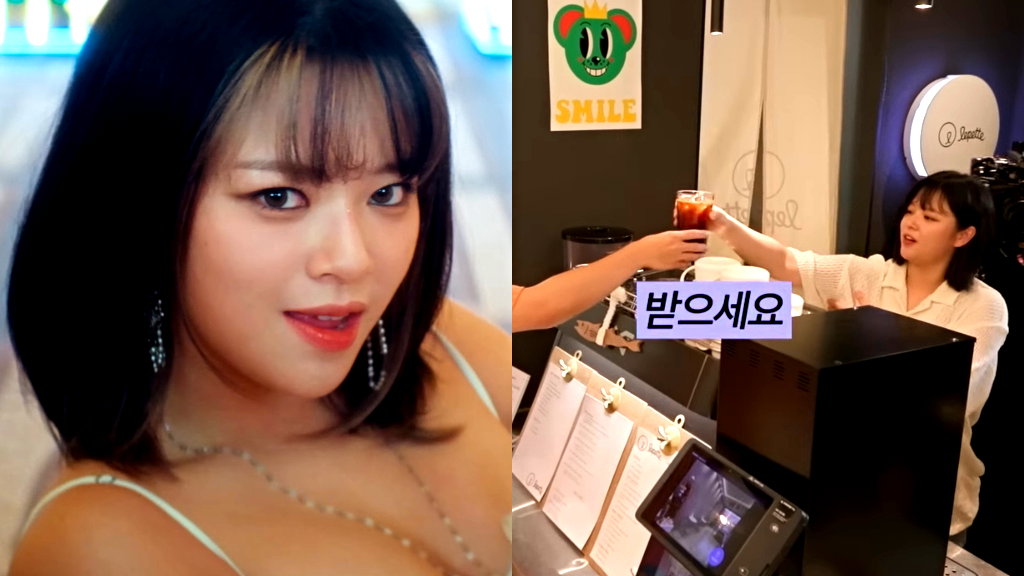

In a move that has sent shockwaves through the industry, former Luminous lead vocalist Eun-sol has been discovered living a quiet life abroad, reportedly seeking work as a barista after a complete radio silence post-disbandment. This isn't a simple career change—it's a stark, poignant case study in the immense personal cost of K-Pop fame and a growing trend of idols choosing anonymity over adulation. Her journey from the dazzling stage to a local coffee shop counter forces a critical examination of the mental health, financial instability, and relentless pressure baked into the system, signaling a potential turning point in how we view success and survival in this hyper-competitive world.
- What Exactly Happened to Eun-sol?
- Why a Barista? Decoding the Symbolism of the "Quiet Job"
- The Unspoken Financial Reality: Why Idols Go Broke
- The Pressure Cooker: Was Burnout Inevitable?
- Fandom at a Crossroads: Concern, Betrayal, and a New Empathy
- Is This a New Path? Eun-sol's Story in Context
- Your Questions Answered: The Eun-sol Case FAQ
What Exactly Happened to Eun-sol?
The story reads like a mystery novel with a bittersweet epilogue. Member of the mid-tier girl group Luminous, Eun-sol was known for her powerful, soulful vocals and charismatic stage presence. After the group's quiet disbandment two years ago following a standard seven-year contract, most members pursued typical post-idol paths: acting, solo music, or variety show appearances.
The Disappearance Act
Eun-sol, however, vanished. Her social media went dark. She dropped all contact with the industry. Rumors swirled among the fanbase, ranging from secret marriage to severe illness. The truth, confirmed by a grainy photo and testimony from a fan who recognized her in a suburban North American cafe, was far more ordinary and, to many, more shocking.
From Spotlight to Steam Wand
The fan reported seeing Eun-sol, under what is presumed to be a private name, calmly taking orders and crafting cappuccinos. She was described as peaceful, "unrecognizably relaxed," and seemingly content in her new environment, a world away from the laser lights and screaming crowds of her past life. This wasn't a planned influencer move or a branded business venture—it appeared to be a deliberate step into obscurity and a fundamentally different kind of labor.
Why a Barista? Decoding the Symbolism of the "Quiet Job"
On the surface, the career shift is jarring. But a deeper look reveals why service industry jobs like barista work have become an unintentional refuge for former idols seeking normalcy.
The Allure of Tangible, Immediate Results
Idol life is a marathon of intangible metrics: streaming numbers, chart positions, brand rankings, social media likes. The feedback loop is chaotic and often cruel. In contrast, being a barista offers immediate, tangible gratification. A customer smiles after tasting their drink. A task is completed, cleanly and without committee. As explored in our analysis of The Encore Heard 'Round the World, the scrutiny on live performance is relentless. For someone fleeing that, the simple act of making a perfect latte is a form of therapy.
Anonymity and Human Connection
Behind the counter, Eun-sol is likely not "Eun-sol the Idol." She is an employee. The interactions are brief, transactional, and free from the baggage of fandom expectation or public persona. It offers human connection without the intense parasocial layers of idol-fan relationships. It’s a chance to be seen as a person performing a service, not a product managing a brand.
The Physical vs. Psychological Toll
While physically demanding, barista work operates on a different axis of stress than idol life. The schedule, while possibly long, is predictable. The "performance" is limited to a shift. There are no midnight practice sessions, no diet regimes, no constant threat of online vigilantism. The trade is clear: physical fatigue for psychological respite.

The Unspoken Financial Reality: Why Idols Go Broke
The most pervasive myth is that all idols are wealthy. Eun-sol's situation pulls back the curtain on the grim financial realities for the vast majority of artists who don't reach the top tier.
The Debt Trap
Trainee debts are legendary. Costs for housing, vocal lessons, dance training, styling, and living expenses are often advanced by the company and must be repaid from future earnings. For groups from small to mid-sized agencies like Luminous's, hitting break-even point before disbandment is a fierce challenge. Earnings from music sales, streaming, and concerts are split multiple ways—between members, the company, producers, and more.
The Post-Disbandment Void
When a group disbands, the monthly salary (if there was one) stops. Brand deals tied to the group expire. For members without a strong individual brand or a clear pivot plan, the income cliff is sudden and severe. Unlike actors or soloists, many idols' skills are highly specialized for the team-based K-Pop ecosystem, making transition difficult. This forces a stark choice: hustle for unstable entertainment gigs or find stable, non-industry employment. Eun-sol's choice points squarely to the latter.
Financial Factor Idol Career (Mid-Tier Group) "Normal" Career (e.g., Barista) Income Stability Extremely volatile; dependent on group promotions, fan projects, occasional endorsements. Predictable hourly wage or salary; know exactly what you earn each month. Debt Burden High likelihood of trainee debt; income often goes to repayment first. Typically no industry-specific debt; standard student or living loans only. Career Longevity Short shelf life (often 7 years or less as a group); age is a significant factor. Can be a long-term career with progression to management, ownership, etc. Post-Career Transition Abrupt and challenging; skills may not directly translate to other fields. Skills (customer service, operations) are highly transferable across many industries.The Pressure Cooker: Was Burnout Inevitable?
Eun-sol's exit is a textbook case of systemic burnout. The signs were likely there for years, mirroring industry-wide patterns we've documented extensively.
The Weight of Perfection
From vocals to visuals, the demand for flawlessness is crushing. Every encore stage is dissected, every live note analyzed. As discussed in our piece on Beyond the Scale, the scrutiny on idols' physical beings is dehumanizing. For a lead vocalist like Eun-sol, the pressure to deliver perfect live vocals while maintaining an exhaustive performance schedule is a unique mental load. The fear of a single mistake going viral can be paralyzing.
Lack of Autonomy and Agency
Idols have famously little control over their lives: their schedule, their diet, their public image, their relationships. This prolonged state of managed existence can lead to a profound loss of self. Choosing to become a barista, in its simplicity, is an ultimate reclamation of agency. It is a decision about one's own body, time, and labor, however modest it may seem.
The pursuit of a 'normal' life isn't a failure for these artists; it's often a hard-won victory over a system that consumes individuality. We see it not as a step down, but a step out.
The Comparison to Other High-Profile Exits
Eun-sol's story is less dramatic but parallel to other radical reinventions. While not as sensational as the path taken by the star in From Stage to Centerfold, the core driver is the same: a desperate need to reclaim one's own narrative and body after years of it being treated as public property. One chooses hyper-visibility on new terms; the other chooses deliberate invisibility.
Fandom at a Crossroads: Concern, Betrayal, and a New Empathy
The fan reaction to the news has been a complex tapestry, reflecting the evolving relationship between idols and those who support them.
The "Betrayal" Narrative
A vocal minority of fans express feelings of betrayal. They invested money, time, and emotional energy into supporting Eun-sol's dream, only to see her "abandon" it for a "menial" job. This perspective underscores the uncomfortable transactional element of fandom and the expectation of perpetual gratitude and public presence from the idol.
The Overwhelming Outpouring of Support
More prevalent, however, is an overwhelming wave of support and empathy. Comments like "I just want her to be happy" and "She gave us her youth, let her live" dominate forums. This reflects a maturing fan culture that is increasingly aware of the industry's dark sides, prioritizing the artist's well-being over their own desire for content. Fans are checking our News page for updates not with gossip, but with genuine concern.
A Wake-Up Call for the Industry
Collectively, the fan response sends a clear message to agencies: the old model is becoming unacceptable. Fans are now allies in calling for better mental health support, fairer contracts, and sustainable career planning. They are witnesses to the fallout and are demanding systemic change to protect the artists they love.
Is This a New Path? Eun-sol's Story in Context
While extreme, Eun-sol's choice is not an isolated incident. It represents the far end of a spectrum of post-idol life choices that prioritize sanity over fame.
Part of a Growing Trend
Former idols running cafes, bakeries, or small boutiques are a known phenomenon in Korea. The move abroad amplifies the desire for a clean break. Other idols have left to become yoga instructors, therapists, or even farmers. This trend challenges the very definition of success, suggesting that a peaceful, self-determined life is a more coveted prize than perpetual public recognition.
The Agency's Failure in Career Longevity
Agencies excel at creating stars but are often abysmal at managing the transition out of stardom. As an actor's experience in The Road Not Taken highlighted, the idol life is uniquely grueling. Eun-sol's story is a direct indictment of this failure. Where was the post-career counseling? The financial planning? The support for skill diversification? Her disappearance suggests those systems were absent.
Redefining the "Happy Ending"
The K-Pop narrative demands a fairy-tale ending: solo superstar, award-winning actor, wealthy entrepreneur. Eun-sol's story offers a different, quietly revolutionary script: the happy ending is peace. It is anonymity. It is the freedom to have a bad day without it trending online. It is the radical act of choosing oneself after a career spent choosing the team, the company, and the fans.
Your Questions Answered: The Eun-sol Case FAQ
Is Eun-sol failing by doing this?
Absolutely not. This is a profound misreading of the situation. Success is not a monolith. By choosing mental health and stability over the chaotic, often degrading pursuit of fading fame, she has made a courageous and rational decision for her well-being. It is a redefinition of success on human terms.
Couldn't she have just gone solo or into musicals?
The assumption that opportunities are readily available is flawed. The market is saturated with talented former idols. Pivoting to musicals requires specific training and connections. A solo career requires immense capital, a powerful agency, and the mental fortitude to weather comparisons to one's past group life. For someone already burnt out, this is not a viable "easy" option.
Will she ever return to entertainment?
That is entirely her choice. The power of her current action is that it is on her terms. If she ever returns, it will be because she wants to, not because she has no other options. This agency is the most valuable thing she has gained.
What does this mean for current idols?
It serves as both a cautionary tale and a source of secret hope. It highlights the critical need for idols to develop external interests, savings plans, and support networks outside the industry. It also shows them there is a life—a dignified, peaceful life—beyond the spotlight.
How can fans support idols better in light of this?
Fans can advocate for better industry practices, respect idols' privacy, and challenge toxic fan behaviors that contribute to pressure. Support means cheering for their health and happiness as much as their achievements. Check our Artists page to follow idols with a perspective that values their humanity.
Is this more common among female idols?
The pressures are intense across genders, but the public scrutiny on female idols' lives, ages, and personal choices is often more severe and constricting, potentially making a complete break more appealing. Male idols may face different, but equally heavy, pressures to provide and maintain a certain image long-term.
Conclusion: The Latte Steam Is a Signal
The image of Eun-sol steaming milk is more than a curious tabloid snapshot. It is a billboard for a silent crisis and a quiet revolution. It tells us that the dream sold to millions—the glittering, global fame of K-Pop—has a price many are no longer willing to pay. It underscores the urgent need for structural reform in trainee debt, mental health support, and post-career planning.
For fans, it's a call to empathize over idolize. For the industry, it's a warning that human capital is not inexhaustible. And for the countless trainees and current idols watching, Eun-sol’s story whispers a powerful, subversive truth: there is dignity in the grind, peace in the pour, and a whole life waiting beyond the stage lights. Her new journey, tracked not on our Charts page but in the quiet satisfaction of a day's honest work, may be her most impactful performance yet.